
Filter
3873
Text search:
UNICEF,
Care
Featured
387
1217
Language
3488
211
143
66
56
46
19
18
10
6
5
5
4
4
3
3
3
3
3
3
2
2
2
2
2
2
2
2
2
1
1
1
1
1
1
1
1
1
1
1
1
Document type
2158
572
490
191
162
112
84
70
12
9
8
2
Countries
166
137
125
122
113
113
96
95
90
81
72
71
70
70
67
51
49
49
49
47
46
46
40
39
39
38
36
35
34
33
33
32
31
31
29
26
25
23
23
20
20
20
19
19
18
18
18
17
15
15
15
15
15
14
14
13
12
11
10
10
9
8
8
8
8
8
7
7
7
6
6
5
5
5
5
5
5
4
4
4
4
4
3
3
3
3
3
3
3
3
3
3
3
3
3
2
2
2
2
2
2
2
2
2
2
2
2
2
2
2
2
2
2
1
1
1
1
1
1
1
1
1
1
1
1
1
1
1
1
1
1
1
1
1
Authors & Publishers
540
299
123
120
88
84
83
75
56
39
39
33
27
27
23
21
20
20
20
19
17
17
17
16
16
15
15
15
14
13
13
13
13
13
13
13
12
12
12
12
12
11
11
11
11
11
10
10
10
9
9
9
9
9
9
9
9
8
8
8
8
8
8
8
8
8
8
8
8
7
7
7
7
7
7
7
7
7
7
7
7
7
7
7
7
6
6
6
6
6
6
6
6
6
6
6
6
6
6
6
6
6
6
5
5
5
5
5
5
5
5
5
5
5
5
5
5
5
5
5
5
5
5
5
5
5
4
4
4
4
4
4
4
4
4
4
4
4
4
4
4
4
4
4
4
4
4
4
4
4
4
4
4
4
4
4
4
4
4
4
4
4
4
4
4
4
4
4
3
3
3
3
3
3
3
3
3
3
3
3
3
3
3
3
3
3
3
3
3
3
3
3
3
3
3
3
3
3
3
3
3
3
3
3
3
3
3
3
3
3
3
3
3
3
3
3
3
3
3
3
3
3
3
3
3
3
3
3
3
3
3
3
3
3
3
3
3
3
3
3
3
3
3
3
3
3
3
3
3
3
3
3
3
3
3
2
2
2
2
2
2
2
2
2
2
2
2
2
2
2
2
2
2
2
2
2
2
2
2
2
2
2
2
2
2
2
2
2
2
2
2
2
2
2
2
2
2
2
2
2
2
2
2
2
2
2
2
2
2
2
2
2
2
2
2
2
2
2
2
2
2
2
2
2
2
2
2
2
2
2
2
2
2
2
2
2
2
2
2
2
2
2
2
2
2
2
2
2
2
2
2
2
2
2
2
2
2
2
2
2
2
2
2
2
2
2
2
2
2
2
2
2
2
2
2
2
2
2
2
2
2
2
2
2
2
2
2
2
2
2
2
2
2
2
2
2
2
2
2
2
2
2
2
2
2
2
2
2
2
2
2
2
2
2
2
2
2
2
2
2
2
2
2
2
2
2
2
2
2
2
2
2
2
2
2
2
2
2
2
2
2
2
2
2
2
2
2
2
2
2
2
2
2
2
2
2
2
2
2
2
2
2
2
2
2
2
2
1
1
1
1
1
1
1
1
1
1
1
1
1
1
1
1
1
1
1
1
1
1
1
1
1
1
1
1
1
1
1
1
1
1
1
1
1
1
1
1
1
1
1
1
1
1
1
1
1
1
1
1
1
1
1
1
1
1
1
1
1
1
1
1
1
1
1
1
1
1
1
1
1
1
1
1
1
1
1
1
1
1
1
1
1
1
1
1
1
1
1
1
1
1
1
1
1
1
1
1
1
1
1
1
1
1
1
1
1
1
1
1
1
1
1
1
1
1
1
1
1
1
1
1
1
1
1
1
1
1
1
1
1
1
1
1
1
1
1
1
1
1
1
1
1
1
1
1
1
1
1
1
1
1
1
1
1
1
1
1
1
1
1
1
1
1
1
1
1
1
1
1
1
1
1
1
1
1
1
1
1
1
1
1
1
1
1
1
1
1
1
1
1
1
1
1
1
1
1
1
1
1
1
1
1
1
1
1
1
1
1
1
1
1
1
1
1
1
1
1
1
1
1
1
1
1
1
1
1
1
1
1
1
1
1
1
1
1
1
1
1
1
1
1
1
1
1
1
1
1
1
1
1
1
1
1
1
1
1
1
1
1
1
1
1
1
1
1
1
1
1
1
1
1
1
1
1
1
1
1
1
1
1
1
1
1
1
1
1
1
1
1
1
1
1
1
1
1
1
1
1
1
1
1
1
1
1
1
1
1
1
1
1
1
1
1
1
1
1
1
1
1
1
1
1
1
1
1
1
1
1
1
1
1
1
1
1
1
1
1
1
1
1
1
1
1
1
1
1
1
1
1
1
1
1
1
1
1
1
1
1
1
1
1
1
1
1
1
1
1
1
1
1
1
1
1
1
1
1
1
1
1
1
1
1
1
1
1
1
1
1
1
1
1
1
1
1
1
1
1
1
1
1
1
1
1
1
1
1
1
1
1
1
1
1
1
1
1
1
1
1
1
1
1
1
1
1
1
1
1
1
1
1
1
1
1
1
1
1
1
1
1
1
1
1
1
1
1
1
1
1
1
1
1
1
1
1
1
1
1
1
1
1
1
1
1
1
1
1
1
1
1
1
1
1
1
1
1
1
1
1
1
1
1
1
1
1
1
1
1
1
1
1
1
1
1
1
1
1
1
1
1
1
1
1
1
1
1
1
1
1
1
1
1
1
1
1
1
1
1
1
1
1
1
1
1
1
1
1
1
1
1
1
1
1
1
1
1
1
1
1
1
1
1
1
1
1
1
1
1
1
1
1
1
1
1
1
1
1
1
1
1
1
1
1
1
1
1
1
1
1
1
1
1
1
1
1
1
1
1
1
1
1
1
1
1
1
1
1
1
1
1
1
1
1
1
1
1
1
1
1
1
1
1
1
1
1
1
1
1
1
1
1
1
1
1
1
1
1
1
1
1
1
1
1
1
1
1
1
1
1
1
1
1
1
1
1
1
1
1
1
1
1
1
1
1
1
1
1
1
1
1
1
1
1
1
1
1
1
1
1
1
1
1
1
1
1
1
1
1
1
1
1
1
1
1
1
1
1
1
1
1
1
1
1
1
1
1
1
1
1
1
1
1
1
1
1
1
1
1
1
1
1
1
1
1
1
1
1
1
1
1
1
1
1
1
1
1
1
1
1
1
1
1
1
1
1
1
1
1
1
1
1
1
1
1
1
1
1
1
1
1
1
1
1
1
1
1
1
1
1
1
1
1
1
1
1
1
1
1
1
1
1
1
1
1
1
1
1
1
1
1
1
1
1
1
1
1
1
1
1
1
1
1
1
1
1
1
1
1
1
1
1
1
1
1
1
1
1
1
1
1
1
1
1
1
1
1
1
1
1
1
1
1
1
1
1
1
1
1
1
1
1
1
1
1
1
1
1
1
1
1
1
1
1
1
1
1
1
1
1
1
1
1
1
1
1
1
1
1
1
1
1
1
1
1
1
1
1
1
1
1
1
1
1
1
1
1
1
1
1
1
1
1
1
1
1
1
1
1
1
1
1
1
1
1
1
1
1
1
1
1
1
1
1
1
1
1
1
1
1
1
1
1
1
1
1
1
1
1
1
1
1
1
1
1
1
1
1
1
1
1
1
1
1
1
1
1
1
1
1
1
1
1
1
1
1
1
1
1
1
1
1
1
1
1
1
1
1
1
1
1
1
1
1
1
1
1
1
1
1
1
1
1
1
1
1
1
1
1
1
1
1
1
1
1
1
1
1
1
1
1
1
1
1
1
1
1
1
1
1
1
1
1
1
1
1
1
1
1
1
1
1
1
1
1
1
1
1
1
1
1
1
1
1
1
1
1
1
1
1
1
1
1
1
1
1
1
1
1
1
1
1
1
1
1
1
1
1
1
1
1
1
1
1
1
1
1
1
1
1
1
1
1
1
1
1
1
1
1
1
1
1
1
1
1
1
1
1
1
1
1
1
1
1
1
1
1
1
1
1
1
1
1
1
1
1
1
1
1
1
1
1
1
1
1
1
1
1
1
1
1
1
1
1
1
1
1
1
1
1
1
1
1
1
1
1
1
1
1
1
1
1
1
1
1
1
1
1
1
1
1
1
1
1
1
1
1
1
1
1
1
1
1
1
1
1
1
1
1
1
1
1
1
1
1
1
1
1
1
1
1
1
1
1
1
1
1
1
1
1
1
1
1
1
1
1
1
1
1
1
1
1
1
1
1
1
1
1
1
1
1
1
1
1
1
1
1
1
1
1
1
1
1
1
1
1
1
1
1
1
1
1
1
1
1
1
1
1
1
1
1
1
1
1
1
1
1
1
1
1
1
1
1
1
1
1
1
1
1
1
1
1
1
1
1
1
1
1
1
1
1
1
1
1
1
1
1
1
1
1
1
1
1
1
1
1
1
1
1
1
1
1
1
1
1
1
1
1
1
1
1
1
1
1
1
1
1
1
1
1
1
1
1
1
1
1
1
1
1
1
1
1
1
1
1
1
1
1
1
1
1
1
1
1
1
1
1
1
1
1
1
1
1
1
1
1
1
1
1
1
1
1
1
1
1
1
1
1
1
1
1
1
1
1
1
1
1
1
1
1
1
1
1
1
1
1
1
1
1
1
1
1
1
1
1
1
1
1
1
1
1
1
1
1
1
1
1
1
1
1
1
1
1
1
1
1
1
1
1
1
1
1
1
1
1
1
1
1
1
1
1
1
1
1
1
1
1
1
1
1
1
1
1
1
1
1
1
1
1
1
1
1
1
1
1
1
1
1
1
1
1
1
1
1
1
1
1
1
1
1
1
1
1
1
1
1
1
1
1
1
1
1
1
1
1
1
1
1
1
1
1
1
1
1
1
1
1
1
1
1
1
1
1
1
1
1
1
1
1
1
1
1
1
1
1
1
1
1
1
1
1
1
1
1
1
1
1
1
1
1
1
1
1
1
1
1
1
1
1
1
1
1
1
1
1
1
1
1
1
1
1
1
1
1
1
1
1
1
1
1
1
1
1
1
1
1
1
1
1
1
1
1
1
1
1
1
1
1
1
1
1
1
1
1
1
1
1
1
1
1
1
1
1
1
1
1
1
1
1
1
1
1
1
1
1
1
1
1
1
1
1
1
1
1
1
1
1
1
1
1
1
1
1
1
1
1
1
1
1
1
1
1
1
1
1
1
1
1
1
1
1
1
1
1
1
1
1
1
1
1
1
1
1
1
1
1
1
1
1
1
1
1
1
1
1
1
1
1
1
1
1
1
1
1
1
1
1
1
1
1
1
1
1
1
1
1
1
1
1
1
1
1
1
1
1
1
1
1
1
1
1
1
1
1
1
1
1
1
1
1
1
1
1
1
1
1
1
1
1
1
1
1
1
1
1
1
1
1
1
1
1
1
1
1
1
1
1
1
1
1
1
1
1
1
1
1
1
1
1
1
1
1
1
1
1
1
1
1
1
1
1
1
1
1
1
1
1
1
1
1
1
1
1
1
1
1
1
1
1
1
1
1
1
1
1
1
1
1
1
1
1
1
1
1
1
1
1
1
1
1
1
1
1
1
1
1
1
1
1
1
1
1
1
1
1
1
1
1
1
1
1
1
1
1
1
1
1
1
1
1
1
1
1
1
1
1
1
1
1
1
1
1
1
1
1
1
1
1
1
1
1
1
1
1
1
1
1
1
1
1
1
1
1
1
1
1
1
1
1
1
1
1
1
1
1
1
1
1
1
1
1
1
1
1
1
1
1
1
1
1
1
1
1
1
1
1
1
1
1
1
1
1
1
1
1
1
1
1
1
1
1
1
1
1
1
1
1
1
1
1
1
1
1
1
1
1
1
1
1
1
1
1
1
1
1
1
1
1
1
1
1
1
1
1
1
1
1
1
1
1
1
1
1
1
1
1
1
1
1
1
1
1
1
1
1
1
1
1
1
1
1
1
1
1
1
1
1
1
1
1
1
1
1
1
1
1
1
1
1
1
1
1
1
1
1
1
1
1
1
1
1
1
1
1
1
1
1
1
1
1
1
1
1
1
1
1
1
1
1
1
1
1
1
1
1
1
1
1
1
1
1
1
1
1
1
1
1
1
1
1
1
1
1
1
1
1
1
1
1
1
1
1
1
1
1
1
1
1
1
1
1
1
1
1
1
1
1
1
1
1
1
1
1
1
1
1
1
1
1
1
1
1
1
1
1
1
1
1
1
1
1
1
1
1
1
1
1
1
1
1
1
1
1
1
1
1
1
1
1
1
1
1
1
1
1
1
1
1
1
1
1
1
1
1
1
1
1
1
1
1
1
1
1
1
1
1
1
1
1
1
1
1
1
1
1
1
1
1
1
1
1
1
1
1
1
1
1
1
1
1
1
1
1
1
1
1
1
1
1
1
Publication Years
1233
2286
343
11
Category
1733
434
296
206
138
74
24
Toolboxes
444
228
204
174
170
132
98
91
87
58
56
52
52
49
45
44
44
37
27
25
23
20
11
9
5
4
1

Strengthening resilient agricultural livelihoods
Level 3 responses are activated in the most complex and challenging humanitarian emergencies, when the highest level of mobilization is required across the humanitarian system. Even before the conflict escalated, the country suffered high levels of p
...
overty, food insecurity, undernutrition and malnutrition, water shortages and land degradation. Yemenis are also facing armed conflict, displacement, risk of famine and disease outbreaks.
more

This guidance booklet on Menstrual Hygiene Management (MHM) is intended for adolescent girls and young women. Issues associated with menstruation are never discussed openly and the silence surrounding menstruation burdens young girls by keeping them ignorant of this biological function. Even after t
...
he attainment of menarche, very little information is given to young girls about the physiological processes involved and the hygienic practices to be followed.
more
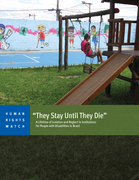
This report found that many people with disabilities enter institutions as children and remain there for their entire lives. Most of these institutions visited by Human Rights Watch researchers did not provide for more than people’s basic needs, such as food and hygiene, with scarce contact with t
...
he community and little opportunity for personal development. Some residents are tied to their beds and given sedatives to control them.
more


The review’s objectives are to review progress in TB control with emphasis on DOTS strategy implementation, summarize the experience, lessons learnt and methods of work and to make recommendations for international donors, technical agencies and the Ministry of Health.

Zambia has recognised the Public Health threat of antimicrobial resistance and its impact on morbidity and mortality, as well as the subsequent economic consequences. The country has recorded microorganisms which have developed resistance to antimicrobial drugs. Notable among these are; Multidrug Re
...
sistant Mycobacterium Tuberculosis (MDR), Human Immunodeficiency virus resistant to antiretroviral drugs, Plasmodium resistance to antimalarial drugs, and fungal species showing indications of resistance to antifungal drugs. Emergence of “Superbugs” such as Methicillin Resistant Staphylococcus aureus (MRSA), Extended Spectrum beta-lactam (ESBL) producing Klebsiella pneumoniae and Vancomycin Resistant Enterococci (VRE) have also been reported.
more

Moving from accelerated burden reduction to malaria elimination in Zambia


Disability Data Collection in Community-based Rehabilitation
Sunil Deepak, Franesca Ortali, Geraldine Mason Halls, Tulgamaa Damdinsuren, Enhbuyant Lhagvajav, Steven Msowoya, Malek Qutteina, Jayanth Kumar
Disability, CBR & Inclusive Development Journal (DCIDJ)
(2016)
CC
Today there are Community-based Rehabilitation (CBR) programmes in a large number of countries. In many countries, the CBR approach is a part of the national rehabilitation services. However, there is a lack of reliable data about persons with disabilities who benefit from CBR and the kind of benefi
...
ts they receive. This article reviews the disability data collection systems and presents some case studies to understand the influence of operational factors on data collection in the CBR programmes. The review shows that most CBR programmes use a variable number of broad functional categories to collect information about persons with disabilities, combined occasionally with more specific diagnostic categories. This categorisation is influenced by local contexts and operational factors, including the limitations of human and material resources available for its implementation, making it difficult to have comparable CBR data. Therefore, any strategies to strengthen the data collection in CBR programmes must take these operational factors into account.
more

Understanding the Lives of Caregivers of Children with Cerebral Palsy in Rural Bangladesh: Use of Mixed Methods
Maria A Zuurmond, Ilias Mahmud, Sarah Polack, Jenny Evans
Disability, CBR & Inclusive Development Journal (DCIDJ)
(2015)
CC
This study aims to explore the impact on the lives of caregivers of
children with cerebral palsy.


Pre-Publication draft version. Lat reviewed on 7th July 2017
In the last five years, i.e. how old turned the Campaign “Indifesa” (Defenceless) in 2016, that was launched by Terre des Hommes in 2012, the world has become smaller. One can actually say that the derangements following the Arab Spring in 2011 reshuffled what is stable and what produces instabi
...
lity; between those, who live in a peaceful world, and those, who try to survive in areas affected by violence. All that significantly reduced the distance between those, who live there, along the Mediterranean cost, and those, who live here. Such deep disorder made even more acute, visible and tangible also for the so called developed world all the serious violations of the human rights suffered by little girls and girls: on the one hand the widespread political instability and violence made even more precarious the little girls and young women’s conditions on the Mediterranean southern coast, where they were already fragile; and on the other hand the migration flows further worsened them, matching at the same time the conditions of those young and very young migrants to those of the European girls of the same age.
more

“Because we struggle to survive” Child Labour among Refugees of the Syrian Conflict | This study provides pertinent first-hand information on the reality facing Syrian children who are working either in their homeland, the neighbouring countries or elsewhere in Europe. Syria's civil war is the w
...
orst humanitarian crisis of our time. Hundreds of thousands of people - adults and children alike - have been killed. Two thirds of all Syrians have lost their homes and their livelihoods. Millions of Syrians have been uprooted from their home communities and forced to flee within their country or to neighbouring countries. The consistent spill-over has drawn global attention not just to the humanitarian crisis facing both local communities and national governments but also to the economic and social strain. The bloodshed wreaked by the different parties continues. The suffering deepens. Approximately half of the Syrian refugees and displaced persons are children and young people who suffer from a double-vulnerability: as children and as migrants or refugees.
more

Grounded in the foundations of child centered community development, the success of this strategy will be measured by how individual countries contribute to their child protection systems and partner at various levels to combat violence against children. This strategy is a result of a highly consult
...
ative process that reached children and youth, Plan International staff, external specialists globally and the paper has been put in place with the joint efforts of the global child protection programming reference group.
more
Enraciné dans les fondements du développement communautaire centré sur l’enfant, le succès de cette stratégie sera mesuré par la façon dont les pays, chacun en ce qui le concerne, contribuent à leurs systèmes de protection des enfants et s’associent à différents niveaux pour combattre
...
la violence contre les enfants. Cette stratégie est le résultat d’un processus hautement consultatif qui a touché les enfants et les jeunes, le personnel de Plan International, les spécialistes externes à l’échelle mondiale et le document vient d’être mis en place avec les efforts conjoints du groupe de référence mondial sur la programmation en matière de protection des enfants.
more
This document aims to define a practical plan of action for the IFRC Secretariat to effectively integrate child protection, as a minimum standard, within its organizational systems and development, protracted crisis and emergency operations. The timeline for the action plan is 2015 to the end of 202
...
0.
more
