
Filter
4296
Text search:
United
Nations
of
Human
Rights
Featured
364
1063
Language
4100
148
105
94
68
46
32
29
10
6
6
5
5
5
5
4
4
4
4
4
4
4
4
3
3
3
3
3
3
3
3
3
3
3
3
3
3
2
2
2
2
2
2
2
2
1
1
1
1
1
1
1
1
1
1
1
1
1
1
1
1
1
1
Document type
2239
851
499
271
219
88
69
38
11
3
2
1
1
Countries / Regions
245
116
95
84
83
80
77
70
70
69
66
66
62
62
60
58
58
52
47
43
42
41
39
39
34
32
32
31
31
31
30
29
28
25
23
22
22
20
20
20
19
18
17
16
16
16
15
15
15
14
14
14
12
12
12
12
11
11
11
10
10
9
9
9
8
7
7
7
6
6
6
6
6
6
5
5
5
5
5
4
4
4
4
4
3
3
3
3
3
3
3
3
3
3
3
2
2
2
2
2
2
2
2
2
2
2
2
2
2
1
1
1
1
1
1
1
1
1
1
1
1
1
1
1
1
1
1
1
1
1
1
1
1
1
1
1
1
1
1
1
Authors & Publishers
715
202
147
142
140
125
112
77
57
46
46
35
31
30
29
25
25
24
24
21
19
17
17
16
16
16
16
15
15
15
14
14
14
14
14
14
14
13
13
13
13
12
12
12
12
12
12
12
11
11
11
11
11
10
10
10
10
10
9
9
9
9
9
9
8
8
8
8
8
7
7
7
7
7
7
7
7
7
6
6
6
6
6
6
6
6
6
6
6
6
6
6
5
5
5
5
5
5
5
5
5
5
5
5
5
5
5
5
5
5
5
5
5
5
5
5
4
4
4
4
4
4
4
4
4
4
4
4
4
4
4
4
4
4
4
4
4
4
4
4
4
4
4
4
4
4
4
4
4
4
4
4
4
4
4
4
4
4
4
3
3
3
3
3
3
3
3
3
3
3
3
3
3
3
3
3
3
3
3
3
3
3
3
3
3
3
3
3
3
3
3
3
3
3
3
3
3
3
3
3
3
3
3
3
3
3
3
3
3
3
3
3
3
3
3
3
3
3
3
3
3
3
3
3
3
3
3
3
3
3
3
3
3
3
3
3
3
3
3
3
3
3
3
3
3
3
3
2
2
2
2
2
2
2
2
2
2
2
2
2
2
2
2
2
2
2
2
2
2
2
2
2
2
2
2
2
2
2
2
2
2
2
2
2
2
2
2
2
2
2
2
2
2
2
2
2
2
2
2
2
2
2
2
2
2
2
2
2
2
2
2
2
2
2
2
2
2
2
2
2
2
2
2
2
2
2
2
2
2
2
2
2
2
2
2
2
2
2
2
2
2
2
2
2
2
2
2
2
2
2
2
2
2
2
2
2
2
2
2
2
2
2
2
2
2
2
2
2
2
2
2
2
2
2
2
2
2
2
2
2
2
2
2
2
2
2
2
2
2
2
2
2
2
2
2
2
2
2
2
2
2
2
2
2
2
2
2
2
2
2
2
2
2
2
2
2
2
2
2
2
2
2
2
2
2
2
2
2
2
2
2
2
2
2
2
2
2
2
2
2
2
2
2
2
2
2
2
2
2
2
2
2
2
2
2
2
1
1
1
1
1
1
1
1
1
1
1
1
1
1
1
1
1
1
1
1
1
1
1
1
1
1
1
1
1
1
1
1
1
1
1
1
1
1
1
1
1
1
1
1
1
1
1
1
1
1
1
1
1
1
1
1
1
1
1
1
1
1
1
1
1
1
1
1
1
1
1
1
1
1
1
1
1
1
1
1
1
1
1
1
1
1
1
1
1
1
1
1
1
1
1
1
1
1
1
1
1
1
1
1
1
1
1
1
1
1
1
1
1
1
1
1
1
1
1
1
1
1
1
1
1
1
1
1
1
1
1
1
1
1
1
1
1
1
1
1
1
1
1
1
1
1
1
1
1
1
1
1
1
1
1
1
1
1
1
1
1
1
1
1
1
1
1
1
1
1
1
1
1
1
1
1
1
1
1
1
1
1
1
1
1
1
1
1
1
1
1
1
1
1
1
1
1
1
1
1
1
1
1
1
1
1
1
1
1
1
1
1
1
1
1
1
1
1
1
1
1
1
1
1
1
1
1
1
1
1
1
1
1
1
1
1
1
1
1
1
1
1
1
1
1
1
1
1
1
1
1
1
1
1
1
1
1
1
1
1
1
1
1
1
1
1
1
1
1
1
1
1
1
1
1
1
1
1
1
1
1
1
1
1
1
1
1
1
1
1
1
1
1
1
1
1
1
1
1
1
1
1
1
1
1
1
1
1
1
1
1
1
1
1
1
1
1
1
1
1
1
1
1
1
1
1
1
1
1
1
1
1
1
1
1
1
1
1
1
1
1
1
1
1
1
1
1
1
1
1
1
1
1
1
1
1
1
1
1
1
1
1
1
1
1
1
1
1
1
1
1
1
1
1
1
1
1
1
1
1
1
1
1
1
1
1
1
1
1
1
1
1
1
1
1
1
1
1
1
1
1
1
1
1
1
1
1
1
1
1
1
1
1
1
1
1
1
1
1
1
1
1
1
1
1
1
1
1
1
1
1
1
1
1
1
1
1
1
1
1
1
1
1
1
1
1
1
1
1
1
1
1
1
1
1
1
1
1
1
1
1
1
1
1
1
1
1
1
1
1
1
1
1
1
1
1
1
1
1
1
1
1
1
1
1
1
1
1
1
1
1
1
1
1
1
1
1
1
1
1
1
1
1
1
1
1
1
1
1
1
1
1
1
1
1
1
1
1
1
1
1
1
1
1
1
1
1
1
1
1
1
1
1
1
1
1
1
1
1
1
1
1
1
1
1
1
1
1
1
1
1
1
1
1
1
1
1
1
1
1
1
1
1
1
1
1
1
1
1
1
1
1
1
1
1
1
1
1
1
1
1
1
1
1
1
1
1
1
1
1
1
1
1
1
1
1
1
1
1
1
1
1
1
1
1
1
1
1
1
1
1
1
1
1
1
1
1
1
1
1
1
1
1
1
1
1
1
1
1
1
1
1
1
1
1
1
1
1
1
1
1
1
1
1
1
1
1
1
1
1
1
1
1
1
1
1
1
1
1
1
1
1
1
1
1
1
1
1
1
1
1
1
1
1
1
1
1
1
1
1
1
1
1
1
1
1
1
1
1
1
1
1
1
1
1
1
1
1
1
1
1
1
1
1
1
1
1
1
1
1
1
1
1
1
1
1
1
1
1
1
1
1
1
1
1
1
1
1
1
1
1
1
1
1
1
1
1
1
1
1
1
1
1
1
1
1
1
1
1
1
1
1
1
1
1
1
1
1
1
1
1
1
1
1
1
1
1
1
1
1
1
1
1
1
1
1
1
1
1
1
1
1
1
1
1
1
1
1
1
1
1
1
1
1
1
1
1
1
1
1
1
1
1
1
1
1
1
1
1
1
1
1
1
1
1
1
1
1
1
1
1
1
1
1
1
1
1
1
1
1
1
1
1
1
1
1
1
1
1
1
1
1
1
1
1
1
1
1
1
1
1
1
1
1
1
1
1
1
1
1
1
1
1
1
1
1
1
1
1
1
1
1
1
1
1
1
1
1
1
1
1
1
1
1
1
1
1
1
1
1
1
1
1
1
1
1
1
1
1
1
1
1
1
1
1
1
1
1
1
1
1
1
1
1
1
1
1
1
1
1
1
1
1
1
1
1
1
1
1
1
1
1
1
1
1
1
1
1
1
1
1
1
1
1
1
1
1
1
1
1
1
1
1
1
1
1
1
1
1
1
1
1
1
1
1
1
1
1
1
1
1
1
1
1
1
1
1
1
1
1
1
1
1
1
1
1
1
1
1
1
1
1
1
1
1
1
1
1
1
1
1
1
1
1
1
1
1
1
1
1
1
1
1
1
1
1
1
1
1
1
1
1
1
1
1
1
1
1
1
1
1
1
1
1
1
1
1
1
1
1
1
1
1
1
1
1
1
1
1
1
1
1
1
1
1
1
1
1
1
1
1
1
1
1
1
1
1
1
1
1
1
1
1
1
1
1
1
1
1
1
1
1
1
1
1
1
1
1
1
1
1
1
1
1
1
1
1
1
1
1
1
1
1
1
1
1
1
1
1
1
1
1
1
1
1
1
1
1
1
1
1
1
1
1
1
1
1
1
1
1
1
1
1
1
1
1
1
1
1
1
1
1
1
1
1
1
1
1
1
1
1
1
1
1
1
1
1
1
1
1
1
1
1
1
1
1
1
1
1
1
1
1
1
1
1
1
1
1
1
1
1
1
1
1
1
1
1
1
1
1
1
1
1
1
1
1
1
1
1
1
1
1
1
1
1
1
1
1
1
1
1
1
1
1
1
1
1
1
1
1
1
1
1
1
1
1
1
1
1
1
1
1
1
1
1
1
1
1
1
1
1
1
1
1
1
1
1
1
1
1
1
1
1
1
1
1
1
1
1
1
1
1
1
1
1
1
1
1
1
1
1
1
1
1
1
1
1
1
1
1
1
1
1
1
1
1
1
1
1
1
1
1
1
1
1
1
1
1
1
1
1
1
1
1
1
1
1
1
1
1
1
1
1
1
1
1
1
1
1
1
1
1
1
1
1
1
1
1
1
1
1
1
1
1
1
1
1
1
1
1
1
1
1
1
1
1
1
1
1
1
1
1
1
1
1
1
1
1
1
1
1
1
1
1
1
1
1
1
1
1
1
1
1
1
1
1
1
1
1
1
1
1
1
1
1
1
1
1
1
1
1
1
1
1
1
1
1
1
1
1
1
1
1
1
1
1
1
1
1
1
1
1
1
1
1
1
1
1
1
1
1
1
1
1
1
1
1
1
1
1
1
1
1
1
1
1
1
1
1
1
1
1
1
1
1
1
1
1
1
1
1
1
1
1
1
1
1
1
1
1
1
1
1
1
1
1
1
1
1
1
1
1
1
1
1
1
1
1
1
1
1
1
1
1
1
1
1
1
1
1
1
1
1
1
1
1
1
1
1
1
1
1
1
1
1
1
1
1
1
1
1
1
1
1
1
1
1
1
1
1
1
1
1
1
1
1
1
1
1
1
1
1
1
1
1
1
1
1
1
1
1
1
1
1
1
1
1
1
1
1
1
1
1
1
1
1
1
1
1
1
1
1
1
1
1
1
1
1
1
1
1
1
1
1
1
1
1
1
1
1
1
1
1
1
1
1
1
1
1
1
1
1
1
1
1
1
1
1
1
1
1
1
1
1
1
1
1
1
1
1
1
1
1
1
1
1
1
1
1
1
1
1
1
1
1
1
1
1
1
1
1
1
1
1
1
1
1
1
1
1
1
1
1
1
1
1
1
1
1
1
1
1
1
1
1
1
1
1
1
1
1
1
1
1
1
1
1
1
1
1
1
1
1
1
1
1
1
1
1
1
1
1
1
1
1
1
1
1
1
1
1
1
1
1
1
1
1
1
1
1
1
1
1
1
1
1
1
1
1
1
1
1
1
1
1
1
1
1
1
1
1
1
1
1
1
1
1
1
1
1
1
1
1
1
1
1
1
1
1
1
1
1
1
1
1
1
1
1
1
1
1
1
1
1
1
1
1
1
1
1
1
1
1
1
1
1
1
1
1
1
1
1
1
1
1
1
1
1
1
1
1
1
1
1
1
1
1
1
1
1
1
1
1
1
1
1
1
1
1
1
1
1
1
1
1
1
1
1
1
1
1
1
1
1
1
1
1
1
1
1
1
1
1
1
1
1
1
1
1
1
1
1
1
1
1
1
1
1
1
1
1
1
1
1
1
1
1
1
1
1
1
1
1
1
1
1
1
1
1
1
1
1
1
1
1
1
1
1
1
1
1
1
1
1
1
1
1
1
1
1
1
1
1
1
1
1
1
1
1
1
1
1
1
1
1
1
1
1
1
1
1
1
1
1
1
1
1
1
1
1
1
1
1
1
1
1
1
1
1
1
1
1
1
1
1
1
1
1
1
1
1
1
1
1
1
1
1
1
1
1
1
1
1
1
1
1
1
1
1
1
1
1
1
1
1
1
1
1
1
1
1
1
1
1
1
1
1
1
1
1
1
1
1
1
1
1
1
1
1
1
1
1
1
1
1
1
1
1
1
1
1
1
1
1
1
1
1
1
1
1
1
1
1
1
1
1
1
1
1
1
1
1
1
1
1
1
1
1
1
1
1
1
1
1
1
1
1
1
1
1
1
1
1
1
1
1
1
1
1
1
1
1
1
1
1
1
1
1
1
1
1
1
1
1
1
1
1
1
1
1
1
1
1
1
1
1
1
1
1
1
1
1
1
1
1
1
1
1
1
1
1
1
1
1
1
1
1
1
1
1
1
1
1
1
1
1
1
1
1
1
1
1
1
1
1
1
1
1
1
1
1
1
1
1
1
1
1
1
1
1
1
1
1
1
1
1
1
1
1
1
1
1
1
1
1
1
1
1
1
1
1
1
1
1
1
1
1
1
1
1
1
1
1
1
1
1
1
1
1
1
1
1
1
1
1
1
1
1
1
1
1
1
1
1
1
1
1
1
1
1
1
1
1
1
1
1
1
1
1
1
1
1
1
1
1
1
1
1
1
1
1
1
1
1
1
1
1
1
1
1
1
1
1
1
1
1
1
1
1
1
1
1
1
1
1
1
1
1
1
1
1
1
1
1
1
1
1
1
1
1
1
1
1
1
1
1
1
1
1
1
1
1
1
1
1
1
1
1
1
1
1
1
1
1
1
1
1
1
1
1
1
1
1
1
1
1
1
1
1
1
1
1
1
1
1
1
1
1
1
1
1
1
1
1
1
1
1
1
1
1
1
1
1
1
1
1
1
1
1
1
1
1
1
1
1
1
1
1
1
1
1
1
1
1
1
1
1
1
1
1
1
1
1
1
1
1
1
1
1
1
1
1
1
1
1
1
1
1
1
1
1
1
1
1
1
1
1
1
1
1
1
1
1
1
1
1
1
1
1
1
1
1
1
1
1
1
1
1
1
1
1
1
1
1
1
1
1
1
1
1
1
1
1
1
1
1
1
1
1
1
1
1
1
1
1
1
1
1
1
1
1
1
1
1
1
1
1
1
1
1
1
1
1
1
1
1
1
1
1
1
1
1
1
1
1
1
1
1
1
1
1
1
1
1
1
1
1
1
1
1
1
1
1
1
1
1
1
1
1
1
1
1
1
1
1
1
1
1
1
1
1
1
1
1
1
1
1
1
1
1
1
1
1
1
1
1
1
1
1
1
1
1
1
1
1
1
1
1
1
1
1
1
1
1
1
1
1
1
1
1
1
1
1
1
1
1
1
1
1
1
1
1
1
1
1
1
1
1
1
1
1
1
1
1
1
1
1
1
1
1
1
1
1
1
1
1
1
1
1
1
1
1
1
1
1
1
1
1
1
1
1
1
1
1
1
1
1
1
1
1
1
1
1
1
1
1
1
1
1
1
1
1
1
1
1
1
1
1
1
1
1
1
1
1
1
1
1
1
1
1
1
1
1
1
Publication Years
1
1408
2521
336
24
2
2
2
Category
1371
337
336
255
240
69
31
1
Toolboxes
376
365
313
300
221
209
156
142
124
100
85
74
69
65
63
58
52
45
43
32
31
21
18
13
12
3
2

The World Health Organization (WHO) and the global community of countries, partners, donors, technical experts, scientists and field implementation teams continue to work towards the ultimate goal of
...
a world free of the burden of neglected tropical diseases (NTDs).
more

The chapter Fostering Health Systems’ Monitoring to Better Serve Older Populations is part of the publication series entitled Decade of Healthy Aging: Situation and Challenges. The publications ar
...
e designed to favor the prioritization of effective actions at the local level as well as the monitoring of data and public health policies, and providing evidence-based information. Along with the objective of presenting the available updated knowledge about the situation of health and aging at the beginning of the Decade of Healthy Aging in the Americas, this publication gives information about health systems’ monitoring to better serve the needs of older adults and emphasizes the need for societies and health systems to better adapt to an aging population. It introduces the 360-tool as a guide to adapt health systems through monitoring tracers/indicators and highlighting the data and information that is readily available, disaggregated by age. This information can aid in decision-making and resource allocation to support older adults’ needs. Concerning the 360-tool development, a consensus has been reached on seven tracer indicators with high relevance to informing policy, and case studies in selected countries have assessed the feasibility of this approach. The list of indicators and the process related to the development of the tool are presented in this publication. The Decade of Healthy Aging 2021-2030 is a period to guide action towards the transformation of societies by fostering the inclusion of older people in every decision. This publication intends to contribute to this strategy and highlight the upcoming challenges and opportunities on healthy aging.
more
The GFF needs an additional US$2.5 billion from 2021 to 2025 to enable countries to protect health gains and accelerate progress toward the 2030 Goals. Of this amount, the GFF urgently needs to secure new pledges
...
of US$1.2 billion by the end of 2021 to help its current 36 partner countries protect and maintain essential health services and implement time-sensitive service delivery and health system improvements to enable a sharp bend of the curve back to a positive trajectory to close the gap to the SDGs.
more

This report provides an overview of the operations and activities of the WHO Country Office in Ukraine in 2023. Despite the acute health impacts of
...
the war in Ukraine, the Country Office continued its work according to its core mandate. WHO supported the Government of Ukraine in managing the health emergency and pursued existing priorities set out in WHO’s Thirteenth General Programme of Work 2019–2023, the European Programme of Work 2020–2025, and the Biennial Collaborative Agreement 2022–2023 signed with the Government of Ukraine. The report presents the achievements of the WHO Country Office in Ukraine in 2023 in the context of the war’s impact on the lives, health, and well-being of Ukrainians.
more
The WHO Global tuberculosis report 2024 provides a comprehensive and up-to-date assessment of the TB epidemic, and of progress in prevention, diagnosis and treatment
...
of the disease, at global, regional and country levels. This is done in the context of global TB commitments, strategies and targets.
more

The South African WHO Country Cooperation Strategy (CCS) 2023–2027 focuses on four key strategic priorities based on the country’s health needs and disease epidemiology, while also considering the need for building resilient health systems for UHC and health security in the post pandemic period.
...
These include:
1. augment health systems strengthening reforms to accelerate progress towards universal health coverage.
2. address the quadruple burden of diseases and promote well-being across the life course in view of achieving global targets.
3. build health systems resilience and strengthen health emergency preparedness and response capacities.
4. enhance multisectoral collaboration and global partnerships for concerted action on health and its determinants.
In order to harness its expertise across its three levels, namely: the WHO Country Office (WCO), WHO Regional Office for Africa, and WHO headquarters, WHO will work closely and collaboratively with the Government of South Africa to implement the 2023–2027 strategic priorities.
more

Global tuberculosis report 2025
recommended
The WHO Global tuberculosis report 2025 provides a comprehensive and up-to-date assessment of the TB epidemic and of progress in prevention, diagnosis and treatment
...
of the disease, at global, regional and country levels. This is done in the context of global TB commitments, strategies and targets.
The 2025 edition of the report is, as usual, based primarily on data gathered by WHO from national ministries of health in annual rounds of data collection. In 2025, 184 countries and areas with more than 99% of the world’s population and TB cases reported data.
more

Despite gains in childhood survival, more effort is needed to improve the well-being of children with developmental delays and disabilities. All children, including children with developmental delays and disabilities, need nurturing care. Nurturing
...
care can contribute to preventing developmental delays and protect children who are exposed to risk factors, as well as improve functioning and long-term outcomes for children with developmental disabilities. This Brief outlines why and how nurturing care is relevant for children with developmental delays and disabilities. Recognizing that these children have diverse needs requiring different levels of coordinated and family-centred support, it recommends a set of actions to strengthen policies, services, communities and caregiver capabilities so that these children receive nurturing care.
more

Education of children with disabilities in India and Pakistan: An analysis of developments since 2000 | Background paper prepared for the Education for All Global Monitoring Report 2015 | Education
...
for All 2000-2015: achievements and challenges
more

Inequality of access to palliative care and symptom relief is one of the greatest disparities in global health care (1). Currently, there is avoidable suffering on a massive scale due to lack
...
of access to palliative care and symptom relief in low- and middle-income countries (LMICs) (1). Yet basic palliative care that can prevent or relieve most suffering due to serious or life-threatening health conditions can be taught easily to generalist clinicians, can be provided in the community and requires only simple, inexpensive medicines and equipment. For these reasons, the World Health Assembly (WHA) resolved that palliative care is "an ethical responsibility of health systems"(2). Further, most patients who need palliative care are at home and prefer to remain there. Thus, it is imperative that palliative care be provided in the community as part of primary care. This document was written to assist ministries of health and health care planners, implementers and managers to integrate palliative care and symptom control into primary health care (PHC).
more

WHO guideline on health policy and system support to optimize community health worker programmes
recommended
The guideline uses state-of-the-art evidence to identify effective policy options to strengthen community health worker (CHW) programme performance through their proper integration in health systems and communities.
Successful delivery
...
of services through CHWs requires evidence-based models for education, deployment and management of these health workers. The guideline is intended as a tool for national policy makers and planners and their international partners to use in the design, implementation, performance and evaluation of effective community health worker programmes. It contains pragmatic recommendations on selection, training and certification; management and supervision: and integration into health systems and community engagement.
more
WHO consolidated guidelines on tuberculosis: module 1: prevention: tuberculosis preventive treatment
The 2020 recommendations for the programmatic management of TB preventive treatment are the first to be released under the rubric of WHO consolidated TB guidelines (Module 1 – Prevention). The WHO
...
consolidated TB guidelines will gradually group all TB recommendations and will be complemented by matching modules of a consolidated operational handbook. [1] The handbook will provide practical advice on how to put in place the recommendations at the scale needed to achieve national and global impact. The first handbook module in the series will be on the programmatic management of TB preventive treatment and will accompany the 2020 guidelines.
more

WHO guideline on balanced national controlled medicines policies to ensure medical access and safety
Access to medicines is essential for attainment of universal health coverage, which is central to achievement of the health-related Sustainable Development Goals. Controlled medicines include those
...
such as opioids, benzodiazepines, barbiturates, amphetamines and others with identified or emergent clinical indications. WHO recognizes that these medicines are necessary for pre- and post-operative care, for sedation, for the management of both acute and chronic pain, for palliative care, as anticonvulsants (anti-epileptics), for the management of anxiety disorders and for the management of substance use disorders, including as opioid agonist therapy (OAT).
more

WHO guideline on HIV service delivery
recommended
Updated guidance on the integration of diabetes, hypertension and mental health services, and interventions to support adherence to antiretroviral therapy. The guideline offers practical implementation guidance for countries and key stakeholders as
...
well as outlining key research gaps. As life expectancy for people living with HIV continues to increase, managing noncommunicable diseases, mental health, and adherence to antiretroviral therapy is essential to sustaining treatment success, quality of life, and engagement in care. A life course approach addresses these needs from childhood through older age. Service integration supports more person-centred, coordinated care across the life course.
more
Guideline: Nutritional care and support for patients with tuberculosis
Maria del Carmen Casanovas, Knut Lönnroth, Luz Maria De-Regil et al
World Health Organization
(2013)
C_WHO
Undernutrition increases the risk of tuberculosis (TB) and in turn TB can lead to malnutrition. Undernutrition is therefore highly prevalent among people with TB. It has been demonstrated that undernutrition is a risk factor for progression from TB
...
infection to active TB disease and that undernutrition at the time of diagnosis of active TB is a predictor of increased risk of death and TB relapse. However, the evidence concerning the effect of nutritional supplementation on TB prevention and health outcomes among people with TB had not previously been systematically reviewed. This guideline provides guidance on the principles and recommendations for nutritional care and support of patients with TB as part of their regular TB care
more
The occurrence of a high percentage of couterfeit medicines on the global medicines market is often attributed to a lack of effective regulation an
...
d a weak enforcement capacity. This review, while focusing on counterfeit medicines and medical devices in developing countries, will present information on their impact and how these issues can be addressed by regulation and control of the supply chain using technology appropriate to the developing world.
more

The main objective of this guidance is to provide scientific advice, based on an evidence-based assessment of targeted public health interventions, to facilitate effective screening and vaccination
...
for priority infectious diseases among newly arrived migrant populations to the EU/EEA. It is intended to support EU/EEA Member States to develop national strategies to strengthen infectious disease prevention and control among migrants and meet the health needs of these populations.
more
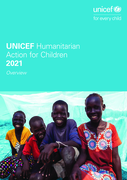
This edition of UNICEF’s annual Humanitarian Action for Children highlights UNICEF’s funding appeal, which sets out an ambitious agenda to address the major challenges facing children and young people living through conflict and crisis. It prese
...
nts the investments needed in 2021 to save their lives and protect their futures.
more
As this report shows,
reports of child abuse and of children
witnessing violence between their
parents and caregivers have increased.
Ending violence against children is
increasingly within our
...
reach. D
more
