
Filter
5811
Text search:
Ministry
of
Health
and
Population
Featured
410
1918
Language
5583
144
68
60
59
37
22
16
9
8
5
4
4
4
3
3
3
2
2
2
2
1
1
1
1
1
1
1
1
1
1
1
1
1
1
1
1
1
1
1
1
1
1
1
1
Document type
3357
1015
605
298
256
94
80
78
14
7
4
1
1
Countries
334
250
243
211
186
182
164
158
140
138
132
124
119
115
107
95
87
86
77
67
63
63
61
61
61
60
55
49
47
47
46
46
43
38
36
36
32
29
27
27
26
25
25
25
21
19
19
18
18
17
17
17
15
15
15
15
15
14
13
13
12
12
11
11
11
11
10
10
10
9
9
9
8
7
7
6
6
5
5
5
5
5
5
5
5
5
5
4
4
4
4
4
4
4
4
4
4
4
3
3
3
3
3
3
3
3
3
2
2
2
2
2
2
2
2
2
2
2
2
2
2
2
2
2
2
1
1
1
1
1
1
1
1
1
1
1
1
1
1
1
1
1
1
1
1
1
Authors & Publishers
652
190
179
171
150
113
103
69
51
48
43
41
38
38
38
36
29
27
27
27
27
27
26
26
25
24
24
22
22
21
20
19
19
18
18
18
18
17
17
17
17
16
16
16
16
16
16
16
16
15
15
14
14
14
14
14
14
13
13
13
13
12
12
12
12
12
12
12
12
12
12
12
11
11
10
10
10
10
10
10
9
9
9
9
9
9
9
8
8
8
8
8
8
8
8
8
8
8
7
7
7
7
7
7
7
7
7
7
7
7
7
7
7
7
6
6
6
6
6
6
6
6
6
6
6
6
6
6
6
6
6
6
6
6
6
6
6
6
6
5
5
5
5
5
5
5
5
5
5
5
5
5
5
5
5
5
5
5
5
5
5
5
5
5
5
5
5
5
5
5
5
5
5
5
5
5
5
5
5
5
5
5
5
5
5
5
5
5
5
5
5
4
4
4
4
4
4
4
4
4
4
4
4
4
4
4
4
4
4
4
4
4
4
4
4
4
4
4
4
4
4
4
4
4
4
4
4
4
4
4
4
4
4
4
4
4
4
4
4
4
4
4
4
4
4
4
4
4
4
4
4
4
4
4
4
4
4
4
4
4
4
4
4
4
4
4
4
4
4
3
3
3
3
3
3
3
3
3
3
3
3
3
3
3
3
3
3
3
3
3
3
3
3
3
3
3
3
3
3
3
3
3
3
3
3
3
3
3
3
3
3
3
3
3
3
3
3
3
3
3
3
3
3
3
3
3
3
3
3
3
3
3
3
3
3
3
3
3
3
3
3
3
3
3
3
3
3
3
3
3
3
3
3
3
3
3
3
3
3
3
3
3
3
3
3
3
3
3
3
3
3
3
3
3
3
3
3
3
3
3
3
3
3
3
3
3
3
3
3
3
3
3
3
3
2
2
2
2
2
2
2
2
2
2
2
2
2
2
2
2
2
2
2
2
2
2
2
2
2
2
2
2
2
2
2
2
2
2
2
2
2
2
2
2
2
2
2
2
2
2
2
2
2
2
2
2
2
2
2
2
2
2
2
2
2
2
2
2
2
2
2
2
2
2
2
2
2
2
2
2
2
2
2
2
2
2
2
2
2
2
2
2
2
2
2
2
2
2
2
2
2
2
2
2
2
2
2
2
2
2
2
2
2
2
2
2
2
2
2
2
2
2
2
2
2
2
2
2
2
2
2
2
2
2
2
2
2
2
2
2
2
2
2
2
2
2
2
2
2
2
2
2
2
2
2
2
2
2
2
2
2
2
2
2
2
2
2
2
2
2
2
2
2
2
2
2
2
2
2
2
2
2
2
2
2
2
2
2
2
2
2
2
2
2
2
2
2
2
2
2
2
2
2
2
2
2
2
2
2
2
2
2
2
2
2
2
2
2
2
2
2
2
2
2
2
2
2
2
2
2
2
2
2
2
2
2
2
2
2
2
2
2
2
2
2
2
2
2
2
2
2
2
2
2
2
2
2
2
2
2
2
2
2
2
2
2
2
2
2
2
2
2
2
2
2
2
2
2
2
2
2
2
2
2
2
2
1
1
1
1
1
1
1
1
1
1
1
1
1
1
1
1
1
1
1
1
1
1
1
1
1
1
1
1
1
1
1
1
1
1
1
1
1
1
1
1
1
1
1
1
1
1
1
1
1
1
1
1
1
1
1
1
1
1
1
1
1
1
1
1
1
1
1
1
1
1
1
1
1
1
1
1
1
1
1
1
1
1
1
1
1
1
1
1
1
1
1
1
1
1
1
1
1
1
1
1
1
1
1
1
1
1
1
1
1
1
1
1
1
1
1
1
1
1
1
1
1
1
1
1
1
1
1
1
1
1
1
1
1
1
1
1
1
1
1
1
1
1
1
1
1
1
1
1
1
1
1
1
1
1
1
1
1
1
1
1
1
1
1
1
1
1
1
1
1
1
1
1
1
1
1
1
1
1
1
1
1
1
1
1
1
1
1
1
1
1
1
1
1
1
1
1
1
1
1
1
1
1
1
1
1
1
1
1
1
1
1
1
1
1
1
1
1
1
1
1
1
1
1
1
1
1
1
1
1
1
1
1
1
1
1
1
1
1
1
1
1
1
1
1
1
1
1
1
1
1
1
1
1
1
1
1
1
1
1
1
1
1
1
1
1
1
1
1
1
1
1
1
1
1
1
1
1
1
1
1
1
1
1
1
1
1
1
1
1
1
1
1
1
1
1
1
1
1
1
1
1
1
1
1
1
1
1
1
1
1
1
1
1
1
1
1
1
1
1
1
1
1
1
1
1
1
1
1
1
1
1
1
1
1
1
1
1
1
1
1
1
1
1
1
1
1
1
1
1
1
1
1
1
1
1
1
1
1
1
1
1
1
1
1
1
1
1
1
1
1
1
1
1
1
1
1
1
1
1
1
1
1
1
1
1
1
1
1
1
1
1
1
1
1
1
1
1
1
1
1
1
1
1
1
1
1
1
1
1
1
1
1
1
1
1
1
1
1
1
1
1
1
1
1
1
1
1
1
1
1
1
1
1
1
1
1
1
1
1
1
1
1
1
1
1
1
1
1
1
1
1
1
1
1
1
1
1
1
1
1
1
1
1
1
1
1
1
1
1
1
1
1
1
1
1
1
1
1
1
1
1
1
1
1
1
1
1
1
1
1
1
1
1
1
1
1
1
1
1
1
1
1
1
1
1
1
1
1
1
1
1
1
1
1
1
1
1
1
1
1
1
1
1
1
1
1
1
1
1
1
1
1
1
1
1
1
1
1
1
1
1
1
1
1
1
1
1
1
1
1
1
1
1
1
1
1
1
1
1
1
1
1
1
1
1
1
1
1
1
1
1
1
1
1
1
1
1
1
1
1
1
1
1
1
1
1
1
1
1
1
1
1
1
1
1
1
1
1
1
1
1
1
1
1
1
1
1
1
1
1
1
1
1
1
1
1
1
1
1
1
1
1
1
1
1
1
1
1
1
1
1
1
1
1
1
1
1
1
1
1
1
1
1
1
1
1
1
1
1
1
1
1
1
1
1
1
1
1
1
1
1
1
1
1
1
1
1
1
1
1
1
1
1
1
1
1
1
1
1
1
1
1
1
1
1
1
1
1
1
1
1
1
1
1
1
1
1
1
1
1
1
1
1
1
1
1
1
1
1
1
1
1
1
1
1
1
1
1
1
1
1
1
1
1
1
1
1
1
1
1
1
1
1
1
1
1
1
1
1
1
1
1
1
1
1
1
1
1
1
1
1
1
1
1
1
1
1
1
1
1
1
1
1
1
1
1
1
1
1
1
1
1
1
1
1
1
1
1
1
1
1
1
1
1
1
1
1
1
1
1
1
1
1
1
1
1
1
1
1
1
1
1
1
1
1
1
1
1
1
1
1
1
1
1
1
1
1
1
1
1
1
1
1
1
1
1
1
1
1
1
1
1
1
1
1
1
1
1
1
1
1
1
1
1
1
1
1
1
1
1
1
1
1
1
1
1
1
1
1
1
1
1
1
1
1
1
1
1
1
1
1
1
1
1
1
1
1
1
1
1
1
1
1
1
1
1
1
1
1
1
1
1
1
1
1
1
1
1
1
1
1
1
1
1
1
1
1
1
1
1
1
1
1
1
1
1
1
1
1
1
1
1
1
1
1
1
1
1
1
1
1
1
1
1
1
1
1
1
1
1
1
1
1
1
1
1
1
1
1
1
1
1
1
1
1
1
1
1
1
1
1
1
1
1
1
1
1
1
1
1
1
1
1
1
1
1
1
1
1
1
1
1
1
1
1
1
1
1
1
1
1
1
1
1
1
1
1
1
1
1
1
1
1
1
1
1
1
1
1
1
1
1
1
1
1
1
1
1
1
1
1
1
1
1
1
1
1
1
1
1
1
1
1
1
1
1
1
1
1
1
1
1
1
1
1
1
1
1
1
1
1
1
1
1
1
1
1
1
1
1
1
1
1
1
1
1
1
1
1
1
1
1
1
1
1
1
1
1
1
1
1
1
1
1
1
1
1
1
1
1
1
1
1
1
1
1
1
1
1
1
1
1
1
1
1
1
1
1
1
1
1
1
1
1
1
1
1
1
1
1
1
1
1
1
1
1
1
1
1
1
1
1
1
1
1
1
1
1
1
1
1
1
1
1
1
1
1
1
1
1
1
1
1
1
1
1
1
1
1
1
1
1
1
1
1
1
1
1
1
1
1
1
1
1
1
1
1
1
1
1
1
1
1
1
1
1
1
1
1
1
1
1
1
1
1
1
1
1
1
1
1
1
1
1
1
1
1
1
1
1
1
1
1
1
1
1
1
1
1
1
1
1
1
1
1
1
1
1
1
1
1
1
1
1
1
1
1
1
1
1
1
1
1
1
1
1
1
1
1
1
1
1
1
1
1
1
1
1
1
1
1
1
1
1
1
1
1
1
1
1
1
1
1
1
1
1
1
1
1
1
1
1
1
1
1
1
1
1
1
1
1
1
1
1
1
1
1
1
1
1
1
1
1
1
1
1
1
1
1
1
1
1
1
1
1
1
1
1
1
1
1
1
1
1
1
1
1
1
1
1
1
1
1
1
1
1
1
1
1
1
1
1
1
1
1
1
1
1
1
1
1
1
1
1
1
1
1
1
1
1
1
1
1
1
1
1
1
1
1
1
1
1
1
1
1
1
1
1
1
1
1
1
1
1
1
1
1
1
1
1
1
1
1
1
1
1
1
1
1
1
1
1
1
1
1
1
1
1
1
1
1
1
1
1
1
1
1
1
1
1
1
1
1
1
1
1
1
1
1
1
1
1
1
1
1
1
1
1
1
1
1
1
1
1
1
1
1
1
1
1
1
1
1
1
1
1
1
1
1
1
1
1
1
1
1
1
1
1
1
1
1
1
1
1
1
1
1
1
1
1
1
1
1
1
1
1
1
1
1
1
1
1
1
1
1
1
1
1
1
1
1
1
1
1
1
1
1
1
1
1
1
1
1
1
1
1
1
1
1
1
1
1
1
1
1
1
1
1
1
1
1
1
1
1
1
1
1
1
1
1
1
1
1
1
1
1
1
1
1
1
1
1
1
1
1
1
1
1
1
1
1
1
1
1
1
1
1
1
1
1
1
1
1
1
1
1
1
1
1
1
1
1
1
1
1
1
1
1
1
1
1
1
1
1
1
1
1
1
1
1
1
1
1
1
1
1
1
1
1
1
1
1
1
1
1
1
1
1
1
1
1
1
1
1
1
1
1
1
1
1
1
1
1
1
1
1
1
1
1
1
1
1
1
1
1
1
1
1
1
1
1
1
1
1
1
1
1
1
1
1
1
1
1
1
1
1
1
1
1
1
1
1
1
1
1
1
1
1
1
1
1
1
1
1
1
1
1
1
1
1
1
1
1
1
1
1
1
1
1
1
1
1
1
1
1
1
1
1
1
1
1
1
1
1
1
1
1
1
1
1
1
1
1
1
1
1
1
1
1
1
1
1
1
1
1
1
1
1
1
1
1
1
1
1
1
1
1
1
1
1
1
1
1
1
1
1
1
1
1
1
1
1
1
1
1
1
1
1
1
1
1
1
1
1
1
1
1
1
1
1
1
1
1
1
1
1
1
1
1
1
1
1
1
1
1
1
1
1
1
1
1
1
1
1
1
1
1
1
1
1
1
1
1
1
1
1
1
1
1
1
1
1
1
1
1
1
1
1
1
1
1
1
1
1
1
1
1
1
1
1
1
1
1
1
1
1
1
1
1
1
1
1
1
1
1
1
1
1
1
1
1
1
1
1
1
1
1
1
1
1
1
1
1
1
1
1
1
1
1
1
1
1
1
1
1
1
1
1
1
1
1
1
1
1
1
1
1
1
1
1
1
1
1
1
1
1
1
1
1
1
1
1
1
1
1
1
1
1
1
1
1
1
1
1
1
1
1
1
1
1
1
1
1
1
1
1
1
1
1
1
1
1
1
1
1
1
1
1
1
1
1
1
1
1
1
1
1
1
1
1
1
1
1
1
1
1
1
1
1
1
1
1
1
1
1
1
1
1
1
1
1
1
1
1
1
1
1
1
1
1
1
1
1
1
1
1
1
1
1
1
1
1
1
1
1
1
1
1
1
1
1
1
1
1
1
1
1
1
1
1
1
1
1
1
1
1
1
1
1
1
1
1
1
1
1
1
1
1
1
1
1
1
1
1
1
1
1
1
1
1
1
1
1
1
1
1
1
1
1
1
1
1
1
1
1
1
1
1
1
1
1
1
1
1
1
1
1
1
1
1
1
1
1
1
1
1
1
1
1
1
1
1
1
1
1
1
1
1
1
1
1
1
1
1
1
1
1
1
1
1
1
1
1
1
1
1
1
1
1
1
1
1
1
1
1
1
1
1
1
1
1
1
1
1
1
1
1
1
1
1
1
1
1
1
1
1
1
1
1
1
1
1
1
1
1
1
1
1
1
1
1
1
1
1
1
1
1
1
1
1
1
1
1
1
1
1
1
1
1
1
1
1
1
1
1
1
1
1
1
1
1
1
1
1
1
1
1
1
1
1
1
1
1
1
1
1
1
1
1
1
1
1
1
1
1
1
1
1
1
1
1
1
1
1
1
1
1
1
1
1
1
1
1
1
1
1
1
1
1
1
1
1
1
1
1
1
1
1
1
1
1
1
1
1
1
1
1
1
1
1
1
1
1
1
1
1
1
1
1
1
1
1
1
1
1
1
1
1
1
1
1
1
1
1
1
1
1
1
1
1
1
1
1
1
1
1
1
1
1
1
1
1
1
1
1
1
1
1
1
1
1
1
1
1
1
1
1
1
1
1
1
1
1
1
1
1
1
1
1
1
1
1
1
1
1
1
1
1
1
1
1
1
1
1
1
1
1
1
1
1
1
1
1
1
1
1
1
1
1
1
1
1
1
1
1
1
1
1
1
1
1
1
1
1
1
1
1
1
1
1
1
1
1
1
1
1
1
1
1
1
1
1
1
1
1
1
1
1
1
1
1
1
1
1
1
1
1
1
1
1
1
1
1
1
1
1
1
1
1
1
1
1
1
1
1
1
1
1
1
1
1
1
1
1
1
1
1
1
1
1
1
1
1
1
1
1
1
1
1
1
1
1
1
1
1
1
1
1
1
1
1
1
1
1
1
1
1
1
1
1
1
1
1
1
1
1
1
1
1
1
1
1
1
1
1
1
1
1
1
1
1
1
1
1
1
1
1
1
1
1
1
1
1
1
1
1
1
1
1
1
1
1
1
1
1
1
1
1
1
1
1
1
1
1
1
1
1
1
1
1
1
1
1
1
1
1
1
1
1
1
1
1
1
1
1
1
1
1
1
1
1
1
1
1
1
1
1
1
1
1
1
1
1
1
1
1
1
1
1
1
1
1
1
1
1
1
1
1
1
1
1
1
1
1
1
1
1
1
1
1
1
1
1
1
1
1
1
1
1
1
1
1
1
1
1
1
1
1
1
1
1
1
1
1
1
1
1
1
1
1
1
1
1
1
1
1
1
1
1
1
1
1
1
1
1
1
1
1
1
1
1
1
1
1
1
1
1
1
1
1
1
1
1
1
1
1
1
1
1
1
1
1
1
1
1
1
1
1
1
1
1
1
1
1
1
1
1
1
1
1
1
1
1
1
1
1
1
1
1
1
1
1
1
1
1
1
1
1
1
1
1
1
1
1
1
1
1
1
1
1
1
1
1
1
1
1
1
1
1
1
1
1
1
1
1
1
1
1
1
1
1
1
1
1
1
1
1
1
1
1
1
1
1
1
1
1
1
1
1
1
1
1
1
1
1
1
1
1
1
1
1
1
1
1
1
1
1
1
1
1
1
1
1
1
1
1
1
1
1
1
1
1
1
1
1
1
1
1
1
1
1
1
1
1
1
1
1
1
1
1
1
1
1
1
1
1
1
1
1
1
1
1
1
1
1
1
1
1
1
1
1
1
1
1
1
1
1
1
1
1
1
1
1
1
1
1
1
1
1
1
1
1
1
1
1
1
1
1
1
1
1
1
1
1
1
1
1
1
1
1
1
1
1
1
1
1
1
1
1
1
1
1
1
1
1
1
1
1
1
1
1
1
1
1
1
1
1
1
1
1
1
1
1
1
1
1
1
1
1
1
1
1
1
1
1
1
1
1
1
1
1
1
1
1
1
1
1
1
1
1
1
1
1
1
1
1
1
1
1
1
1
1
1
1
1
1
1
1
1
1
1
1
1
1
1
1
1
1
1
1
1
1
1
1
1
1
1
1
1
1
1
1
1
1
1
1
1
1
1
1
1
1
1
1
1
1
1
1
1
1
1
1
1
1
1
1
1
1
1
1
1
1
1
1
1
1
1
1
1
1
1
1
1
1
1
1
1
1
1
1
1
1
1
1
1
1
1
1
1
1
1
1
1
1
1
1
1
1
1
1
1
1
1
1
1
1
1
1
1
1
1
1
1
1
1
1
1
1
1
1
1
1
1
1
1
1
1
1
1
1
1
1
1
1
1
1
1
1
1
1
1
1
1
1
1
1
1
1
1
1
1
1
1
1
1
1
1
1
1
1
1
1
1
1
1
1
1
1
1
1
1
1
1
1
1
1
1
1
1
1
1
1
1
1
1
1
1
1
1
1
1
1
1
1
1
1
1
1
1
1
1
1
1
1
1
1
1
1
1
1
1
1
1
1
1
1
1
1
1
1
1
1
1
1
1
1
1
1
1
1
1
1
1
1
1
1
1
1
1
1
1
1
1
1
1
1
1
1
1
1
1
1
1
1
1
1
1
1
1
1
1
1
1
1
1
1
1
1
1
1
1
1
1
1
1
1
1
1
1
1
1
1
1
1
1
1
1
1
1
1
1
1
1
1
1
1
1
1
1
1
1
1
1
1
1
1
1
1
1
1
1
1
1
1
1
1
1
1
1
1
1
1
1
1
1
1
1
1
1
1
1
1
1
1
1
1
1
1
1
1
1
1
1
1
1
1
1
1
1
1
1
1
1
1
1
1
1
1
1
1
1
1
1
1
1
1
1
1
1
1
1
1
1
1
1
1
1
1
1
1
1
1
1
1
1
1
1
1
1
1
1
1
1
1
1
1
1
1
1
1
1
1
1
1
1
1
1
1
1
1
1
1
1
1
1
1
1
1
1
1
1
1
1
1
1
1
1
1
1
1
1
1
1
1
1
1
1
1
1
1
1
1
1
1
1
1
1
1
1
1
1
1
1
1
1
1
1
1
1
1
1
1
1
1
1
1
1
1
1
1
1
1
1
1
1
1
1
1
1
1
1
1
1
1
1
1
1
1
1
1
1
1
1
1
1
1
1
1
1
1
1
1
1
1
1
1
1
1
1
1
1
1
1
1
1
1
1
1
1
1
1
1
1
1
1
1
1
1
1
1
1
1
1
1
1
1
1
1
1
1
1
1
1
1
1
1
1
1
1
1
1
1
1
1
1
1
1
1
1
1
1
1
1
1
1
1
1
1
1
1
1
1
1
1
1
1
1
1
1
1
1
1
1
1
1
1
1
1
1
1
1
1
1
1
1
1
1
1
1
1
1
1
1
1
1
1
1
1
1
1
1
1
1
1
1
1
1
1
1
1
1
1
1
1
1
1
1
1
1
1
1
1
1
1
1
Publication Years
1592
3732
464
21
2
Category
3103
301
278
273
240
86
29
3
Toolboxes
370
311
256
220
198
183
171
149
147
129
118
114
104
90
87
81
79
71
67
64
45
35
25
19
12
7
2
Policy Research Working Paper 6100 | Impact Evaluation Series No. 60 | This study examines the effect of performance incentives for health care providers to provide more
...
and higher quality care in Rwanda on child health outcomes. The authors find that the incentives had a large and significant effect on the weight-for-age of children 0–11 months and on the height-for-age of children 24–49 months. They attribute this improvement to increases in the use and quality of prenatal and postnatal care. Consistent with theory, They find larger effects of incentives on services where monetary rewards and the marginal return to effort are higher. The also find that incentives reduced the gap between provider knowledge and practice of appropriate clinical procedures by 20 percent, implying a large gain in efficiency. Finally, they find evidence of a strong complementarity between performance incentives and provider skill .
more

While the full effects of COVID-19 remain unknown, the pandemic continues to profoundly impact regional migration and mobility dynamics, with deep health
...
, social and economic consequences for the most vulnerable, including migrants, displaced populations and their host communities, and returnees.
more
This publication presents a comprehensive methodology to support the Member States of the Pan American Health Organization (PAHO) in preparing for and
...
responding to heat-health risks in the Region of the Americas. It builds on World Health Organization and the World Meteorological Organization global documents, as well as on the disaster preparedness methodologies employed throughout the countries of the Region. This publication is part of an effort coordinated by PAHO to support Member States in multihazard preparedness, and includes: early warning system strengthening; threat characterization; activation and deactivation procedure definition; and institutional coordination. It engages different disciplines and recognizes the importance of intersectoral collaboration to respond to heat-health risks. It aims to bring awareness of the impacts of heat on the health of people of the Americas to public health decisionmakers, and thereby strengthen health service provision.
more

Health system resilience is not an inevitable byproduct of any investment in health but must be intentionally programmed
...
and developed with necessary input, investment and contextualization. This technical product aims to guide national, subnational, and global health actors to operationalize the concept of health system resilience for advancement of universal health coverage, health security and ultimately better health for all. It supports the translation of relevant conceptual guidance and high-level recommendations into practical actions.
The specific objectives are to:
present a concise overview of the concept of health system resilience;
provide a roadmap outlining practical and foundational steps for building health system resilience to be adapted to different contexts;
share examples of actions and tools, including stakeholder roles, to support country application of the roadmap.
The target audience for this work is the various stakeholders involved in strengthening health systems and public health including management of emergencies (from prevention and preparedness to response and recovery) and other public health challenges in countries. This ranges from the donors, policy-makers and decision-makers at global, national and subnational levels to the implementing institutions and line managers of health system functions and services across the health system building blocks.
more

The document “Public Health Surveillance for Cholera – Guidance Document (2024)” provides practical recommendations for countries on how to design, implement, and strengthen cholera surveillan
...
ce systems. Developed by the Global Task Force on Cholera Control (GTFCC), it outlines the minimum requirements for detecting, confirming, reporting, and monitoring cholera cases and outbreaks.
The guidance explains the core functions of cholera surveillance, including case detection, laboratory testing (such as RDTs, culture, and PCR), routine data collection, outbreak notification, case and field investigation, data analysis, and performance monitoring. It also describes how surveillance strategies should be adapted depending on whether a country is experiencing no outbreak, clustered transmission, or community transmission.
Overall, the document aims to help countries establish adaptive, fit-for-purpose surveillance systems that enable early outbreak detection, guide timely response measures, and support long-term cholera control and elimination efforts.
more
The report summarizes key global health expenditure patterns and trends, and illustrates the potential
...
of the new database to inform thinking about financing reforms to progress towards UHC, and also raises issues for further research. It analyses the following areas:
more

The 2020 Report analyzes global health spending for 190 countries from 2000 to 2018 and provides insights as to the health spending trajectory from
...
the MDG era to the SDG era prior to the crisis of 2020. The report shows that global spending on health continually rose between 2000 and 2018 and reached US$ 8.3 trillion or 10% of global GDP. The data also show that out-of-pocket spending has remained high in low and lower-middle income countries, representing greater than 40% of total health spending in 2018. We also report and summarize the data on expenditures for PHC, as well as by disease and intervention, including for immunization. The report also analyzes the available data on budget allocation in response to the COVID-19 crisis. In addition, we combine World Bank/IMF projections of the macroeconomic and fiscal impact of the crisis with an analysis of the historical determinants of health spending patterns and UHC indicators, and based on this, we draw out the likely implications of 2020 for future health spending, highlighting key policy and monitoring concerns.
more

Saving lives is the priority of WHO’s response in Ukraine. WHO works to ensure time-critical, lifesaving multisectoral assistance, non-discriminatory access to emergency and essential
...
health services and priority prevention programmes, and laying the foundation for longer-term health systems recovery and strengthening.
more

Benchmarking is a strategic process often used by businesses and institutes to standardize performance in relation to the best practices of their sector. The World
...
Health Organization (WHO) and partners have developed a tool with a list of benchmarks and corresponding suggested actions that can be applied to implement the International Health Regulations 2005 (IHR) and strengthen health emergency prevention, preparedness, response and resilience capacities.
The first edition of the benchmarks was published in 2019 to support countries in developing, implementing and documenting progress of national IHR or health security plans (e.g. national action plan for health security (NAPHS), national action plan for emerging infectious diseases, public health emergencies and health security and other country level plans for health emergencies). The tool has been updated to incorporate lessons from COVID-19 and other health emergencies, to align with the updated IHR monitoring & evaluation framework (IHR MEF) tools and the health systems for health security framework, and to support strengthening health emergency prevention, preparedness, response and resilience (HEPR) capacities and the Preparedness and Resilience for Emerging Threats (PRET) initiative.
more
A key purpose of the Recovery Toolkit is to support countries in the reactivation of health services which may have suffered as a result
...
of the emergency. These services include ongoing programmes such as immunization and vaccinations, maternal and child health services, and noncommunicable diseases.
more
The Demographic Dividend study on Rwanda assessed the socio-economic and human development potential of our country in the short, medium and long-t
...
erm period using a comprehensive approach. It generated relevant policy and programme information to guide a well-informed polciy required to propel Rwanda towards achieving its aspirations of being high middle income country by 2035 and high income country by 2050.
The primary objectives of this study were to assess Rwanda’s prospects for harnessing the demographic dividend and demonstrate priority policy and programme options that the country should adopt in order to optimise its chances of earning a maximum demographic dividend in the context of its youthful population and medium, long-term socio-economic development aspirations.
more
The Health Systems in Transition (HiT) series consists of country-based reviews that provide a detailed description of a
...
health system and of reform and policy initiatives in progress or under development in a specific country.
more
The Councils share a common mandate of ensuring persons practising health related professions in Namibia are suitably qualified. Registration with the Councils is, thus, a pre-requisite for professi
...
onal practice – and it is also a legal requirement too update personal details of all registered healthcare practitioners. The target of the Councils as per the five-year strategic plan (2020/2025) is to register and enrol twenty-four thousand six hundred and fourteen (24 614) healthcare practitioners by the 2021/2022 financial year. The Councils have significantly delivered on this mandate by registering and enrolling a total of twenty-six thousand six hundred and eighty-one (26 681) healthcare practitioners.
more
Policy Note #3: Myanmar Health Systems in Transition Policy Notes Series
A network of basic health facilities has been established in each ... of the 330 townships, covering both rural and urban areas. For the vast majority of Myanmar’s people, particularly the 70% who reside in rural areas, the township health system (THS) is the only government-funded source of preventive, promotive and curative services.
To achieve the national policy objective of progressing towards universal health coverage (UHC) through a primary health-care approach by 2030, the THS is critical to success. It is responsible for the bulk of health care delivery – particularly in rural areas – and is at the heart of national health development in Myanmar. However, if the THS is to be the backbone of health care provision, it currently suffers from a severe case of osteoporosis. more
A network of basic health facilities has been established in each ... of the 330 townships, covering both rural and urban areas. For the vast majority of Myanmar’s people, particularly the 70% who reside in rural areas, the township health system (THS) is the only government-funded source of preventive, promotive and curative services.
To achieve the national policy objective of progressing towards universal health coverage (UHC) through a primary health-care approach by 2030, the THS is critical to success. It is responsible for the bulk of health care delivery – particularly in rural areas – and is at the heart of national health development in Myanmar. However, if the THS is to be the backbone of health care provision, it currently suffers from a severe case of osteoporosis. more

“Guide to facilitate the implementation of the WHO/UNICEF “Guidance on developing a national deployment and vaccination plan for COVID-19 vaccines” for Africa
t contains action-oriented lists
...
of critical topics to address and checklists tailored to the context of African Union Member States.
The contents of this guide aim to guide the development of one comprehensive national deployment and vaccination plan, as proposed and outlined by the guidance – and underlines the need for countries to develop their vaccination plans.
This guide is not meant as a tool to assess deployment readiness. The recommendation to Member States is to use the VIRAT/VRAF 2.0 tool for that, which builds on the COVAX Vaccine Introduction Readiness Assessment Tool (VIRAT) and the World Bank’s Vaccine Readiness Assessment Framework (VRAF).
more

Refugee Health
recommended
An approach to emergency situations. Relief workers face rapidly changing and complex environments, new disease patterns, enormous humanitarian needs and relatively limited resources. The authors
...
of this book use their experience in the area to produce an operational manual of the issues involved in refugee health programs. This book is aimed at professionals involved in public health assistance to refugees and displaced persons. It deals with a variety of specific refugee health issues at the decisional level, and discusses the priorities of intervention during the different phases of a refugee crisis, from emergency to repatriation.
more

The report reflects on the trends, achievements and challenges in global health over the past decade during which Dr Margaret Chan has been Director-General
...
of WHO. It discusses the role of WHO in dealing with such issues as the rise of noncommunicable diseases, leaps in life expectancy, and emerging threats like climate change and antimicrobial resistance.
more
more
The key aim of this guideline is to present recommendations based on a critical evaluation of the evidence on emerging digital health intervention
...
s that are contributing to health system improvements, based on an assessment of the benefits, harms, acceptability, feasibility, resource use and equity considerations.
This guideline urges readers to recognize that digital health interventions are not a substitute for functioning health systems, and that there are significant limitations to what digital health is able to address
more
The humanitarian-development-peace nexus (HDPNX) is a new way of working that offers a framework for coherent joined-up planning and implementation
...
of shared priorities between humanitarian development and peacebuilding actors in emergency settings. To advance the HDPNx in a given country a shared foundational understanding of the current situation is needed. However it can be challenging to find such a resource perpetuating poor understanding planning and operationalization. This is one of a series of country profiles that have been developed by WHO to address that need. Each profile provides an overview of health-related nexus efforts in the country and will be updated regularly.
more
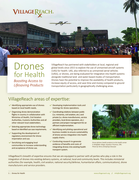
VillageReach recommended
the drone company Swoop Aero to the civil aviation authority in DRC. In
summer 2019, Swoop Aero conducted a series of test and demonstration
drone flights to deliver vacc
...
ines, syringes, medicines and other supplies from
Mbandaka town to the village of Widjifake, which is six hours away by road,
but 20 minutes by drone.
more
