
Filter
4140
Text search:
global
health
security
Featured
353
1110
Language
3966
137
111
69
62
45
31
26
6
5
5
4
3
3
3
3
3
3
3
2
2
2
2
2
2
2
1
1
1
1
1
1
1
1
1
1
1
1
1
1
1
1
1
1
1
1
1
1
1
1
1
1
1
1
1
Document type
1898
970
506
266
257
96
70
52
11
5
3
3
1
1
Countries
274
122
113
102
101
100
86
81
80
77
72
63
62
60
59
56
54
53
50
48
45
44
42
39
36
33
32
32
31
30
30
29
28
26
25
25
24
23
23
22
22
21
19
19
18
18
18
17
17
16
15
15
15
15
14
14
13
13
12
11
11
10
10
10
9
9
7
7
7
7
6
6
6
5
5
5
5
5
5
5
5
4
4
4
4
4
3
3
3
3
3
3
3
3
3
3
3
2
2
2
2
2
2
2
2
2
2
2
2
2
2
2
2
2
2
2
2
2
1
1
1
1
1
1
1
1
1
1
1
1
1
1
1
1
1
1
1
1
1
1
1
1
1
1
1
Authors & Publishers
555
133
118
104
93
89
52
49
49
45
29
23
23
23
22
22
21
21
21
21
21
20
20
20
19
18
18
17
17
17
15
15
15
14
14
13
13
13
13
13
12
12
12
12
11
11
11
11
11
11
10
10
10
10
10
10
10
10
9
9
9
9
9
9
9
9
9
8
8
8
8
8
8
8
7
7
7
7
7
7
7
6
6
6
6
6
6
6
6
6
6
6
6
6
6
6
6
6
6
6
6
5
5
5
5
5
5
5
5
5
5
5
5
5
5
5
5
5
5
5
5
5
5
5
5
5
5
5
4
4
4
4
4
4
4
4
4
4
4
4
4
4
4
4
4
4
4
4
4
4
4
4
4
4
4
4
4
4
4
4
4
4
4
4
4
4
4
4
4
4
4
4
3
3
3
3
3
3
3
3
3
3
3
3
3
3
3
3
3
3
3
3
3
3
3
3
3
3
3
3
3
3
3
3
3
3
3
3
3
3
3
3
3
3
3
3
3
3
3
3
3
3
3
3
3
3
3
3
3
3
3
3
3
3
3
3
3
3
3
3
3
3
3
3
3
3
3
3
3
3
3
3
3
3
3
3
3
3
3
3
3
3
3
3
3
3
3
3
3
3
3
3
3
3
2
2
2
2
2
2
2
2
2
2
2
2
2
2
2
2
2
2
2
2
2
2
2
2
2
2
2
2
2
2
2
2
2
2
2
2
2
2
2
2
2
2
2
2
2
2
2
2
2
2
2
2
2
2
2
2
2
2
2
2
2
2
2
2
2
2
2
2
2
2
2
2
2
2
2
2
2
2
2
2
2
2
2
2
2
2
2
2
2
2
2
2
2
2
2
2
2
2
2
2
2
2
2
2
2
2
2
2
2
2
2
2
2
2
2
2
2
2
2
2
2
2
2
2
2
2
2
2
2
2
2
2
2
2
2
2
2
2
2
2
2
2
2
2
2
2
2
2
2
2
2
2
2
2
2
2
2
2
2
2
2
2
2
2
2
2
2
2
2
2
2
2
2
2
2
2
2
2
2
2
2
2
2
2
2
2
2
2
2
2
2
2
2
2
2
2
2
2
2
2
2
2
2
2
2
2
2
2
2
2
2
2
1
1
1
1
1
1
1
1
1
1
1
1
1
1
1
1
1
1
1
1
1
1
1
1
1
1
1
1
1
1
1
1
1
1
1
1
1
1
1
1
1
1
1
1
1
1
1
1
1
1
1
1
1
1
1
1
1
1
1
1
1
1
1
1
1
1
1
1
1
1
1
1
1
1
1
1
1
1
1
1
1
1
1
1
1
1
1
1
1
1
1
1
1
1
1
1
1
1
1
1
1
1
1
1
1
1
1
1
1
1
1
1
1
1
1
1
1
1
1
1
1
1
1
1
1
1
1
1
1
1
1
1
1
1
1
1
1
1
1
1
1
1
1
1
1
1
1
1
1
1
1
1
1
1
1
1
1
1
1
1
1
1
1
1
1
1
1
1
1
1
1
1
1
1
1
1
1
1
1
1
1
1
1
1
1
1
1
1
1
1
1
1
1
1
1
1
1
1
1
1
1
1
1
1
1
1
1
1
1
1
1
1
1
1
1
1
1
1
1
1
1
1
1
1
1
1
1
1
1
1
1
1
1
1
1
1
1
1
1
1
1
1
1
1
1
1
1
1
1
1
1
1
1
1
1
1
1
1
1
1
1
1
1
1
1
1
1
1
1
1
1
1
1
1
1
1
1
1
1
1
1
1
1
1
1
1
1
1
1
1
1
1
1
1
1
1
1
1
1
1
1
1
1
1
1
1
1
1
1
1
1
1
1
1
1
1
1
1
1
1
1
1
1
1
1
1
1
1
1
1
1
1
1
1
1
1
1
1
1
1
1
1
1
1
1
1
1
1
1
1
1
1
1
1
1
1
1
1
1
1
1
1
1
1
1
1
1
1
1
1
1
1
1
1
1
1
1
1
1
1
1
1
1
1
1
1
1
1
1
1
1
1
1
1
1
1
1
1
1
1
1
1
1
1
1
1
1
1
1
1
1
1
1
1
1
1
1
1
1
1
1
1
1
1
1
1
1
1
1
1
1
1
1
1
1
1
1
1
1
1
1
1
1
1
1
1
1
1
1
1
1
1
1
1
1
1
1
1
1
1
1
1
1
1
1
1
1
1
1
1
1
1
1
1
1
1
1
1
1
1
1
1
1
1
1
1
1
1
1
1
1
1
1
1
1
1
1
1
1
1
1
1
1
1
1
1
1
1
1
1
1
1
1
1
1
1
1
1
1
1
1
1
1
1
1
1
1
1
1
1
1
1
1
1
1
1
1
1
1
1
1
1
1
1
1
1
1
1
1
1
1
1
1
1
1
1
1
1
1
1
1
1
1
1
1
1
1
1
1
1
1
1
1
1
1
1
1
1
1
1
1
1
1
1
1
1
1
1
1
1
1
1
1
1
1
1
1
1
1
1
1
1
1
1
1
1
1
1
1
1
1
1
1
1
1
1
1
1
1
1
1
1
1
1
1
1
1
1
1
1
1
1
1
1
1
1
1
1
1
1
1
1
1
1
1
1
1
1
1
1
1
1
1
1
1
1
1
1
1
1
1
1
1
1
1
1
1
1
1
1
1
1
1
1
1
1
1
1
1
1
1
1
1
1
1
1
1
1
1
1
1
1
1
1
1
1
1
1
1
1
1
1
1
1
1
1
1
1
1
1
1
1
1
1
1
1
1
1
1
1
1
1
1
1
1
1
1
1
1
1
1
1
1
1
1
1
1
1
1
1
1
1
1
1
1
1
1
1
1
1
1
1
1
1
1
1
1
1
1
1
1
1
1
1
1
1
1
1
1
1
1
1
1
1
1
1
1
1
1
1
1
1
1
1
1
1
1
1
1
1
1
1
1
1
1
1
1
1
1
1
1
1
1
1
1
1
1
1
1
1
1
1
1
1
1
1
1
1
1
1
1
1
1
1
1
1
1
1
1
1
1
1
1
1
1
1
1
1
1
1
1
1
1
1
1
1
1
1
1
1
1
1
1
1
1
1
1
1
1
1
1
1
1
1
1
1
1
1
1
1
1
1
1
1
1
1
1
1
1
1
1
1
1
1
1
1
1
1
1
1
1
1
1
1
1
1
1
1
1
1
1
1
1
1
1
1
1
1
1
1
1
1
1
1
1
1
1
1
1
1
1
1
1
1
1
1
1
1
1
1
1
1
1
1
1
1
1
1
1
1
1
1
1
1
1
1
1
1
1
1
1
1
1
1
1
1
1
1
1
1
1
1
1
1
1
1
1
1
1
1
1
1
1
1
1
1
1
1
1
1
1
1
1
1
1
1
1
1
1
1
1
1
1
1
1
1
1
1
1
1
1
1
1
1
1
1
1
1
1
1
1
1
1
1
1
1
1
1
1
1
1
1
1
1
1
1
1
1
1
1
1
1
1
1
1
1
1
1
1
1
1
1
1
1
1
1
1
1
1
1
1
1
1
1
1
1
1
1
1
1
1
1
1
1
1
1
1
1
1
1
1
1
1
1
1
1
1
1
1
1
1
1
1
1
1
1
1
1
1
1
1
1
1
1
1
1
1
1
1
1
1
1
1
1
1
1
1
1
1
1
1
1
1
1
1
1
1
1
1
1
1
1
1
1
1
1
1
1
1
1
1
1
1
1
1
1
1
1
1
1
1
1
1
1
1
1
1
1
1
1
1
1
1
1
1
1
1
1
1
1
1
1
1
1
1
1
1
1
1
1
1
1
1
1
1
1
1
1
1
1
1
1
1
1
1
1
1
1
1
1
1
1
1
1
1
1
1
1
1
1
1
1
1
1
1
1
1
1
1
1
1
1
1
1
1
1
1
1
1
1
1
1
1
1
1
1
1
1
1
1
1
1
1
1
1
1
1
1
1
1
1
1
1
1
1
1
1
1
1
1
1
1
1
1
1
1
1
1
1
1
1
1
1
1
1
1
1
1
1
1
1
1
1
1
1
1
1
1
1
1
1
1
1
1
1
1
1
1
1
1
1
1
1
1
1
1
1
1
1
1
1
1
1
1
1
1
1
1
1
1
1
1
1
1
1
1
1
1
1
1
1
1
1
1
1
1
1
1
1
1
1
1
1
1
1
1
1
1
1
1
1
1
1
1
1
1
1
1
1
1
1
1
1
1
1
1
1
1
1
1
1
1
1
1
1
1
1
1
1
1
1
1
1
1
1
1
1
1
1
1
1
1
1
1
1
1
1
1
1
1
1
1
1
1
1
1
1
1
1
1
1
1
1
1
1
1
1
1
1
1
1
1
1
1
1
1
1
1
1
1
1
1
1
1
1
1
1
1
1
1
1
1
1
1
1
1
1
1
1
1
1
1
1
1
1
1
1
1
1
1
1
1
1
1
1
1
1
1
1
1
1
1
1
1
1
1
1
1
1
1
1
1
1
1
1
1
1
1
1
1
1
1
1
1
1
1
1
1
1
1
1
1
1
1
1
1
1
1
1
1
1
1
1
1
1
1
1
1
1
1
1
1
1
1
1
1
1
1
1
1
1
1
1
1
1
1
1
1
1
1
1
1
1
1
1
1
1
1
1
1
1
1
1
1
1
1
1
1
1
1
1
1
1
1
1
1
1
1
1
1
1
1
1
1
1
1
1
1
1
1
1
1
1
1
1
1
1
1
1
1
1
1
1
1
1
1
1
1
1
1
1
1
1
1
1
1
1
1
1
1
1
1
1
1
1
1
1
1
1
1
1
1
1
1
1
1
1
1
1
1
1
1
1
1
1
1
1
1
1
1
1
1
1
1
1
1
1
1
1
1
1
1
1
1
1
1
1
1
1
1
1
1
1
1
1
1
1
1
1
1
1
1
1
1
1
1
1
1
1
1
1
1
1
1
1
1
1
1
1
1
1
1
1
1
1
1
1
1
1
1
1
1
1
1
1
1
1
1
1
1
1
1
1
1
1
1
1
1
1
1
1
1
1
1
1
1
1
1
1
1
1
1
1
1
1
1
1
1
1
1
1
1
1
1
1
1
1
1
1
1
1
1
1
1
1
1
1
1
1
1
1
1
1
1
1
1
1
1
1
1
1
1
1
1
1
1
1
1
1
1
1
1
1
1
1
1
1
1
1
1
1
1
1
1
1
1
1
1
1
1
1
1
1
1
1
1
1
1
1
1
1
1
1
1
1
1
1
1
1
1
1
1
1
1
1
1
1
1
1
1
1
1
1
1
1
1
1
1
1
1
1
1
1
1
1
1
1
1
1
1
1
1
1
1
1
1
1
1
1
1
1
1
1
1
1
1
1
1
1
1
1
1
1
1
1
1
1
1
1
1
1
1
1
1
1
1
1
1
1
1
1
1
1
1
1
1
1
1
1
1
1
1
1
1
1
1
1
1
1
1
1
1
1
1
1
1
1
1
1
1
1
1
1
1
1
1
1
1
1
1
1
1
1
1
1
1
1
1
1
1
1
1
1
1
1
1
1
1
1
1
1
1
1
1
1
1
1
1
1
1
1
1
1
1
1
1
1
1
1
1
1
1
1
1
1
1
1
1
1
1
1
1
1
1
1
1
1
1
1
1
1
1
1
1
1
1
1
1
1
1
1
1
1
1
1
1
1
1
1
1
1
1
1
1
1
1
1
1
1
1
1
1
1
1
1
1
1
1
1
1
1
1
1
1
1
1
1
1
1
1
1
1
1
1
1
1
1
1
1
1
1
1
1
1
1
1
1
1
1
1
1
1
1
1
1
1
1
1
1
1
1
1
1
1
1
1
1
1
1
1
1
1
1
1
1
1
1
1
1
1
1
1
1
1
1
1
1
1
1
1
1
1
1
1
1
1
1
1
1
1
1
1
1
1
1
1
1
1
1
1
1
1
1
1
1
1
1
1
1
1
1
1
1
1
1
1
1
1
1
1
1
1
1
1
1
1
1
1
1
1
1
1
1
1
1
1
1
1
1
1
1
1
1
1
1
1
1
1
1
1
1
1
1
1
1
1
1
1
1
1
1
1
1
1
1
1
1
1
1
1
1
1
1
1
1
1
1
1
1
1
1
1
1
1
1
1
1
1
1
1
1
1
1
1
1
1
1
1
1
1
1
1
1
1
1
1
1
1
1
1
1
1
1
1
1
1
1
1
1
1
1
1
1
1
1
1
1
1
1
1
1
1
1
1
1
1
1
1
1
1
1
1
1
1
1
1
1
1
1
1
1
1
1
1
1
1
1
1
1
1
1
1
1
1
1
1
1
1
1
1
1
1
1
1
1
1
1
1
1
1
1
1
1
1
1
1
1
1
1
1
1
1
1
1
1
1
1
1
1
1
1
1
1
1
1
1
1
1
1
1
1
1
1
1
1
1
1
1
1
1
1
1
1
1
1
1
1
1
1
1
1
1
1
1
1
1
1
1
1
1
1
1
1
1
1
1
1
1
1
1
1
1
1
1
1
1
1
1
1
1
1
1
1
1
1
1
1
1
1
1
1
1
1
1
1
1
1
1
1
1
1
1
1
1
1
1
1
1
1
1
1
1
1
1
1
1
1
1
1
1
1
1
1
1
1
1
1
1
1
1
1
1
1
1
1
1
1
1
1
1
1
1
1
1
1
1
1
1
1
1
1
1
1
1
1
1
1
1
1
1
1
1
1
1
1
1
1
1
1
1
1
1
1
1
1
1
1
1
1
1
1
1
1
1
1
1
1
1
1
1
1
1
1
1
1
1
1
1
1
1
1
1
1
1
1
1
1
1
1
1
1
1
1
1
1
1
1
1
1
1
1
1
1
1
1
1
1
1
1
1
1
1
1
1
1
1
1
1
1
1
1
1
1
1
1
1
1
1
1
1
1
1
1
1
1
1
1
1
1
1
1
1
1
1
1
1
1
1
1
1
1
1
1
1
1
1
1
1
1
1
1
1
1
1
1
1
1
1
1
1
1
1
1
1
1
1
1
1
1
1
1
1
1
1
1
1
1
1
1
1
1
1
1
1
1
1
1
1
1
1
1
1
1
1
1
1
1
1
1
1
1
1
1
1
1
1
1
1
1
1
1
1
1
1
1
1
1
1
1
1
1
1
1
1
1
1
1
1
1
1
1
1
1
1
1
1
1
1
1
Publication Years
1
1574
2305
251
8
1
Category
1470
428
210
196
139
65
20
Toolboxes
427
323
248
237
158
143
142
142
142
139
120
115
104
93
85
76
62
43
41
36
32
31
20
20
18
3
1
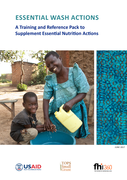
The Essential WASH Actions toolkit expands the connection between WASH and nutrition. This resource offers a comprehensive set of essential WASH actions, references training materials for health workers, nutrition managers and community workers to b
...
uild capacity, and outlines accompanying behaviors needed to support the Essential Nutrition Actions.
more

This publication integrates human rights principles into measuring HIV service effectiveness, ensuring accountability for equity and health. It focuses on reducing stigma, removing punitive laws, and ensuring access to care for key populations, aimi
...
ng to achieve 2030 targets.
more

Thirty years ago, the United Nations General Assembly adopted the Convention on the Rights of the Child at a moment of rapid global change marked by the end of apartheid, the fall of the Berlin Wall and the birth of the World Wide Web. These develop
...
ments and more brought momentous and lasting evolution, as well as a sense of renewal and hope for future generations. In a reflection of that hopeful spirit, the Convention has since become the most widely ratified human rights treaty in history.
more

Kenya reported its first case of COVID-19 on 12 March 2020 and, as at 7 April 2020, 172 cases had been confirmed and 6 deaths reported. The Government of Kenya has taken a number of measures to curb the spread of the virus, including implementing a curfew, restricting movement out and into four coun
...
ties, including Nairobi Metropolitan, and closing most of the urban and rural markets to enforce social distancing. However, these measures, along with the global economic shock caused by the pandemic, are expected to generate new needs, requiring an immediate and urgent response.
more

This is a short technical brief with important steps and resources on how country programs can track and address rumors around COVID-19 (as needed). The guide includes a number of great resources and links while also sharing nuggets from global, col
...
lective thinking around rumors.
more
The main objective of this guidance is to provide scientific advice on public health principles and considerations for infection and prevention control of COVID-19 in migrant and refugee reception and detention centres in the European Union and Euro
...
pean Economic Area (EU/EEA) and the United Kingdom (UK).
more
This briefing pack serves this purpose by sharing RCCE/humanitarian coordination experience from country level, feedback from global consultations and addressing frequently asked questions. In parallel, the RCCE Core Group has been working to revise
...
the RCCE Collective Service Strategy. Where possible, we have tried to integrate feedback from relevant stakeholders into this document.
more
This article analyzes the impact of the COVID-19 pandemic on foreign aid. Using examples from Canadian foreign aid, it argues that, despite the terrible toll it is exacting, the crisis has accelerated some significant positive pre-existing trends, both by destabilizing the perception of aid as flowi
...
ng essentially from the Global North to Global South and by reinforcing awareness of the importance of joint efforts for global public goods and humanitarian assistance, as well as debt relief. However, it has also reinforced potentially harmful self-interested justifications for aid, which could align assistance more with donors’ priorities than the needs of the poor
more

ICTC’s 2022-2030 strategic plan spans the critical period running to the end of 2030, the year by which we are striving to achieve the elimination of trachoma as a public health problem. This strategic plan is in alignment with the NTD road map, E
...
nding the neglect to attain the Sustainable Development Goals: a road map for neglected tropical diseases 2021−2030.
more
Lessons learned around RCCE in outbreak responses in East and Southern Africa recognise the need to learn from and strengthen national and cross-border collaboration in the face of frequent public health emergencies. In October 2023, One
...
Health partners conducted a Simulation Exercise in the Mandera region between Ethiopia, Kenya, and Somalia to test cross-border readiness. One of the key recommendations from this workshop was that current and future agreements, plans, and SOPs on One Health Emergency Preparedness and Response (EPR) in all three countries should include RCCE for cross-border situations.
more
The report showed commitments made three decades ago to protect the rights of children remain unfulfilled for millions. Violence still affects countless children. Discrimination based on age, gender, disability, sexual orientation and religion harms children worldwide.
Key factors include a lack
...
of investment in critically important services. Most countries fall well short of spending the 5-6% of GDP needed to ensure universal coverage of essential health care. And foreign aid, which many lower income countries rely on, is falling short in areas such as health, education, protection and child care.
Another factor, the report said, is the lack of quality data. Governments tend to rely on data that reflects national averages, making it difficult to identify the needs of specific children and to monitor progress. Comprehensive data collection and disaggregation of data by gender, age, disability and locality, are increasingly important as rights violations disproportionately affect disadvantaged children.
more
As the number of transboundary pest and animal and foodborne disease outbreaks rises, so does the number of people who are chronically hungry due to these and other factors. The correlation can be explained by the link between our health and that of
...
the planet. We rely on land and sea for the production of safe and quality foods for our daily nourishment. Pests and disease epidemics negatively impact the quality, quantity and safety of our food sources, and cripple economic growth and efficiencies in production. Furthermore, the epidemic and endemic levels of the pathogens and disease vectors can be difficult to control. This is why FAO stresses and promotes the special efforts required for cost-effective preventive measures rather than the more expensive control, disinfestation, treatment and disposal measures. When preventive measures are late or difficult, preparedness and contingency plans must be in place to enable rapid response. Early warning systems, based on close monitoring, surveillance, and timely reporting are fundamental to warn and empower communities to safeguard their livelihoods and assets by enhancing disease and pest prevention measures and for government services to take immediate measures to protect communities and national economies.
more
There are indigenous communities at high risk in every country of the region. At stake are the lives of 45 million people who belong to more than 800 indigenous peoples. Of these, some 100 are spread across several countries, around 200 maintain voluntary isolation or are in initial contact, and nea
...
rly 500 are at risk of disappearing due to their reduced numbers. Due to their lower immune resistance, their lack of access to hospital care and the increasing penetration of extractive activities in their territories, indigenous communities in voluntary isolation or in initial contact are cause for particular concern.
Far from hospitals and the news cameras, indigenous people in Latin American become ill and die without access to the means needed to protect themselves. They face the pandemic in conditions of social exclusion, racism and discrimination, which highlights historical inequalities and extreme precariousness in basic and health services.
more

The document is a comprehensive practical guide for managing cholera epidemics. It includes detailed instructions on outbreak investigation, control measures, case management, and the organization of treatment facilities. It emphasizes strategies such as rehydration therapy, water sanitation, hygien
...
e promotion, and vaccination to prevent the spread of cholera. The guide serves as a resource for healthcare professionals, logisticians, and public health officials to respond effectively to cholera outbreaks.
more

This report analyses the intersection of HIV, COVID-19 and public debt in developing countries. The collision between COVID-19 and a crippling debt crisis have reversed decades of progress - putting present and future investments in health and HIV a
...
t risk. Pragmatic options to address the pandemic triad are proposed.
more
For the estimated 20 million refugees and 25 million internally displaced people worldwide, well-planned settlements can help to maximise their protection and security, and support them to minimise the spread of disease, manage natural resources sus
...
tainably, and maintain good relations with their hosts until durable solutions to their displacement are achieved.
The result of extensive consultations with a wide range of specialist organisations, this book takes a holistic view of shelter for displaced populations, extending beyond refugee camps to consider support for all of the settlement and shelter options open to displaced people. It offers co-ordinators and specialists a common planning tool which links strategy, programmes, projects, and technical information for use in the field
more
Guide to community engagement in WASH
recommended
A practioner's guide, based on lessons from Ebola.
This guide is a compilation of best practices and key lessons learned through Oxfam’s experience of community engagement during the 2014–15 Ebola response in Sierra Leone and Liberia. It aims to inform public
...
health practitioners and programme teams about the design and implementation of community-centred approaches
more
The Vision 2020 is a reflection of our aspiration and determination as Rwandans, to construct a united, democratic and inclusive Rwandan identity, after so many years of authoritarian and exclusivist dispensation. We aim, through this Vision, to transform our country into middle - income nation in w
...
hich Rwandans are healthier, educated and generally more prosperous. The Rwanda we seek is one that is united and competitive both regionally and globally. To achieve this, the Vision 2020 identifies six interwoven pillars, including good governance and an efficient State, skilled human capital, vibrant private sector, world class physical infrastructure and modern agriculture and livestock, all geared towards prospering in national, regional and global markets.
more
The Second Economic Development and Poverty Reduction Strategy (EDPRS 2) is a launch into the home strait of our Vision 2020. We are faced with new challenges of ensuring greater self reliance and developing global competitiveness. Conscious of thes
...
e challenges, we forge ahead knowing that working together, we always overcome.
The EDPRS 2 period is the time when our private sector is expected to take the driving seat in economic growth and poverty reduction. Through this strategy we will focus government efforts on transforming the economy, the private sector and alleviating constraints to growth of
investment. We will develop the appropriate skills and competencies to allow our people particularly the youth to become more productive and competitive to support our ambitions. We will also strengthen the platform for communities to engage decisively and to continue to develop home grown solutions that have been the bedrock of our success. These are fundamental principles as we work to improve the lives of all Rwandans in the face of an uncertain global economic environment.
more
Since the introduction of penicillin in the early twentieth century, antimicrobial treatments have been utilized not only in human medicine but also in veterinary care – initially to ward off diseases, prevent post-surgery infections, and treat sick farm animals.
...
Global food production has intensified over the past 50 years due to economic expansion and popu-lation growth. The use of antimicrobials in agriculture – in livestock, fish farming, and even on crops – has grown as well. Antimicrobials are not only used as medicines, but are sometimes also added in low concentrations to animal feed as a way of stimulating growth.
more
