
Filter
2876
Text search:
alternative
communication
Featured
345
784
Language
2712
181
47
32
25
23
18
16
6
6
6
5
5
5
5
4
4
4
4
4
3
3
3
3
3
3
3
3
3
3
2
2
2
2
2
1
1
1
1
1
1
1
1
1
1
1
1
1
1
1
1
1
1
1
1
1
1
Document type
1532
477
365
229
122
80
36
24
5
3
2
1
Countries
121
101
72
66
64
63
62
53
50
49
49
48
48
47
40
35
35
33
33
32
31
29
23
22
21
20
19
18
17
16
15
14
14
14
14
14
13
12
12
12
12
11
11
10
10
10
10
9
9
9
8
8
7
7
7
6
6
6
6
6
6
6
5
5
4
4
4
4
3
3
3
2
2
2
2
2
2
2
2
2
2
2
2
2
2
2
2
1
1
1
1
1
1
1
1
1
1
1
1
1
1
1
1
1
1
1
1
1
1
1
1
1
1
1
1
1
1
1
1
Authors & Publishers
379
103
81
77
68
55
53
39
34
32
24
18
17
17
16
16
16
16
14
14
14
14
13
13
13
12
12
12
11
11
11
11
10
10
10
10
10
10
10
10
9
9
9
8
8
8
8
8
8
8
7
7
7
7
7
7
7
7
7
7
6
6
6
6
6
6
6
6
6
6
6
6
6
6
6
6
5
5
5
5
5
5
5
5
5
5
5
5
5
5
4
4
4
4
4
4
4
4
4
4
4
4
4
4
4
4
4
4
4
4
4
4
4
4
4
4
4
4
4
4
4
4
4
4
3
3
3
3
3
3
3
3
3
3
3
3
3
3
3
3
3
3
3
3
3
3
3
3
3
3
3
3
3
3
3
3
3
3
3
3
3
3
3
3
3
3
3
3
3
3
3
3
3
3
2
2
2
2
2
2
2
2
2
2
2
2
2
2
2
2
2
2
2
2
2
2
2
2
2
2
2
2
2
2
2
2
2
2
2
2
2
2
2
2
2
2
2
2
2
2
2
2
2
2
2
2
2
2
2
2
2
2
2
2
2
2
2
2
2
2
2
2
2
2
2
2
2
2
2
2
2
2
2
2
2
2
2
2
2
2
2
2
2
2
2
2
2
2
2
2
2
2
2
2
2
2
2
2
2
2
2
2
2
2
2
2
2
2
2
2
2
2
2
2
2
2
2
2
2
2
2
2
2
2
2
2
2
2
2
2
2
2
2
2
2
2
2
2
2
2
2
2
2
2
2
2
2
2
2
2
2
2
2
2
2
2
2
2
2
2
2
2
2
2
2
2
2
2
2
2
1
1
1
1
1
1
1
1
1
1
1
1
1
1
1
1
1
1
1
1
1
1
1
1
1
1
1
1
1
1
1
1
1
1
1
1
1
1
1
1
1
1
1
1
1
1
1
1
1
1
1
1
1
1
1
1
1
1
1
1
1
1
1
1
1
1
1
1
1
1
1
1
1
1
1
1
1
1
1
1
1
1
1
1
1
1
1
1
1
1
1
1
1
1
1
1
1
1
1
1
1
1
1
1
1
1
1
1
1
1
1
1
1
1
1
1
1
1
1
1
1
1
1
1
1
1
1
1
1
1
1
1
1
1
1
1
1
1
1
1
1
1
1
1
1
1
1
1
1
1
1
1
1
1
1
1
1
1
1
1
1
1
1
1
1
1
1
1
1
1
1
1
1
1
1
1
1
1
1
1
1
1
1
1
1
1
1
1
1
1
1
1
1
1
1
1
1
1
1
1
1
1
1
1
1
1
1
1
1
1
1
1
1
1
1
1
1
1
1
1
1
1
1
1
1
1
1
1
1
1
1
1
1
1
1
1
1
1
1
1
1
1
1
1
1
1
1
1
1
1
1
1
1
1
1
1
1
1
1
1
1
1
1
1
1
1
1
1
1
1
1
1
1
1
1
1
1
1
1
1
1
1
1
1
1
1
1
1
1
1
1
1
1
1
1
1
1
1
1
1
1
1
1
1
1
1
1
1
1
1
1
1
1
1
1
1
1
1
1
1
1
1
1
1
1
1
1
1
1
1
1
1
1
1
1
1
1
1
1
1
1
1
1
1
1
1
1
1
1
1
1
1
1
1
1
1
1
1
1
1
1
1
1
1
1
1
1
1
1
1
1
1
1
1
1
1
1
1
1
1
1
1
1
1
1
1
1
1
1
1
1
1
1
1
1
1
1
1
1
1
1
1
1
1
1
1
1
1
1
1
1
1
1
1
1
1
1
1
1
1
1
1
1
1
1
1
1
1
1
1
1
1
1
1
1
1
1
1
1
1
1
1
1
1
1
1
1
1
1
1
1
1
1
1
1
1
1
1
1
1
1
1
1
1
1
1
1
1
1
1
1
1
1
1
1
1
1
1
1
1
1
1
1
1
1
1
1
1
1
1
1
1
1
1
1
1
1
1
1
1
1
1
1
1
1
1
1
1
1
1
1
1
1
1
1
1
1
1
1
1
1
1
1
1
1
1
1
1
1
1
1
1
1
1
1
1
1
1
1
1
1
1
1
1
1
1
1
1
1
1
1
1
1
1
1
1
1
1
1
1
1
1
1
1
1
1
1
1
1
1
1
1
1
1
1
1
1
1
1
1
1
1
1
1
1
1
1
1
1
1
1
1
1
1
1
1
1
1
1
1
1
1
1
1
1
1
1
1
1
1
1
1
1
1
1
1
1
1
1
1
1
1
1
1
1
1
1
1
1
1
1
1
1
1
1
1
1
1
1
1
1
1
1
1
1
1
1
1
1
1
1
1
1
1
1
1
1
1
1
1
1
1
1
1
1
1
1
1
1
1
1
1
1
1
1
1
1
1
1
1
1
1
1
1
1
1
1
1
1
1
1
1
1
1
1
1
1
1
1
1
1
1
1
1
1
1
1
1
1
1
1
1
1
1
1
1
1
1
1
1
1
1
1
1
1
1
1
1
1
1
1
1
1
1
1
1
1
1
1
1
1
1
1
1
1
1
1
1
1
1
1
1
1
1
1
1
1
1
1
1
1
1
1
1
1
1
1
1
1
1
1
1
1
1
1
1
1
1
1
1
1
1
1
1
1
1
1
1
1
1
1
1
1
1
1
1
1
1
1
1
1
1
1
1
1
1
1
1
1
1
1
1
1
1
1
1
1
1
1
1
1
1
1
1
1
1
1
1
1
1
1
1
1
1
1
1
1
1
1
1
1
1
1
1
1
1
1
1
1
1
1
1
1
1
1
1
1
1
1
1
1
1
1
1
1
1
1
1
1
1
1
1
1
1
1
1
1
1
1
1
1
1
1
1
1
1
1
1
1
1
1
1
1
1
1
1
1
1
1
1
1
1
1
1
1
1
1
1
1
1
1
1
1
1
1
1
1
1
1
1
1
1
1
1
1
1
1
1
1
1
1
1
1
1
1
1
1
1
1
1
1
1
1
1
1
1
1
1
1
1
1
1
1
1
1
1
1
1
1
1
1
1
1
1
1
1
1
1
1
1
1
1
1
1
1
1
1
1
1
1
1
1
1
1
1
1
1
1
1
1
1
1
1
1
1
1
1
1
1
1
1
1
1
1
1
1
1
1
1
1
1
1
1
1
1
1
1
1
1
1
1
1
1
1
1
1
1
1
1
1
1
1
1
1
1
1
1
1
1
1
1
1
1
1
1
1
1
1
1
1
1
1
1
1
1
1
1
1
1
1
1
1
1
1
1
1
1
1
1
1
1
1
1
1
1
1
1
1
1
1
1
1
1
1
1
1
1
1
1
1
1
1
1
1
1
1
1
1
1
1
1
1
1
1
1
1
1
1
1
1
1
1
1
1
1
1
1
1
1
1
1
1
1
1
1
1
1
1
1
1
1
1
1
1
1
1
1
1
1
1
1
1
1
1
1
1
1
1
1
1
1
1
1
1
1
1
1
1
1
1
1
1
1
1
1
1
1
1
1
1
1
1
1
1
1
1
1
1
1
1
1
1
1
1
1
1
1
1
1
1
1
1
1
1
1
1
1
1
1
1
1
1
1
1
1
1
1
1
1
1
1
1
1
1
1
1
1
1
1
1
1
1
1
1
1
1
1
1
1
1
1
1
1
1
1
1
1
1
1
1
1
1
1
1
1
1
1
1
1
1
1
1
1
1
1
1
1
1
1
1
1
1
1
1
1
1
1
1
1
1
1
1
1
1
1
1
1
1
1
1
1
1
1
1
1
1
1
1
1
1
1
1
1
1
1
1
1
1
1
1
1
1
1
1
1
1
1
1
1
1
1
1
1
1
1
1
1
1
1
1
1
1
1
1
1
1
1
1
1
1
1
1
1
1
1
1
1
1
1
1
1
1
1
1
1
1
1
1
1
1
1
1
1
1
1
1
1
1
1
1
1
1
1
1
1
1
1
1
1
1
1
1
1
1
1
1
1
1
1
1
1
1
1
1
1
1
1
1
1
1
1
1
1
1
1
1
1
1
1
1
1
1
1
1
1
1
1
1
1
1
1
1
1
1
1
1
1
1
1
1
1
1
1
1
1
1
1
1
1
1
1
1
1
1
1
1
1
1
1
1
1
1
1
1
1
1
1
1
1
1
1
1
1
1
1
1
1
1
1
1
1
1
1
1
1
1
1
1
1
1
1
1
1
1
1
1
1
1
1
1
1
1
1
1
1
1
1
1
1
1
1
1
1
1
1
1
1
1
1
1
1
1
1
1
1
1
1
1
1
1
1
1
1
1
1
1
1
1
1
1
1
1
1
1
1
1
1
1
1
1
1
1
1
1
1
1
1
1
1
1
1
1
1
1
1
1
1
1
1
1
1
1
1
1
1
1
1
1
1
1
1
1
1
1
1
1
1
1
1
1
1
1
1
1
1
1
1
1
1
1
1
1
1
1
1
1
1
1
1
1
1
1
1
1
1
1
1
1
1
1
1
1
1
1
1
1
1
1
1
1
1
1
1
1
1
1
1
1
1
1
1
1
1
1
1
1
1
1
1
1
1
1
1
1
1
1
1
1
1
1
1
1
1
1
1
1
1
1
1
1
1
1
1
1
1
1
1
1
1
1
1
1
1
1
1
1
1
1
1
1
1
1
1
1
1
1
1
1
1
1
1
1
1
1
1
1
1
1
1
1
1
1
1
1
1
1
1
1
1
1
1
1
1
1
1
1
1
1
1
1
1
1
1
1
1
1
1
1
1
1
1
1
1
1
1
1
1
1
1
1
1
1
1
1
1
1
1
1
1
1
1
1
1
1
1
1
1
1
1
1
1
1
1
1
1
1
1
1
1
1
1
1
1
1
1
1
1
1
1
1
1
1
1
1
1
1
1
1
1
1
1
1
1
1
1
1
1
1
1
1
1
1
1
1
1
1
1
1
1
1
1
1
1
1
1
1
1
1
1
1
1
1
1
1
1
1
1
1
1
1
1
1
1
1
1
1
1
1
1
1
1
1
1
1
1
1
1
1
1
1
1
1
1
1
1
1
1
1
1
1
1
1
1
1
1
1
1
1
1
1
1
1
1
1
1
1
1
1
1
1
1
1
1
1
1
1
1
1
1
1
1
1
1
1
1
1
1
1
1
1
1
1
1
1
1
1
1
1
1
1
1
1
1
1
1
1
1
1
1
1
1
1
1
1
1
1
1
1
1
1
1
1
1
1
1
1
1
1
1
1
1
1
1
1
1
1
1
1
1
1
1
1
1
1
1
1
1
1
1
1
1
1
1
1
1
1
1
1
Publication Years
830
1727
297
21
1
Category
1032
248
198
195
150
79
32
Toolboxes
299
258
187
119
93
91
85
78
69
69
69
68
66
56
40
39
38
32
22
21
17
16
14
14
11
3
1

Almost 25% of deaths worldwide could be prevented if the actions in the compendium were fully implemented
This compendium provides a systematic compilation of published guidance from WHO and other UN organizations on health and environment. Guidance on policies and actions as well as awareness rais
...
ing and capacity building interventions is presented for all major areas of health and environment. Guidance referring to priority settings for action such as cities and other urban settlements, housing, workplaces and health care facilities is also listed.
For greater practical relevance, each guidance is classified according to principally involved sectors, level of implementation and instruments for implementation.
The compilation of guidance for each area of health and environment or priority setting for action is accompanied, as available, by information on main sources, exposure assessment and existing guideline values. Important tools and further resources are presented alongside.
more

The framework sets out a response to current mental health challenges arising from the negative impact that the COVID-19 pandemic has had on population mental health and well-being. The EFAMH provides a coherent basis for intensified efforts to mainstream, promote and safeguard mental well-being as
...
an integral element of COVID-19 response and recovery; to counter the stigma and discrimination associated with mental health conditions;
more
Orientations provisoires 19 juillet 2021
This document aims to support those working in primary care to strengthen IPC, informed by existing WHO IPC guidance and implementation resources. Many of the existing WHO IPC guidance and implementation resources initially developed for acute health care facilities have a potential utility for IPC
...
in primary care. However, navigating these resources to locate relevant content for IPC in primary care can be challenging as some documents can span over 100 pages. This document extracts relevant content, bringing together existing WHO IPC standards, indicators and implementation approaches that are focused on, or directly relevant to IPC in primary care. It should also be used to identify resources suitable for use in primary care that can be embedded within relevant IPC or other health programmes.
more

The coronavirus disease 2019 (COVID-19) pandemic has created a global and gendered crisis that is compounding existing inequalities and disproportionately affecting girls and women. Emerging evidence from the COVID-19 crisis in 2020 shows school closures, disruptions in essential services and rising
...
poverty contributed to girls’ increased risk of female genital mutilation (FGM). School closures limited the monitoring and reporting of cases of FGM. Rising household monetary poverty may have contributed to families adopting negative coping mechanisms, including having girls undergo FGM as a precursor to marriage to reduce household costs. A report from the United Nations Population Fund (UNFPA) estimates 2 million additional cases of FGM by 2030 due to the pandemic.
more

The 10 recommendations in the COP26 Special Report on Climate Change and Health propose a set of priority actions from the global health community to governments and policy makers, calling on them to act with urgency on the current climate and health crises.
The recommendations were developed in
...
consultation with over 150 organizations and 400 experts and health professionals. They are intended to inform governments and other stakeholders ahead of the 26th Conference of the Parties (COP26) of the United Nations Framework Convention on Climate Change (UNFCCC) and to highlight various opportunities for governments to prioritize health and equity in the international climate movement and sustainable development agenda. Each recommendation comes with a selection of resources and case studies to help inspire and guide policymakers and practitioners in implementing the suggested solutions
more
HIV drug resistance strategies focus on prevention through adherence and treatment optimization, surveillance to monitor resistance trends, and innovation in new drugs and diagnostics. Key approaches include implementing national action plans, strengthening laboratory capacity for monitoring, and pr
...
oviding comprehensive care, especially for vulnerable populations
more

The EAPC White Paper addresses the issue of spiritual care education for all palliative care
professionals. It is to guide health care professionals involved in teaching or training of palliative care and spiritual care; stakeholders, leaders and decision makers responsible for training and educati
...
on; as well as national and local curricula development groups.
The EAPC white paper points out the importance of spiritual care as an integral part of palliative care and suggests incorporating it accordingly into educational activities and training models in palliative care. The revised spiritual care education competencies for all palliative care providers are accompanied by the best practice models and research evidence, at the same time being sensitive towards different develop-ment stages of the palliative care services across the European region.
Conclusions: Better education can help the healthcare practitioner to avoid being distracted by their own fears, prejudices, and restraints and attend to the patient and his/her family. This EAPC white paper encourages and facilitates high quality, multi-disciplinary, academically and financially accessible spiritual care education to all
palliative care staff.
more

This report is the first of its kind. It brings together various data sets to present the current status of hand hygiene, highlight lagging progress, and call governments and supporting agencies to action, offering numerous inspiring examples of change.
During the COVID-19 pandemic, hand hygiene
...
received unprecedented attention and became a central pillar in national COVID prevention strategies. However, concern with hand hygiene should not only be as temporary public health measure in times of crisis, but as a vital everyday behaviour that contributes to health and economic resilience. Hand hygiene is a highly cost-effective investment, providing outsized health benefits for relatively little cost.
Despite efforts to promote hand hygiene, the rates of access to hand hygiene facilities remain stubbornly low. If current rates of progress continue, by the end of the SDG era in 2030, 1.9 billion people will still lack facilities to wash their hands at home.
This report presents a compelling case for investment in five key ‘accelerators’ as a pathway towards achieving hand hygiene for all – governance, financing, capacity development, data and information, and innovation. These accelerators are identified under the UN-Water SDG 6 Global Acceleration Framework.
more
The second edition of the joint WHO, WIPO and WTO
publication “Promoting Access to Medical Technologies
and Innovation: Intersections between public health,
intellectual property and trade” (the Trilateral Study),*
published in 2020, included a special insert mappi
...
ng the
challenges posed by the COVID-19 pandemic in relation
to the integrated health, trade and IP policy framework set
out in the study. The Trilateral Study and the special insert
were designed to serve as background reference for policy-
makers in the widest sense – lawmakers, government
officials, delegates to international organizations, non-
governmental organizations (NGOs) and researchers
who seek a comprehensive presentation of the full range
of issues, including institutions and legal concepts with
which they may be unfamiliar. It is also designed to serve
as a factual resource for the three organizations’ technical
cooperation activities.
This update revises the information contained in that
insert in the light of more recent developments as of
30 August 2021. Further updates will be made to reflect
subsequent developments.
more
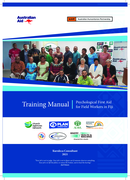
This Fiji contextualized manual was initially drafted for CANDO partners as a result of the work done by the humanitarian arms of the various Christian denominations. However as the work progressed it became evidently clear that the training was needed for all responders, and not only Christian resp
...
onders, and as such, the Christian component has been added as an Annex to this manual, whilst the entire manual is relevant and can be used to train all first responders in Fiji.
more
This report sets out the compelling case for repurposing harmful agricultural producer support to reverse this situation, by optimizing the use of scarce public resources, strengthening economic recovery from the COVID-19 pandemic, and ultimately driving a food systems transformation that can suppor
...
t global sustainable development commitments.
more
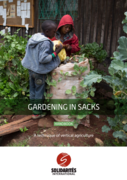
You are currently intervening or wishing to intervene in a dense urban context to
respond to issues of food security and improve livelihood conditions? This handbook
is for you!
Following the evaluation of all of its sack-gardening projects, SOLIDARITÉS
INTERNATIONAL (SI) wished to formalise
...
its experience through this technical
handbook.
NGOs, including SI, are increasingly led to intervene in contexts of high density (whether
in camps or in slums): this handbook is thus set within this dynamic.
It provides the keys for assessing the relevance of a sack-gardening project, as well as
the tools for its implementation. Nonetheless, all methodologies and tools proposed
in this handbook shall be further contextualised in case of a replication of this project.
more

Drug Distribution and Control: Preparation and Handling
This Technical Assistance Bulletin is intended to assist pharmacists in the extemporaneous compounding of non-sterile drug products for individual patients. Included in this document is information on facilities and equipment, ingredient
...
selection, training, documentation and record keeping, stability and beyond-use dating, packaging and labeling, and limited batch compounding. This document is not intended for manufacturers or licensed repackagers.
more

The European Resuscitation Council Guidelines for Resuscitation provide specific instructions for how resuscitation should be practiced and take into account ease of teaching and learning, as well as the science. They were developed by Europeans and have been specifically written with European pract
...
ice in mind.
more
For humanitarian organisations to respond effectively to complex crises, they require access to up-to-date evidence-based guidance. The COVID-19 crisis has highlighted the importance of updating global guidance to context-specific and evolving needs in humanitarian settings. Our study aimed to under
...
stand the use of evidence-based guidance in humanitarian responses during COVID-19. Primary data collected during the rapidly evolving pandemic sheds new light on evidence-use processes in humanitarian response.
more

24 Nov. 2021
Action against gender-based violence being pushed to the outlying margins of the global COVID-19 response
A new Oxfam report shows an undeniable increase in gender-based violence (GBV) during the COVID-19 pandemic around the world to which too many governments and donors are not doi
...
ng enough to tackle.
The report, The Ignored Pandemic: The Dual Crisis of Gender-Based Violence and COVID-19, showed the number of calls made by survivors to domestic violence hotlines in ten countries during the first months of lockdown. The data reveals a 25 – 111 percentage surge; in Argentina (25%), Colombia (79%), Tunisia (43%), China (50%), Somalia (50%), South Africa (69%), UK (25%), Cyprus (39%), Italy (73%) and the largest increase in Malaysia where calls surged by over 111%.
more
