
Filter
2504
Text search:
World
Health
Organization
(
WHO),
Regional
Office
for
Africa
Featured
297
632
Language
2394
79
56
40
37
37
15
3
3
2
2
2
2
2
2
1
1
1
1
1
1
1
1
1
1
1
1
1
1
Document type
1144
531
376
177
135
57
45
24
6
4
2
1
1
Countries
144
87
81
76
73
72
60
47
46
44
42
39
37
34
33
32
32
31
29
29
26
24
23
22
22
22
18
16
15
15
14
14
13
13
12
12
12
11
11
9
9
9
9
9
8
8
8
8
8
7
7
7
7
7
6
6
6
6
6
5
5
5
5
5
4
4
4
4
4
3
3
3
3
3
2
2
2
2
2
2
2
2
2
2
1
1
1
1
1
1
1
1
1
1
1
1
1
1
1
1
1
1
1
1
1
1
1
1
1
1
1
1
1
1
1
Authors & Publishers
570
141
101
84
64
47
43
42
36
35
32
29
27
18
17
15
14
13
12
11
11
11
10
10
10
10
9
9
8
8
8
8
8
8
8
8
8
8
7
7
7
7
7
6
6
6
6
6
6
6
6
6
6
5
5
5
5
5
5
5
5
5
5
4
4
4
4
4
4
4
4
4
4
4
4
4
4
4
4
4
4
4
4
4
4
4
3
3
3
3
3
3
3
3
3
3
3
3
3
3
3
3
3
3
3
3
3
3
3
3
3
3
3
3
3
3
3
3
3
3
3
3
3
3
3
3
3
3
3
3
3
3
3
3
3
3
3
3
3
3
3
3
3
3
3
2
2
2
2
2
2
2
2
2
2
2
2
2
2
2
2
2
2
2
2
2
2
2
2
2
2
2
2
2
2
2
2
2
2
2
2
2
2
2
2
2
2
2
2
2
2
2
2
2
2
2
2
2
2
2
2
2
2
2
2
2
2
2
2
2
2
2
2
2
2
2
2
2
2
2
2
2
2
2
2
2
2
2
2
2
2
2
2
2
2
2
2
2
2
2
2
2
2
2
2
2
2
2
2
2
2
2
2
2
2
2
2
2
2
2
2
2
2
2
1
1
1
1
1
1
1
1
1
1
1
1
1
1
1
1
1
1
1
1
1
1
1
1
1
1
1
1
1
1
1
1
1
1
1
1
1
1
1
1
1
1
1
1
1
1
1
1
1
1
1
1
1
1
1
1
1
1
1
1
1
1
1
1
1
1
1
1
1
1
1
1
1
1
1
1
1
1
1
1
1
1
1
1
1
1
1
1
1
1
1
1
1
1
1
1
1
1
1
1
1
1
1
1
1
1
1
1
1
1
1
1
1
1
1
1
1
1
1
1
1
1
1
1
1
1
1
1
1
1
1
1
1
1
1
1
1
1
1
1
1
1
1
1
1
1
1
1
1
1
1
1
1
1
1
1
1
1
1
1
1
1
1
1
1
1
1
1
1
1
1
1
1
1
1
1
1
1
1
1
1
1
1
1
1
1
1
1
1
1
1
1
1
1
1
1
1
1
1
1
1
1
1
1
1
1
1
1
1
1
1
1
1
1
1
1
1
1
1
1
1
1
1
1
1
1
1
1
1
1
1
1
1
1
1
1
1
1
1
1
1
1
1
1
1
1
1
1
1
1
1
1
1
1
1
1
1
1
1
1
1
1
1
1
1
1
1
1
1
1
1
1
1
1
1
1
1
1
1
1
1
1
1
1
1
1
1
1
1
1
1
1
1
1
1
1
1
1
1
1
1
1
1
1
1
1
1
1
1
1
1
1
1
1
1
1
1
1
1
1
1
1
1
1
1
1
1
1
1
1
1
1
1
1
1
1
1
1
1
1
1
1
1
1
1
1
1
1
1
1
1
1
1
1
1
1
1
1
1
1
1
1
1
1
1
1
1
1
1
1
1
1
1
1
1
1
1
1
1
1
1
1
1
1
1
1
1
1
1
1
1
1
1
1
1
1
1
1
1
1
1
1
1
1
1
1
1
1
1
1
1
1
1
1
1
1
1
1
1
1
1
1
1
1
1
1
1
1
1
1
1
1
1
1
1
1
1
1
1
1
1
1
1
1
1
1
1
1
1
1
1
1
1
1
1
1
1
1
1
1
1
1
1
1
1
1
1
1
1
1
1
1
1
1
1
1
1
1
1
1
1
1
1
1
1
1
1
1
1
1
1
1
1
1
1
1
1
1
1
1
1
1
1
1
1
1
1
1
1
1
1
1
1
1
1
1
1
1
1
1
1
1
1
1
1
1
1
1
1
1
1
1
1
1
1
1
1
1
1
1
1
1
1
1
1
1
1
1
1
1
1
1
1
1
1
1
1
1
1
1
1
1
1
1
1
1
1
1
1
1
1
1
1
1
1
1
1
1
1
1
1
1
1
1
1
1
1
1
1
1
1
1
1
1
1
1
1
1
1
1
1
1
1
1
1
1
1
1
1
1
1
1
1
1
1
1
1
1
1
1
1
1
1
1
1
1
1
1
1
1
1
1
1
1
1
1
1
1
1
1
1
1
1
1
1
1
1
1
1
1
1
1
1
1
1
1
1
1
1
1
1
1
1
1
1
1
1
1
1
1
1
1
1
1
1
1
1
1
1
1
1
1
1
1
1
1
1
1
1
1
1
1
1
1
1
1
1
1
1
1
1
1
1
1
1
1
1
1
1
1
1
1
1
1
1
1
1
1
1
1
1
1
1
1
1
1
1
1
1
1
1
1
1
1
1
1
1
1
1
1
1
1
1
1
1
1
1
1
1
1
1
1
1
1
1
1
1
1
1
1
1
1
1
1
1
1
1
1
1
1
1
1
1
1
1
1
1
1
1
1
1
1
1
1
1
1
1
1
1
1
1
1
1
1
1
1
1
1
1
1
1
1
1
1
1
1
1
1
1
1
1
1
1
1
1
1
1
1
1
1
1
1
1
1
1
1
1
1
1
1
1
1
1
1
1
1
1
1
1
1
1
1
1
1
1
1
1
1
1
1
1
1
1
1
1
1
1
1
1
1
1
1
1
1
1
1
1
1
1
1
1
1
1
1
1
1
1
1
1
1
1
1
1
1
1
1
1
1
1
1
1
1
1
1
1
1
1
1
1
1
1
1
1
1
1
1
1
1
1
1
1
1
1
1
1
1
1
1
1
1
1
1
1
1
1
1
1
1
1
1
1
1
1
1
1
1
1
1
1
1
1
1
1
1
1
1
1
1
1
1
1
1
1
1
1
1
1
1
1
1
1
1
1
1
1
1
1
1
1
1
1
1
1
1
1
1
1
1
1
1
1
1
1
1
1
1
1
1
1
1
1
1
1
1
1
1
1
1
1
1
1
1
1
1
1
1
1
1
1
1
1
1
1
1
1
1
1
1
1
1
1
1
1
1
1
1
1
1
1
1
1
1
1
1
1
1
1
1
1
1
1
1
1
1
1
1
1
1
1
1
1
1
1
1
1
1
1
1
1
1
1
1
1
1
1
1
1
1
1
1
1
1
1
1
1
1
1
1
1
1
1
1
1
1
1
1
1
1
1
1
1
1
1
1
1
1
1
1
1
1
1
1
1
1
1
1
1
1
1
1
1
1
1
1
1
1
1
1
1
1
1
1
1
1
1
1
1
1
1
1
1
1
1
1
1
1
1
1
1
1
1
1
1
1
1
1
1
1
1
1
1
1
1
1
1
1
1
1
1
1
1
1
1
1
1
1
1
1
1
1
1
1
1
1
1
1
1
1
1
1
1
1
1
1
1
1
1
1
1
1
1
1
1
1
1
1
1
1
1
1
1
1
1
1
1
1
1
1
1
1
1
1
1
1
1
1
1
1
1
1
1
1
1
1
1
1
1
1
1
1
1
1
1
1
1
1
1
1
1
1
1
1
1
1
1
1
1
1
1
1
1
1
1
1
1
1
1
1
1
1
1
1
1
1
1
1
1
1
1
1
1
1
1
1
1
1
1
1
1
1
1
1
1
1
1
1
1
1
1
1
1
1
1
1
1
1
1
1
1
1
1
1
1
1
1
1
1
1
1
1
1
1
1
1
1
1
1
1
1
1
1
1
1
1
1
1
1
1
1
1
1
1
1
1
1
1
1
1
1
1
1
1
1
1
1
1
1
1
1
1
1
1
1
1
1
1
1
1
1
1
1
1
1
1
1
1
1
1
1
1
1
1
1
1
1
1
1
1
1
1
1
1
1
1
1
1
1
1
1
1
1
1
1
1
1
1
1
1
1
1
1
1
1
1
1
1
1
1
1
1
1
1
1
1
1
1
1
1
1
1
1
1
1
1
1
1
1
1
1
1
1
1
1
1
1
1
1
1
1
1
1
1
1
1
1
1
1
1
1
1
1
1
1
1
1
1
1
1
1
1
1
1
1
1
1
1
1
1
1
1
1
1
1
1
1
1
1
1
1
1
1
1
1
1
1
1
1
1
1
1
1
1
1
1
1
Publication Years
911
1395
187
10
1
Category
809
199
187
166
154
55
32
Toolboxes
204
174
128
125
111
104
102
86
86
81
70
69
63
62
55
52
45
42
42
21
20
15
14
7
6
3
1
This report is dedicated to the struggle of LGBTQ+ people, activists, and
their allies in the push for decriminalization, equity, advancement of
human rights, and against regressive criminalization, persecution, violence, and
harassment.

The objectives of this guidance document are to:
1. Strengthen the capacity of country teams to effectively scale up and manage programmes to address severe acute malnutrition
2. Extend the geographic reach of quality treatment for SAM to ... all vulnerable communities in need
3. Maximize access to appropriate and quality treatment for SAM among all eligible children in the community at all times
4. Aid the formulation and implementation of national policies and strategies that support objectives 1 to 3
5. Aid the creation of an enabling environment that supports objectives 1 to 3 through advocacy, documentation of successful practices, support for operational research, mobilization of resources and collaboration with partners more
1. Strengthen the capacity of country teams to effectively scale up and manage programmes to address severe acute malnutrition
2. Extend the geographic reach of quality treatment for SAM to ... all vulnerable communities in need
3. Maximize access to appropriate and quality treatment for SAM among all eligible children in the community at all times
4. Aid the formulation and implementation of national policies and strategies that support objectives 1 to 3
5. Aid the creation of an enabling environment that supports objectives 1 to 3 through advocacy, documentation of successful practices, support for operational research, mobilization of resources and collaboration with partners more
A new publication - Waste Management during the COVID-19 Pandemic: from response to recovery - reviews current practices for managing waste from healthcare facilities, households and quarantine locations accommodating people with confirmed or suspec
...
ted cases of COVID-19. Jointly produced by UNEP, the Institute for Global Environmental Strategies and the International Environmental Technology Centre, the report considers various approaches, identifies best practices and technologies, and provides recommendations for policy-makers and practitioners to improve waste management, over the long term.
more

In an effort to improve the capabilities and accountability of humanitarian and economic practitioners, the SEEP (Small Enterprise Education and Promotion) Network's Minimum Economic Recovery Standards focus on minimum industry standards for facilit
...
ating economic recovery in crisis situations.
The handbook sets out strategies and interventions designed to improve income, cash flow, asset management, and growth among crisis-affected households and enterprises. These include financial services, productive assets, employment, and enterprise development. It emphasizes encouraging the re-start of enterprises and livelihoods strategies, and improving market productivity and governance
more
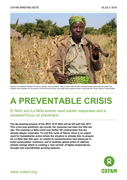
A preventable crisis - El Niño and La Niña events need earlier responses and a renewed focus on prevention
Oxfam
(2016)
C2
The devastating impacts of the 2015–16 El Niño will be felt well into 2017. This crisis was predicted, yet overall, the response has been too little too late. The looming La Niña event may further hit communities that are already deeply vulnerable. To end this cycle of failure, there is an urgen
...
t need for humanitarian action where the situation is already dire, to prepare for La Niña later this year, to commit to comprehensive new measures to build communities’ resilience, and to mobilize global action to address climate change which is creating a ‘new normal’ of higher temperatures, drought and unpredictable growing seasons.
more
Mounting an effective international humanitarian response to a chemical, biological, radiological or nuclear (CBRN) event, especially if the response is undertaken on an ad hoc basis, would be extremely difficult and would pose many risks to the responders. The International Committee of the Red Cro
...
ss (ICRC) has created a competency-based capacity to respond to at least small-scale CBRN events, including a deployable capability to undertake operational activities. This involves informed assessments of CBRN risks, timely and competent decisions on how to respond, and effectively mobilizing appropriate resources to implement these decisions, through the creation of an emergency roster. In addition to the acquisition of technical expertise and material resources, the creation of such capacity requires the application of central processes, ensuring systematic management of CBRN response (including risk-based decision-making), standing operational procedures, and availability of and access to the necessary resources. Implementation of the ICRC's CBRN response framework as described in this article should be considered by any agency or other stakeholder preparing for international humanitarian assistance in CBRN events – especially if such events are related to armed conflict.
more

National strategy on the management of disaster and climate induced internal displacement (NSMDCIID)
This strategy has been developed with a view to managing climate-induced internal displacement (CIID) in a comprehensive and rights-based manner. It is part of the action plan for the Government of Bangladesh (GoB) to implement the Sendai Framework.
...
The strategy focuses solely on internal displacements caused by climate-related disasters and not cross-border displacement issues. It aims to chalk out a comprehensive strategy covering all three phases of displacements: (i) pre-displacement; (ii) displacement phase; and (iii) post-displacement. The multidimensional characteristics of the Strategy require participation of all relevant ministries with a target to integrate the concerns of CIIDPs into the existing programmes of all these ministries. more
The strategy focuses solely on internal displacements caused by climate-related disasters and not cross-border displacement issues. It aims to chalk out a comprehensive strategy covering all three phases of displacements: (i) pre-displacement; (ii) displacement phase; and (iii) post-displacement. The multidimensional characteristics of the Strategy require participation of all relevant ministries with a target to integrate the concerns of CIIDPs into the existing programmes of all these ministries. more

The discourse on climate change and migration has shifted from labelling migration merely as a consequence of climate impacts, to describing it as a form of human adaptation. This article explores the adaptation framing of the climate change and migration nexus and highlights its shortcomings and ad
...
vantages. While for some groups, under certain circumstances migration can be an effective form of adaptation, for others it leads to increased vulnerabilities and a poverty spiral, reducing their adaptive apacities. Non-economic losses connected to a change of place further challenge the notion of successful adaptation. Even when migration improves the situation of a household, it may conceal the lack of action on climate change adaptation from national governments or the international community. Given the growing body of evidence on the diverse circumstances and outcomes of migration
in the context of climate change, we distinguish between reactive and proactive migration and argue for a precise differentiation in the academic debate
more

Women have less access to the development services and support – such as adequate healthcare, education and
modern technology – that make people more resilient to climate change and other shocks and stressors.2
Women’s unequal access to resources, their disproportionate responsibility
...
for care of dependents (typically unpaid),
and the insecurity and precariousness of their paid labour all contribute to the feminisation of poverty and women’s
heightened vulnerability to climate hazards. Climate change is a multiplier of existing vulnerabilities and threatens to
reverse hard-earned development gains for all people, and particularly for women.
more
This report situates disability and inclusion within the broader context of sustainable development, with a particular focus on the Sustainable Development Goals (SDGs). The paper provides background on the historical role of the UN in promoting inclusion and outlines the current trends and challeng
...
es facing people with disabilities globally. The following section presents these challenges within the context of the SDGs, showing that disability needs to be tackled if the SDGs are to be achieved. It concludes with a number of recommendations for a disability-inclusive 2030 agenda for sustainable development
more
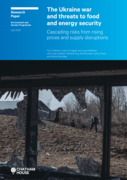
Cascading risks from rising prices and supply disruptions, April 2022.
Global resource markets are still reeling from the impacts of Russia’s invasion of Ukraine; the two countries are major suppliers of energy, food and fertilizers. Supply disruption and the sudden imposition, in response to the
...
crisis, of unprecedented economic sanctions, trade restrictions and policy interventions have caused prices of commodities to skyrocket.
Before the conflict, demand for global resources already exceeded supply and drove up prices as economies rebounded after the COVID-19 pandemic. This gave rise to a global cost-of-living crisis, characterized by increasing levels of energy and food poverty. This situation is likely to become much worse as a consequence of the war in Ukraine, and poses a threat to human security, particularly among low-income and vulnerable populations.
more

Technology and digital tools are transforming everyday life, opening new opportunities for women and girls—but they are also being weaponized to harass, threaten, and silence them online. Technology-facilitated violence against women and girls (TF
...
VAWG) is now a defining challenge for gender equality, closely linked to violence offline and shaped by deep-rooted discrimination.
more

The objective of this study is to analyze the strengths, weaknesses, sustainability, and impact of the tsunami response in Sri Lanka and Indonesia 10 years later. A cross cutting theme of this study is the assessment of whether communities are now better prepared to respond to and cope with disaster
...
.
Three key lessons for the future of humanitarian response are highlighted:
Lesson 1: Participation is the cornerstone of humanitarian response and recovery;
Lesson 2: Partnership as a prerequisite for long-term change;
Lesson 3: Creating momentum for risk reduction.
more

The annual Development Co-operation Report brings new evidence, analysis and ideas on
sustainable development to members of the OECD Development Assistance Committee (DAC) and the international community more broadly. The objectives are to promote best practices and innovation in development co-ope
...
ration and to inform and shape policy reform and behaviour change to realise better lives and the Sustainable Development Goals for all
more
A comprehensive compilation is provided of the medicinal plants of the Southeast Asian country of Myanmar (formerly Burma). This contribution, containing 123 families, 367 genera, and 472 species, was compiled from earlier treatments, monographs, books, and pamphlets, with some medicinal uses and pr
...
eparations translated from Burmese to English. The entry for each species includes the Latin binomial, author(s), common Myanmar and English names, range, medicinal uses and preparations, and additional notes. Of the 472 species, 63 or 13% of them have been assessed for conservation status and are listed in the IUCN Red List of Threatened Species (IUCN 2017). Two species are listed as Extinct in the Wild, four as Threatened (two Endangered, two Vulnerable), two as Near Threatened, 48 Least Concerned, and seven Data Deficient. Botanic gardens worldwide hold 444 species (94%) within their living collections, while 28 species (6%) are not found any botanic garden. Preserving the traditional knowledge of Myanmar healers contributes to Target 13 of the Global Strategy for Plant Conservation
more

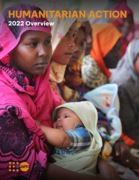
Child marriage is a widespread practice across Turkana, a nomadic pastoralist region in Kenya. This report explores the issue through the voices of those girls affected by it.
Participatory Learning and Action Planning; A Facilitator's Guide
