
Filter
4700
Text search:
medical
products
Featured
570
1187
Language
4588
124
90
75
56
36
34
16
11
9
6
5
5
5
5
5
5
4
4
4
3
3
3
3
3
2
2
2
2
2
2
2
2
2
2
2
2
2
1
1
1
1
1
1
1
1
1
1
1
1
1
1
1
1
Document type
2162
850
815
382
236
104
82
38
13
10
4
3
1
Countries
237
185
138
107
99
88
88
86
75
70
64
63
60
59
58
57
56
52
49
49
48
46
44
40
33
33
32
31
31
29
26
23
22
21
19
19
19
19
19
19
18
16
15
14
13
13
13
11
10
10
9
9
9
9
9
9
8
8
8
7
7
7
7
7
6
6
6
6
5
5
5
5
4
4
4
4
4
4
4
3
3
3
3
3
3
3
3
3
3
3
3
3
2
2
2
2
2
2
2
2
2
2
2
2
2
2
2
2
2
1
1
1
1
1
1
1
1
1
1
1
1
1
1
1
1
1
1
1
1
1
1
1
1
1
1
1
1
1
1
1
1
1
1
1
Authors & Publishers
1031
291
172
162
107
99
68
65
62
47
38
35
33
29
24
24
23
22
22
21
18
18
17
16
15
14
13
13
13
13
13
13
13
13
12
12
12
12
12
12
12
11
11
11
11
10
10
10
10
10
10
9
9
9
9
9
9
9
9
9
9
8
8
8
8
8
8
8
8
8
8
7
7
7
7
7
7
7
7
7
7
7
7
7
7
7
6
6
6
6
6
6
6
6
6
6
6
6
6
6
6
6
6
5
5
5
5
5
5
5
5
5
5
5
5
5
5
5
5
5
5
5
5
5
5
5
5
5
5
5
5
4
4
4
4
4
4
4
4
4
4
4
4
4
4
4
4
4
4
4
4
4
4
4
4
4
4
4
4
4
4
4
4
4
4
4
4
3
3
3
3
3
3
3
3
3
3
3
3
3
3
3
3
3
3
3
3
3
3
3
3
3
3
3
3
3
3
3
3
3
3
3
3
3
3
3
3
3
3
3
3
3
3
3
3
3
3
3
3
3
3
3
3
3
3
3
3
3
3
3
3
3
3
3
3
3
3
3
3
3
2
2
2
2
2
2
2
2
2
2
2
2
2
2
2
2
2
2
2
2
2
2
2
2
2
2
2
2
2
2
2
2
2
2
2
2
2
2
2
2
2
2
2
2
2
2
2
2
2
2
2
2
2
2
2
2
2
2
2
2
2
2
2
2
2
2
2
2
2
2
2
2
2
2
2
2
2
2
2
2
2
2
2
2
2
2
2
2
2
2
2
2
2
2
2
2
2
2
2
2
2
2
2
2
2
2
2
2
2
2
2
2
2
2
2
2
2
2
2
2
2
2
2
2
2
2
2
2
2
2
2
2
2
2
2
2
2
2
2
2
2
2
2
2
2
2
2
2
2
2
2
2
2
2
2
2
2
2
2
2
2
2
2
2
2
2
2
2
2
2
2
2
2
2
2
2
2
2
2
2
2
2
2
2
2
2
2
2
2
2
2
2
2
2
2
2
2
2
2
2
2
2
2
2
2
2
2
2
2
2
2
2
1
1
1
1
1
1
1
1
1
1
1
1
1
1
1
1
1
1
1
1
1
1
1
1
1
1
1
1
1
1
1
1
1
1
1
1
1
1
1
1
1
1
1
1
1
1
1
1
1
1
1
1
1
1
1
1
1
1
1
1
1
1
1
1
1
1
1
1
1
1
1
1
1
1
1
1
1
1
1
1
1
1
1
1
1
1
1
1
1
1
1
1
1
1
1
1
1
1
1
1
1
1
1
1
1
1
1
1
1
1
1
1
1
1
1
1
1
1
1
1
1
1
1
1
1
1
1
1
1
1
1
1
1
1
1
1
1
1
1
1
1
1
1
1
1
1
1
1
1
1
1
1
1
1
1
1
1
1
1
1
1
1
1
1
1
1
1
1
1
1
1
1
1
1
1
1
1
1
1
1
1
1
1
1
1
1
1
1
1
1
1
1
1
1
1
1
1
1
1
1
1
1
1
1
1
1
1
1
1
1
1
1
1
1
1
1
1
1
1
1
1
1
1
1
1
1
1
1
1
1
1
1
1
1
1
1
1
1
1
1
1
1
1
1
1
1
1
1
1
1
1
1
1
1
1
1
1
1
1
1
1
1
1
1
1
1
1
1
1
1
1
1
1
1
1
1
1
1
1
1
1
1
1
1
1
1
1
1
1
1
1
1
1
1
1
1
1
1
1
1
1
1
1
1
1
1
1
1
1
1
1
1
1
1
1
1
1
1
1
1
1
1
1
1
1
1
1
1
1
1
1
1
1
1
1
1
1
1
1
1
1
1
1
1
1
1
1
1
1
1
1
1
1
1
1
1
1
1
1
1
1
1
1
1
1
1
1
1
1
1
1
1
1
1
1
1
1
1
1
1
1
1
1
1
1
1
1
1
1
1
1
1
1
1
1
1
1
1
1
1
1
1
1
1
1
1
1
1
1
1
1
1
1
1
1
1
1
1
1
1
1
1
1
1
1
1
1
1
1
1
1
1
1
1
1
1
1
1
1
1
1
1
1
1
1
1
1
1
1
1
1
1
1
1
1
1
1
1
1
1
1
1
1
1
1
1
1
1
1
1
1
1
1
1
1
1
1
1
1
1
1
1
1
1
1
1
1
1
1
1
1
1
1
1
1
1
1
1
1
1
1
1
1
1
1
1
1
1
1
1
1
1
1
1
1
1
1
1
1
1
1
1
1
1
1
1
1
1
1
1
1
1
1
1
1
1
1
1
1
1
1
1
1
1
1
1
1
1
1
1
1
1
1
1
1
1
1
1
1
1
1
1
1
1
1
1
1
1
1
1
1
1
1
1
1
1
1
1
1
1
1
1
1
1
1
1
1
1
1
1
1
1
1
1
1
1
1
1
1
1
1
1
1
1
1
1
1
1
1
1
1
1
1
1
1
1
1
1
1
1
1
1
1
1
1
1
1
1
1
1
1
1
1
1
1
1
1
1
1
1
1
1
1
1
1
1
1
1
1
1
1
1
1
1
1
1
1
1
1
1
1
1
1
1
1
1
1
1
1
1
1
1
1
1
1
1
1
1
1
1
1
1
1
1
1
1
1
1
1
1
1
1
1
1
1
1
1
1
1
1
1
1
1
1
1
1
1
1
1
1
1
1
1
1
1
1
1
1
1
1
1
1
1
1
1
1
1
1
1
1
1
1
1
1
1
1
1
1
1
1
1
1
1
1
1
1
1
1
1
1
1
1
1
1
1
1
1
1
1
1
1
1
1
1
1
1
1
1
1
1
1
1
1
1
1
1
1
1
1
1
1
1
1
1
1
1
1
1
1
1
1
1
1
1
1
1
1
1
1
1
1
1
1
1
1
1
1
1
1
1
1
1
1
1
1
1
1
1
1
1
1
1
1
1
1
1
1
1
1
1
1
1
1
1
1
1
1
1
1
1
1
1
1
1
1
1
1
1
1
1
1
1
1
1
1
1
1
1
1
1
1
1
1
1
1
1
1
1
1
1
1
1
1
1
1
1
1
1
1
1
1
1
1
1
1
1
1
1
1
1
1
1
1
1
1
1
1
1
1
1
1
1
1
1
1
1
1
1
1
1
1
1
1
1
1
1
1
1
1
1
1
1
1
1
1
1
1
1
1
1
1
1
1
1
1
1
1
1
1
1
1
1
1
1
1
1
1
1
1
1
1
1
1
1
1
1
1
1
1
1
1
1
1
1
1
1
1
1
1
1
1
1
1
1
1
1
1
1
1
1
1
1
1
1
1
1
1
1
1
1
1
1
1
1
1
1
1
1
1
1
1
1
1
1
1
1
1
1
1
1
1
1
1
1
1
1
1
1
1
1
1
1
1
1
1
1
1
1
1
1
1
1
1
1
1
1
1
1
1
1
1
1
1
1
1
1
1
1
1
1
1
1
1
1
1
1
1
1
1
1
1
1
1
1
1
1
1
1
1
1
1
1
1
1
1
1
1
1
1
1
1
1
1
1
1
1
1
1
1
1
1
1
1
1
1
1
1
1
1
1
1
1
1
1
1
1
1
1
1
1
1
1
1
1
1
1
1
1
1
1
1
1
1
1
1
1
1
1
1
1
1
1
1
1
1
1
1
1
1
1
1
1
1
1
1
1
1
1
1
1
1
1
1
1
1
1
1
1
1
1
1
1
1
1
1
1
1
1
1
1
1
1
1
1
1
1
1
1
1
1
1
1
1
1
1
1
1
1
1
1
1
1
1
1
1
1
1
1
1
1
1
1
1
1
1
1
1
1
1
1
1
1
1
1
1
1
1
1
1
1
1
1
1
1
1
1
1
1
1
1
1
1
1
1
1
1
1
1
1
1
1
1
1
1
1
1
1
1
1
1
1
1
1
1
1
1
1
1
1
1
1
1
1
1
1
1
1
1
1
1
1
1
1
1
1
1
1
1
1
1
1
1
1
1
1
1
1
1
1
1
1
1
1
1
1
1
1
1
1
1
1
1
1
1
1
1
1
1
1
1
1
1
1
1
1
1
1
1
1
1
1
1
1
1
1
1
1
1
1
1
1
1
1
1
1
1
1
1
1
1
1
1
1
1
1
1
1
1
1
1
1
1
1
1
1
1
1
1
1
1
1
1
1
1
1
1
1
1
1
1
1
1
1
1
1
1
1
1
1
1
1
1
1
1
1
1
1
1
1
1
1
1
1
1
1
1
1
1
1
1
1
1
1
1
1
1
1
1
1
1
1
1
1
1
1
1
1
1
1
1
1
1
1
1
1
1
1
1
1
1
1
1
1
1
1
1
1
1
1
1
1
1
1
1
1
1
1
1
1
1
1
1
1
1
1
1
1
1
1
1
1
1
1
1
1
1
1
1
1
1
1
1
1
1
1
1
1
1
1
1
1
1
1
1
1
1
1
1
1
1
1
1
1
1
1
1
1
1
1
1
1
1
1
1
1
1
1
1
1
1
1
1
1
1
1
1
1
1
1
1
1
1
1
1
1
1
1
1
1
1
1
1
1
1
1
1
1
1
1
1
1
1
1
1
1
1
1
1
1
1
1
1
1
1
1
1
1
1
1
1
1
1
1
1
1
1
1
1
1
1
1
1
1
1
1
1
1
1
1
1
1
1
1
1
1
1
1
1
1
1
1
1
1
1
1
1
1
1
1
1
1
1
1
1
1
1
1
1
1
1
1
1
1
1
1
1
1
1
1
1
1
1
1
1
1
1
1
1
1
1
1
1
1
1
1
1
1
1
1
1
1
1
1
1
1
1
1
1
1
1
1
1
1
1
1
1
1
1
1
1
1
1
1
1
1
1
1
1
1
1
1
1
1
1
1
1
1
1
1
1
1
1
1
1
1
1
1
1
1
1
1
1
1
1
1
1
1
1
1
1
1
1
1
1
1
1
1
1
1
1
1
1
1
1
1
1
1
1
1
1
1
1
1
1
1
1
1
1
1
1
1
1
1
1
1
1
1
1
1
1
1
1
1
1
1
1
1
1
1
1
1
1
1
1
1
1
1
1
1
1
1
1
1
1
1
1
1
1
1
1
1
1
1
1
1
1
1
1
1
1
1
1
1
1
1
1
1
1
1
1
1
1
1
1
1
1
1
1
1
1
1
1
1
1
1
1
1
1
1
1
1
1
1
1
1
1
1
1
1
1
1
1
1
1
1
1
1
1
1
1
1
1
1
1
1
1
1
1
1
1
1
1
1
1
1
1
1
1
1
1
1
1
1
1
1
1
1
1
1
1
1
1
1
1
1
1
1
1
1
1
1
1
1
1
1
1
1
1
1
1
1
1
1
1
1
1
1
1
1
1
1
1
1
1
1
1
1
1
1
1
1
1
1
1
1
1
1
1
1
1
1
1
1
1
1
1
1
1
1
1
1
1
1
1
1
1
1
1
1
1
1
1
1
1
1
1
1
1
1
1
1
1
1
1
1
1
1
1
1
1
1
1
1
1
1
1
1
1
1
1
1
1
1
1
1
1
1
1
1
1
1
1
1
1
1
1
1
1
1
1
1
1
1
1
1
1
1
1
1
1
1
1
1
1
1
1
1
1
1
1
1
1
1
1
1
1
1
1
1
1
1
1
1
1
1
1
1
1
1
1
1
1
1
1
1
1
1
1
1
1
1
1
1
1
1
1
1
1
1
1
1
1
1
1
1
1
1
1
1
1
1
1
1
1
1
1
1
1
1
1
1
1
1
1
1
1
1
1
1
1
1
1
1
1
1
1
1
1
1
1
1
1
1
1
1
1
1
1
1
1
1
1
1
1
1
1
1
1
1
1
1
1
1
1
1
1
1
1
1
1
1
1
1
1
1
1
1
1
1
1
1
1
1
1
1
1
1
1
1
1
1
1
1
1
1
1
1
1
1
1
1
1
1
1
1
1
1
1
1
1
1
1
1
1
1
1
1
1
1
1
1
1
1
1
1
1
1
1
1
1
1
1
1
1
1
1
1
1
1
1
1
1
1
1
1
1
1
1
1
1
1
1
1
1
1
1
1
1
1
1
1
1
1
1
1
1
1
1
1
1
1
1
1
1
1
1
1
1
1
1
1
1
1
1
1
1
1
1
1
1
1
1
1
1
1
1
1
1
1
1
1
1
1
1
1
1
1
1
1
1
1
1
1
1
1
1
1
1
1
1
1
1
1
1
1
1
1
1
1
1
1
1
1
1
1
1
1
1
1
1
1
1
1
1
1
1
1
1
1
1
1
1
1
1
1
1
1
1
1
1
1
1
1
1
1
1
1
1
1
1
1
1
1
1
1
1
1
1
1
1
1
1
1
1
1
1
1
1
1
1
1
1
1
1
1
1
1
1
1
1
1
1
1
1
1
1
1
1
1
1
1
1
1
1
1
1
1
1
1
1
1
1
1
1
1
1
1
1
1
1
1
1
1
1
1
1
1
1
1
1
1
1
1
1
1
1
1
1
1
1
1
1
1
1
1
1
1
1
1
1
1
1
1
1
1
1
1
1
1
1
1
1
1
1
1
1
1
1
1
1
1
1
1
1
1
1
1
1
1
1
1
1
1
1
1
1
1
1
1
1
1
1
1
1
1
1
1
1
1
1
1
Publication Years
1632
2598
432
35
3
Category
1576
468
329
322
315
96
94
1
Toolboxes
415
300
218
196
189
168
160
157
155
150
133
131
130
96
87
82
80
66
54
54
48
40
30
22
7
1

The ICOPE guidance for person-centred assessment and pathways in primary care (ICOPE Handbook) helps community health and care workers put the recommendations outlined in the ICOPE Guidelines into practice. The Handbook assists with setting person-centred goals, screening for loss in a range of doma
...
ins of intrinsic capacity and assessing health and social care needs to develop a personalised care plan. The care plan may include multiple interventions to manage declines in intrinsic capacity, provide social care and support, support self-management and support caregivers. The domains of intrinsic capacity include cognitive decline, limited mobility, malnutrition, visual impairment, hearing loss and depressive symptoms.
more
The ICOPE Implementation Framework provides a score card to help assess the overall capacity of health and social care services and systems to deliver integrated care in community settings and support the development of ICOPE implementation action plans. There are 19 actions needed to implement ICOP
...
E on the services level (meso) and systems level (macro). The scoring process provides an evidence-based means of highlighting areas for improvement as well as establishing concrete measures of future improvements
more
This Strategic Response Plan for the measles emergency in the WHO European Region (SRP) articulates the overall status of measles resurgence in the WHO European Region and the priority actions needed to ensure an effective response to interrupt transmission, save lives and reverse the regional trend
...
in case numbers.
more

Accessed: 08.10.2019
At present at least 2.2 billion people around the world have a vision impairment, of whom at least 1 billion have a vision impairment that could have been prevented or is yet to be addressed. The world faces considerable challenges in terms of eye care, including inequalities in the coverage and qua
...
lity of prevention, treatment and rehabilitation services; a shortage of trained eye care service providers; and poor integration of eye care services into health systems, among others. The World report on vision aims to address these challenges and galvanize action.
more

Toolkit
HIV Treatment and Care
The objective of this brief is to consolidate WHO guidance to support the implementation of high-quality HIV services through approaches to policy, strategy and service delivery, to suggest considerations for selecting measures of high-quality services and to provide case examples of quality managem
...
ent in HIV services in low- and middle- income countries.
more
The toolkit's purpose is to:
improve the primary health care response for older persons.
sensitize and educate primary health care workers about the specific needs of their older clients.
provide primary care health workers with a set of tools/instruments to assess older people's hea
...
lth.
raise awareness among primary care health workers of the accumulation of minor/major disabilities experienced by older people.
provide guidance on how to make primary health care management procedures more responsive to the needs of older people's needs.
offer direction on how to do environmental audits to test primary health care centres for their age-friendliness.
The toolkit comprises a number of instruments (evaluation forms, slides, figures, graphs, diagrams, scale tables, country guidelines, exam sheets, screening tools, cards, checklists, etc.) that can be used by primary health care workers to assess and address older persons' health. These resources are meant to supplement and not to replace local and national materials and guidelines
more
The report discusses the epidemiological and social aspects of ageing, health and functional changes experienced with ageing, the impact of physical activity, assessment of the nutritional status of older persons, and nutritional guidelines for healthy ageing.
The HEARTS technical package provides a strategic approach to improving cardiovascular health in countries. It comprises six modules and an implementation guide. This package supports Ministries of Health to strengthen CVD management in primary health care settings. The practical, step-by step modul
...
es are supported by an overarching technical document that provides a rationale and framework for this integrated approach to the management of NCDs.
more
In many low- and middle-income countries, there is a wide gap between evidencebased recommendations and current practice. Treatment of major CVD risk factors remains suboptimal, and only a minority of patients who are treated reach their target levels for blood pressure, blood sugar and blood choles
...
terol.
In other areas, overtreatment can occur with the use of non-evidence-based
protocols. The aim of using standard treatment protocols is to improve the quality
of clinical care, reduce clinical variability and simplify the treatment options,
particularly in primary health care. Standard treatment protocols can be developed by preparing new national treatment guidelines or by adapting or adopting international guidelines.
The Evidence-based protocols module uses hypertension and diabetes screening
and treatment as an entry point to control cardiovascular risk factors, prevent target organ damage, and reduce premature morbidity and mortality. A comprehensive risk- based approach for integrated management of hypertension, diabetes, and high cholesterol is included in the Risk-based CVD management module.
This module includes clinical practice points and sample protocols for:
1. hypertension detection and treatment
2. type 2 diabetes detection and treatment
3. identifying basic emergencies – care and referral.
HEARTS emphasizes adaptation, dissemination, and use of a standardized set of
simple clinical-management protocols, which should be drug- and dose-specific,
and include a core set of medications. The simpler the protocols and management tools, the more likely they are to be used correctly, and the higher the likelihood that a programme will achieve its goals.
more
Policy Brief
Serving the needs of Key Populations: Case examples of innovation and good practice in HIV Prevention, Diagnosis, Treatment and Care
A. Armstrong; C. Irvine; C. Figueroa; A. Verster; R. Baggaley et al.
World Health Organization WHO
(2017)
C_WHO
This WHO guidelines highlight innovative, community-led, and peer-driven approaches to reduce HIV risks among key populations—sex workers, trans people, MSM, people who inject drugs, and prisoners. Effective practices integrate services, utilize trained peers for testing (HTS), and provide stigma-
...
free, targeted care to increase engagement
more
This publication integrates human rights principles into measuring HIV service effectiveness, ensuring accountability for equity and health. It focuses on reducing stigma, removing punitive laws, and ensuring access to care for key populations, aiming to achieve 2030 targets.
This publication describes an arduous campaign to tackle the use of antimicrobials - specifically antibiotics - in the Danish swine-producing sector thanks to the collaboration between the regulatory sector within the Ministry of Environment and Food, private veterinary practitioners and swine produ
...
cers. The document is a retrospective tribute to all those who had the foresight to make significant changes to ensure consumer protection - improving hygiene at primary sites, developing options for intervention, identifying sites for intervention, setting targets, restructuring the relationship between the veterinary services and farmers, and implementing changes in behaviour for greatest impact
more

The aim of the operational framework is to ensure 1) accurate collection, handling, shipment and storage of specimens collected in countries implementing HIV drug resistance surveillance; and 2) the availability of quality-assured HIV genotyping laboratory services producing comparable and reliable
...
results at the national, regional and global levels.
This publication updates the WHO HIVResNet HIV drug resistance laboratory operational framework published in 2017 and reflects technical and strategic developments over the past three years.
more
WHO working group on HIV incidence assays meeting report
10–11 December 2015
Glion, Switzerland
UNAIDS/WHO working group on global HIV/AIDS and STI surveillance
WHO/HIV/2017.03
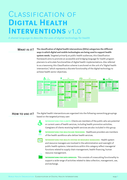
The classification of digital health interventions (DHIs) categorizes the different ways in which digital and mobile technologies are being used to support health system needs. Historically, the diverse communities working in digital health—including government stakeholders, technologists, clinic
...
ians, implementers, network operators, researchers, donors— have lacked a mutually understandable language with which to assess and articulate functionality. A shared and standardized vocabulary was recognized as necessary to identify gaps and duplication, evaluate effectiveness, and facilitate alignment across different digital health implementations. Targeted primarily at public health audiences, this Classification framework aims to promote an accessible and bridging language for health program planners to articulate functionalities of digital health implementations.
more
