
Filter
653
Text search:
sanitary
standards
Featured
66
217
Language
Document type
349
99
95
46
39
12
8
5
Countries
25
24
22
22
21
20
19
17
16
14
13
12
12
12
12
11
10
10
10
9
8
8
8
7
7
6
6
5
5
4
4
4
3
3
3
3
3
3
3
2
2
2
2
2
2
2
2
2
2
2
2
2
1
1
1
1
1
1
1
1
1
1
1
1
1
1
1
1
1
1
1
1
1
1
1
1
1
1
Authors & Publishers
Publication Years
Category
267
118
28
28
25
18
8
Toolboxes
41
39
28
26
26
26
23
22
21
19
19
19
18
17
16
10
9
5
4
4
3
3
2
2
1

Mapping Report - Catalonia (Spain).
11-17 April 2012

Report of a mission 20–24 April 2015
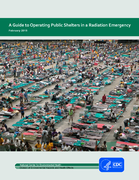
This guide is intended for shelter operators, planners, and staff, as well as emergency managers, public health professionals, and radiation protection professionals who participate in shelter planning and could be called upon to support shelter operations. This guide provides information on the inc
...
Refugees1 with disabilities have specific needs and face particular forms of discrimination. As highlighted in the Executive Committee Conclusion No. 110 (LXI)–2010, it is important for UNHCR to ensure that the rights of persons with disabilities who are of concern to the Office are met without di
...
2nd edition
WASH FIT is a risk-based, continuous improvement framework with a set of tools for undertaking water, sanitation and hygiene (WASH) improvements as part of wider quality improvements in health care facilities. It is aimed at small primary, and in some instances secondary, health care fa
...

This Policy for community-based health insurance answers the will of the Rwandan government to popularize the fundamental aces of the current policy. This document serves as an update to the first policy that was elaborated and published in 2004, and integrates all the changes that have occurred in
...
This external performance evaluation of the Malawi Girls’ Empowerment through Education and Health Activity (ASPIRE), conducted 2.5 years after ASPIRE began, establishes the activity’s progress against its objectives, proposes adaptations for the final year, and captures lessons for application
...
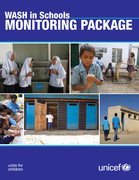
The package is designed to help address the WASH in Schools monitoring deficit at the national level.
The package consists of three modules:
The EMIS module: a set of basic monitoring questions on WASH in Schools to be incorporated into national Education Monitoring Information Syst ...
The package consists of three modules:
The EMIS module: a set of basic monitoring questions on WASH in Schools to be incorporated into national Education Monitoring Information Syst ...
This field guide is a practical tool for improving and maintaining drinking-water safety. It is designed to be used by YOU as a rural community member who shares responsibility for operation and management of the drinking-water supply in your community. It can also be used by YOU as a staff member o
...
In order to maintain daily operations and patient care services, health care facilities need to develop an Emergency Water Supply Plan (EWSP) to prepare for, respond to, and recover from a total or partial interruption of the facilities’ normal water supply. Water supply interruption can be caused
...

- Build community resilience to coastal hazards by improving capacity of inclusive disaster management systems.
- Reduce the mortality rate of persons with disabilities in situations of risk.
- Raise awareness about inclusive policies, practices and disaster risk reduction strategies that address
...
This gender analysis was conducted to understand the different risks and vulnerabilities but also opportunities and skills for Rohingya and host community women, men, boys and girls. Data collection was conducted over three weeks from 8 April to 29 April 2018. The work aimed to identify the differen
...

No publication year indicated
The specific objectives of the plan are to:
- Scale up evidence-based, cost effective interventions through effective strategies within a HSS approach and provide equitable coverage with quality.
- Reduce neonatal mortality by improved home-based newborn ...
The specific objectives of the plan are to:
- Scale up evidence-based, cost effective interventions through effective strategies within a HSS approach and provide equitable coverage with quality.
- Reduce neonatal mortality by improved home-based newborn ...
