
Filter
1167
Text search:
World
Health
Organization,
Western
Pacific
Featured
Recommendations
148
New Publications
262
Language
Document type
No document type
504
Studies & Reports
289
Guidelines
191
Manuals
76
Strategic & Response Plan
44
Fact sheets
18
Training Material
15
Situation Updates
10
Resource Platforms
10
Infographics
8
Online Courses
1
Countries / Regions
Global
104
Philippines
38
Western Pacific Region
27
South–East Asia Region
25
India
20
Asia
20
Cambodia
18
Myanmar / Burma
18
Africa
18
Nepal
17
Western and Central Europe
16
Bangladesh
13
Latin America and the Carribbean
11
Liberia
9
Nigeria
9
Kenya
9
China
8
Russia
8
Thailand
7
Indonesia
7
Ethiopia
6
Afghanistan
6
Syria
6
Sierra Leone
5
South Africa
5
Eastern Europe
5
Ghana
4
Somalia
4
Pakistan
4
South Sudan
4
Tanzania
4
Rwanda
4
Papua New Guinea
4
Ukraine
4
Yemen
4
Middle East and North Africa
4
Eastern Europe and Central Asia
4
Vietnam
4
Congo, Democratic Republic of
3
Mozambique
3
Sri Lanka
3
East and Southern Africa
3
West and Central Africa
3
Guinea
2
Zimbabwe
2
Zambia
2
Malawi
2
Madagascar
2
Fiji
2
Venezuela
2
Mongolia
2
Laos
2
Iran
2
Burkina Faso
1
Senegal
1
USA
1
Cameroon
1
Uganda
1
Haiti
1
Iraq
1
Jordan
1
Egypt
1
Sudan
1
Benin
1
Central African Republic
1
Vanuatu
1
Namibia
1
Peru
1
Eswatini/ Swaziland
1
Serbia
1
Colombia
1
Ecuador
1
Botswana
1
Mexico
1
Solomon Islands
1
Bhutan
1
Palestine
1
North Korea
1
Timor Leste/ East Timor
1
Japan
1
Authors & Publishers
Publication Years
Category
Countries
196
Clinical Guidelines
146
Public Health
89
Women & Child Health
72
Key Resources
72
Capacity Building
25
Pharmacy & Technologies
21
Toolboxes
HIV
137
Mental Health
100
COVID-19
82
Planetary Health
70
TB
58
NTDs
57
Global Health Education
47
Rapid Response
43
AMR
40
Disability
38
Caregiver
35
Malaria
31
Pharmacy
28
NCDs
28
Zika
24
2.0 Rapid Response
24
Natural Hazards
19
Health Financing Toolbox
18
Conflict
16
Refugee
15
Polio
10
Ebola & Marburg
8
Cholera
4
Typhoon
4
Specific Hazards
3
Social Ethics
1
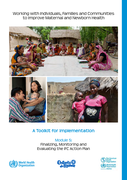
A Toolkit for Implementation. Module 5: Finalizing, monitoring and evaluating the IFC action plan

Mental and Social Aspects of Health of Populations Exposed to Extreme Stressors
The framework is to be used as a reference guide, applied according to local priorities and needs, and targeted at academic institutions, educators, accreditation bodies, regulatory agencies and other users. The ultimate aim is to ensure that all health
...
Mental Health Atlas 2024
recommended
The Mental Health Atlas 2024 is the seventh in a series that began in 2001, and draws on data from 144 countries to assess mental health policies, laws, information systems, financing, workforce an
...
2nd edition. This new edition provides policy-makers, programme managers and health-service providers with the latest evidence-based guidance on clinical care. It includes information on how to establish and strengthen services, and outlines a human
...

The Health Equity Assessment Toolkit (HEAT) is a software application for use on desktop or laptop computers and mobile devices (minimum screen size of 7.9 inches recommended). It was developed to facilitate the assessment of within-country
...

Every year, around 830 000 children die from unintentional or "accidental" injuries. The vast majority of these injuries occur in low-income and middle-income countries. However, dozens of prevention strategies and programmes exist. If they were integrated into other child survival programmes and im
...

Self-care interventions are among the most promising and exciting new approaches to improve health and well-being, both from a health systems perspective and for people who use these interventions.
...
Countries must invest at least 1% more of GDP on primary health care to eliminate glaring coverage gaps
At current rates of progress up to 5 billion people will miss out on health care in 2030
C
...
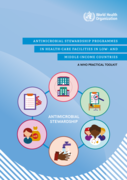
Stewardship is defined as “the careful and responsible management of something entrusted to one’s care”. It was originally applied in the health-care setting as a tool for optimizing antimicrobial use, termed “antimicrob
...

The COVID-19 pandemic has led to large increases in healthcare waste, straining under resourced healthcare facilities and exacerbating environmental impacts from solid waste. This report quantifies the additional COVID-19 healthcare waste generated, describes current healthcare waste management syst
...

The report identifies major global gaps in WASH services: one third of health care facilities do not have what is needed to clean hands where care is provided; one in four facilities have no water services, and 10% have no sanitation services. This
...

This report considers how to integrate health into urban planning, investments, and policy decisions, so as to support the implementation and achievement of the goals and objectives of the New Urban Agenda.
Strengthening health-system emergency preparedness.
Planned and regulated task shifting and task sharing can have a range of benefits. It can ensure a rational optimization of the available health workforce, address health system shortages of special
...
Health care-associated infections (HAI) are one of the most common adverse events in care delivery and a major public health problem with an impact on morbidity, mortality and quality of life. At an
...
31 Janaury 2021
SCORE for health data technical package. The first global assessment on the status and capacity of health information systems in 133 countries, covering 87% of the global population
...
