
Filter
3418
Text search:
Evidence
Aid
Featured
351
933
Language
3311
87
52
37
36
18
12
10
7
4
3
3
3
3
3
3
3
3
3
3
3
2
2
2
2
2
2
1
1
1
1
1
1
1
1
1
1
1
1
1
1
1
1
1
1
Document type
1818
620
429
241
130
72
60
28
9
4
2
2
1
Countries
191
132
112
95
83
82
78
76
67
67
66
63
53
53
49
46
42
41
38
36
35
35
31
30
27
25
24
24
24
23
23
23
21
19
19
19
17
15
14
14
13
13
13
12
12
12
11
10
10
10
9
9
8
8
7
7
7
7
6
6
6
5
5
5
5
5
5
4
4
4
4
4
4
3
3
3
3
3
3
3
3
3
3
3
3
3
2
2
2
2
2
2
2
2
2
2
2
2
2
2
2
2
1
1
1
1
1
1
1
1
1
1
1
1
1
1
1
1
1
1
1
1
1
1
1
1
1
1
1
1
Authors & Publishers
410
124
106
74
72
65
63
52
37
33
22
22
21
20
18
17
16
16
15
14
14
13
13
12
12
12
12
12
12
12
11
11
11
11
11
10
10
10
10
10
10
9
9
9
9
8
8
8
8
8
8
8
8
7
7
7
7
7
7
7
7
7
7
7
7
7
7
6
6
6
6
6
6
6
6
6
6
6
6
6
6
5
5
5
5
5
5
5
5
5
5
5
5
5
5
5
5
5
5
5
5
5
5
5
5
5
5
4
4
4
4
4
4
4
4
4
4
4
4
4
4
4
4
4
4
4
4
4
4
4
4
4
4
4
4
4
4
4
4
4
4
4
4
4
4
3
3
3
3
3
3
3
3
3
3
3
3
3
3
3
3
3
3
3
3
3
3
3
3
3
3
3
3
3
3
3
3
3
3
3
3
3
3
3
3
3
3
3
3
3
3
3
3
3
3
3
3
3
3
3
3
3
3
3
3
3
3
3
3
3
3
3
3
3
3
3
3
3
3
3
3
3
3
3
3
3
3
3
2
2
2
2
2
2
2
2
2
2
2
2
2
2
2
2
2
2
2
2
2
2
2
2
2
2
2
2
2
2
2
2
2
2
2
2
2
2
2
2
2
2
2
2
2
2
2
2
2
2
2
2
2
2
2
2
2
2
2
2
2
2
2
2
2
2
2
2
2
2
2
2
2
2
2
2
2
2
2
2
2
2
2
2
2
2
2
2
2
2
2
2
2
2
2
2
2
2
2
2
2
2
2
2
2
2
2
2
2
2
2
2
2
2
2
2
2
2
2
2
2
2
2
2
2
2
2
2
2
2
2
2
2
2
2
2
2
2
2
2
2
2
2
2
2
2
2
2
2
2
2
2
2
2
2
2
2
2
2
2
2
2
2
2
2
2
2
2
2
2
2
2
2
2
2
2
2
2
2
2
2
2
2
2
2
2
2
2
2
2
2
2
2
2
2
2
2
2
2
2
2
2
2
2
2
2
2
2
2
2
1
1
1
1
1
1
1
1
1
1
1
1
1
1
1
1
1
1
1
1
1
1
1
1
1
1
1
1
1
1
1
1
1
1
1
1
1
1
1
1
1
1
1
1
1
1
1
1
1
1
1
1
1
1
1
1
1
1
1
1
1
1
1
1
1
1
1
1
1
1
1
1
1
1
1
1
1
1
1
1
1
1
1
1
1
1
1
1
1
1
1
1
1
1
1
1
1
1
1
1
1
1
1
1
1
1
1
1
1
1
1
1
1
1
1
1
1
1
1
1
1
1
1
1
1
1
1
1
1
1
1
1
1
1
1
1
1
1
1
1
1
1
1
1
1
1
1
1
1
1
1
1
1
1
1
1
1
1
1
1
1
1
1
1
1
1
1
1
1
1
1
1
1
1
1
1
1
1
1
1
1
1
1
1
1
1
1
1
1
1
1
1
1
1
1
1
1
1
1
1
1
1
1
1
1
1
1
1
1
1
1
1
1
1
1
1
1
1
1
1
1
1
1
1
1
1
1
1
1
1
1
1
1
1
1
1
1
1
1
1
1
1
1
1
1
1
1
1
1
1
1
1
1
1
1
1
1
1
1
1
1
1
1
1
1
1
1
1
1
1
1
1
1
1
1
1
1
1
1
1
1
1
1
1
1
1
1
1
1
1
1
1
1
1
1
1
1
1
1
1
1
1
1
1
1
1
1
1
1
1
1
1
1
1
1
1
1
1
1
1
1
1
1
1
1
1
1
1
1
1
1
1
1
1
1
1
1
1
1
1
1
1
1
1
1
1
1
1
1
1
1
1
1
1
1
1
1
1
1
1
1
1
1
1
1
1
1
1
1
1
1
1
1
1
1
1
1
1
1
1
1
1
1
1
1
1
1
1
1
1
1
1
1
1
1
1
1
1
1
1
1
1
1
1
1
1
1
1
1
1
1
1
1
1
1
1
1
1
1
1
1
1
1
1
1
1
1
1
1
1
1
1
1
1
1
1
1
1
1
1
1
1
1
1
1
1
1
1
1
1
1
1
1
1
1
1
1
1
1
1
1
1
1
1
1
1
1
1
1
1
1
1
1
1
1
1
1
1
1
1
1
1
1
1
1
1
1
1
1
1
1
1
1
1
1
1
1
1
1
1
1
1
1
1
1
1
1
1
1
1
1
1
1
1
1
1
1
1
1
1
1
1
1
1
1
1
1
1
1
1
1
1
1
1
1
1
1
1
1
1
1
1
1
1
1
1
1
1
1
1
1
1
1
1
1
1
1
1
1
1
1
1
1
1
1
1
1
1
1
1
1
1
1
1
1
1
1
1
1
1
1
1
1
1
1
1
1
1
1
1
1
1
1
1
1
1
1
1
1
1
1
1
1
1
1
1
1
1
1
1
1
1
1
1
1
1
1
1
1
1
1
1
1
1
1
1
1
1
1
1
1
1
1
1
1
1
1
1
1
1
1
1
1
1
1
1
1
1
1
1
1
1
1
1
1
1
1
1
1
1
1
1
1
1
1
1
1
1
1
1
1
1
1
1
1
1
1
1
1
1
1
1
1
1
1
1
1
1
1
1
1
1
1
1
1
1
1
1
1
1
1
1
1
1
1
1
1
1
1
1
1
1
1
1
1
1
1
1
1
1
1
1
1
1
1
1
1
1
1
1
1
1
1
1
1
1
1
1
1
1
1
1
1
1
1
1
1
1
1
1
1
1
1
1
1
1
1
1
1
1
1
1
1
1
1
1
1
1
1
1
1
1
1
1
1
1
1
1
1
1
1
1
1
1
1
1
1
1
1
1
1
1
1
1
1
1
1
1
1
1
1
1
1
1
1
1
1
1
1
1
1
1
1
1
1
1
1
1
1
1
1
1
1
1
1
1
1
1
1
1
1
1
1
1
1
1
1
1
1
1
1
1
1
1
1
1
1
1
1
1
1
1
1
1
1
1
1
1
1
1
1
1
1
1
1
1
1
1
1
1
1
1
1
1
1
1
1
1
1
1
1
1
1
1
1
1
1
1
1
1
1
1
1
1
1
1
1
1
1
1
1
1
1
1
1
1
1
1
1
1
1
1
1
1
1
1
1
1
1
1
1
1
1
1
1
1
1
1
1
1
1
1
1
1
1
1
1
1
1
1
1
1
1
1
1
1
1
1
1
1
1
1
1
1
1
1
1
1
1
1
1
1
1
1
1
1
1
1
1
1
1
1
1
1
1
1
1
1
1
1
1
1
1
1
1
1
1
1
1
1
1
1
1
1
1
1
1
1
1
1
1
1
1
1
1
1
1
1
1
1
1
1
1
1
1
1
1
1
1
1
1
1
1
1
1
1
1
1
1
1
1
1
1
1
1
1
1
1
1
1
1
1
1
1
1
1
1
1
1
1
1
1
1
1
1
1
1
1
1
1
1
1
1
1
1
1
1
1
1
1
1
1
1
1
1
1
1
1
1
1
1
1
1
1
1
1
1
1
1
1
1
1
1
1
1
1
1
1
1
1
1
1
1
1
1
1
1
1
1
1
1
1
1
1
1
1
1
1
1
1
1
1
1
1
1
1
1
1
1
1
1
1
1
1
1
1
1
1
1
1
1
1
1
1
1
1
1
1
1
1
1
1
1
1
1
1
1
1
1
1
1
1
1
1
1
1
1
1
1
1
1
1
1
1
1
1
1
1
1
1
1
1
1
1
1
1
1
1
1
1
1
1
1
1
1
1
1
1
1
1
1
1
1
1
1
1
1
1
1
1
1
1
1
1
1
1
1
1
1
1
1
1
1
1
1
1
1
1
1
1
1
1
1
1
1
1
1
1
1
1
1
1
1
1
1
1
1
1
1
1
1
1
1
1
1
1
1
1
1
1
1
1
1
1
1
1
1
1
1
1
1
1
1
1
1
1
1
1
1
1
1
1
1
1
1
1
1
1
1
1
1
1
1
1
1
1
1
1
1
1
1
1
1
1
1
1
1
1
1
1
1
1
1
1
1
1
1
1
1
1
1
1
1
1
1
1
1
1
1
1
1
1
1
1
1
1
1
1
1
1
1
1
1
1
1
1
1
1
1
1
1
1
1
1
1
1
1
1
1
1
1
1
1
1
1
1
1
1
1
1
1
1
1
1
1
1
1
1
1
1
1
1
1
1
1
1
1
1
1
1
1
1
1
1
1
1
1
1
1
1
1
1
1
1
1
1
1
1
1
1
1
1
1
1
1
1
1
1
1
1
1
1
1
1
1
1
1
1
1
1
1
1
1
1
1
1
1
1
1
1
1
1
1
1
1
1
1
1
1
1
1
1
1
1
1
1
1
1
1
1
1
1
1
1
1
1
1
1
1
1
1
1
1
1
1
1
1
1
1
1
1
1
1
1
1
1
1
1
1
1
1
1
1
1
1
1
1
1
1
1
1
1
1
1
1
1
1
1
1
1
1
1
1
1
1
1
1
1
1
1
1
1
1
1
1
1
1
1
1
1
1
1
1
1
1
1
1
1
1
1
1
1
1
1
1
1
1
1
1
1
1
1
1
1
1
1
1
1
1
1
1
1
1
1
1
1
1
1
1
1
1
1
1
1
1
1
1
1
1
1
1
1
1
1
1
1
1
1
1
1
1
1
1
1
1
1
1
1
1
1
1
1
1
1
1
1
1
1
1
1
1
1
1
1
1
1
1
1
1
1
1
1
1
1
1
1
1
1
1
1
1
1
1
1
1
1
1
1
1
1
1
1
1
1
1
1
1
1
1
1
1
1
1
1
1
1
1
1
1
1
1
1
1
1
1
1
1
1
1
1
1
1
1
1
1
1
1
1
1
1
1
1
1
1
1
1
1
1
1
1
1
1
1
1
1
1
1
1
1
1
1
1
1
1
1
1
1
1
1
1
1
1
1
1
1
1
1
1
1
1
1
1
1
1
1
1
1
1
1
1
1
1
1
1
1
1
1
1
1
1
1
1
1
1
1
1
1
1
1
1
1
1
1
1
1
1
1
1
1
1
1
1
1
1
1
1
1
1
1
1
1
1
1
1
1
1
1
1
1
1
1
1
1
1
1
1
1
1
1
1
1
1
1
1
1
1
1
1
1
1
1
1
1
1
1
1
1
1
1
1
1
1
1
1
1
1
1
1
1
1
1
1
1
1
1
1
1
1
1
1
1
1
1
1
1
1
1
1
1
1
1
1
1
1
1
1
1
1
1
1
1
1
1
1
1
1
1
1
1
1
1
1
1
1
1
1
1
1
1
1
1
1
1
1
1
1
1
1
1
1
1
1
1
1
1
1
1
1
1
1
1
1
1
1
1
1
1
1
1
1
1
1
1
1
1
1
1
1
1
1
1
1
1
1
1
1
1
1
1
1
1
1
1
1
1
1
1
1
1
1
1
1
1
1
1
1
1
1
1
1
1
1
1
1
1
1
1
1
1
1
1
1
1
1
1
1
1
1
1
1
1
1
1
1
1
1
1
1
1
1
1
1
1
1
1
1
1
1
1
1
1
1
1
1
1
1
1
1
1
1
1
1
1
1
1
1
1
1
1
1
1
1
1
1
1
1
1
1
1
1
1
1
1
1
1
1
1
1
1
1
1
1
1
1
1
1
1
1
1
1
1
1
1
1
1
1
1
1
1
1
1
1
1
1
1
1
1
1
1
1
1
1
1
1
1
1
1
1
1
1
1
1
1
1
1
1
1
1
1
1
1
1
1
1
1
1
1
1
1
1
1
1
1
1
1
1
1
1
1
1
1
1
1
1
1
1
1
1
1
1
1
1
1
1
1
1
1
1
1
1
1
1
1
1
1
1
1
1
1
1
1
1
1
1
1
1
1
1
1
1
1
1
1
1
1
1
1
1
1
1
1
1
1
1
1
1
1
1
1
1
1
1
1
1
1
1
1
1
1
1
1
1
1
1
1
1
1
1
1
1
1
1
1
1
1
1
1
1
1
1
1
1
1
1
1
1
1
1
1
1
1
1
1
1
1
1
1
1
1
1
1
1
1
1
1
1
1
1
1
1
1
1
1
1
1
1
1
1
1
1
1
1
1
1
1
1
1
1
1
1
1
1
1
1
1
1
1
1
1
1
1
1
1
1
1
1
1
1
1
1
1
1
1
1
1
1
1
1
1
1
1
1
1
1
1
1
1
1
1
1
1
1
1
1
1
1
1
1
1
1
1
1
1
1
1
1
1
1
1
1
1
1
1
1
1
1
1
1
1
1
1
1
1
1
1
1
1
1
1
1
1
1
1
1
1
1
1
1
1
1
1
1
1
1
1
1
1
1
1
1
1
1
1
1
1
1
1
1
1
1
1
1
1
1
1
1
1
1
1
1
1
1
1
1
1
1
1
1
1
1
1
1
1
1
1
1
1
1
1
1
1
1
1
1
1
1
1
1
1
1
1
1
1
1
1
1
1
1
1
1
1
1
1
1
1
1
1
1
1
1
1
1
1
1
1
1
1
1
1
1
1
1
1
1
1
1
1
1
1
1
1
1
1
1
1
1
1
1
1
1
1
1
1
1
1
1
1
1
1
1
1
1
1
1
1
1
1
1
1
1
1
1
1
1
1
1
1
1
1
1
1
1
1
1
1
1
1
1
1
1
1
1
1
1
1
1
1
1
1
1
1
1
1
1
1
1
1
1
1
1
1
1
1
1
1
1
1
1
1
1
1
1
1
1
1
1
1
1
1
1
1
1
1
1
1
1
1
1
1
1
1
1
1
1
1
1
1
1
1
1
1
1
1
1
1
1
1
1
Publication Years
1045
2062
290
21
Category
1228
355
206
192
181
93
33
1
Toolboxes
303
241
185
183
118
108
104
104
104
95
88
84
80
70
70
69
50
41
39
38
28
23
17
16
16
4
1

This paper introduces a new dataset of official financing—including foreign aid and other forms of concessional and non-concessional state financing—from China to 138 countries between 2000 and 2014. We use these data to investigate whether and
...
to what extent Chinese aid affects economic growth in recipient countries. To account for the endogeneity of aid, we employ an instrumental-variables strategy that relies on exogenous variation in the supply of Chinese aid over time resulting from changes in Chinese steel production. Variation across recipient countries results from a country’s probability of receiving aid. Controlling for year- and recipient-fixed effects that capture the levels of these variables, their interaction provides a powerful and excludable instrument. Our results show that Chinese official development assistance (ODA) boosts economic growth in recipient countries. For the average recipient country, we estimate that one additional Chinese ODA project produces a 0.7 percentage point increase in economic growth two years after the project is committed. We also benchmark the effectiveness of Chinese aid vis-á-vis the World Bank, the United States, and all members of the OECD’s Development Assistance Committee (DAC).
more
With sustained economic growth in many parts of the developing world, an increasing number of countries are transitioning away from the most subsidized development finance as they exceed income and other qualification requirements. Cross-country evidence
...
suggests that Development Assistance Committee (DAC) donors view the crossing over of the World Bank’s International Development Association (IDA) eligibility threshold to signal that a country needs less aid, with subsequent reductions in both IDA and other donors’ concessional funding. Within the health sector, it is particularly important to understand the implications of these status changes for children under five years of age since improving early childhood health is critical to fostering health and social and economic development. Therefore, we examine the implications of the IDA transition by measuring the extent t which World Bank commitments—including both IDA and IBRD—are directed to infant and child health needs in Nigeria. Ordinary Least Squares (OLS) models were used in a difference-indifferences (DID) strategy to compare World Bank IBRD/IDA lending before and after the crossover to regions with varying initial levels of under-five and infant need.
more

The COVID-19 (Coronavirus) pandemic is leading to a rapidly expanding and evolving literature. Evidence Aid is preparing summaries of relevant research which are available below as soon as each is r
...
eady. In time we will have translations of the summaries in other languages. A ‘NEW’ flag will appear on each review as it is added and remain for 48-72 hours.
more
Training Aid : Tradition Tradition
recommended
Training slides.
Evidence shows that FGM can cause several physical, mental and sexual health complications in girls and women, and in newborns. Health-care providers play an important role in supporting girls and women living with FGM, and impro
...
ving their health and well-being. They are in a unique position to influence and change the attitudes of their patients about FGM.
more
In the event of an accident or medical emergency, First Aid saves lives. Keeping the patient alive and safe until the arrival of expert professional help is a vital part of the chain of care which leads to recovery. The principle of First
...
Aid must be simple skills, clearly taught and capable of being performed in a stressful situation by those with no medical training. This manual is intended to offer a basic level of First Aid for members of the general public.
The contents of this manual are offered as a first edition of European First Aid Guidelines for general use. As such they are compatible with current practise, with other specialist guidelines (for example regarding the management of burns) and with the evidence base where one exists. These guidelines will be updated on a regular basis by the JOIN Clinical Working Group.
more

JOIN European First Aid Guidelines
recommended
In the event of an accident or medical emergency, First Aid saves lives. Keeping the patient alive and safe until the arrival of expert professional help is a vital part of the chain of care which leads to recovery. The principle of First
...
Aid must be simple skills, clearly taught and capable of being performed in a stressful situation by those with no medical training. This manual is intended to offer a basic level of First Aid for members of the general public.
The contents of this manual are offered as a first edition of European First Aid Guidelines for general use. As such they are compatible with current practise, with other specialist guidelines (for example regarding the management of burns) and with the evidence base where one exists. These guidelines will be updated on a regular basis by the JOIN Clinical Working Group.
more
nformation is scarce about the extent to which official development assistance (ODA) is spent on reproductive health to provide childbirth care; support family planning; address sexual health; and prevent, treat, and care for sexually transmitted infections, including HIV. We analysed flows of ODA t
...
o reproductive health for 2009 and 2010, assessed their distribution by donor type and purpose, and investigated the extent to which disbursements respond to need. We aimed to provide global estimates of aid to reproductive health, to assess the allocation of resources across reproductive health activities, and to encourage donor accountability in targeting aid flows to those most in need.
more
One approach to development assistance for health, or health aid, emphasizes the ex ante selection of cost-effective health interventions, an approach that began with the World Development Report (1993) on Investing in Health and has since been adop
...
ted by the Effective Altruism community. But just how much of health aid is cost-effective? In this paper, we examine projects in the Organisation for Economic Co-operation and Development (OECD) Creditor Reporting System, the standard dataset that measures and characterizes development assistance for health, for the
years 2019 to 2021, and count the number of projects that refer to interventions from a list of highly cost-effective interventions as defined by the Disease Control Priorities Project, third edition. This exploratory quantitative analysis indicates that 61% of projects used a key word/phrase of a costeffective intervention. There were 11.9 interventions mapped per project on average. There is little evidence that donors tailor the set of interventions to country income levels by cost-effectiveness.
Policymakers may benefit from reviewing the full portfolio of interventions covered by domestic and external resources.
more

I examine the effectiveness of donors in targeting the highest burden of malaria in the Democratic Republic of Congo when health information structure is fragmented. I exploit local variations in the burden of malaria induced by mining activities as well as financial and epidemiological data from he
...
alth facilities to estimate how local aid is matching local health needs. Using a regression discontinuity design, I find significant but quantitatively small variations in aid to health facilities located within mining areas. Comparing local aid with the additional cost of treatment and prevention associated with the increased risk of malaria transmission, I find suggestive evidence that local populations with the highest burden of the disease receive a proportionately lower share of aid compared to neighbouring areas with reduced exposure to malaria infection. The evidence of disparities in the allocation of aid for malaria supports the view that donors may have inaccurate information about local population needs.
more
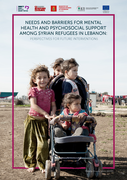
Needs and barriers for mental health and psychosocial support among syrian refugees in lebanon: perspectives for future interventions
European Union Civil protection and Humanitarian Aid
European Union Civil protection and Humanitarian Aid
(2018)
CC
Results
Recommendations• NGOs should provide MHPSS services with a focus on empowerment and self-reliance
• Introduce interventions focusing on pain mechanisms, coping strategies and physical resilience
• Implement livelihood programmes
• Increase service accessibility and outreach activ
...
ities
• Provide support groups for people who have lost a close family member
• Highlight the importance of supervision and training
• Ensure high quality service provisions by applying relevant outcome measures and to further contribute to the evidence base for MHPSS
• Diversify MHPSS activities to different target groups, including men and women, and address the needs of elderly and individuals with disabilities
This study provides evidence of a large gap between the need of MHPSS among Syrian refugees and provided services. Of the 1082 respondents in this study, 62% expressed that they needed assistance to deal with physical pain and distress. Almost 80% reported being in pain, of which 27% were in severe or very severe pain. Additionally, 55% suffer from distress and 56% rate their own health as fair or poor. Even among the 18-25-yearolds, the prevalence of reporting their overall health as fair was 30.7%. For functionality levels, 28.5% felt severely or extremely emotionally affected by their health problems, and more than 20% had serious difficulties in doing day-to-day work. On the other hand, the majority (72-74%) had no problems in maintaining friendships and participating in community activities
more

These Frequently Asked Questions (FAQs) have been developed by the Infant Feeding in Emergencies (IFE) Core Group Infectious Disease Working Group based on the most recent recommendations, collective knowledge and evidence on cholera. The FAQs also
...
draw on infant and young child feeding (IYCF) recommendations from the World Health Organization (WHO) and the Infant Feeding in Emergencies Core Group (IFE CG). These FAQs are intended to provide answers to health workers and the public – including mothers who are breastfeeding or expressing milk – on breastfeeding during a cholera outbreak.
more
The Cost of Security Risk Management for NGOs explores the costs related to safety and security management for aid programmes. It aims to assist all aid practitioners to determine their risk managem
...
ent expenditure more accurately, and demonstrate an evidence-based approach when presenting this information to donors.
The paper will be particularly relevant to those responsible for programme planning and management, donor proposal writing, as well as safety and security risk management.
more
13 juillet 2021. L'Aïd al Adha est une fête au cours de laquelle les familles et les amis musulmans s'unissent pour prier ensemble et faire l'aumône, notamment sous la forme de viande animale sacrifiée. À la lumière de la pandémie de COVID-19
...
, ce document met en évidence des conseils de santé publique pour les rassemblements sociaux et les pratiques religieuses qui peuvent être appliqués dans différents contextes nationaux.
more

This guide aims to support the implementation of evidence-based practices to reduce morbidity and mortality due to postpartum haemorrhage (PPH). Implementation is a multidisciplinary process that requires engagement from multiple stakeholders. Furth
...
ermore, implementation can and should be pursued in a systematic and evidence-based manner.
This Implementation guide presents a structured process that will aid countries in their efforts to incorporate the latest PPH recommendations into national PPH guidelines and clinical practice.
more

Practice Parameter on Disaster Preparedness
Pfefferbaum, B., Shaw, J.A. & American Academy of Child and Adolescent Psychiatry (AACAP) Committee on Quality Issues (CQI)
American Academy of Child and Adolescent Psychiatry (AACAP)
(2013)
CC
AACAP OFFICIAL ACTION | This Practice Parameter identifies best approaches to the assessment and management of children and adolescents across all phases of a disaster. Delivered within a disaster system of care, many interventions are appropriate for implementation in the weeks and months after a d
...
isaster. These include psychological first aid, family outreach, psychoeducation, social support, screening, and anxiety reduction techniques. The clinician should assess and monitor risk and protective factors across all phases of a disaster. Schools are a natural site for conducting assessments and delivering services to children. Multimodal approaches using social support, psychoeducation, and cognitive behavioral techniques have the strongest evidence base. Psychopharmacologic interventions are not generally used but may be necessary as an adjunct to other interventions for children with severe reactions or coexisting psychiatric conditions
more
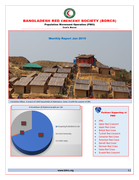
JOINT RESPONSE PLAN (JRP)
The Strategic Executive Group has developed a Joint Response Plan (JRP) for 2019 regarding the displaced people from Myanmar and who are affected specially by this influx The JRP has included different issues in terms of measuring people who are in need, of support interve
...
ntions and assistance, types of aid, a emphasizing on a coordinated approach among all NGOs and concerned government sectors pointing the below topics:
• Overview of the crisis and needs
• Protection framework for humanitarian response
• Response strategy of 2019
• Coordination and monitoring
• The new way of working
• Cross-cutting issues
• People targeted by sector
Through developing this Plan, the SEG attempted to depicting shared understanding of the crisis, including the most pressing humanitarian needs. It represents a consolidated evidence-base and will helps this joint strategic response plan who are working at the same ground.
more
The chapter Fostering Health Systems’ Monitoring to Better Serve Older Populations is part of the publication series entitled Decade of Healthy Aging: Situation and Challenges. The publications are designed to favor the prioritization of effective actions at the local level as well as the monitori
...
ng of data and public health policies, and providing evidence-based information. Along with the objective of presenting the available updated knowledge about the situation of health and aging at the beginning of the Decade of Healthy Aging in the Americas, this publication gives information about health systems’ monitoring to better serve the needs of older adults and emphasizes the need for societies and health systems to better adapt to an aging population. It introduces the 360-tool as a guide to adapt health systems through monitoring tracers/indicators and highlighting the data and information that is readily available, disaggregated by age. This information can aid in decision-making and resource allocation to support older adults’ needs. Concerning the 360-tool development, a consensus has been reached on seven tracer indicators with high relevance to informing policy, and case studies in selected countries have assessed the feasibility of this approach. The list of indicators and the process related to the development of the tool are presented in this publication. The Decade of Healthy Aging 2021-2030 is a period to guide action towards the transformation of societies by fostering the inclusion of older people in every decision. This publication intends to contribute to this strategy and highlight the upcoming challenges and opportunities on healthy aging.
more
Unfortunately, current data available on SDG financing are not sufficient to quantify the distribution of financing for the SDGs.
AidData’s methodology for measuring financing to the SDGs attempts to fill this gap by analyzing development project documentation to estimate project-level contributi
...
ons to the SDGs (and their associated targets). This methodology lets us see where development financing is targeted, allowing comparisons among SDG goals and individual SDG targets.
This methodology note describes two iterations of AidData’s methodology. The first, based on a crosswalk with existing aid reporting schemes, was employed for AidData’s 2017 flagship report Realizing Agenda 2030: Will donor dollars and country priorities align with global goals? and our brief Financing the SDGs in Colombia. The second iteration of the methodology employs a direct coding scheme, linking development projects directly to the SDGs through analysis and coding of project descriptions rather than through an intermediary classification system. This method was employed for our 2019 brief Financing the SDGs: Evidence in Four Countries.
more
The majority of Countdown countries did not reach the fourth Millennium Development Goal (MDG 4) on reducing child mortality, despite the fact that donor funding to the health sector has drastically increased. When tracking aid invested in child sur
...
vival, previous studies have exclusively focused on aid targeting reproductive, maternal, newborn, and child health (RMNCH). We take a multi-sectoral approach and extend the estimation to the four sectors that determine child survival: health (RMNCH and non-RMNCH), education, water and sanitation, and food and humanitarian assistance (Food/HA). Methods and findings: Using donor reported data, obtained mainly from the OECD Creditor Reporting System and Development Assistance Committee, we tracked the level and trends of aid (in grants or loans) disbursed to each of the four sectors at the global, regional, and country levels. We performed detailed analyses on missing data and conducted imputation with various methods. To identify aid projects for RMNCH, we developed an identification strategy that combined keyword searches and manual coding. To quantify aid for RMNCH in projects with multiple purposes, we adopted an integrated approach and produced the lower and upper bounds of estimates for RMNCH, so as to avoid making assumptions or using weak evidence for allocation. We checked the sensitivity of trends to the estimation methods and compared our estimates to that produced by other studies. Our study yielded time-series and recipient-specific annual estimates of aid disbursed to each sector, as well as their lower- and upper-bounds in 134 countries between 2000 and 2014, with a specific focus on Countdown countries. We found that the upper-bound estimates of total aid disbursed to the four sectors in 134 countries rose from US$ 22.62 billion in 2000 to US$ 59.29 billion in
more
Many features of the environment have been found to exert an important influence on cardiovascular disease (CVD) risk, progression, and severity. Changes in the environment due to migration to different geographic locations, modifications in lifestyle choices, and shifts in social policies and cultu
...
ral practices alter CVD risk, even in the absence of genetic changes. Nevertheless, the cumulative impact of the environment on CVD risk has been difficult to assess
and the mechanisms by which some environment factors influence CVD remain obscure. Human environments are complex; and their natural, social and personal domains are highly variable due to diversity in human ecosystems, evolutionary histories, social structures, and individual choices. Accumulating evidence supports the notion that ecological features such as the diurnal cycles of
light and day, sunlight exposure, seasons, and geographic characteristics of the natural environment such altitude, latitude and greenspaces are important determinants of cardiovascular health and CVD risk. In highly developed societies, the influence of the natural environment is moderated by the physical characteristics of the social environments such as the built environment
and pollution, as well as by socioeconomic status and social networks. These attributes of the
social environment shape lifestyle choices that significantly modify CVD risk. An understanding
of how different domains of the environment, individually and collectively, affect CVD risk could
lead to a better appraisal of CVD, and aid in the development of new preventive and therapeutic
strategies to limit the increasingly high global burden of heart disease and stroke.
more
