
Filter
1797
Text search:
resilience
plan
Featured
169
469
Language
Document type
732
452
204
172
141
37
26
24
5
2
2
Countries
134
71
59
48
39
38
33
32
31
29
28
27
25
25
24
22
22
20
20
15
15
15
15
13
13
12
12
12
12
12
11
11
11
11
10
9
9
9
8
8
8
8
7
7
7
7
7
7
7
6
6
5
5
5
5
5
5
5
5
4
4
4
4
4
4
3
3
3
3
3
3
3
3
3
2
2
2
2
2
2
2
2
2
2
2
1
1
1
1
1
1
1
1
1
1
1
1
1
1
1
1
1
1
1
1
1
1
Authors & Publishers
Publication Years
Category
540
226
90
75
35
25
5
Toolboxes
215
198
192
142
78
77
72
67
66
59
52
42
33
31
21
18
15
15
12
8
6
6
5
4
4
3
1

The webpage explains “Preparedness 2.0,” a regional strategy by the World Health Organization (WHO) for Europe aimed at strengthening countries’ ability to prevent, prepare for, and respond to health emergencies. It outlines a five-year action plan
...


La stratégie de la FAO vise à renforcer la résilience des populations vulnérables face à la covid-19 et repose sur quatre priorités stratégiques: la prévention de la propagation de la maladie à travers les campagnes d’information et de s
...
IOM Ethiopia plans to provide timely and tailored humanitarian assistance and resilience programming for crisis-affected populations in Ethiopia and vulnerable migrant returnees, aiming towards durable and sustainable solutions.
Now entering its ninth year, the crisis in north-east Nigeria has created vulnerabilities and humanitarian concerns. An estimated 7.7 million men, women, boys and girls are in acute need of protection and assistance. While the humanitarian community has provided life-saving assistance to over 5.6 mi
...
The International Organization for Migration (IOM) is appealing for USD 158.9 million to respond to the urgent humanitarian needs of millions of Afghans and to support recovery and resilience within the country and the region.
IOM’s Comprehensi
...

L’ampleur de la crise en 2021 s’est accentuée avec l’expansion de la violence et de l’insécurité dans tout le nord et le centre, et vers le sud du pays. Dans ce contexte de sous-investissements, de pauvreté chronique, de crise sociopolitique, les conflits, l’insécurité multiforme et
...
Climate-related disasters, heatwaves, climate-sensitive diseases, and severe droughts and floods are taking lives and harming health, livelihoods, and ecosystems across the countries of the Caribbean, as in other Small Island Developing States (SIDS) around the world. In recognition of the high vuln
...
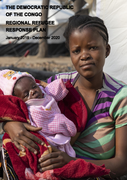
Looking forward, the 2019-2020 Regional Refugee Response Plan (RRRP) for the DRC situation aims at addressing the needs of new arrivals of Congolese refugees in the region, and those in protracted situations. By supporting livelihoods opportunities
...
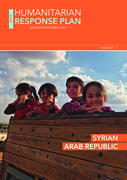
The 2019 Humanitarian Response Plan (HRP) sets out the framework within which the humanitarian community will respond to the large-scale humanitarian and protection needs in Syria throughout 2019, on the basis of the prioritization undertaken across
...
Climate change (CC) impacts on health outcomes, both direct and indirect, are sufficient to jeopardize achieving the World Bank Group’s visions and agendas in poverty reduction, population resilience, and health, nutrition and population (HNP). In
...

The arrival of COVID-19 in Afghanistan has brought heartache to millions of people who are now battling a deadly pandemic while simultaneously fighting for their survival amid poverty, disaster and war. Over my three years as Humanitarian Coordinator, I have marvelled at the
...

After five consecutive below-average rains, the humanitarian crisis in the Horn of Africa is expanding and deepening.
Combined with insecurity and macroeconomic volatility, the impact of the drought on food and nutrition security has been devastating. Across Ethiopia, Kenya and Somalia, an estima
...
The WHO webpage describes the Preparedness and Resilience for Emerging Threats (PRET) initiative, which is a global approach to improve how countries prepare for and respond to future pandemics. Instead of focusing on individual diseases, PRET empha
...

Lessons learned from recent public health events such as the COVID-19 pandemic, Ebola virus disease, Zika virus disease outbreaks, and other public health threats, including earthquakes and floods, have highlighted the need for countries to continuously develop, strengthen, and maintain capacities r
...
