
Filter
318
Text search:
germs
Featured
42
94
Language
Document type
155
37
26
25
25
17
10
8
5
5
4
1
Countries
22
15
8
7
7
6
6
6
5
5
5
5
4
4
4
3
3
3
3
2
2
2
2
2
2
1
1
1
1
1
1
1
1
1
1
1
Authors & Publishers
Publication Years
Category
112
45
19
19
14
11
1
Toolboxes
37
23
22
20
20
18
12
11
9
8
8
6
5
5
4
4
2
2
1

Chapter 13 in Stone, E. (ed.) 1999: Disability and Development: Learning from action and research on disability in the majority world, Leeds: The Disability Press pp. 210-227
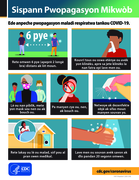
Sispann Pwopagasyon Mikwòb
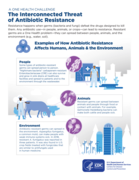
Resistance happens when germs (bacteria and fungi) defeat the drugs designed to kill them. Any antibiotic use—in people, animals, or crops—can lead to resistance. Resistant germs are a One Healt
...
Washing hands is the best way to prevent the spread of germs and diseases. Dirty hands can carry pathogenic germs that can sicken a person or spread diseases to others. Microorganisms such as bacter
...

Diseases that spread easily have always been around. Sometimes these diseases spread from one person to another person. Sometimes they spread from animals to people. Other times, they spread through germs in the water, soil, food, or air.
Some dise
...

Accessed: 02.05.2020
This campaign was designed to motivate mothers to wash their own hands with soap and to encourage their children to do the same. The campaign involved framing handwashing with soap without using the word "germs" and to frame
...
This article is part two in a series of explainers on vaccine development and distribution. Part one focused on how vaccines work to protect our bodies from disease-carrying germs. This article focuses on the ingredients in a vaccine and the three
...

This document is part three in a series of explainers on vaccine development and distribution. Part one focused on how vaccines work to protect our bodies from disease-carrying germs. Part two focused on the ingredients in a vaccine and the three c
...
This article is part four in a series of explainers on vaccine development and distribution.
Part one focused on how vaccines work to protect our bodies from disease-carrying germs.
Part two focused on the ingredients in a vaccine and the three cl
...
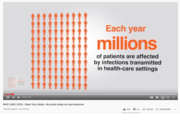
Every year, millions of patients are affected by infections transmitted during their stay in a health-care facility, where resistant germs are often transferred via the hands of health workers. Resistance to antimicrobials reduces or impedes the eff
...
This video provides an overview of how a virus spreads, invades the body’s cells, and results in symptoms, as well as how a vaccine works to use the body’s natural immune response to protect us from these germs.
Specific attention is paid to th
...
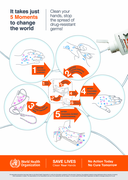
It takes just 5 moments to change the world. Clean your hands, stop the spread of drug-resistant germs!

Coronavirus disease 2019 is also known as COVID-19. It is a viral illness that infects the lungs. It is caused by a virus called SARS-associated coronavirus (SARS-CoV-2). This illness was first seen in late 2019 in China and has spread across the world.
The signs of COVID-19 are like the flu, and y
...

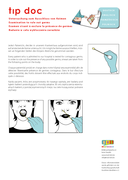
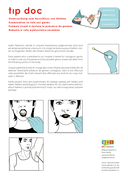
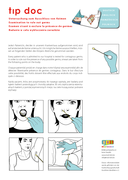
Bebilderte Informationsblätter in Deutsch-Englisch-Französisch-Polnisch-Russisch-Serbisch-
Albanisch-Türkisch-Arabisch-Farsi-Urdu


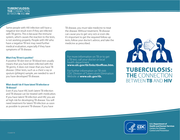
For more information on TB or to get a TB test, call your doctor or local health department www.cdc.gov/tb/links/tboffices.htm. For further information on TB visit: CDC Division of Tuberculosis Elimination Website at www.cdc.gov/tb.
Accessed November 2017
