Filter
2331
Text search:
pain
control
Featured
310
592
Language
2244
71
66
33
31
16
12
9
8
6
6
6
6
5
5
5
5
4
4
4
4
3
3
3
3
3
3
3
3
3
3
3
2
2
2
2
2
2
2
2
2
2
2
2
1
1
1
1
1
1
1
1
1
1
1
Document type
1269
438
254
165
72
50
45
18
8
7
4
1
Countries
181
91
62
59
59
51
51
46
34
34
33
32
32
31
25
25
25
22
20
20
20
17
16
15
15
14
13
11
10
9
8
8
8
8
8
8
8
7
7
7
7
7
7
7
6
6
5
5
5
5
5
5
4
4
4
4
4
4
3
3
3
3
3
3
3
3
3
3
2
2
2
2
2
2
2
2
2
2
2
2
2
2
2
2
2
1
1
1
1
1
1
1
1
1
1
1
1
1
1
1
1
1
1
1
1
1
1
1
1
1
Authors & Publishers
333
129
62
59
56
39
38
37
32
27
27
24
18
16
13
13
12
11
11
11
11
11
11
11
10
10
10
9
9
9
8
8
8
8
7
7
7
7
7
7
7
7
6
6
6
6
6
6
6
6
6
6
6
5
5
5
5
5
5
5
5
5
4
4
4
4
4
4
4
4
4
4
4
4
4
4
4
4
4
4
4
4
4
4
4
4
4
4
4
4
4
3
3
3
3
3
3
3
3
3
3
3
3
3
3
3
3
3
3
3
3
3
3
3
3
3
3
3
3
3
3
3
3
3
3
3
3
3
3
3
3
3
3
2
2
2
2
2
2
2
2
2
2
2
2
2
2
2
2
2
2
2
2
2
2
2
2
2
2
2
2
2
2
2
2
2
2
2
2
2
2
2
2
2
2
2
2
2
2
2
2
2
2
2
2
2
2
2
2
2
2
2
2
2
2
2
2
2
2
2
2
2
2
2
2
2
2
2
2
2
2
2
2
2
2
2
2
2
2
2
2
2
2
2
2
2
2
2
2
2
2
2
2
2
2
2
2
2
2
2
2
2
2
2
2
2
2
2
2
2
2
2
2
2
2
2
2
2
2
2
2
2
2
2
2
2
2
2
2
2
2
2
2
2
2
2
1
1
1
1
1
1
1
1
1
1
1
1
1
1
1
1
1
1
1
1
1
1
1
1
1
1
1
1
1
1
1
1
1
1
1
1
1
1
1
1
1
1
1
1
1
1
1
1
1
1
1
1
1
1
1
1
1
1
1
1
1
1
1
1
1
1
1
1
1
1
1
1
1
1
1
1
1
1
1
1
1
1
1
1
1
1
1
1
1
1
1
1
1
1
1
1
1
1
1
1
1
1
1
1
1
1
1
1
1
1
1
1
1
1
1
1
1
1
1
1
1
1
1
1
1
1
1
1
1
1
1
1
1
1
1
1
1
1
1
1
1
1
1
1
1
1
1
1
1
1
1
1
1
1
1
1
1
1
1
1
1
1
1
1
1
1
1
1
1
1
1
1
1
1
1
1
1
1
1
1
1
1
1
1
1
1
1
1
1
1
1
1
1
1
1
1
1
1
1
1
1
1
1
1
1
1
1
1
1
1
1
1
1
1
1
1
1
1
1
1
1
1
1
1
1
1
1
1
1
1
1
1
1
1
1
1
1
1
1
1
1
1
1
1
1
1
1
1
1
1
1
1
1
1
1
1
1
1
1
1
1
1
1
1
1
1
1
1
1
1
1
1
1
1
1
1
1
1
1
1
1
1
1
1
1
1
1
1
1
1
1
1
1
1
1
1
1
1
1
1
1
1
1
1
1
1
1
1
1
1
1
1
1
1
1
1
1
1
1
1
1
1
1
1
1
1
1
1
1
1
1
1
1
1
1
1
1
1
1
1
1
1
1
1
1
1
1
1
1
1
1
1
1
1
1
1
1
1
1
1
1
1
1
1
1
1
1
1
1
1
1
1
1
1
1
1
1
1
1
1
1
1
1
1
1
1
1
1
1
1
1
1
1
1
1
1
1
1
1
1
1
1
1
1
1
1
1
1
1
1
1
1
1
1
1
1
1
1
1
1
1
1
1
1
1
1
1
1
1
1
1
1
1
1
1
1
1
1
1
1
1
1
1
1
1
1
1
1
1
1
1
1
1
1
1
1
1
1
1
1
1
1
1
1
1
1
1
1
1
1
1
1
1
1
1
1
1
1
1
1
1
1
1
1
1
1
1
1
1
1
1
1
1
1
1
1
1
1
1
1
1
1
1
1
1
1
1
1
1
1
1
1
1
1
1
1
1
1
1
1
1
1
1
1
1
1
1
1
1
1
1
1
1
1
1
1
1
1
1
1
1
1
1
1
1
1
1
1
1
1
1
1
1
1
1
1
1
1
1
1
1
1
1
1
1
1
1
1
1
1
1
1
1
1
1
1
1
1
1
1
1
1
1
1
1
1
1
1
1
1
1
1
1
1
1
1
1
1
1
1
1
1
1
1
1
1
1
1
1
1
1
1
1
1
1
1
1
1
1
1
1
1
1
1
1
1
1
1
1
1
1
1
1
1
1
1
1
1
1
1
1
1
1
1
1
1
1
1
1
1
1
1
1
1
1
1
1
1
1
1
1
1
1
1
1
1
1
1
1
1
1
1
1
1
1
1
1
1
1
1
1
1
1
1
1
1
1
1
1
1
1
1
1
1
1
1
1
1
1
1
1
1
1
1
1
1
1
1
1
1
1
1
1
1
1
1
1
1
1
1
1
1
1
1
1
1
1
1
1
1
1
1
1
1
1
1
1
1
1
1
1
1
1
1
1
1
1
1
1
1
1
1
1
1
1
1
1
1
1
1
1
1
1
1
1
1
1
1
1
1
1
1
1
1
1
1
1
1
1
1
1
1
1
1
1
1
1
1
1
1
1
1
1
1
1
1
1
1
1
1
1
1
1
1
1
1
1
1
1
1
1
1
1
1
1
1
1
1
1
1
1
1
1
1
1
1
1
1
1
1
1
1
1
1
1
1
1
1
1
1
1
1
1
1
1
1
1
1
1
1
1
1
1
1
1
1
1
1
1
1
1
1
1
1
1
1
1
1
1
1
1
1
1
1
1
1
1
1
1
1
1
1
1
1
1
1
1
1
1
1
1
1
1
1
1
1
1
1
1
1
1
1
1
1
1
1
1
1
1
1
1
1
1
1
1
1
1
1
1
1
1
1
1
1
1
1
1
1
1
1
1
1
1
1
1
1
1
1
1
1
1
1
1
1
1
1
1
1
1
1
1
1
1
1
1
1
1
1
1
1
1
1
1
1
1
1
1
1
1
1
1
1
1
1
1
1
1
1
1
1
1
1
1
1
1
1
1
1
1
1
1
1
1
1
1
1
1
1
1
1
1
1
1
1
1
1
1
1
1
1
1
1
1
1
1
1
1
1
1
1
1
1
1
1
1
1
1
1
1
1
1
1
1
1
1
1
1
1
1
1
1
1
1
1
1
1
1
1
1
1
1
1
1
1
1
1
1
1
1
1
1
1
1
1
1
1
1
1
1
1
1
1
1
1
1
1
1
1
1
1
1
1
1
1
1
1
1
1
1
1
1
1
1
1
1
1
1
1
1
1
1
1
1
1
1
1
1
1
1
1
1
1
1
1
1
1
1
1
1
1
1
1
1
1
1
1
1
1
1
1
1
1
1
1
1
1
1
1
1
1
1
1
1
1
1
1
1
1
1
1
1
1
1
1
1
1
1
1
1
1
1
1
1
1
1
1
1
1
1
1
1
1
1
1
1
1
1
1
1
1
1
1
1
1
1
1
1
1
1
1
1
1
1
1
1
1
1
1
1
1
1
1
1
1
1
1
1
1
1
1
1
1
1
1
1
1
1
1
1
1
1
1
1
1
1
1
1
1
1
1
1
1
1
1
1
1
1
1
1
1
1
1
1
1
1
1
1
1
1
1
1
1
1
1
1
1
1
1
1
1
1
1
1
1
1
1
1
1
1
1
1
1
1
1
1
1
1
1
1
1
1
1
1
1
1
1
1
1
1
1
1
1
1
1
1
1
1
1
1
1
1
1
1
1
1
1
1
1
1
1
1
1
1
1
1
1
1
1
1
1
1
1
1
1
1
1
1
1
1
1
1
1
1
1
1
1
1
1
1
1
1
1
1
1
1
1
1
1
1
1
1
1
1
1
1
1
1
1
1
1
1
1
1
1
1
1
1
1
1
1
1
1
1
1
1
1
1
1
1
1
1
1
1
1
1
1
1
1
1
1
1
1
1
1
1
1
1
1
1
1
1
1
1
1
1
1
1
1
1
1
1
1
1
1
1
1
1
1
1
1
1
1
1
1
1
1
1
1
1
1
1
1
1
1
1
1
1
1
1
1
1
1
1
1
1
1
1
1
1
1
1
1
1
1
1
1
1
1
1
1
1
1
1
1
1
1
1
1
1
1
1
1
1
1
1
1
1
1
1
1
1
1
1
1
1
1
1
1
1
1
1
1
1
1
1
1
1
1
1
1
1
1
1
1
1
1
1
1
1
1
1
1
1
1
1
1
1
1
1
1
1
1
1
1
1
1
1
1
1
1
1
1
1
1
1
1
1
1
1
1
1
1
1
1
1
1
1
1
1
1
1
1
1
1
1
1
1
1
1
1
1
1
1
1
1
1
1
1
1
1
1
1
1
1
1
1
1
1
1
1
1
1
1
1
1
1
1
1
1
1
1
1
1
1
1
1
1
1
1
1
1
1
1
1
1
1
1
1
1
1
1
1
1
1
1
1
1
1
1
1
1
1
1
1
1
1
1
1
1
1
1
1
1
1
1
1
1
1
1
1
1
1
1
1
1
1
1
1
1
1
1
1
1
1
1
1
1
1
1
1
1
1
Publication Years
613
1423
271
22
2
Category
768
350
176
124
79
71
12
1
Toolboxes
295
162
141
132
100
98
71
55
55
50
49
45
41
39
29
25
23
23
23
22
18
13
10
7
3
Wheelchair Service Training Package - Basic level | The main purpose of the training package is to develop the minimum skills and knowledge required by personnel involved in wheelchair service delivery. An important aim of the training package is to get it integrated into the regular paramedical/reh
...
abilitation training programs such as physiotherapy, occupational therapy, prosthetics and orthotics, rehabilitation nursing. Towards this, WHO is posting the whole training package in the Website for the training institutes and wheelchair service providers. The easiest way to make use of the training package is to download the complete package (requires 3 GB space).
more
The purpose of the Participant’s Workbook is to develop the skills and knowledge of personnel involved in wheelchair service delivery. The Participant’s Workbook contains exercises which will help to test and develop participants’ knowledge and skills. The Participant’s Workbook contains mat
...
erial from lectures, slide presentations and the reference manual; it is intended that the participants will keep their copy of the workbook for future reference, if needed.
more

Towards a Core Set of Clinical Skills for Health-Related Community Based Rehabilitation in Low and Middle Income Countries
Jessica O'Dowd, Malcolm MacLachlan, Chapel Khasnabis, Priscille Geiser
Disability, CBR & Inclusive Development Journal (DCIDJ)
(2015)
CC
This research aims to identify a core set of clinical skills for working in
a Community Based Rehabilitation (CBR) setting, and to discuss whether they are appropriate for task shifting to a new or an alternative cadre of rehabilitation workers.
STUDY REPORT | This study of the impact of the Nepal earthquake of 25 April, 2015, aims to understand the impact factors leading to the exclusion of older people and persons with disabilities from humanitarian action, barriers to their inclusion, and the extent to which their skills and knowledge we
...
re utilised to promote inclusive humanitarian action and, using this understanding, to formulate a set of recommendations for promoting inclusion. These recommendations will be used to sensitise the broader humanitarian community to the need for inclusive disaster risk management practices in future emergency responses which pay attention to factors such as gender, age, disability and ethnicity, and build upon the capacities of older people and persons with disabilities.
more

Seizures constitute the most common neurological problem in children and the majority of epilepsy has its onset in childhood. Appropriate diagnosis and management of childhood epilepsy is essential to improve quality of life in these children. Evidence-based clinical practice guidelines, modified to
...
the Indian setting by a panel of experts, are not available.
more


Prepared as an outcome of ICMR Subcommittee on Buccal Mucosa Cancer | This consensus document on management of Buccal Mucosa cancers summarizes the modalities of treatment including the site-specific anti-cancer therapies, supportive and palliative care and molecular markers and research questions.
...
It also interweaves clinical, biochemical and epidemiological studies.
more
Prepared as an outcome of ICMR Subcommittee on Cancer Cervix | This consensus document on management of cervix cancer summarizes the modalities of treatment including the site-specific anti-cancer therapies, supportive and palliative care and molecular markers and research questions. It also interwe
...
aves clinical, biochemical and epidemiological studies.
more
Prepared as an outcome of ICMR Subcommittee on Colorectal Cancer | Coordinated by Division of Non Communicable Diseases | This Consensus Document on Management of Colorectal Cancer summarizes the modalities of treatment including the site-specific anti-cancer therapies,
supportive and palliative ca
...
re and molecular markers and research questions. It also interweaves clinical, biochemical and epidemiological studies.
more
Prepared as an outcome of ICMR Subcommittee on Esophageal Cancer | This consensus document on management of esophageal cancers
summarizes the modalities of treatment including the site-specific anti-cancer therapies, supportive and palliative care and molecular markers and research questions. It a
...
lso interweaves clinical, biochemical and epidemiological studies.
more
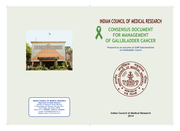
Prepared as an outcome of ICMR Subcommittee on Gastric Cancer | This consensus document on Management of Gallbladder cancers summarizes the modalities of treatment including the site-specific anti-cancer therapies, supportive and palliative care and molecular markers and research questions. It also
...
interweaves clinical, biochemical and epidemiological studies.
more

Prepared as an outcome of ICMR Subcommittee on Multiple Myeloma | This consensus document on management of multiple myeloma summarizes the modalities of treatment including the site-specific anti-cancer therapies, supportive and palliative care and molecular markers and research questions. It also i
...
nterweaves clinical, biochemical and epidemiological studies.
more
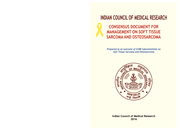
Prepared as an outcome of ICMR Subcommittee on Soft Tissue Sarcoma and Osteosarcoma | This consensus document on Management of Soft Tissue Sarcoma and Osteosarcoma summarizes the modalities of treatment including the site-specific anti-cancer therapies, supportive and palliative care and molecular
...
markers and research questions. It also interweaves clinical, biochemical and epidemiological studies.
more
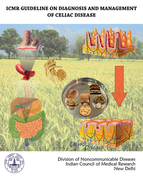
Division of Noncommunicable Diseases | draft guidelines on diagnosis and management of a chronic immune-mediated enteropathy called celiac disease. This disease is caused is mainly caused in genetically susceptible individuals by ingestion of gluten proteins that are present in wheat, barley and oat
...
s.
more
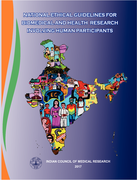
These guidelines are applicable to all biomedical, social and behavioural science research for health conducted in India involving human participants, their biological material and data.
The purpose of such research should be: i. directed towards enhancing knowledge about the human condition while
...
maintaining sensitivity to the Indian cultural, social and natural environment; ii. conducted under conditions such that no person or persons become mere means for the betterment of others and that human beings who are participating in any biomedical and/or health research or scientific experimentation are dealt with in a manner conducive to and consistent with their dignity and well-being, under conditions of professional fair treatment and transparency; and iii. subjected to a regime of evaluation at all stages of the research, such as design, conduct and reporting of the results thereof.
more
These guidelines have been developed specifically to address ethical issues of conducting research in children.

INDEX-TB Guidelines - Guidelines on extra-pulmonary tuberculosis for India
Indian Council of Medical Research (ICMR), Global Health Advocates, Cochrane Infectious Diseases Group
World Health Organisation (WHO)
(2016)
C1
The main objective of these guidelines is to provide guidance on up-to-date, uniform, evidence-informed practices for suspecting, diagnosing and managing various forms of extra-pulmonary tuberculosis (EPTB) at all levels of healthcare delivery. They can then contribute to the National Programme to i
...
mprove detection, care and outcomes in EPTB; to help the programme with initiation of treatment, adherence and completion whilst minimizing drug toxicity and overtreatment; and contribute to practices that minimize the development of drug resistance.
more
This document contains: The systematic reviews and GRADE assessments used at the Index-TB Guideline Panel in July 2015; The Evidence to Decision tables that record the Panel’s assessment and recommendations from
this meeting