
Filter
2629
Text search:
Health
Care
without
Harm
Featured
332
605
Language
2564
65
56
42
39
20
18
11
7
6
5
5
5
5
5
4
4
4
4
4
4
4
3
3
3
3
3
3
3
3
3
3
3
3
3
3
3
2
2
2
2
2
2
2
2
1
1
1
1
1
1
1
1
1
1
1
1
1
1
1
1
1
Document type
1268
455
419
233
103
76
48
10
6
2
2
2
1
Countries
133
124
65
57
49
47
42
34
33
32
32
32
30
30
28
25
24
21
20
18
17
17
17
17
15
14
13
13
12
11
11
11
10
10
9
9
8
8
8
8
7
7
7
7
7
7
6
6
5
5
5
5
5
5
4
4
4
4
4
4
4
4
3
3
3
3
3
3
2
2
2
2
2
2
2
2
2
2
2
2
1
1
1
1
1
1
1
1
1
1
1
1
1
1
1
1
1
1
1
1
1
1
1
1
1
1
1
1
1
1
1
1
Authors & Publishers
454
137
72
68
68
63
56
52
39
30
20
19
19
19
18
18
16
16
16
15
15
14
14
13
11
11
11
10
10
9
9
9
9
9
8
8
8
7
7
7
7
7
7
7
7
7
6
6
6
6
6
6
6
6
6
6
6
6
6
6
6
6
6
6
6
5
5
5
5
5
5
5
5
5
5
5
5
5
5
5
5
5
5
5
5
4
4
4
4
4
4
4
4
4
4
4
4
4
4
4
4
4
4
4
4
3
3
3
3
3
3
3
3
3
3
3
3
3
3
3
3
3
3
3
3
3
3
3
3
3
3
3
3
3
3
3
3
3
3
3
3
3
3
3
3
2
2
2
2
2
2
2
2
2
2
2
2
2
2
2
2
2
2
2
2
2
2
2
2
2
2
2
2
2
2
2
2
2
2
2
2
2
2
2
2
2
2
2
2
2
2
2
2
2
2
2
2
2
2
2
2
2
2
2
2
2
2
2
2
2
2
2
2
2
2
2
2
2
2
2
2
2
2
2
2
2
2
2
2
2
2
2
2
2
2
2
2
2
2
2
2
2
2
2
2
2
2
2
2
2
2
2
2
2
2
2
2
2
2
2
2
2
2
2
2
2
2
2
2
2
2
2
2
2
2
2
2
2
2
2
2
2
2
2
2
2
1
1
1
1
1
1
1
1
1
1
1
1
1
1
1
1
1
1
1
1
1
1
1
1
1
1
1
1
1
1
1
1
1
1
1
1
1
1
1
1
1
1
1
1
1
1
1
1
1
1
1
1
1
1
1
1
1
1
1
1
1
1
1
1
1
1
1
1
1
1
1
1
1
1
1
1
1
1
1
1
1
1
1
1
1
1
1
1
1
1
1
1
1
1
1
1
1
1
1
1
1
1
1
1
1
1
1
1
1
1
1
1
1
1
1
1
1
1
1
1
1
1
1
1
1
1
1
1
1
1
1
1
1
1
1
1
1
1
1
1
1
1
1
1
1
1
1
1
1
1
1
1
1
1
1
1
1
1
1
1
1
1
1
1
1
1
1
1
1
1
1
1
1
1
1
1
1
1
1
1
1
1
1
1
1
1
1
1
1
1
1
1
1
1
1
1
1
1
1
1
1
1
1
1
1
1
1
1
1
1
1
1
1
1
1
1
1
1
1
1
1
1
1
1
1
1
1
1
1
1
1
1
1
1
1
1
1
1
1
1
1
1
1
1
1
1
1
1
1
1
1
1
1
1
1
1
1
1
1
1
1
1
1
1
1
1
1
1
1
1
1
1
1
1
1
1
1
1
1
1
1
1
1
1
1
1
1
1
1
1
1
1
1
1
1
1
1
1
1
1
1
1
1
1
1
1
1
1
1
1
1
1
1
1
1
1
1
1
1
1
1
1
1
1
1
1
1
1
1
1
1
1
1
1
1
1
1
1
1
1
1
1
1
1
1
1
1
1
1
1
1
1
1
1
1
1
1
1
1
1
1
1
1
1
1
1
1
1
1
1
1
1
1
1
1
1
1
1
1
1
1
1
1
1
1
1
1
1
1
1
1
1
1
1
1
1
1
1
1
1
1
1
1
1
1
1
1
1
1
1
1
1
1
1
1
1
1
1
1
1
1
1
1
1
1
1
1
1
1
1
1
1
1
1
1
1
1
1
1
1
1
1
1
1
1
1
1
1
1
1
1
1
1
1
1
1
1
1
1
1
1
1
1
1
1
1
1
1
1
1
1
1
1
1
1
1
1
1
1
1
1
1
1
1
1
1
1
1
1
1
1
1
1
1
1
1
1
1
1
1
1
1
1
1
1
1
1
1
1
1
1
1
1
1
1
1
1
1
1
1
1
1
1
1
1
1
1
1
1
1
1
1
1
1
1
1
1
1
1
1
1
1
1
1
1
1
1
1
1
1
1
1
1
1
1
1
1
1
1
1
1
1
1
1
1
1
1
1
1
1
1
1
1
1
1
1
1
1
1
1
1
1
1
1
1
1
1
1
1
1
1
1
1
1
1
1
1
1
1
1
1
1
1
1
1
1
1
1
1
1
1
1
1
1
1
1
1
1
1
1
1
1
1
1
1
1
1
1
1
1
1
1
1
1
1
1
1
1
1
1
1
1
1
1
1
1
1
1
1
1
1
1
1
1
1
1
1
1
1
1
1
1
1
1
1
1
1
1
1
1
1
1
1
1
1
1
1
1
1
1
1
1
1
1
1
1
1
1
1
1
1
1
1
1
1
1
1
1
1
1
1
1
1
1
1
1
1
1
1
1
1
1
1
1
1
1
1
1
1
1
1
1
1
1
1
1
1
1
1
1
1
1
1
1
1
1
1
1
1
1
1
1
1
1
1
1
1
1
1
1
1
1
1
1
1
1
1
1
1
1
1
1
1
1
1
1
1
1
1
1
1
1
1
1
1
1
1
1
1
1
1
1
1
1
1
1
1
1
1
1
1
1
1
1
1
1
1
1
1
1
1
1
1
1
1
1
1
1
1
1
1
1
1
1
1
1
1
1
1
1
1
1
1
1
1
1
1
1
1
1
1
1
1
1
1
1
1
1
1
1
1
1
1
1
1
1
1
1
1
1
1
1
1
1
1
1
1
1
1
1
1
1
1
1
1
1
1
1
1
1
1
1
1
1
1
1
1
1
1
1
1
1
1
1
1
1
1
1
1
1
1
1
1
1
1
1
1
1
1
1
1
1
1
1
1
1
1
1
1
1
1
1
1
1
1
1
1
1
1
1
1
1
1
1
1
1
1
1
1
1
1
1
1
1
1
1
1
1
1
1
1
1
1
1
1
1
1
1
1
1
1
1
1
1
1
1
1
1
1
1
1
1
1
1
1
1
1
1
1
1
1
1
1
1
1
1
1
1
1
1
1
1
1
1
1
1
1
1
1
1
1
1
1
1
1
1
1
1
1
1
1
1
1
1
1
1
1
1
1
1
1
1
1
1
1
1
1
1
1
1
1
1
1
1
1
1
1
1
1
1
1
1
1
1
1
1
1
1
1
1
1
1
1
1
1
1
1
1
1
1
1
1
1
1
1
1
1
1
1
1
1
1
1
1
1
1
1
1
1
1
1
1
1
1
1
1
1
1
1
1
1
1
1
1
1
1
1
1
1
1
1
1
1
1
1
1
1
1
1
1
1
1
1
1
1
1
1
1
1
1
1
1
1
1
1
1
1
1
1
1
1
1
1
1
1
1
1
1
1
1
1
1
1
1
1
1
1
1
1
1
1
1
1
1
1
1
1
1
1
1
1
1
1
1
1
1
1
1
1
1
1
1
1
1
1
1
1
1
1
1
1
1
1
1
1
1
1
1
1
1
1
1
1
1
1
1
1
1
1
1
1
1
1
1
1
1
1
1
1
1
1
1
1
1
1
1
1
1
1
1
1
1
1
1
1
1
1
1
1
1
1
1
1
1
1
1
1
1
1
1
1
1
1
1
1
1
1
1
1
1
1
1
1
1
1
1
1
1
1
1
1
1
1
1
1
1
1
1
1
1
1
1
1
1
1
1
1
1
1
1
1
1
1
1
1
1
1
1
1
1
1
1
1
1
1
1
1
1
1
1
1
1
1
1
1
1
1
1
1
1
1
1
1
1
1
1
1
1
1
1
1
1
1
1
1
1
1
1
1
1
1
1
1
1
1
1
1
1
1
1
1
1
1
1
1
1
1
1
1
1
1
1
1
1
1
1
1
1
1
1
1
1
1
1
1
1
1
1
1
1
1
1
1
1
1
1
1
1
1
1
1
1
1
1
1
1
1
1
1
1
1
1
1
1
1
1
1
1
1
1
1
1
1
1
1
1
1
1
1
1
1
1
1
1
1
1
1
1
1
1
1
1
1
1
1
1
1
1
1
1
1
1
1
1
1
1
1
1
1
1
1
1
1
1
1
1
1
1
1
1
1
1
1
1
1
1
1
1
1
1
1
1
1
1
1
1
1
1
1
1
1
1
1
1
1
1
1
1
1
1
1
1
1
1
1
1
1
1
1
1
1
1
1
1
1
1
1
1
1
1
1
1
1
1
1
1
1
1
1
1
1
1
1
1
1
1
1
1
1
1
1
1
1
1
1
1
1
1
1
1
1
1
1
1
1
1
1
1
1
1
1
1
1
1
1
1
1
1
1
1
1
1
1
1
1
1
1
1
1
1
1
1
1
1
1
1
1
1
1
1
1
1
1
1
1
1
1
1
1
1
1
1
1
1
1
1
1
1
1
1
1
1
1
1
1
1
1
1
1
1
1
1
1
1
1
1
1
1
1
1
1
1
1
1
1
1
1
1
1
1
1
1
1
1
1
1
1
1
1
1
1
1
1
1
1
1
1
1
1
1
1
1
1
1
1
1
1
1
1
1
1
1
1
1
1
1
1
1
1
1
1
1
1
1
1
1
1
1
1
1
1
1
1
1
1
1
1
1
1
1
1
1
1
1
1
1
1
1
1
1
1
1
1
1
1
1
1
1
1
1
1
1
1
1
1
1
1
1
1
1
1
1
1
1
1
1
1
1
1
1
1
1
1
1
1
1
1
1
1
1
1
1
1
1
1
1
1
1
1
1
1
1
1
1
1
1
1
1
1
1
1
1
1
1
1
1
1
1
1
1
Publication Years
868
1513
236
12
Category
687
235
230
218
141
76
24
Toolboxes
461
206
140
122
115
102
100
87
87
73
55
49
47
46
36
34
30
30
28
23
19
18
11
10
9
1

SDG Costing & Financing for Low-Income Developing Countries
Sachs, J.; G. McCord; N. Maennling et al.
UN Sustainable Development Solutions Network (SDSN)
(2019)
CC
The Sustainable Development Goals (SDGs) call for major societal transformations that will require significant fiscal outlays as well as private investments. The fiscal outlays cover public investments, the public provision of social services, and social protection for vulnerable populations. The ke
...
y message of this paper, building on recent reports by the IMF and SDSN (IMF, 2019b; SDSN, 2018) is that the governments of Low-Income Developing Countries (LIDCs) will require a substantial increase in fiscal (budget) revenues, far beyond what they can achieve by their own fiscal reforms. For this reason, SDG financing will require substantial international cooperation to enable the LIDCs to finance their SDG fiscal outlays. One important source of increased revenues should be the globally coordinated taxation of ultra-high-net worth assets. Today’s ultra-rich should help to pay for the survival and basic needs of the world’s poorest people.
more

Namibia has, for many years, had a strong legislative and policy framework for the protection of children. These policies and laws have been developed through the combined expertise of those working in the field of child protection who have ensured Namibia has a robust legal framework that is in li
...
ne with international best practices.
more

In 2022, Namibia had an estimated population of 2.6 million people, where 51 per cent per cent are females and 52.5 per cent of households in urban areas, with fast-growing urban informal settlements which lack access to basic services. Namibia has a young population; 42 per cent are children (0-17
...
years), 13 per cent are under-five, per cent and 19 per cent are aged 15 to 24 years. With the right investment on children and youth, this represents an opportunity for a demographic dividend.
more

The goal of asthma treatment is to obtain clinical control and reduce future risks to the patient. To reach this goal in children with asthma, ongoing monitoring is essential. While all components of asthma, such as symptoms, lung function, bronchial hyperresponsiveness and inflammation, may exist i
...
n various combinations in different individuals, to date there is limited evidence on how to integrate these for optimal monitoring of children with asthma. The aims of this ERS Task Force were to describe the current practise and give an overview of the best available evidence on how to monitor children with asthma.
22 clinical and research experts reviewed the literature. A modified Delphi method and four Task Force meetings were used to reach a consensus.
This statement summarises the literature on monitoring children with asthma. Available tools for monitoring children with asthma, such as clinical tools, lung function, bronchial responsiveness and inflammatory markers, are described as are the ways in which they may be used in children with asthma. Management-related issues, comorbidities and environmental factors are summarised.
Despite considerable interest in monitoring asthma in children, for many aspects of monitoring asthma in children there is a substantial lack of evidence.
more

Women and children, especially pregnant girls and women, infants and young children and postpartum women, are populations that are extremely vulnerable in emergencies. Breastfeeding provides children with hydration, comfort, connection, high quality nutrition and protection against disease, shieldin
...
g them from the worst of emergency conditions. This ability has been described as empowering and healing by some breastfeeding women.
more

A historic funding crisis is threatening to unravel decades of progress unless countries can make radical shifts to HIV programming and funding. The report highlights the impact that the sudden, large-scale funding cuts from international donors are having on countries most affected by HIV. Yet it a
...
lso showcases some inspiring examples of resilience, with countries and communities stepping up in the face of adversity to protect the gains made and drive the HIV response forward.
more

Reflecting its commitment to achieving the Sustainable Development Goals (SDGs), Namibia volunteered to undertake a second national review of the SDGs in 2021. The focus is on three SDG dimensions, namely, Economic, Social, and Environmental. These three dimensions are comprehensively integrated in
...
the fifth National Development Plan (NDP5) pillars: Economic Progression, Social Transformation, Environmental Sustainability, and Good Governance.
more

The text explains the concept of disaster preparedness and outlines how societies can better prepare for and respond to emergencies. It describes key components such as risk assessment, planning, resource management, warning systems, and training, emphasizing that effective preparedness requires coo
...
rdination between institutions, communities, and individuals. The text also highlights the importance of early warning systems, showing that not only technical accuracy but also clear communication and community response are crucial. Overall, it argues that disaster preparedness is an ongoing process that combines planning, capacity building, and practical measures to reduce risks and improve emergency response.
more

This article identifies the three core defining characteristics of healing environments for children and young people who have been exposed to chronic adversity and trauma. A large body of evidence highlights the pervasive and devastating developmental impacts of such exposure but there is also emer
...
ging evidence about the elements of living and learning environments that foster recovery and resilience. The Three Pillars framework has been developed to inform and empower those who live with or work with these young people but who are not necessarily engaged in formal therapy.
more

Spectrum | Autism Research News
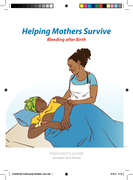
Helping Mothers Survive. Bleeding after Birth. Provider's Guide
Jhpiego; UNFPA; International Confideration of Midwives; et al.
Jhpiego; UNFPA; International Confideration of Midwives
(2013)
CC
BAB training in prevention and management of postpartum hemorrhage increased knowledge and confidence among skilled and semiskilled birth attendants. Further studies are needed to determine the impact of this training on skills retention and clinical outcomes following postpartum hemorrhage, after b
...
roader implementation of the training program
more
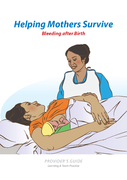
Helping Mothers Survive. Bleeding after Birth. Provider's Guide (English with South Asia graphics)
Jhpiego; UNFPA; International Confideration of Midwives; et al.
Jhpiego; UNFPA; International Confideration of Midwives; et al.
(2013)
C1
This guide supports the low-dose, high-frequency practice of scenerios needed to maintain competency in prevention and management of postpartum hemorrhage. The document is learner centered and is directly linked to service delivery standards. It is part of the Helping Mothers Survive Bleeding After
...
Birth training package.
more
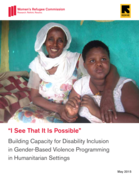
This toolkit is intended to support GBV staff to build disability inclusion into their work, and to strengthen the capacity of GBV practitioners to use a survivor-centered approach when providing services to survivors with disabilities.
The tools are designed to complement existing guidelines, prot
...
ocols and tools for GBV prevention and response, and should not be used in isolation from these. GBV practitioners are encouraged to adapt the tools to their individual programs and contexts, and to integrate pieces into standard GBV tools and resources.
You can download from English, French and Arabic Version
http://www.womensrefugeecommission.org/research-resources/building-capacity-for-disability-inclusion-in-gender-based-violence-gbv-programming-in-humanitarian-settings-overview/
more

Language influences the way we think, how we perceive reality, and how we behave. With respect to HIV, language can embody stigma and discrimination, which impacts access to testing, acquisition of HIV, and engagement with treatment. Language plays a role in supporting respect and empowerment of ind
...
ividuals, as communities shape how they are referred to and the labels they wish to use. Consideration and use of appropriate language can strengthen the global response to the HIV pandemic by diminishing stigma and discrimination and increasing support and understanding for individuals and communities living with HIV. Comments and suggestions for modifications should be sent to
more
This field action guide focuses on the first psychosocial assessment to be conducted just after a calamity strikes or just after a major event in an ongoing armed conflict. While it is necessary to update that initial assessment as the emergency situation evolves through the different phases of reco
...
very (briefly outlined in the “phase chart”), this mini book is meant to guide the formation of a team to assess the psychosocial as well as physical needs of children, their families and the communities and then the recommendations the team makes for ensuing support.
more

