
Filter
4058
Text search:
World
Resources
Institute
Featured
376
1025
Language
3947
85
74
58
50
35
19
13
9
6
5
4
4
3
3
3
3
3
3
2
2
2
2
2
2
2
2
2
1
1
1
1
1
1
1
1
1
1
1
Document type
2050
895
514
277
169
71
40
26
10
2
1
1
1
Countries
225
191
117
104
87
85
85
77
70
65
64
62
62
61
61
60
58
55
55
47
46
40
35
35
34
33
32
31
29
26
25
22
21
21
21
21
18
17
17
17
16
16
15
14
14
13
13
13
13
13
12
12
12
11
11
11
10
10
9
9
9
8
8
8
8
7
7
6
6
6
6
6
6
6
5
5
4
4
4
4
4
4
4
4
4
3
3
3
3
3
3
3
3
3
3
3
3
3
2
2
2
2
2
2
2
2
2
2
2
2
2
2
2
2
2
2
2
1
1
1
1
1
1
1
1
1
1
1
1
1
1
1
1
1
1
1
1
1
1
1
Authors & Publishers
619
167
152
105
91
59
56
55
36
33
33
25
23
22
18
18
17
17
17
16
15
15
13
13
13
12
12
11
11
11
11
11
10
10
10
10
10
10
10
9
9
9
9
9
9
9
8
8
8
8
8
8
8
8
8
7
7
7
7
7
7
7
7
7
7
7
7
7
7
7
7
6
6
6
6
6
6
6
6
6
6
6
6
6
6
6
6
6
6
5
5
5
5
5
5
5
5
5
5
5
5
5
5
5
5
5
5
5
5
5
5
5
5
5
4
4
4
4
4
4
4
4
4
4
4
4
4
4
4
4
4
4
4
4
4
4
4
4
4
4
4
4
4
4
4
4
4
4
4
4
4
4
4
4
4
4
3
3
3
3
3
3
3
3
3
3
3
3
3
3
3
3
3
3
3
3
3
3
3
3
3
3
3
3
3
3
3
3
3
3
3
3
3
3
3
3
3
3
3
3
3
3
3
3
3
3
3
3
3
3
3
3
3
3
3
3
3
3
3
3
3
3
3
3
3
3
3
3
3
3
3
3
3
3
3
3
3
3
3
3
3
3
3
2
2
2
2
2
2
2
2
2
2
2
2
2
2
2
2
2
2
2
2
2
2
2
2
2
2
2
2
2
2
2
2
2
2
2
2
2
2
2
2
2
2
2
2
2
2
2
2
2
2
2
2
2
2
2
2
2
2
2
2
2
2
2
2
2
2
2
2
2
2
2
2
2
2
2
2
2
2
2
2
2
2
2
2
2
2
2
2
2
2
2
2
2
2
2
2
2
2
2
2
2
2
2
2
2
2
2
2
2
2
2
2
2
2
2
2
2
2
2
2
2
2
2
2
2
2
2
2
2
2
2
2
2
2
2
2
2
2
2
2
2
2
2
2
2
2
2
2
2
2
2
2
2
2
2
2
2
2
2
2
2
2
2
2
2
2
2
2
2
2
2
2
2
2
2
2
2
2
2
2
2
2
2
2
2
2
2
2
2
2
2
2
2
2
2
2
2
2
2
2
2
2
2
2
2
2
2
2
2
2
1
1
1
1
1
1
1
1
1
1
1
1
1
1
1
1
1
1
1
1
1
1
1
1
1
1
1
1
1
1
1
1
1
1
1
1
1
1
1
1
1
1
1
1
1
1
1
1
1
1
1
1
1
1
1
1
1
1
1
1
1
1
1
1
1
1
1
1
1
1
1
1
1
1
1
1
1
1
1
1
1
1
1
1
1
1
1
1
1
1
1
1
1
1
1
1
1
1
1
1
1
1
1
1
1
1
1
1
1
1
1
1
1
1
1
1
1
1
1
1
1
1
1
1
1
1
1
1
1
1
1
1
1
1
1
1
1
1
1
1
1
1
1
1
1
1
1
1
1
1
1
1
1
1
1
1
1
1
1
1
1
1
1
1
1
1
1
1
1
1
1
1
1
1
1
1
1
1
1
1
1
1
1
1
1
1
1
1
1
1
1
1
1
1
1
1
1
1
1
1
1
1
1
1
1
1
1
1
1
1
1
1
1
1
1
1
1
1
1
1
1
1
1
1
1
1
1
1
1
1
1
1
1
1
1
1
1
1
1
1
1
1
1
1
1
1
1
1
1
1
1
1
1
1
1
1
1
1
1
1
1
1
1
1
1
1
1
1
1
1
1
1
1
1
1
1
1
1
1
1
1
1
1
1
1
1
1
1
1
1
1
1
1
1
1
1
1
1
1
1
1
1
1
1
1
1
1
1
1
1
1
1
1
1
1
1
1
1
1
1
1
1
1
1
1
1
1
1
1
1
1
1
1
1
1
1
1
1
1
1
1
1
1
1
1
1
1
1
1
1
1
1
1
1
1
1
1
1
1
1
1
1
1
1
1
1
1
1
1
1
1
1
1
1
1
1
1
1
1
1
1
1
1
1
1
1
1
1
1
1
1
1
1
1
1
1
1
1
1
1
1
1
1
1
1
1
1
1
1
1
1
1
1
1
1
1
1
1
1
1
1
1
1
1
1
1
1
1
1
1
1
1
1
1
1
1
1
1
1
1
1
1
1
1
1
1
1
1
1
1
1
1
1
1
1
1
1
1
1
1
1
1
1
1
1
1
1
1
1
1
1
1
1
1
1
1
1
1
1
1
1
1
1
1
1
1
1
1
1
1
1
1
1
1
1
1
1
1
1
1
1
1
1
1
1
1
1
1
1
1
1
1
1
1
1
1
1
1
1
1
1
1
1
1
1
1
1
1
1
1
1
1
1
1
1
1
1
1
1
1
1
1
1
1
1
1
1
1
1
1
1
1
1
1
1
1
1
1
1
1
1
1
1
1
1
1
1
1
1
1
1
1
1
1
1
1
1
1
1
1
1
1
1
1
1
1
1
1
1
1
1
1
1
1
1
1
1
1
1
1
1
1
1
1
1
1
1
1
1
1
1
1
1
1
1
1
1
1
1
1
1
1
1
1
1
1
1
1
1
1
1
1
1
1
1
1
1
1
1
1
1
1
1
1
1
1
1
1
1
1
1
1
1
1
1
1
1
1
1
1
1
1
1
1
1
1
1
1
1
1
1
1
1
1
1
1
1
1
1
1
1
1
1
1
1
1
1
1
1
1
1
1
1
1
1
1
1
1
1
1
1
1
1
1
1
1
1
1
1
1
1
1
1
1
1
1
1
1
1
1
1
1
1
1
1
1
1
1
1
1
1
1
1
1
1
1
1
1
1
1
1
1
1
1
1
1
1
1
1
1
1
1
1
1
1
1
1
1
1
1
1
1
1
1
1
1
1
1
1
1
1
1
1
1
1
1
1
1
1
1
1
1
1
1
1
1
1
1
1
1
1
1
1
1
1
1
1
1
1
1
1
1
1
1
1
1
1
1
1
1
1
1
1
1
1
1
1
1
1
1
1
1
1
1
1
1
1
1
1
1
1
1
1
1
1
1
1
1
1
1
1
1
1
1
1
1
1
1
1
1
1
1
1
1
1
1
1
1
1
1
1
1
1
1
1
1
1
1
1
1
1
1
1
1
1
1
1
1
1
1
1
1
1
1
1
1
1
1
1
1
1
1
1
1
1
1
1
1
1
1
1
1
1
1
1
1
1
1
1
1
1
1
1
1
1
1
1
1
1
1
1
1
1
1
1
1
1
1
1
1
1
1
1
1
1
1
1
1
1
1
1
1
1
1
1
1
1
1
1
1
1
1
1
1
1
1
1
1
1
1
1
1
1
1
1
1
1
1
1
1
1
1
1
1
1
1
1
1
1
1
1
1
1
1
1
1
1
1
1
1
1
1
1
1
1
1
1
1
1
1
1
1
1
1
1
1
1
1
1
1
1
1
1
1
1
1
1
1
1
1
1
1
1
1
1
1
1
1
1
1
1
1
1
1
1
1
1
1
1
1
1
1
1
1
1
1
1
1
1
1
1
1
1
1
1
1
1
1
1
1
1
1
1
1
1
1
1
1
1
1
1
1
1
1
1
1
1
1
1
1
1
1
1
1
1
1
1
1
1
1
1
1
1
1
1
1
1
1
1
1
1
1
1
1
1
1
1
1
1
1
1
1
1
1
1
1
1
1
1
1
1
1
1
1
1
1
1
1
1
1
1
1
1
1
1
1
1
1
1
1
1
1
1
1
1
1
1
1
1
1
1
1
1
1
1
1
1
1
1
1
1
1
1
1
1
1
1
1
1
1
1
1
1
1
1
1
1
1
1
1
1
1
1
1
1
1
1
1
1
1
1
1
1
1
1
1
1
1
1
1
1
1
1
1
1
1
1
1
1
1
1
1
1
1
1
1
1
1
1
1
1
1
1
1
1
1
1
1
1
1
1
1
1
1
1
1
1
1
1
1
1
1
1
1
1
1
1
1
1
1
1
1
1
1
1
1
1
1
1
1
1
1
1
1
1
1
1
1
1
1
1
1
1
1
1
1
1
1
1
1
1
1
1
1
1
1
1
1
1
1
1
1
1
1
1
1
1
1
1
1
1
1
1
1
1
1
1
1
1
1
1
1
1
1
1
1
1
1
1
1
1
1
1
1
1
1
1
1
1
1
1
1
1
1
1
1
1
1
1
1
1
1
1
1
1
1
1
1
1
1
1
1
1
1
1
1
1
1
1
1
1
1
1
1
1
1
1
1
1
1
1
1
1
1
1
1
1
1
1
1
1
1
1
1
1
1
1
1
1
1
1
1
1
1
1
1
1
1
1
1
1
1
1
1
1
1
1
1
1
1
1
1
1
1
1
1
1
1
1
1
1
1
1
1
1
1
1
1
1
1
1
1
1
1
1
1
1
1
1
1
1
1
1
1
1
1
1
1
1
1
1
1
1
1
1
1
1
1
1
1
1
1
1
1
1
1
1
1
1
1
1
1
1
1
1
1
1
1
1
1
1
1
1
1
1
1
1
1
1
1
1
1
1
1
1
1
1
1
1
1
1
1
1
1
1
1
1
1
1
1
1
1
1
1
1
1
1
1
1
1
1
1
1
1
1
1
1
1
1
1
1
1
1
1
1
1
1
1
1
1
1
1
1
1
1
1
1
1
1
1
1
1
1
1
1
1
1
1
1
1
1
1
1
1
1
1
1
1
1
1
1
1
1
1
1
1
1
1
1
1
1
1
1
1
1
1
1
1
1
1
1
1
1
1
1
1
1
1
1
1
1
1
1
1
1
1
1
1
1
1
1
1
1
1
1
1
1
1
1
1
1
1
1
1
1
1
1
1
1
1
1
1
1
1
1
1
1
1
1
1
1
1
1
1
1
1
1
1
1
1
1
1
1
1
1
1
1
1
1
1
1
1
1
1
1
1
1
1
1
1
1
1
1
1
1
1
1
1
1
1
1
1
1
1
1
1
1
1
1
1
1
1
1
1
1
1
1
1
1
1
1
1
1
1
1
1
1
1
1
1
1
1
1
1
1
1
1
1
1
1
1
1
1
1
1
1
1
1
1
1
1
1
1
1
1
1
1
1
1
1
1
1
1
1
1
1
1
1
1
1
1
1
1
1
1
1
1
1
1
1
1
1
1
1
1
1
1
1
1
1
1
1
1
1
1
1
1
1
1
1
1
1
1
1
1
1
1
1
1
1
1
1
1
1
1
1
1
1
1
1
1
1
1
1
1
1
1
1
1
1
1
1
1
1
1
1
1
1
1
1
1
1
1
1
1
1
1
1
1
1
1
1
1
1
1
1
1
1
1
1
1
1
1
1
1
1
1
1
1
1
1
1
1
1
1
1
1
1
1
1
1
1
1
1
1
1
1
1
1
1
1
1
1
1
1
1
1
1
1
1
1
1
1
1
1
1
1
1
1
1
1
1
1
1
1
1
1
1
1
1
1
1
1
1
1
1
1
1
1
1
1
1
1
1
1
1
1
1
1
1
1
1
1
1
1
1
1
1
1
1
1
1
1
1
1
1
1
1
1
1
1
1
1
1
1
1
1
1
1
1
1
1
1
1
1
1
1
1
1
1
1
1
1
1
1
1
1
1
1
1
1
1
1
1
1
1
1
1
1
1
1
1
1
1
1
1
1
1
1
1
1
1
1
1
1
1
1
1
1
1
1
1
1
1
1
1
1
1
1
1
1
1
1
1
1
1
1
1
1
1
1
1
1
1
1
1
1
1
1
1
1
1
1
1
1
1
1
1
1
1
1
1
1
1
1
1
1
1
1
1
1
1
1
1
1
1
1
1
1
1
1
1
1
1
1
1
1
1
1
1
1
1
1
1
1
1
1
1
1
1
1
1
1
1
1
1
1
1
1
1
1
1
1
1
1
1
1
1
1
1
1
1
1
1
1
1
1
1
1
1
1
1
1
1
1
1
1
1
1
1
1
1
1
1
1
1
1
1
1
1
1
1
1
1
1
1
1
1
1
1
1
1
1
1
1
1
1
1
1
1
1
1
1
1
1
1
1
1
1
1
1
1
1
1
1
1
1
1
1
1
1
1
1
1
1
1
1
1
1
1
1
1
1
1
1
1
1
1
1
1
1
1
1
1
1
1
1
1
1
1
1
1
1
1
1
1
1
1
1
1
1
1
1
1
1
1
1
1
1
1
1
1
1
1
1
1
1
1
1
1
1
1
1
1
1
1
1
1
1
1
1
1
1
1
1
1
1
1
1
1
1
1
1
1
1
1
1
1
1
1
1
1
1
1
1
1
1
1
1
1
1
1
1
1
1
1
1
1
1
1
1
1
1
1
1
1
1
1
1
1
1
1
1
1
1
1
1
1
1
1
1
1
1
1
1
1
1
1
1
1
1
1
1
1
1
1
1
1
1
1
1
1
1
1
1
1
1
1
1
1
1
1
1
1
1
1
1
1
1
1
1
1
1
1
1
1
1
1
1
1
1
1
1
1
1
1
1
1
1
1
1
1
1
1
1
1
1
1
1
1
1
1
1
1
1
1
1
1
1
1
1
1
1
1
1
1
1
1
1
1
1
1
1
1
1
1
1
1
1
1
1
1
1
1
1
1
1
1
1
1
1
1
1
1
1
1
1
1
1
1
1
1
1
1
1
1
1
1
1
1
1
1
1
1
1
1
1
1
1
1
1
1
1
1
1
1
1
1
1
1
1
1
1
1
1
1
1
1
1
1
1
1
1
1
1
1
1
1
1
1
1
1
1
1
1
1
1
1
1
1
1
1
1
1
1
1
1
1
1
1
1
1
1
1
1
1
1
1
1
1
1
1
1
1
1
1
1
1
1
1
1
1
1
1
1
1
1
1
1
1
1
1
1
1
1
1
1
1
1
1
1
1
1
1
1
1
1
1
1
1
1
1
1
1
1
1
1
1
1
1
1
1
1
1
1
1
1
1
1
1
1
1
1
1
1
1
1
1
1
1
1
1
1
1
1
1
1
1
1
1
1
1
1
1
1
1
1
1
1
1
1
1
1
1
1
1
1
1
1
1
1
1
1
1
1
1
1
1
1
1
1
1
1
1
1
1
1
1
1
1
1
1
1
1
1
1
1
1
1
1
1
1
1
1
1
1
1
1
1
1
1
1
1
1
1
1
1
1
1
1
1
1
1
1
1
1
1
1
1
1
1
1
1
1
1
1
1
1
1
1
1
1
1
1
1
1
1
1
1
1
1
1
1
1
1
1
1
1
1
1
1
1
1
1
1
1
1
1
1
1
1
1
1
1
1
1
1
1
1
1
1
1
1
1
1
1
1
1
1
1
1
1
1
1
1
1
1
1
1
1
1
1
1
1
1
1
1
1
1
1
1
1
1
1
1
1
1
1
1
1
1
1
1
1
1
1
1
1
1
1
1
1
1
1
1
1
1
1
1
1
1
1
1
1
1
1
1
1
1
1
1
1
1
1
1
1
1
1
1
1
1
1
1
1
1
1
1
1
1
1
1
1
1
1
1
1
1
1
1
1
1
1
1
1
1
1
1
1
1
1
1
1
1
1
1
1
1
1
1
1
1
1
1
1
1
1
1
1
1
1
1
1
1
1
1
1
1
1
1
1
1
1
1
1
1
1
1
1
1
1
1
1
1
1
1
1
1
1
1
1
1
1
1
1
1
1
1
1
1
1
1
1
1
1
1
1
1
1
1
1
1
1
1
1
1
1
1
1
1
1
1
1
1
1
1
1
1
1
1
1
1
1
1
1
1
1
1
1
1
1
1
1
1
1
1
1
1
1
1
1
1
1
1
1
1
1
1
1
1
1
1
1
1
1
1
1
1
1
1
1
1
1
1
1
1
1
1
1
1
1
1
1
1
1
1
1
1
1
1
1
1
1
1
1
1
1
1
1
1
1
1
1
1
1
1
1
1
1
1
1
1
1
1
1
1
1
1
1
1
1
1
1
1
1
1
1
1
1
1
1
1
1
1
1
1
1
1
1
1
1
1
1
1
1
1
1
1
1
1
1
1
1
1
1
1
1
1
1
1
1
1
1
1
1
1
1
1
1
1
1
1
1
1
1
1
1
1
1
1
1
1
1
1
1
1
1
1
1
1
1
1
1
1
1
1
1
1
1
1
1
1
1
1
1
1
1
1
1
1
1
1
1
1
1
1
1
1
1
1
1
1
1
1
1
1
1
1
1
1
1
1
1
1
1
1
1
1
1
1
1
1
1
1
1
1
1
1
1
1
1
1
1
1
1
1
1
1
1
1
1
1
1
1
1
1
1
1
1
1
1
1
1
1
1
1
1
1
1
1
1
1
1
1
1
1
1
1
1
1
1
1
1
1
1
1
1
1
1
1
1
1
1
1
1
1
1
Publication Years
1300
2405
333
17
3
Category
1466
281
272
265
202
62
38
3
Toolboxes
392
287
266
194
180
124
121
120
115
103
102
90
90
88
86
67
64
60
51
50
24
21
20
17
17
3
2
Healthy Settings, a key component of Malawi’s Health Sector Strategic Plan (HSSP) 2011–2016, is the World Health Organization’s (WHO) holistic community-led approach to achieving health improvement by addressing social determinants of health,
...
an approach which is central to the current WHO framework on integrated people-centred health services. Healthy Settings projects by their construct have many different components which vary from one group and community to another depending on their priorities: from housing, hospital improvements and waste management to “softer” interventions like leadership skills training and health promotion. It can be challenging to find relevant indicators to monitor and assess the impact of such a complex holistic project, this paper explores if social capital data can provide useful impact assessment indicators at the start of such a project.
more
There is growing pressure on PEPFAR, the U.S. global HIV program, to increase its planning for sustainability, including through domestic resource mobilization and, ultimately, transitioning financing at
least in part to recipient countries. While this is connected to a broader push in global healt
...
h and development, driven by a constrained financing environment and desire to promote more countryownership of programs and services, there are specific questions facing PEPFAR’s future. A National Academy report from 2017, for example, recommended that PEPFAR look toward phasing down its spending and supporting countries in their transition from bilateral aid to domestic financing for HIV. At a
Senate hearing last year, PEPFAR was asked how it was working to increase domestic resources and under what conditions would it need less resources to accomplish its goals. Recent challenges in securing a five-year reauthorization of the program have only served to heighten the focus on
sustainability and domestic resource mobilization. How PEPFAR does this, however, remains an ongoing question.
more

This manual is designed to provide comprehensive malaria case management training for health workers at all levels, including clinical, nursing, dispensing, laboratory and records staff. The training covers the use of malaria rapid diagnostic tests (RDTs) and the treatment of severe malaria. The fiv
...
e-day training programme includes interactive modules supported by job aids. The ideal group size is 20–30 participants, supported by a team of three trainers. Trainers should thoroughly review the manual, including the 'Adult Learning Techniques' module, and follow the 'Facilitator's Guide', while participants should use the 'Simplified Participant's Guide'. The training includes pre- and post-tests to assess knowledge improvement. Continuing Medical Education (CME) is encouraged after the training, and resources are provided in the appendix.
more

This resulting toolkit is a practical guide intended to assist users to become advocates for palliative care in a practical and effective
way. It is not necessarily a resource to read from cover to cover; rather, it can also be used selectively to each reader’s needs to engage audiences and
...
ensure that there is a real understanding of the need for palliative care. It should also be read in conjunction with the supplementary resources listed at the end of each of the toolkit’s sections.
more

The African Palliative Care Association is pleased to publish the first edition of Palliative Care Standards for Africa. The development of these standards was achieved through wide consultation with service beneficiaries and providers, and they have been developed to suit different levels of
...
service delivery, from primary to tertiary. These standards are underpinned by the World Health Organization’s definition of palliative care, and recognise that scaling up palliative care requires a public health approach with four pillars: policy, education, drug availability and implementation. In addition, the increasing need to establish specific indicators of quality and effectiveness for palliative care has been a big driving force behind these comprehensive standards. It is APCA’s wish that they will provide a framework for the development of evaluation
and performance indicators that can facilitate programme improvement and development. The standards are designed to allow the development or improvement of palliative care across the different services levels, within the organisational capacity of various service providers. They describe a relationship between primary, intermediary and tertiary level service providers, with expectations for all providers articulated through detailed criteria for each standard. It is therefore expected that these standards will influence the planning and delivery of palliative care services at all levels of health care service delivery.
more

he United Nations Development Programme’s (UNDP) Gender Equality Strategy 2022-2025 has
been created during turbulent times. Multiple crises and risks are threatening the world and
we are witnessing an alarming backlash against women’s rights
...
and gender equality. Since the
COVID-19 pandemic hit, women have been nearly twice as likely to lose their jobs compared to
men. Yet less than 20 percent of policy measures implemented by countries across the world have
addressed women’s economic insecurity. Gender inequality also takes a toll on men and other
affected groups. For men, rigid gender norms can fuel risky behaviours resulting in violence, poor
health, and lower life expectancy.
more

This document aims to provide public health authorities in European Union and European Economic Area (EU/EEA) countries with guidance for improved preparedness planning taking the lessons that have been identified through various activities in the context of recent public health crises (e.g. COVID-1
...
9 pandemic, mpox multi-country outbreak 2022–23) and translating them to concrete advice. This document, together with the ECDC recommendations on the implementation of public health and social measures (PHSMs) for health emergencies and pandemics published in 2024, form a package of concrete recommendations for preparedness planning for the EU/EEA countries. Lessons learned primarily from the response to the COVID-19 pandemic, but also from the response to the multicountry mpox outbreak in 2022–23, were collected through various activities from Member States, the European Commission, the World Health Organization (WHO) and the WHO Regional Office from Europe. We have then presented these in the form of specific recommendations for planners within each phase of the continuous cycle of preparedness (Anticipation, Response and Recovery), following a prototype structure of a preparedness and response plan. In each section, we have presented a relevant example from a Member State or international organisation to illustrate their practice or attempt to implement lessons after COVID-19 or the mpox outbreak. These examples were identified either through literature review or communication with representatives of the countries within ECDC’s network for Preparedness and Response.
more
Climate change threatens to undermine the past 50 years of gains in public health. In response, theNational Health Service (NHS) in England has been working since 2008 to quantify and reduce its carbon footprint.
This Article presents the latest update to its greenhouse gas accounting, identifying
...
interventions for mitigation efforts and describing an approach applicable to other health systems across the world.
more
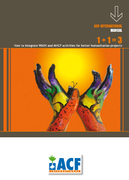
Integrating WASH and MHCP interventions will always require imagination and creativity to adapt the approach to specific conditions, opportunities and constraints in each context. The book is designed to stimulate reflection and encourage initiatives to seek opportunities for closer integration of t
...
hese two sectors. It provides examples and tools for integration, highlights possible obstacles and proposes strategies for overcoming them. It provides ideas, examples and resources that can be used at all stages of the project cycle. It is intended for readers at strategic and operational levels, in ACF country missions and at headquarters.
more

The Participation Handbook for humanitarian field workers contains detailed practical advice on the participation of affected people in humanitarian action. It has three sections:
Developing a participatory approach (main issues, key factors, building mutual respect, communication methods and
...
advice on reviewing your approach);
Implementing your participatory approach at every stage of the project cycle (initial assessment, project design, implementation, monitoring and final evaluation);
A list of tools and additional resources (books, internet sites, etc.)
more
STGs are designed to assist health care professionals in making decisions about appropriate, effective patient care. However, health managers often have trouble setting and meeting the high standards required of modern, developed health care systems. With stakeholders expressing concern over issues
...
such as strength of evidence, transparency, conflicts of interest, and effective implementation, it is clear that many health care professionals need further guidance in developing and making use of STGs.
This manual guides health professionals through the process of establishing and implementing STGs, placing special emphasis on the low- and middle-income country (LMIC) context. By including tools, templates, and success stories as well as hyperlinks to useful resources, the manual helps health practitioners understand not only important concepts of treatment guidelines, but also how they can best be used in practice.
more
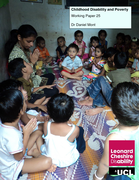
As the Convention of the Rights of Children recognizes, children are human beings with a distinct set of rights, and not the passive objects of care and charity. They deserve to be full participants in society, and to live lives free of poverty. But for children, living in poverty is particularly im
...
pactful. The foundations for life are built in childhood. In the early part of our lives, our bodies and brains develop their capacities to function and interact with the world. We learn the social skills we need to fit into society, and acquire the human capital necessary to earn a living, support a family, and to fully take part in the life of our community Poverty can stunt this development. So can the onset of a disability. As the World Report on Disability (WHO/World Bank 2011) points out, people with disabilities are all too often excluded from the economic and social lives of their community. And the interaction between disability and poverty has the potential to develop a vicious circle that can greatly limit life opportunities.
Working Paper Series: No. 25
more

Disabled children: a legal handbook is an authoritative yet accessible guide to the legal rights of disabled children and their families in England and Wales. The handbook aims to empower disabled children and their families through a greater understanding of their rights and entitlements. It is es
...
sential reading for the families of disabled children, their advocates and lawyers, voluntary and statutory sector advisers, commissioners, managers and lawyers working for public authorities, education, social and health care professionals, students and academics.
Each chapter has been adapted into a PDF for you to download for free
https://councilfordisabledchildren.org.uk/help-resources/resources/disabled-children-legal-handbook-2nd-edition
more
Mounting an effective international humanitarian response to a chemical, biological, radiological or nuclear (CBRN) event, especially if the response is undertaken on an ad hoc basis, would be extremely difficult and would pose many risks to the responders. The International Committee of the Red Cro
...
ss (ICRC) has created a competency-based capacity to respond to at least small-scale CBRN events, including a deployable capability to undertake operational activities. This involves informed assessments of CBRN risks, timely and competent decisions on how to respond, and effectively mobilizing appropriate resources to implement these decisions, through the creation of an emergency roster. In addition to the acquisition of technical expertise and material resources, the creation of such capacity requires the application of central processes, ensuring systematic management of CBRN response (including risk-based decision-making), standing operational procedures, and availability of and access to the necessary resources. Implementation of the ICRC's CBRN response framework as described in this article should be considered by any agency or other stakeholder preparing for international humanitarian assistance in CBRN events – especially if such events are related to armed conflict.
more

Every day, health-care providers are being attacked, patients discriminated against, ambulances held up at checkpoints, hospitals bombed, medical supplies looted and entire communities cut off from critical services around the world.
Between Ja ... nuary 2012 and December 2014, the ICRC documented nearly 2,400 violent incidents against health care in 11 countries experiencing armed conflict or other violence. In over 90% of cases, local health-care providers were affected, seriously threatening the effectiveness and sustainability of national health-care systems. These numbers might well just be the tip of the iceberg more
Between Ja ... nuary 2012 and December 2014, the ICRC documented nearly 2,400 violent incidents against health care in 11 countries experiencing armed conflict or other violence. In over 90% of cases, local health-care providers were affected, seriously threatening the effectiveness and sustainability of national health-care systems. These numbers might well just be the tip of the iceberg more
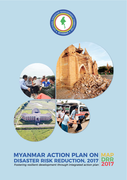
Fostering resilient development through integrated action plan
The Myanmar Action Plan on Disaster Risk Reduction, 2017 is a comprehensive and unified action plan for disaster risk reduction with prioritized interventions across Myanmar till 2020. With a long term vision and considering deep-root ... ed underlying drivers of disaster risk, it has set an overall target for 2030. it aims to provide a base for mobilizing and leveraging, primarily, national and external resources and will provide a basis for result printed outcomes.
The action plan identifies 32 priority actions under four pillars: risk information and awareness; risk governance; risk mitigation; and preparedness and response, rehabilitation and reconstruction. For each priority action, objectives, activities, outputs, duration, lead agencies, and supporting partners have been identified. more
The Myanmar Action Plan on Disaster Risk Reduction, 2017 is a comprehensive and unified action plan for disaster risk reduction with prioritized interventions across Myanmar till 2020. With a long term vision and considering deep-root ... ed underlying drivers of disaster risk, it has set an overall target for 2030. it aims to provide a base for mobilizing and leveraging, primarily, national and external resources and will provide a basis for result printed outcomes.
The action plan identifies 32 priority actions under four pillars: risk information and awareness; risk governance; risk mitigation; and preparedness and response, rehabilitation and reconstruction. For each priority action, objectives, activities, outputs, duration, lead agencies, and supporting partners have been identified. more
The main goal of the National Health Plan (NHP) 2017-2021 is to extend access to a basic Essential Package of Health Services (EPHS) to the entire population while increasing financial protection. In order to extend service delivery to all communities, the NHP calls for all health workers (whether c
...
ommunity-based, outreach-based or facility-based) involved in the delivery of health promotion, prevention and treatment services to be fully recognised and institutionalized within the health system to ensure efficient use of resources, necessary oversight and quality service provision (regardless of whether the health workers are voluntary or salaried). The first year Annual Operational Plan (AOP) of the NHP 2017-2021 calls for a comprehensive literature review of the situation of all Village Based Health Workers (VBHWs) in the country to inform the development of a comprehensive, institutionalized approach to community health for the country.
more
Every five minutes a child dies as the result of violence, according to a ground-breaking report from Unicef UK. The report reveals that the vast majority of children are killed outside warzones and that physical, sexual and emotional abuse is widespread with millions of children unsafe in their hom
...
es, schools and communities. Some 345 children could die from violence each day in the next year, unless governments act.
The report also finds that:
(1) Children who are victims of violence have brain activity similar to soldiers exposed to combat;
(2) A third of children who are victims of violence are likely to develop long-lasting symptoms of post-traumatic stress disorder;
(3) Those living in poverty are more likely to be victims of violence, wherever they live in the world;
(4) Over 7% of child deaths due to violence each day are the result of interpersonal violence, rather than conflict.
more
Globally each year, millions of people suffer illness or lose their lives because the vaccines, medicines and diagnostic tests that they need are either unavailable or unaffordable – and this lack of access to medicine is acute in low- and middle-in-
come countries (LMICs). While the COVID-19 pan
...
demic laid this inequity bare, it also saw the pharmaceutical industry develop and bring new vaccines and treat- ments to market at unprecedented speed. As the world emerges from the worst
of this crisis, pharmaceutical companies are now at an important juncture, where lessons learned from the pandemic can prove pivotal in finding solutions to bridge long-standing gaps in access to medicine in LMICs.
more
Senegal private health sector assessment: Selected health products and services
Brunner B., J. Barnes, A. Carmona et. al.
United States Agency for International Development
(2016)
C2
SHOPS and HIA finalized a scope of work with USAID Senegal in April 2015, and a team of five private sector experts conducted the onsite assessments between May and June 2015. The Private Sector Assessment (PSA) team worked closely with Senegalese key stakeholders throughout the process. The PSA tea
...
m interviewed more than120 individuals from approximately 78 organizations, including the government of Senegal (GOS), donors, USAID implementing partners, private sector umbrella organizations, private insurance companies, faith-based organizations (FBOs), nongovernmental organizations (NGOs), private health care facilities, and private pharmacies.
Through stakeholder interviews and review of government reports and online resources, the assessment team noted the following findings by theme.
more
