
Filter
1853
Filtered Results: 1853
Text search:
gender
empowerment
Featured
Recommendations
123
New Publications
564
Language
Document type
No document type
1190
Studies & Reports
318
Guidelines
121
Strategic & Response Plan
90
Manuals
76
Training Material
26
Fact sheets
13
Situation Updates
9
Infographics
6
Resource Platforms
3
App
1
Countries / Regions
India
87
Global
79
Ethiopia
61
Nepal
60
Kenya
58
Myanmar / Burma
56
Uganda
46
Zambia
46
Malawi
43
Liberia
43
Bangladesh
42
Rwanda
36
Syria
36
Sierra Leone
35
Tanzania
35
Nigeria
34
South Africa
33
Indonesia
32
Namibia
26
Ghana
23
Philippines
22
Cambodia
21
Lesotho
20
Africa
18
Germany
16
South Sudan
16
Latin America and the Carribbean
14
Congo, Democratic Republic of
14
Mozambique
13
Asia
12
Haiti
11
South–East Asia Region
11
Lebanon
11
Ukraine
10
Zimbabwe
10
Western and Central Europe
10
Senegal
9
Botswana
9
Guinea
8
Jordan
8
East and Southern Africa
8
Yemen
8
Pakistan
8
Eastern Europe
6
Somalia
6
Eswatini/ Swaziland
6
Thailand
5
Laos
5
Vietnam
5
Central African Republic
5
Burkina Faso
4
Venezuela
4
Middle East and North Africa
4
Brazil
4
Moldova
4
Sudan
4
Tajikistan
3
Turkey
3
Albania
3
West and Central Africa
3
Western Pacific Region
3
Papua New Guinea
3
Sri Lanka
3
Colombia
2
Cameroon
2
Canada
2
Burundi
2
Malaysia
2
Lithuania
2
Eastern Europe and Central Asia
2
Russia
2
Mali
2
Iraq
2
Benin
1
Togo
1
China
1
Fiji
1
Singapore
1
Afghanistan
1
USA
1
Guinea-Bissau
1
Ireland
1
North America
1
Mauritius
1
Egypt
1
Palestine
1
Honduras
1
Angola
1
Libya
1
Guatemala
1
Authors & Publishers
Publication Years
Category
Countries
855
Women & Child Health
146
Public Health
99
Key Resources
84
Clinical Guidelines
39
Capacity Building
26
Toolboxes
HIV
218
Disability
188
Mental Health
134
COVID-19
80
Conflict
72
Refugee
54
Planetary Health
54
Global Health Education
46
Caregiver
41
NTDs
32
TB
28
Ebola & Marburg
22
Natural Hazards
19
Health Financing Toolbox
16
NCDs
13
Malaria
9
2.0 Rapid Response
8
AMR
7
Social Ethics
6
Polio
5
Rapid Response
4
Zika
4
Specific Hazards
2
Pharmacy
2
Cholera
1
Typhoon
1

Lessons learned from recent public health events such as the COVID-19 pandemic, Ebola virus disease, Zika virus disease outbreaks, and other public health threats, including earthquakes and floods, have highlighted the need for countries to continuously develop, strengthen, and maintain capacities r...

The Camp Managment Toolkit
recommended
Applicable to both IDP and refugee scenarios, the Toolkit incorporates a wide range of relevant information on managing displaced populations living in communal settings (collective centres, spontaneous sites, established camps, etc.). Large scale displacements caused by recent conflict and natural ...

Download (7.4 MB)
Overview
Epilepsy is one of the most common neurological disorders globally. The WHO epilepsy technical brief aims to strengthen action for epilepsy and complements the Intersectoral global action plan on epilepsy and other neurological disorders 2022–2031.
The technical bri...
Humanity & Inclusion has published a report on November 20, on the difficulties children with disabilities face in accessing education in the world’s poorest countries.

Cardiovascular diseases, principally ischemic heart disease (IHD), are the most important cause of death and disability in the majority of low- and lower-middle-income countries (LLMICs). In these countries, IHD mortality rates are significantly greater in individuals of a low socioeconomic status (...

An estimated 1.3 billion people globally experience significant disability. This figure has grown over the last decade and will continue to rise due to demographic and epidemiological changes. In 2022, the World Health Organization launched the Global report on health equity for persons with disabil...
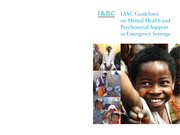
Specific action sheets offer useful guidance on mental health and psychosocial support and cover the following areas coordination assessment monitoring and evaluation protection and human rights standards human resources community mobilisation and support health services education dissemination of i...
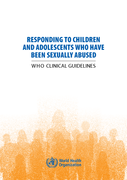
WHO clinical guidelines.
For the first time, WHO has published guidelines to help (primarily) front-line healthcare providers give high-quality, compassionate, and respectful care to children and adolescents (up to age 18) who have or may have experienced sexual abuse, including sexual assault or r...
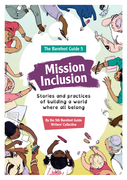
The Barefoot Guide 5: Mission Inclusion - Stories and practices of building a world where all belong
From 2011 until 2016, a multi-actor programme was run in five countries to improve the life chances and living conditions of people experiencing exclusion and marginalisation of various kinds. This programme worked with local leaders, organisations and movements as well as various institutions and a...

This report includes analysis from informal regional consultations in the African Region, the Caribbean and North America, Latin America, South-East Asia Region, European Region, Eastern Mediterranean Region, alongside three forums in the Western Pacific Region. It analyses the overarching similarit...


Managers Who Lead empowers health managers at all levels of an organization to lead teams to face challenges and achieve results. It answers questions such as: How can I lead and manage more effectively? How do I create a shared vision and a clear path for achieving it? What can I do to improve work...

This timely report comes at a decisive moment in history where
we can reshape urban environments and health systems for the
majority of the world’s population that live in cities. Enabling
this transformation are the SDGs, which have reconfigured how
governments and the international community...
