Filter
740
Text search:
glossary
Featured
98
172
Language
Document type
384
119
88
75
29
22
11
4
3
3
1
1
Countries
36
23
22
18
11
11
9
9
9
9
8
8
8
8
7
7
6
6
6
6
5
5
5
5
4
4
4
4
3
3
3
2
2
2
2
2
2
2
2
2
2
2
2
2
1
1
1
1
1
1
1
1
1
1
1
1
1
1
1
Authors & Publishers
Publication Years
Category
162
104
61
54
46
20
12
Toolboxes
64
50
46
35
34
31
31
28
24
24
21
20
20
19
14
13
13
11
9
8
4
3
2
2
1

Diabetes - Inform. Prevent. Act.
recommended
This guide is available in following languages:
Arabic, German, English, French, Italien, Polish, Russian, Serbian, Croatian, Spanish, Turkish.
Go to http://www.ethno-medizinisches-zentrum.de/index.php?option=com_content&view=article&id=37&Itemid=40
This document updates the 2009 ECDC guidance on chlamydia control in Europe. It was developed by a technical expert group which conducted a critical review of the scientific evidence on the epidemiology of chlamydia and the effectiveness of screening programmes.
The aim of this guidance is to suppo
...
This guidance provides an overview of interventions to improve early diagnosis of TB and treatment completion in these populations, as well as factors to consider when developing programmes for health communication, awareness and education, and programme monitoring and evaluation

This report reviews the current situation in relation to national capacity to address NCDs and the progress made at country level over the past decade. It highlights that, while progress is being made, there is still much work to be done to create the infrastructure, policies, surveillance and healt
...
This Indicator-Based Pharmacovigilance Assessment Tool (IPAT) was developed as a comprehensive performance metric for pharmacovigilance and medicine safety systems.

Tuberculosis Infection Control Guidelines
recommended
Second Edition
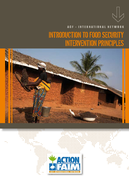
Reference book specifying the principles of intervention for all food security activities, from initial assessment to programme implementation.
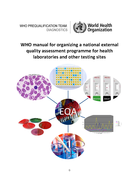
This manual describes some of the strategic, managerial, financial, technical and scientific aspects to be considered in establishing a national EQA programme for clinical laboratories and other testing services at all health care levels
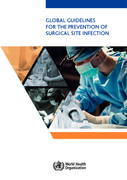
These WHO guidelines which were updated in 2018, are valid for any country and suitable to local adaptations, and take account of the strength of available scientific evidence, the cost and resource implications, and patient values and preferences.
The 2018 edition of the guidelines includes the re
...