
Filter
2453
Text search:
Disability
and
Human
Rights
Featured
247
562
Language
2341
95
73
44
36
23
20
13
7
6
6
5
5
4
4
4
4
4
4
3
3
3
3
3
3
3
3
3
3
3
3
3
3
2
2
2
2
2
2
2
2
2
2
1
1
1
1
1
1
1
1
1
1
1
1
1
1
1
1
Document type
1441
390
261
160
112
44
21
14
5
3
1
1
Countries
127
69
60
58
54
47
45
40
40
39
38
37
36
36
36
33
30
29
26
23
22
21
21
21
20
19
18
16
15
14
14
13
13
11
11
10
10
10
10
9
9
9
9
9
8
7
7
7
7
7
7
7
6
6
6
5
5
5
5
5
4
4
4
4
4
4
4
3
3
3
3
3
3
3
2
2
2
2
2
2
2
2
2
2
2
2
1
1
1
1
1
1
1
1
1
1
1
1
1
1
1
1
1
1
1
1
1
1
1
1
1
1
1
1
1
Authors & Publishers
372
131
90
81
60
55
54
37
37
29
25
23
23
20
19
18
18
17
16
15
13
11
11
11
10
10
10
10
9
9
9
9
9
9
8
8
8
8
8
8
7
7
6
6
6
6
6
6
6
6
6
5
5
5
5
5
5
5
5
5
5
5
5
5
5
5
4
4
4
4
4
4
4
4
4
4
4
4
4
4
4
4
4
4
4
4
4
4
4
4
4
4
4
4
4
3
3
3
3
3
3
3
3
3
3
3
3
3
3
3
3
3
3
3
3
3
3
3
3
3
3
3
3
3
3
3
3
3
3
3
3
3
3
3
3
3
3
3
3
3
3
2
2
2
2
2
2
2
2
2
2
2
2
2
2
2
2
2
2
2
2
2
2
2
2
2
2
2
2
2
2
2
2
2
2
2
2
2
2
2
2
2
2
2
2
2
2
2
2
2
2
2
2
2
2
2
2
2
2
2
2
2
2
2
2
2
2
2
2
2
2
2
2
2
2
2
2
2
2
2
2
2
2
2
2
2
2
2
2
2
2
2
2
2
2
2
2
2
2
2
2
2
2
2
2
2
2
2
2
2
2
2
2
2
2
2
2
1
1
1
1
1
1
1
1
1
1
1
1
1
1
1
1
1
1
1
1
1
1
1
1
1
1
1
1
1
1
1
1
1
1
1
1
1
1
1
1
1
1
1
1
1
1
1
1
1
1
1
1
1
1
1
1
1
1
1
1
1
1
1
1
1
1
1
1
1
1
1
1
1
1
1
1
1
1
1
1
1
1
1
1
1
1
1
1
1
1
1
1
1
1
1
1
1
1
1
1
1
1
1
1
1
1
1
1
1
1
1
1
1
1
1
1
1
1
1
1
1
1
1
1
1
1
1
1
1
1
1
1
1
1
1
1
1
1
1
1
1
1
1
1
1
1
1
1
1
1
1
1
1
1
1
1
1
1
1
1
1
1
1
1
1
1
1
1
1
1
1
1
1
1
1
1
1
1
1
1
1
1
1
1
1
1
1
1
1
1
1
1
1
1
1
1
1
1
1
1
1
1
1
1
1
1
1
1
1
1
1
1
1
1
1
1
1
1
1
1
1
1
1
1
1
1
1
1
1
1
1
1
1
1
1
1
1
1
1
1
1
1
1
1
1
1
1
1
1
1
1
1
1
1
1
1
1
1
1
1
1
1
1
1
1
1
1
1
1
1
1
1
1
1
1
1
1
1
1
1
1
1
1
1
1
1
1
1
1
1
1
1
1
1
1
1
1
1
1
1
1
1
1
1
1
1
1
1
1
1
1
1
1
1
1
1
1
1
1
1
1
1
1
1
1
1
1
1
1
1
1
1
1
1
1
1
1
1
1
1
1
1
1
1
1
1
1
1
1
1
1
1
1
1
1
1
1
1
1
1
1
1
1
1
1
1
1
1
1
1
1
1
1
1
1
1
1
1
1
1
1
1
1
1
1
1
1
1
1
1
1
1
1
1
1
1
1
1
1
1
1
1
1
1
1
1
1
1
1
1
1
1
1
1
1
1
1
1
1
1
1
1
1
1
1
1
1
1
1
1
1
1
1
1
1
1
1
1
1
1
1
1
1
1
1
1
1
1
1
1
1
1
1
1
1
1
1
1
1
1
1
1
1
1
1
1
1
1
1
1
1
1
1
1
1
1
1
1
1
1
1
1
1
1
1
1
1
1
1
1
1
1
1
1
1
1
1
1
1
1
1
1
1
1
1
1
1
1
1
1
1
1
1
1
1
1
1
1
1
1
1
1
1
1
1
1
1
1
1
1
1
1
1
1
1
1
1
1
1
1
1
1
1
1
1
1
1
1
1
1
1
1
1
1
1
1
1
1
1
1
1
1
1
1
1
1
1
1
1
1
1
1
1
1
1
1
1
1
1
1
1
1
1
1
1
1
1
1
1
1
1
1
1
1
1
1
1
1
1
1
1
1
1
1
1
1
1
1
1
1
1
1
1
1
1
1
1
1
1
1
1
1
1
1
1
1
1
1
1
1
1
1
1
1
1
1
1
1
1
1
1
1
1
1
1
1
1
1
1
1
1
1
1
1
1
1
1
1
1
1
1
1
1
1
1
1
1
1
1
1
1
1
1
1
1
1
1
1
1
1
1
1
1
1
1
1
1
1
1
1
1
1
1
1
1
1
1
1
1
1
1
1
1
1
1
1
1
1
1
1
1
1
1
1
1
1
1
1
1
1
1
1
1
1
1
1
1
1
1
1
1
1
1
1
1
1
1
1
1
1
1
1
1
1
1
1
1
1
1
1
1
1
1
1
1
1
1
1
1
1
1
1
1
1
1
1
1
1
1
1
1
1
1
1
1
1
1
1
1
1
1
1
1
1
1
1
1
1
1
1
1
1
1
1
1
1
1
1
1
1
1
1
1
1
1
1
1
1
1
1
1
1
1
1
1
1
1
1
1
1
1
1
1
1
1
1
1
1
1
1
1
1
1
1
1
1
1
1
1
1
1
1
1
1
1
1
1
1
1
1
1
1
1
1
1
1
1
1
1
1
1
1
1
1
1
1
1
1
1
1
1
1
1
1
1
1
1
1
1
1
1
1
1
1
1
1
1
1
1
1
1
1
1
1
1
1
1
1
1
1
1
1
1
1
1
1
1
1
1
1
1
1
1
1
1
1
1
1
1
1
1
1
1
1
1
1
1
1
1
1
1
1
1
1
1
1
1
1
1
1
1
1
1
1
1
1
1
1
1
1
1
1
1
1
1
1
1
1
1
1
1
1
1
1
1
1
1
1
1
1
1
1
1
1
1
1
1
1
1
1
1
1
1
1
1
1
1
1
1
1
1
1
1
1
1
1
1
1
1
1
1
1
1
1
1
1
1
1
1
1
1
1
1
1
1
1
1
1
1
1
1
1
1
1
1
1
1
1
1
1
1
1
1
1
1
1
1
1
1
1
1
1
1
1
1
1
1
1
1
1
1
1
1
1
1
1
1
1
1
1
1
1
1
1
1
1
1
1
1
1
1
1
1
1
1
1
1
1
1
1
1
1
1
1
1
1
1
1
1
1
1
1
1
1
1
1
1
1
1
1
1
1
1
1
1
1
1
1
1
1
1
1
1
1
1
1
1
1
1
1
1
1
1
1
1
1
1
1
1
1
1
1
1
1
1
1
1
1
1
1
1
1
1
1
1
1
1
1
1
1
1
1
1
1
1
1
1
1
1
1
1
1
1
1
1
1
1
1
1
1
1
1
1
1
1
1
1
1
1
1
1
1
1
1
1
1
1
1
1
1
1
1
1
1
1
1
1
1
1
1
1
1
1
1
1
1
1
1
1
1
1
1
1
1
1
1
1
1
1
1
1
1
1
1
1
1
1
1
1
1
1
1
1
1
1
1
1
1
1
1
1
1
1
1
1
1
1
1
1
1
1
1
1
1
1
1
1
1
1
1
1
1
1
1
1
1
1
1
1
1
1
1
1
1
1
1
1
1
1
1
1
1
1
1
1
1
1
1
1
1
1
1
1
1
1
1
1
1
1
1
1
1
1
1
1
1
1
1
1
1
1
1
1
1
1
1
1
1
1
1
1
1
1
1
1
1
1
1
1
1
1
1
1
1
1
1
1
1
1
1
1
1
1
1
1
1
1
1
1
1
1
1
1
1
1
1
1
1
1
1
1
1
1
1
1
1
1
1
1
1
1
1
1
1
1
1
1
1
1
1
1
1
1
1
1
1
1
1
1
1
1
1
1
1
1
1
1
1
1
1
1
1
1
1
1
1
1
1
1
1
1
1
1
1
1
1
1
1
1
1
1
1
1
1
1
1
1
1
1
1
1
1
1
1
1
1
1
1
1
1
1
1
1
1
1
1
1
1
1
1
1
1
1
1
1
1
1
1
1
1
1
1
1
1
1
1
1
1
1
1
1
1
1
1
1
1
1
1
1
1
1
1
1
1
1
1
1
1
1
1
1
1
1
1
1
1
1
1
1
1
1
1
1
1
1
1
1
1
1
1
1
1
1
1
1
1
1
1
1
1
1
1
1
1
1
1
1
1
1
1
1
1
1
1
1
1
1
1
1
1
1
1
1
1
1
1
1
1
1
Publication Years
1
694
1515
233
9
1
Category
784
189
173
163
157
43
10
2
Toolboxes
463
359
140
103
85
77
71
59
58
58
55
37
33
28
20
19
17
14
14
10
10
10
6
1
1
This regional technical guidance note was developed for the UNFPA Asia-Pacific Regional Office (APRO) and Asia-Pacific Country Offices to provide guidance on older persons, health workers, and careg
...
ivers in the contexts of COVID-19 to effectively support each member state and work with other partners in preparing for and responding to the COVID-19 epidemic.
more
The Global status report on violence prevention 2014, which reflects data from 133 countries, is the first report of its kind to assess national efforts to address interpersonal violence, namely child maltreatment, youth violence, intimate partner and
...
sexual violence, and elder abuse. Jointly published by WHO, the United Nations Development Programme, and the United Nations Office on Drugs and Crime, the report reviews the current status of violence prevention efforts in countries, and calls for a scaling up of violence prevention programmes; stronger legislation and enforcement of laws relevant for violence prevention; and enhanced services for victims of violence.
You can download summaries in different languages, single chapters and graphics
more

A National Service Programme for All Children with Special Needs and their Families
In Myanmar, we estimate that at least 40% of children require ECI services for short to longer periods of time. At present, 35.1% of Myanmar children are moderate ... ly to severely stunted; all of these children are likely to have one or more developmental delays. In addition, at least 5% to 12% of the nation’s children will be identified to have disabilities, chronic diseases or atypical behaviours.
Over time, approximately 70% of the children who will be served will improve in their development, attain expected levels of development for their age, and will consolidate their gains within one to two years. Other children, approximately 30%, will have lifelong disabilities or other conditions, and ECI services usually greatly improve their development and help them to achieve their full potential. more
In Myanmar, we estimate that at least 40% of children require ECI services for short to longer periods of time. At present, 35.1% of Myanmar children are moderate ... ly to severely stunted; all of these children are likely to have one or more developmental delays. In addition, at least 5% to 12% of the nation’s children will be identified to have disabilities, chronic diseases or atypical behaviours.
Over time, approximately 70% of the children who will be served will improve in their development, attain expected levels of development for their age, and will consolidate their gains within one to two years. Other children, approximately 30%, will have lifelong disabilities or other conditions, and ECI services usually greatly improve their development and help them to achieve their full potential. more

The purpose of this manual is to provide a resource for training to increase understanding of Health in All Policies (HiAP) by health and other professionals. It is anticipated that the material in this manual will form the basis of
...
two- or three-day workshops, which will:
• Build capacity to promote, implement and evaluate HiAP;
• Encourage engagement and collaboration across sectors;
• Facilitate the exchange of experiences and lessons learned;
• Promote regional and global collaboration on HiAP; and
• Promote dissemination of skills to develop training courses for trainers.
more
The attainment of Zambia’s goal of being a prosperous and middle-income country by 2030 as stipulated in its Vision 2030 is dependent on among others, a healthy and productive population. Therefor
...
e, the Government of the Republic of Zambia (GRZ) has prioritized health as a key socio-economic investment in the Seventh National Development Plan 2017-2021. The government is also committed to achieving the targets under the health goal number three and other health related targets under other goals of the 2030 Sustainable Development agenda. Despite progress which has been made in improving the health of Zambians, the country still faces a high burden of communicable diseases and a growing burden of non-communicable diseases. Structural and social deprivation including poverty, inequalities and marginalisation also remain major threats to health. In order to effectively address all the social determinants of health, all sectors should take into account health and well-being as a key element of policy development.
more
Guidelines on the management of chronic pain in children, developing and implementing national and local policies for pain management and protocols
...
in children, implementing national and local regulations for pain management in children, pain management and protocols
more
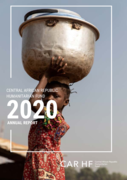
Almost two years after the signing of the Political Accord for Peace and Reconciliation (APPR), the Central African population is still hostage to an unstable and unpredictable security environment.
...
Continuing conflicts in several areas of the country, structural weaknesses combined with the socio-economic effects of the COVID-19 pandemic, and the devastating effects of natural disasters have plunged 2.6 million people into dire needs. Of this total, 1.6 million have severe humanitarian needs, a figure unmatched for five years, reflecting a deterioration in the physical and mental well-being and living conditions of populations across the country.
more

The mhGAP community toolkit: field test version is an integral part of WHO's Mental Health Gap Action Programme (mhGAP), and aims at scaling up services for people with mental health conditions to achieve universal health coverage.
The toolkit p
...
rovides guidance for programme managers on how to identify local mental health needs and tailor community services to match these needs. It offers practical information and necessary tools for community providers to promote mental health, prevent mental health conditions and expand access to mental health services.
more

The World Health Organization's fourth Country Cooperation Strategy 2022-2026 is an outcome of a consultative process with inputs from the Ministry of Health, various agencies in the health sector, and other relevant stakeholders. It has been develo
...
ped to provide strategic direction and support toward achieving the priorities of the Government of the Kingdom of Eswatini.
It is designed to support the strengthening of health systems and services toward the attainment of Universal Health
Coverage (UHC) and the Sustainable Development Goals targets. The CCS 2022-2026 also presents the collaborative
agenda between the Kingdom of Eswatini and the three levels of WHO, aligns with the strategic priorities of WHO’s
13th General Programme of Work (2019 – 2025), as well as Eswatini’s United Nations Sustainable Development Cooperation Framework (UNSDCF) 2021-2025
more
The module is currently available in English, French, Nepali, Portuguese, Russian, and Spanish

Based on the survey, five principles for deinstitutionalization were identified: community-based services must be in place; the health workforce must be committed to change; political support at the highest and broadest levels is crucial; timing is
...
key; and additional financial resources are needed.
more

Public health emergencies, including pandemics, highlight the need for health systems and services that are prepared, resilient and ready to respond to health security threats. Endorsed by Member St
...
ates in 2023, the Asia Pacific Health Security Action Framework (APHSAF) is designed to engage multisectoral actors in health security, and to reflect the complex nature of current and future public health emergencies. The Framework presents six interconnected, multisectoral domains of work that together form a comprehensive, multi-hazard health security system — emphasizing the One Health approach. The Framework also supports progress towards the Sustainable Development Goals and universal health coverage while meeting the responsibilities and obligations of the International Health Regulations (2005).
more
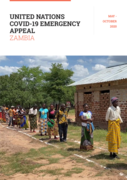
The Government of Republic of Zambia reported the first confirmed cases of COVID-19 on 18th March 2020. As of April 27th, 2020, there were 89 confirmed cases, three deaths and 42 recoveries. Confirmed cases are located in three provinces: Lusaka (83
...
cases), Copperbelt province (5 cases) and Central (1 case). Zambia introduced a series of measures including closure of three international airports, closure of all schools, movement restrictions and closure of non-essential services such as restaurant, bar, gym and public gatherings to curb the transmission rate.
more
Humanitarian emergencies result in a breakdown of critical health-care services and often make vulnerable communities dependent on external agencies for care. In resource-constrained settings, this may occur against a backdrop of extreme poverty, ma
...
lnutrition, insecurity, low literacy and poor infrastructure. Under these circumstances, providing food, water and shelter and limiting communicable disease outbreaks become primary concerns. Where effective and safe vaccines are available to mitigate the risk of disease outbreaks, their potential deployment is a key consideration in meeting emergency health needs. Ethical considerations are crucial when deciding on vaccine deployment. Allocation of vaccines in short supply, target groups, delivery strategies, surveillance and research during acute humanitarian emergencies all involve ethical considerations that often arise from the tension between individual and common good. The authors lay out the ethical issues that policy-makers need to bear in mind when considering the deployment of mass vaccination during humanitarian emergencies, including beneficence (duty of care and the rule of rescue), non-maleficence, autonomy and consent, and distributive and procedural justice
more
2nd edition.
Like the original, this second edition of the guidance aims to inform the revision of existing national guidelines and standards for managing Tuberculosis (TB), many of which include guidance on children. It includes recommendations, b
...
ased on the best available evidence, for improving the management of children with TB and of children living in families with TB. National and regional TB control programmes may wish to adapt these recommendations according to local circumstances
more
REGULATION (EU) No 604/2013 OF THE EUROPEAN PARLIAMENT AND OF THE COUNCIL
of 26 June 2013 establishing the criteria and mechanisms for determining the Member State responsible for examining an appl
...
ication for international protection lodged in one of the Member States by a third-country national or a stateless person (recast)
more
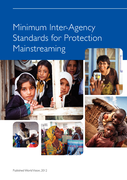
The Minimum Standards for Protection Mainstreaming are a set of international standards designed to provide practical assistance to humanitarian actors to mainstream protection in the assessment, design, implementation, monitoring and evaluation of humanitarian programmes, projects
...
and activities. All humanitarian actors are expected to mainstream protection in their humanitarian assistance activities as a component of a broader commitment to quality and accountability in humanitarian response.
more

Universal eye health: a global action plan 2014–2019 |
Available documents in :Arabic, Chinese, English, French, Russian, and Spanish | http://www.who.int/blindness/actionplan/en/

‘Psychosocial Support of Children in Emergencies’ is a reference document for humanitarian workers who want to increase their understanding of the experiences of children in emergency situations and how to support them in mitigating the negative
...
effects of these experiences and how to prevent further harm. While the book is not designed to be a day-to-day programming tool, it outlines UNICEF’s orientation to the psychosocial principles integral to any work with children and provides a number of examples from field work of how these principles can be turned into concrete actions.
more

This casebook collects 64 case studies, each of which raises an important and difficult ethical issue connected with planning, reviewing, or conducting health-related research. The book’s purpose is to contribute to thoughtful analysis of these is
...
sues by researchers and members of research ethics committees (RECs, known in some places as ethical review committees or institutional review boards), particularly those involved with studies that are conducted or sponsored internationally.
more
