Filter
1782
Text search:
adolescent
mental
health
Featured
201
422
Language
1599
95
79
56
28
16
10
7
7
5
5
4
4
3
3
3
3
2
2
2
2
1
1
1
1
1
1
1
1
1
1
1
1
1
1
1
1
1
1
Document type
1073
258
205
94
67
36
20
12
8
2
1
1
1
Countries
73
61
51
48
37
34
31
31
30
28
28
27
26
24
22
21
20
19
18
16
15
15
15
13
12
11
11
11
10
10
10
8
8
8
7
7
7
7
7
7
7
6
6
6
6
5
5
5
5
4
4
4
3
3
3
3
3
3
3
3
3
2
2
2
2
2
2
2
2
2
2
1
1
1
1
1
1
1
1
1
1
1
1
1
1
1
1
1
1
1
1
1
1
1
1
Authors & Publishers
209
142
77
77
54
52
40
35
34
34
33
32
29
15
14
12
11
11
10
10
9
9
8
8
8
7
7
6
6
6
6
5
5
5
5
5
5
5
5
5
5
5
5
5
5
5
4
4
4
4
4
4
4
4
4
4
4
4
4
4
4
4
4
4
4
4
4
4
4
4
4
4
3
3
3
3
3
3
3
3
3
3
3
3
3
3
3
3
3
3
3
3
3
3
3
3
3
3
3
3
3
3
3
3
3
3
3
3
3
3
3
3
3
3
3
3
3
3
3
3
3
3
3
3
3
3
3
3
3
3
3
3
3
3
3
3
3
2
2
2
2
2
2
2
2
2
2
2
2
2
2
2
2
2
2
2
2
2
2
2
2
2
2
2
2
2
2
2
2
2
2
2
2
2
2
2
2
2
2
2
2
2
2
2
2
2
2
2
2
2
2
2
2
2
2
2
2
2
2
2
2
2
2
2
2
2
2
2
2
2
2
2
2
2
2
2
2
2
2
2
2
2
2
2
2
2
2
2
2
2
2
2
2
2
2
2
2
2
2
2
2
2
2
2
2
2
2
2
2
2
2
2
2
2
2
2
2
2
2
2
2
2
2
2
2
2
2
2
2
2
2
2
2
2
2
2
2
2
2
2
2
2
2
2
2
2
2
2
2
2
2
2
2
2
2
2
2
2
2
2
2
1
1
1
1
1
1
1
1
1
1
1
1
1
1
1
1
1
1
1
1
1
1
1
1
1
1
1
1
1
1
1
1
1
1
1
1
1
1
1
1
1
1
1
1
1
1
1
1
1
1
1
1
1
1
1
1
1
1
1
1
1
1
1
1
1
1
1
1
1
1
1
1
1
1
1
1
1
1
1
1
1
1
1
1
1
1
1
1
1
1
1
1
1
1
1
1
1
1
1
1
1
1
1
1
1
1
1
1
1
1
1
1
1
1
1
1
1
1
1
1
1
1
1
1
1
1
1
1
1
1
1
1
1
1
1
1
1
1
1
1
1
1
1
1
1
1
1
1
1
1
1
1
1
1
1
1
1
1
1
1
1
1
1
1
1
1
1
1
1
1
1
1
1
1
1
1
1
1
1
1
1
1
1
1
1
1
1
1
1
1
1
1
1
1
1
1
1
1
1
1
1
1
1
1
1
1
1
1
1
1
1
1
1
1
1
1
1
1
1
1
1
1
1
1
1
1
1
1
1
1
1
1
1
1
1
1
1
1
1
1
1
1
1
1
1
1
1
1
1
1
1
1
1
1
1
1
1
1
1
1
1
1
1
1
1
1
1
1
1
1
1
1
1
1
1
1
1
1
1
1
1
1
1
1
1
1
1
1
1
1
1
1
1
1
1
1
1
1
1
1
1
1
1
1
1
1
1
1
1
1
1
1
1
1
1
1
1
1
1
1
1
1
1
1
1
1
1
1
1
1
1
1
1
1
1
1
1
1
1
1
1
1
1
1
1
1
1
1
1
1
1
1
1
1
1
1
1
1
1
1
1
1
1
1
1
1
1
1
1
1
1
1
1
1
1
1
1
1
1
1
1
1
1
1
1
1
1
1
1
1
1
1
1
1
1
1
1
1
1
1
1
1
1
1
1
1
1
1
1
1
1
1
1
1
1
1
1
1
1
1
1
1
1
1
1
1
1
1
1
1
1
1
1
1
1
1
1
1
1
1
1
1
1
1
1
1
1
1
1
1
1
1
1
1
1
1
1
1
1
1
1
1
1
1
1
1
1
1
1
1
1
1
1
1
1
1
1
1
1
1
1
1
1
1
1
1
1
1
1
1
1
1
1
1
1
1
1
1
1
1
1
1
1
1
1
1
1
1
1
1
1
1
1
1
1
1
1
1
1
1
1
1
1
1
1
1
1
1
1
1
1
1
1
1
1
1
1
1
1
1
1
1
1
1
1
1
1
1
1
1
1
1
1
1
1
1
1
1
1
1
1
1
1
1
1
1
1
1
1
1
1
1
1
1
1
1
1
1
1
1
1
1
1
1
1
1
1
1
1
1
1
1
1
1
1
1
1
1
1
1
1
1
1
1
1
1
1
1
1
1
1
1
1
1
1
1
1
1
1
1
1
1
1
1
1
1
1
1
1
1
1
1
1
1
1
1
1
1
1
1
1
1
1
1
1
1
1
1
1
1
1
1
1
1
1
1
1
1
1
1
1
1
1
1
1
1
1
1
1
1
1
1
1
1
1
1
1
1
1
1
1
1
1
1
1
1
1
1
1
1
1
1
1
1
1
1
1
1
1
1
1
1
1
1
1
1
1
1
1
1
1
1
1
1
1
1
1
1
1
1
1
1
1
1
1
1
1
1
1
1
1
1
1
1
1
1
1
1
1
1
1
1
1
1
1
1
1
1
1
1
1
1
1
1
1
1
1
1
1
1
1
1
1
1
1
1
1
1
1
1
1
1
1
1
1
1
1
1
1
1
1
1
1
1
1
1
1
1
1
1
1
1
1
1
1
1
1
1
1
1
1
1
1
1
1
1
1
1
1
1
1
1
1
1
1
1
1
1
1
1
1
1
1
1
1
1
1
1
1
1
1
1
1
1
1
1
1
1
1
1
1
1
1
1
1
1
1
1
1
1
1
1
1
1
1
1
1
1
1
1
1
1
1
1
1
1
1
1
1
1
1
1
1
1
1
1
1
1
1
1
1
1
1
1
1
1
1
1
1
1
1
1
1
1
1
1
1
1
1
1
1
1
1
1
1
1
1
1
1
1
1
1
1
1
1
1
1
1
1
1
1
1
1
1
1
1
1
1
1
1
1
1
1
1
1
1
1
1
1
1
1
1
1
1
1
1
1
1
1
1
1
1
1
1
1
1
1
1
1
1
1
1
1
1
1
1
1
1
1
1
1
1
1
1
1
1
1
1
1
1
1
1
1
1
1
1
1
1
1
1
1
1
1
1
1
1
1
1
1
1
1
1
1
1
1
1
1
1
1
1
1
1
1
1
1
1
1
1
1
1
1
1
1
1
1
1
1
1
1
1
1
1
1
1
1
1
1
1
1
1
1
1
1
1
1
1
1
1
1
1
1
1
1
1
1
1
1
1
1
1
1
1
1
1
1
1
1
1
1
1
1
1
1
1
1
1
1
1
1
1
1
1
1
1
1
1
1
1
1
1
1
1
1
1
1
1
1
1
1
1
1
1
1
1
1
1
1
1
1
1
1
1
1
1
1
1
1
1
1
1
1
1
1
1
1
1
1
1
1
1
1
1
1
1
1
1
1
1
1
1
1
1
1
1
1
1
1
1
1
1
1
1
1
1
1
1
1
1
1
1
1
1
1
1
1
1
1
1
1
1
1
1
1
1
1
1
1
1
1
1
1
1
1
1
1
1
1
1
1
1
1
1
1
1
1
1
1
1
1
1
1
1
1
1
1
1
1
1
1
1
1
1
1
Publication Years
512
1129
139
2
Category
612
205
90
80
73
67
4
1
Toolboxes
532
121
112
58
51
48
41
30
28
23
23
17
13
12
11
8
7
7
4
2
2
1
1
1
Guidance | Preparedness - Response and early recovery - Recovery and reconstruction


Parental Stress in Raising a Child with Disabilities in India
Vidya Bhushan Gupta, Priyanka Mehrotra, Naveen Mehrotra
Disability, CBR & Inclusive Development Journal (DCIDJ)
(2012)
CC

Journal of the International AIDS Society 2016, 19:20926
There is a growing interest in the potential contribution the private sector can make towards increasing access to antiretroviral therapy (ART) in low‐ and middle‐income settings. This article describes a public–private partnership ... that was developed to expand HIV care capacity in Yangon, Myanmar. The partnership was between private sector general practitioners (GPs) and a community‐based non‐governmental organization (International HIV/AIDS Alliance).
https://doi.org/10.7448/IAS.19.1.20926 more
There is a growing interest in the potential contribution the private sector can make towards increasing access to antiretroviral therapy (ART) in low‐ and middle‐income settings. This article describes a public–private partnership ... that was developed to expand HIV care capacity in Yangon, Myanmar. The partnership was between private sector general practitioners (GPs) and a community‐based non‐governmental organization (International HIV/AIDS Alliance).
https://doi.org/10.7448/IAS.19.1.20926 more
Posttraumatic stress disorder (PTSD) in children and adolescents occurs as a result of a child’s exposure to one or more traumatic events: actual or threatened death, serious injury, or sexual violence. The victim may experience the event, witness it, learn about it from close family members or fr
...
iends, or experience repeated or extreme exposure to aversive details of the event. Potentially traumatic events include physical or sexual assaults, natural disasters, and accidents.
more
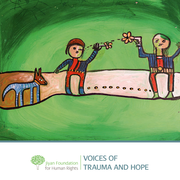
We created this booklet to share our patients’ stories with a larger community. Too many historical injustices go unacknowledged in Iraq, and human rights abuses continue to this day. We feel it is essential to uncover these injustices and help our patients speak out, in the hope that one day all
...
people will enjoy their fundamental human rights in Iraq.
more
Every five minutes a child dies as the result of violence, according to a ground-breaking report from Unicef UK. The report reveals that the vast majority of children are killed outside warzones and that physical, sexual and emotional abuse is widespread with millions of children unsafe in their hom
...
es, schools and communities. Some 345 children could die from violence each day in the next year, unless governments act.
The report also finds that:
(1) Children who are victims of violence have brain activity similar to soldiers exposed to combat;
(2) A third of children who are victims of violence are likely to develop long-lasting symptoms of post-traumatic stress disorder;
(3) Those living in poverty are more likely to be victims of violence, wherever they live in the world;
(4) Over 7% of child deaths due to violence each day are the result of interpersonal violence, rather than conflict.
more
Interpersonal violence – in all its forms – has a grave effect on children: Violence undermines children’s future potential; damages their physical, psychological and emotional well-being; and in many cases, ends their lives. The report sheds light on the prevalence of different forms of viole
...
nce against children, with global figures and data from 190 countries. Where relevant, data are disaggregated by age and sex, to provide insights into risk and protective factors.
more
Treatment of Posttraumatic Stress Disorder in Children and Adolescents
Patrick, S., Perrin, S., Tim, D., Richard, M-S., David M, C., & William, Y.
Current Opinion in Psychiatry
(2013)
C1
Purpose of review: We review recent evidence regarding risk factors for childhood posttraumatic stress disorder (PTSD) and treatment outcome studies from 2010 to 2012 including dissemination studies, early intervention studies and studies involving preschool children.
This Review summarizes many of the persistent biological alterations associated with childhood maltreatment including changes in neuroendocrine and neurotransmitter systems and pro-inflammatory cytokines in addition to specific alterations in brain areas associated with mood regulation. Finally, I d
...
iscuss several candidate gene polymorphisms that interact with childhood maltreatment to modulate vulnerability to major depression and PTSD and epigenetic mechanisms thought to transduce environmental stressors into disease vulnerability.
Neuron Review, vol. 89, March 2, 2016 pp.892-909
more

Early Childhood Matters is a journal about early childhood. It looks at specific issues regarding the development of young children, in particular from a psychosocial perspective. It is published twice per year by the Bernard van Leer Foundation.
On Page 54 of this issue the article titled: "Par
...
enting in times of war: supporting caregivers and children in crisis" can be found. In this article: Humanitarian interventions to support and guide parents and caregivers in times of war can mitigate the negative effects of violence and chaos on children and promote their resilience and development. This article highlights recent findings from the International Rescue Committee’s parenting programmes in Syria, underscoring the importance of such programmes not only in strengthening caregiving practices but also in addressing the psychological needs of parents.
more
The figures and findings reflected in the 2019 Humanitarian Needs Overview (HNO) represent the independent analysis
of the United Nations (UN) and its humanitarian partners based on information available to them. While the HNO aims
to provide consolidated humanitarian analysis and data to help inf
...
orm joint strategic humanitarian planning, many of
the figures provided throughout the document are estimates based on sometimes incomplete and partial data sets using
the methodologies for collection that were available at the time. The Government of Syria has expressed its reservations
over the data sources and methodology of assessments used to inform the HNO, as well as on a number of HNO findings.
more