
Filter
1616
Text search:
cultural
beliefs
Featured
Recommendations
134
New Publications
409
Language
Document type
No document type
1030
Studies & Reports
193
Guidelines
154
Manuals
125
Strategic & Response Plan
48
Training Material
44
Fact sheets
13
Brochures
3
Situation Updates
3
Resource Platforms
2
Infographics
1
Countries / Regions
Kenya
58
Global
54
India
48
Uganda
42
Sierra Leone
41
Liberia
41
Nigeria
40
Ethiopia
38
Malawi
28
Tanzania
26
South Africa
26
Bangladesh
26
Nepal
24
Zambia
24
Ghana
22
Latin America and the Carribbean
21
Africa
21
Myanmar / Burma
20
Western and Central Europe
19
Namibia
16
South Sudan
14
Rwanda
14
Syria
13
Philippines
11
Indonesia
11
Guinea
10
Lesotho
10
Cambodia
9
Ukraine
9
South–East Asia Region
8
Congo, Democratic Republic of
7
Zimbabwe
7
China
6
Botswana
6
Middle East and North Africa
6
Senegal
5
Haiti
5
Pakistan
5
Lebanon
5
Thailand
5
Mozambique
5
Vietnam
5
West and Central Africa
4
Eastern Europe and Central Asia
4
Asia
4
Eastern Europe
4
Burkina Faso
3
Cameroon
3
Jordan
3
Germany
3
Papua New Guinea
3
Eswatini/ Swaziland
3
Brazil
3
Colombia
3
Sri Lanka
3
East and Southern Africa
3
Western Pacific Region
3
Laos
3
Russia
3
USA
2
Somalia
2
Afghanistan
2
Peru
2
Yemen
2
Palestine
2
Southern Africa
2
Canada
2
Timor Leste/ East Timor
2
Japan
2
Spain
2
Mali
1
Togo
1
Iraq
1
Malaysia
1
Singapore
1
Sudan
1
Benin
1
Serbia
1
Croatia
1
Angola
1
Guatemala
1
Mexico
1
Fiji
1
Tajikistan
1
Moldova
1
Iran
1
Kyrgyzstan
1
Georgia
1
Turkmenistan
1
Mauritius
1
Portugal
1
Azerbaijan
1
Belarus
1
Bosnia and Herzegovina
1
Authors & Publishers
Publication Years
Category
Countries
508
Women & Child Health
130
Key Resources
129
Public Health
98
Clinical Guidelines
88
Capacity Building
66
Pharmacy & Technologies
1
Toolboxes
Mental Health
262
Disability
137
HIV
100
COVID-19
70
Caregiver
58
Ebola & Marburg
57
Conflict
42
Refugee
42
Social Ethics
38
Planetary Health
35
TB
33
NTDs
33
Global Health Education
28
NCDs
22
Rapid Response
18
2.0 Rapid Response
17
AMR
13
Natural Hazards
11
Pharmacy
11
Cholera
10
Zika
7
Malaria
7
Polio
5
Specific Hazards
5
Health Financing Toolbox
3

No publication date indicated.


Climate change and health vulnerability and adaptation assessment
In 2013 the World Health Organization (WHO) published the report Protecting health from climate change:
vulnerability and adaptation assessment. The aim was to provide basic and flexible guidance on conducting national or subnati
...

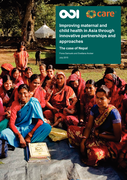
Following an overview of maternal and neonatal child health in Nepal and in the districts covered by the project, the briefing outlines the background to the Strengthening Approaches for Maximizing Maternal, Neonatal and Reproductive Health (SAMMAN) project. It then describes the key aspects of the
...


In the context of the coronavirus disease (COVID-19) pandemic response, WHO identifies young people as a priority target audience with specific concerns, experiences and behaviours. This policy brief provides relevant insights from behavioural evidence and a set of behavioural considerations for tho
...

The Ministry of Education, Arts and Culture (MoEAC) has been implementing the Integrated School Health Programme in various forms since before the country attained political independence in 1990. School health goes beyond the physical health of the learner, in that it includes the holistic wellbeing
...

Advocacy ,Social Mobilization ,Behavior Change Communications


The document contains preliminary report on all aspects of WHO’s response in the Ebola outbreak. WHO Member States will discuss the report at the sixty-eighth World Health Assembly.

Strategy for Increasing the use of Modern Contraceptives in Nigeria
This Guide is part of WHO’s overall programme of work on Political Economy of Health Financing Reform: Analysis and Strategy to Support UHC. The impetus for this work came from demands for more concrete evidence, recognition and integration of political economy issues within
health financing, and
...
WHO guidelines on meningitis diagnosis, treatment and care. Web Annex C. Evidence-to-Decision frameworks
recommended
The guidelines are primarily intended for health-care professionals working in first- or second-level health-care facilities, including emergency, inpatient and outpatient services. They are also directed at policy-makers, health-care planners and programme managers, academic institutions, non-gover
...

The objectives of this guideline are the same as those of the 2011 edition, namely to provide evidence-based normative guidance on interventions to improve adolescent morbidity and mortality by reducing the chances of early pregnancy and its resulting poor health outcomes. The specific objectives of
...
