
Filter
2802
Text search:
Refugees
Featured
313
787
Language
2307
358
217
197
131
128
77
68
46
42
41
40
37
36
35
33
33
32
32
31
29
28
28
28
18
17
17
16
9
9
9
9
8
8
7
6
6
6
5
5
5
5
5
4
4
4
4
4
4
4
3
3
3
3
3
3
2
2
2
2
1
1
1
1
1
1
1
1
1
1
Document type
1379
551
259
147
143
95
74
48
47
27
17
6
4
3
2
Countries
328
138
136
91
82
79
74
70
61
48
47
44
40
36
34
31
29
29
26
24
21
21
19
19
19
19
18
18
17
17
17
16
16
15
14
14
14
14
13
13
10
10
10
9
9
9
8
7
7
7
7
7
7
6
6
6
6
5
5
5
5
5
5
5
5
4
4
4
4
4
4
4
4
4
4
3
3
3
3
3
3
2
2
2
2
2
2
2
2
2
2
2
2
2
2
1
1
1
1
1
1
1
1
1
1
1
1
1
1
1
1
1
1
1
1
1
1
1
1
1
1
1
1
1
1
1
Authors & Publishers
224
63
58
55
54
51
46
42
32
30
28
27
25
23
22
22
21
21
20
20
20
18
18
17
14
14
14
13
13
13
12
11
11
11
11
11
10
10
10
10
10
10
10
10
9
9
9
9
9
8
8
8
8
8
8
8
8
7
7
7
7
7
7
7
7
7
7
6
6
6
6
6
6
6
6
6
6
6
6
6
6
6
6
6
6
6
5
5
5
5
5
5
5
5
5
5
5
5
5
5
5
5
5
5
5
5
5
5
4
4
4
4
4
4
4
4
4
4
4
4
4
4
4
4
4
4
4
4
4
4
4
4
4
4
4
4
4
4
4
4
4
4
4
4
4
4
4
4
4
3
3
3
3
3
3
3
3
3
3
3
3
3
3
3
3
3
3
3
3
3
3
3
3
3
3
3
3
3
3
3
3
3
3
3
3
3
3
3
3
3
3
3
3
3
3
3
3
3
3
3
3
3
3
3
3
3
3
3
3
3
3
3
3
3
3
3
3
2
2
2
2
2
2
2
2
2
2
2
2
2
2
2
2
2
2
2
2
2
2
2
2
2
2
2
2
2
2
2
2
2
2
2
2
2
2
2
2
2
2
2
2
2
2
2
2
2
2
2
2
2
2
2
2
2
2
2
2
2
2
2
2
2
2
2
2
2
2
2
2
2
2
2
2
2
2
2
2
2
2
2
2
2
2
2
2
2
2
2
2
2
2
2
2
2
2
2
2
2
2
2
2
2
2
2
2
2
2
2
2
2
2
2
2
2
2
2
2
2
2
2
2
2
2
2
2
2
2
2
2
2
2
2
2
2
2
2
2
2
2
2
2
2
2
2
2
2
2
2
2
2
2
2
2
2
2
2
2
2
1
1
1
1
1
1
1
1
1
1
1
1
1
1
1
1
1
1
1
1
1
1
1
1
1
1
1
1
1
1
1
1
1
1
1
1
1
1
1
1
1
1
1
1
1
1
1
1
1
1
1
1
1
1
1
1
1
1
1
1
1
1
1
1
1
1
1
1
1
1
1
1
1
1
1
1
1
1
1
1
1
1
1
1
1
1
1
1
1
1
1
1
1
1
1
1
1
1
1
1
1
1
1
1
1
1
1
1
1
1
1
1
1
1
1
1
1
1
1
1
1
1
1
1
1
1
1
1
1
1
1
1
1
1
1
1
1
1
1
1
1
1
1
1
1
1
1
1
1
1
1
1
1
1
1
1
1
1
1
1
1
1
1
1
1
1
1
1
1
1
1
1
1
1
1
1
1
1
1
1
1
1
1
1
1
1
1
1
1
1
1
1
1
1
1
1
1
1
1
1
1
1
1
1
1
1
1
1
1
1
1
1
1
1
1
1
1
1
1
1
1
1
1
1
1
1
1
1
1
1
1
1
1
1
1
1
1
1
1
1
1
1
1
1
1
1
1
1
1
1
1
1
1
1
1
1
1
1
1
1
1
1
1
1
1
1
1
1
1
1
1
1
1
1
1
1
1
1
1
1
1
1
1
1
1
1
1
1
1
1
1
1
1
1
1
1
1
1
1
1
1
1
1
1
1
1
1
1
1
1
1
1
1
1
1
1
1
1
1
1
1
1
1
1
1
1
1
1
1
1
1
1
1
1
1
1
1
1
1
1
1
1
1
1
1
1
1
1
1
1
1
1
1
1
1
1
1
1
1
1
1
1
1
1
1
1
1
1
1
1
1
1
1
1
1
1
1
1
1
1
1
1
1
1
1
1
1
1
1
1
1
1
1
1
1
1
1
1
1
1
1
1
1
1
1
1
1
1
1
1
1
1
1
1
1
1
1
1
1
1
1
1
1
1
1
1
1
1
1
1
1
1
1
1
1
1
1
1
1
1
1
1
1
1
1
1
1
1
1
1
1
1
1
1
1
1
1
1
1
1
1
1
1
1
1
1
1
1
1
1
1
1
1
1
1
1
1
1
1
1
1
1
1
1
1
1
1
1
1
1
1
1
1
1
1
1
1
1
1
1
1
1
1
1
1
1
1
1
1
1
1
1
1
1
1
1
1
1
1
1
1
1
1
1
1
1
1
1
1
1
1
1
1
1
1
1
1
1
1
1
1
1
1
1
1
1
1
1
1
1
1
1
1
1
1
1
1
1
1
1
1
1
1
1
1
1
1
1
1
1
1
1
1
1
1
1
1
1
1
1
1
1
1
1
1
1
1
1
1
1
1
1
1
1
1
1
1
1
1
1
1
1
1
1
1
1
1
1
1
1
1
1
1
1
1
1
1
1
1
1
1
1
1
1
1
1
1
1
1
1
1
1
1
1
1
1
1
1
1
1
1
1
1
1
1
1
1
1
1
1
1
1
1
1
1
1
1
1
1
1
1
1
1
1
1
1
1
1
1
1
1
1
1
1
1
1
1
1
1
1
1
1
1
1
1
1
1
1
1
1
1
1
1
1
1
1
1
1
1
1
1
1
1
1
1
1
1
1
1
1
1
1
1
1
1
1
1
1
1
1
1
1
1
1
1
1
1
1
1
1
1
1
1
1
1
1
1
1
1
1
1
1
1
1
1
1
1
1
1
1
1
1
1
1
1
1
1
1
1
1
1
1
1
1
1
1
1
1
1
1
1
1
1
1
1
1
1
1
1
1
1
1
1
1
1
1
1
1
1
1
1
1
1
1
1
1
1
1
1
1
1
1
1
1
1
1
1
1
1
1
1
1
1
1
1
1
1
1
1
1
1
1
1
1
1
1
1
1
1
1
1
1
1
1
1
1
1
1
1
1
1
1
1
1
1
1
1
1
1
1
1
1
1
1
1
1
1
1
1
1
1
1
1
1
1
1
1
1
1
1
1
1
1
1
1
1
1
1
1
1
1
1
1
1
1
1
1
1
1
1
1
1
1
1
1
1
1
1
1
1
1
1
1
1
1
1
1
1
1
1
1
1
1
1
1
1
1
1
1
1
1
1
1
1
1
1
1
1
1
1
1
1
1
1
1
1
1
1
1
1
1
1
1
1
1
1
1
1
1
1
1
1
1
1
1
1
1
1
1
1
1
1
1
1
1
1
1
1
1
1
1
1
1
1
1
1
1
1
1
1
1
1
1
1
1
1
1
1
1
1
1
1
1
1
1
1
1
1
1
1
1
1
1
1
1
1
1
1
1
1
1
1
1
1
1
1
1
1
1
1
1
1
1
1
1
1
1
1
1
1
1
1
1
1
1
1
1
1
1
1
1
1
1
1
1
1
1
1
1
1
1
1
1
1
1
1
1
1
1
1
1
1
1
1
1
1
1
1
1
1
1
1
1
1
1
1
1
1
1
1
1
1
1
1
1
1
1
1
1
1
1
1
1
1
1
1
1
1
1
1
1
1
1
1
1
1
1
1
1
1
1
1
1
1
1
1
1
1
1
1
1
1
1
1
1
1
1
1
1
1
1
1
1
1
1
1
1
1
1
1
1
1
1
1
1
1
1
1
1
1
1
1
1
1
1
1
1
1
1
1
1
1
1
1
1
1
1
1
1
1
1
1
1
1
1
1
1
1
1
1
1
1
1
1
1
1
1
1
1
1
1
1
1
1
1
1
1
1
1
1
1
1
1
1
1
1
1
1
1
1
1
1
1
1
1
1
1
1
1
1
1
1
1
1
1
1
1
1
1
1
1
1
1
1
1
1
1
1
1
1
1
1
1
1
1
1
1
1
1
1
1
1
1
1
1
1
1
1
1
1
1
1
1
1
1
1
1
1
1
1
1
1
1
1
1
1
1
1
1
1
1
1
1
1
1
1
1
1
1
1
1
1
1
1
1
1
1
1
1
1
1
1
1
1
1
1
1
1
1
1
1
1
1
1
1
1
1
1
1
1
1
1
1
1
1
1
1
1
1
1
1
1
1
1
1
1
1
1
1
1
1
1
1
1
1
1
1
1
1
1
1
1
1
1
1
1
1
1
1
1
1
1
1
1
1
1
1
1
1
1
1
1
1
1
1
1
1
1
1
1
1
1
1
1
1
1
1
1
1
1
1
1
1
1
1
1
1
1
1
1
1
1
1
1
1
1
1
1
1
1
1
1
1
1
1
1
1
1
1
1
1
1
1
1
1
1
1
1
1
1
1
1
1
1
1
1
1
1
1
1
1
1
1
1
1
1
1
1
1
1
1
1
1
1
1
1
1
1
1
1
1
1
1
1
1
1
1
1
1
1
1
1
1
1
1
1
1
1
1
1
1
1
1
1
1
1
1
1
1
1
1
1
1
1
1
1
1
1
1
1
1
1
1
1
1
1
1
1
1
1
1
1
1
1
1
1
1
1
1
1
1
1
1
1
1
1
1
1
1
1
1
1
1
1
1
1
1
1
1
1
1
1
1
1
1
1
1
1
1
1
1
1
1
1
1
1
1
1
1
1
1
1
1
1
1
1
1
1
1
1
1
1
1
1
1
1
1
1
1
1
1
1
1
1
1
1
1
1
1
1
1
1
1
1
1
1
1
1
1
1
1
1
1
1
1
1
1
1
1
1
1
1
1
1
1
1
1
1
1
1
1
1
1
1
1
1
1
1
1
1
1
1
1
1
1
1
1
1
1
1
1
1
1
1
1
1
1
1
1
1
1
1
1
1
1
1
1
1
1
1
1
1
1
1
1
1
1
1
1
1
1
1
1
1
1
1
1
1
1
1
1
1
1
1
1
1
1
1
1
1
1
1
1
1
1
1
1
1
1
1
1
1
1
1
1
1
1
1
1
1
1
1
1
1
1
Publication Years
1
1025
1579
172
20
1
1
3
Category
718
258
122
78
72
51
4
2
Toolboxes
708
363
325
266
106
77
76
50
48
44
42
35
34
30
27
27
21
17
17
16
11
10
8
6
3
3

Traumata werden definiert als Ereignisse von außergewöhnlicher Bedrohung, die nahezu bei jedem tiefgreifende Verzweiflung auslösen würde. Die „klassische“ Posttraumatische Belastungsstörung (PTBS) ist gekennzeichnet durch Intrusionen, Vermeidung und Hyperausal. Die komplexe Posttraumatische
...
Belastungsstörung (KPTBS) wird als eigenständige Diagnose in das ICD-11 aufgenommen und tritt als Folge von sich wiederholenden oder langandauernden traumatischen Ereignissen auf. Die KPTBS ist neben den Symptomen der PTBS durch Affektregulationsstörungen, negative Selbstwahrnehmung und Beziehungsstörungen gekennzeichnet. Aktuelle empirische Studien lieferten Hinweise für die Validität dieser Diagnose. Die Exposition in sensu mit dem traumatischen Ereignis steht im Mittelpunkt der als erfolgreich evaluierten Psychotherapien der PTBS und der KPTBS. Zur differenziellen Wirkung einzelner traumafokussierter Verfahren bei KPTBS können jedoch noch keine eindeutigen Empfehlungen ausgesprochen werden.
more
Trastornos de ansiedad
Capítulo F.4
Editor: Daniel Martínez, Matías Irarrázaval
Traducido por Beatriz Garcia Parreño, Nieves Hermosín Carpio, Sandra Alonso Bada
Background: Little is known about post-traumatic stress (PTSD) prevalence rates in community samples. This is especially true for the African continent where child-soldiers, HIV/AIDS affected and orphans have been the target for PTSD prevalence studies. Objectives: The aim of this study is to invest
...
igate the indirect and direct exposure to 20 potentially traumatic events and its relation with PTSD in a Ugandan sample of senior 3rd year students and to perform cross-cultural comparisons with previous studies examining this age group. Socio-economic status, coping styles, negative affect, and somatization are further examined.
more
ECDC MISSION REPORT 19–21 September 2016 ; 14–15 November 2016
This document contains a series of desk reviews for the eight ENGAGE-TB priority countries supported by the Global Fund (DRC, Kenya, Indonesia, Mozambique, Myanmar, Nigeria, Pakistan and Tanzania). The document provides a situation assessment and gap analysis about the state of community based TB ac
...
tivities in these countries. The focus on these eight countries was justified by the high prevalence of TB and the very high number of missed/unreported cases.
more

This analytical report reviews and discusses the potential role and influence of political commitment in implementing endorsements and conducting policy in the field of tuberculosis (TB) prevention and care. It promotes discussion by comparing and analysing the extent to which selected international
...
commitments, set out in declarations and other committal documents between 2000 and 2018, may have translated into sustainable action. This reflection is relevant and timely, as the United Nations high-level meeting (UNHLM) on TB recently took place, offering countries the opportunity to take stock of progress made, refocus efforts, and step up global commitments to achieve the United Nations Sustainable Development Goal of eliminating TB by 2030
more
This report presents an overview of the transition process in Azerbaijan, some sustainability aspects and challenges stemming from donor withdrawal from TB-related activities, along with recommendations on how to overcome transition-related difficulties and ensure sustainability.
Crisis Group’s Watch List identifies ten countries or regions at risk of deadly conflict or escalation thereof in 2021. In these places, early action, driven or supported by the EU and its member states, could enhance prospects for peace and stability.
Crisis Group’s early-warning Watch List id
...
entifies up to ten countries and regions at risk of conflict or escalation of violence. In these situations, early action, driven or supported by the EU and its member states, could generate stronger prospects for peace. The Watch List 2021 includes an Introduction, detailed conflict analyses and EU-targeted recommendations on Central African Republic, Democratic Republic of Congo, Ethiopia, Iran & the Gulf, Libya, Mexico & Central America, Nagorno-Karabakh, Somalia, Thailand and Venezuela.
more

The Gambia - Effective and humane mental health treatment and care for all
Mental Health Improvements for Nations Development (MIND); Department of Mental Health & Substance Abuse
World Health Organization
(2019)
C_WHO
Republic of The Gambia; Accessed on 31.01.2019

Global Happiness Policy Report 2018
Sachs, J. D.; Dr. Bin Bishr, A; De Neve. J.-E.; et al.
World Government Summit, Sustainable Development Solutions Network
(2018)
C2
Global Happiness Council

This document has been developed to provide training and guidance to be able to understand what are human rights, what human rights mean for people’s lives, as well as the actions that can be taken by individuals and groups to respect and promote human rights.

The aim of the WHO QualityRights tool kit is to support countries in assessing and
improving the quality and human rights of their mental health and social care facilities.
The tool kit is based on an extensive international review by people with mental disabilities
and their organizations. It ha
...
s been pilot-tested in low-, middle- and high-income
countries and is designed to be applied in all of these resource settings.
In this tool kit, the term ‘people with mental disabilities’ can include those with mental,
neurological or intellectual impairments and those with substance use disorders.
more
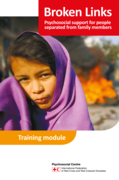
Broken Links: Psychosocial support for people separated from family members (Training
module) and the corresponding Broken Links field guide are designed to support staff and
volunteers in a wide range of settings where they may be in contact with families who have
been separated from their loved
...
ones. The field guide and the training module outline the
causes and consequences of being separated from family members, as well as the types of
contact staff and volunteers might have with families affected by separation.
more

Results from studies evaluating the effectiveness of focused psychosocial support interventions in children exposed to traumatic events in humanitarian settings in low-income and middle-income countries have been inconsistent, showing varying results by setting and subgroup (eg, age or gender). We a
...
imed to assess the effectiveness of these interventions, and to explore which children are likely to benefit most.
Lancet Glob Health 2018; 6: e390–400
more

Psychological first aid for schools: Field operations guide, 2nd Edition
Brymer M., Taylor M., Escudero P., Jacobs A., Kronenberg M., Macy R., Mock L., Payne L., Pynoos R., & Vogel J.
National Child Traumatic Stress Network (NCTSN) & National Center for PTSD
(2012)
C2
National Child Traumatic Stress Network National Center for PTSD | The field of school safety and emergency management has evolved significantly over the past decade. Tragically, acts of violence, natural disasters, and terrorist attacks have taught us many lessons. We also know that other types of
...
emergencies can impact schools, including medical emergencies, transportation accidents, sports injuries, peer victimization, public health emergencies, and the sudden death of a member of the school community. We now recognize the need for school emergency management plans that are up-to-date and take an “all-hazards” approach with clear communication channels and procedures that effectively reunite parents and caregivers with students. We have also learned that preparing school administrators, teachers, and school partnering agencies before a critical event is crucial for effective response, the value of ongoing training and emergency exercises, and that having intervention models that address the public health, mental health, and psychosocial needs of students and staff is essential to a safe school environment and the resumption of learning.
more
Оценка потребностей и ресурсов в области охраны психического здоровья и психосоциальной поддержки
recommended
Данный документ предназначен в первую очередь для работников здравоохранения. Поскольку социальные детерминанты нарушений психического здоровья и психосоциальÐ
...
½ых проблем относятся ко многим различным секторам, каждый второй инструмент из предложенного набора охватывает вопросы оценки ОПЗПП, актуальные не только для здравоохранения, но и для других секторов. Настоящий документ призван помочь вам в сборе необходимой информации для того, чтобы оказывать более действенную поддержку людям, пострадавшим от гуманитарных кризисов.
Assessing mental health and psychosocial needs and resources: toolkit for humanitarian setting
more

Unaccompanied and separated children leave their countries of origin for a variety of reasons. They may
be fleeing from persecution, armed conflict, exploitation or poverty. They may have been sent by members
of their family or decided to leave on their own – be it to ensure their survival, or t
...
o obtain an education or
employment. They may have been separated from their family during flight or may be trying to join parents
or other family members. Or they may have become victims of trafficking. Often it is a combination of
factors.
more
War Child put forward a specific request for comparative study, addressing the following questions: •What are the key types of intervention for psychosocial assistance that are being applied to children in war-affected areas? •What are the results of (scientific) research into the effects of th
...
e most relevant programmes? •Which NGOs operate in this sector and what is their practical experience with specific methods? •How does the War Child methodology relate to developments in the sector; what is known about the effects of War Child’s programme and how can these be measured? How will War Child work towards the development of additional evidence?
more
