
Filter
370
Text search:
pandemie
Featured
47
7
Language
Document type
112
95
35
29
24
17
14
12
9
7
7
4
4
1
Countries
114
35
11
10
9
7
6
5
5
4
4
4
4
4
3
3
3
3
3
3
3
3
3
2
2
2
2
2
2
2
2
2
2
2
2
2
2
2
2
1
1
1
1
1
1
1
1
1
1
1
1
1
1
1
1
1
1
Authors & Publishers
Publication Years
Category
133
18
16
8
7
3
1
Toolboxes
158
69
54
12
12
10
9
9
6
6
5
4
3
3
2
1
1
1
1

The document explains how Unitaid contributes to strengthening global pandemic prevention, preparedness, and response, particularly in low- and middle-income countries. It highlights lessons from the COVID-19 pandemic, including inequalities in access to health tools, and emphasizes the need for bet
...
The webpage explains “Preparedness 2.0,” a regional strategy by the World Health Organization (WHO) for Europe aimed at strengthening countries’ ability to prevent, prepare for, and respond to health emergencies. It outlines a five-year action plan (2024–2029) that supports member states in
...
The WHO webpage describes the Preparedness and Resilience for Emerging Threats (PRET) initiative, which is a global approach to improve how countries prepare for and respond to future pandemics. Instead of focusing on individual diseases, PRET emphasizes a broader strategy that groups pathogens by h
...
The webpage describes how the Preparedness and Resilience for Emerging Threats (PRET) initiative is being implemented in the Americas to strengthen pandemic preparedness and response. It explains that PRET promotes a unified approach by grouping diseases according to how they spread (such as respira
...
This document assembles these best practices and provides a resource for the proper management of equipment in the laboratory to ensure accurate, reliable and timely testing, and maintain a high level of laboratory performance. Improved equipment management also lowers repair costs, lengthens instru
...
Global Animal Disease Information System - interactive Platform
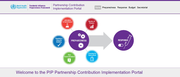
The Partnership Contribution (PC) is one element of the Pandemic Influenza Preparedness (PIP) Framework Benefit Sharing System. It is an annual cash contribution of US$ 28 million given to WHO by influenza vaccine, diagnostic and pharmaceutical manufacturers that use the WHO Global Influenza Surveil
...
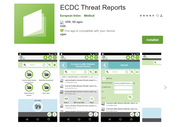
Free and open access application that gives you direct access to key updates and reports on communicable disease threats of concern to the EU on your mobile device.
The application is free to use and can be accessed by anyone. ECDC partners can access additional reports by logging in with their ECD
...


A Situational Assessment and Five-YearAction Plan for the Africa CDC Strengthening Regional Public Health Institutions and Capacity for Surveillance and Response Program

This guidance provides interim guidance for the integration of SARS-CoV-2 and influenza virologic and genomic surveillance, from sentinel site case enrolment and sampling to the eventual sharing of the virus sequence data, a process known as end-to-end surveillance. This guidance builds on experienc
...

The document “Guidance on Law and Public Health Emergency Preparedness and Response” provides recommendations for governments on how laws and policies can support effective preparation for and response to public health emergencies such as epidemics or pandemics. It explains the role of legal fra
...

The Coronavirus Disease 2019 (COVID-19) has had a continuous and robust impact on world health. The resulting COVID-19 pandemic has had a devastating physical, mental and fiscal impact on the millions of people living with noncommunicable diseases (NCDs), as they have a higher risk of severe illness
...

The ICMR type 1 diabetes guidelines come at a time when the SARS-CoV-2 pandemic
has disproportionately affected people with diabetes population, exposing them to a
high risk for severe illness and mortality. Globally, diabetes was responsible for over fourmillion deaths in the year 2019. It was th
...

Action Plan for Implementation of Recommendations from the Evaluation of PAHO's Response to COVID-19
An external team evaluated PAHO’s response to COVID-19 to provide an independent assessment of the Pan American Sanitary Bureau’s (PASB) performance regarding preparedness for and response to the COVID-19 pandemic. The evaluations’ final report culminates with eight recommendations for actions
...

Public health emergencies, including pandemics, highlight the need for health systems and services that are prepared, resilient and ready to respond to health security threats. Endorsed by Member States in 2023, the Asia Pacific Health Security Action Framework (APHSAF) is designed to engage m
...
The Global Strategic Preparedness and Response Plan (SPRP) for mpox, covering the six-month period from September 2024 to February 2025, provides a framework for public health preparedness and response to the mpox emergency. The current draft, subject to Member State input, outlines the urgent actio
...
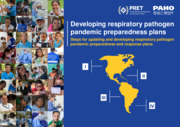
Planning for public health emergencies should ensure that capabilities developed during previous emergencies are maintained, incorporated, and put into practice when a new event of public health concern arises. Investments in pandemic preparedness lead to more rapid detection and a stronger response
...

Mpox is a zoonotic disease caused by a double-stranded DNA virus that belongs to the Orthopoxvirus genus of the Poxviridae family. The disease presents with symptoms similar to smallpox but with a lesser severity. It was first discovered in 1958 when two outbreaks of a poxlike disease occurred in co
...

Antimicrobial resistance (AMR) has emerged as a leading cause of death in the African region, surpassing fatalities from malaria, HIV, and TB. In response to this critical threat, the region has adopted the AMR Global Action Plan and the African Union Framework for Antimicrobial Resistance Control 2
...
