
Filter
894
Text search:
World
Health
Organization
(WHO)
-
Regional
Office
for
South-East
Asia
Featured
116
233
Language
Document type
395
191
164
55
46
13
9
8
7
2
2
2
Countries / Regions
65
62
46
31
29
26
19
13
11
11
10
10
10
10
5
5
5
4
4
4
4
4
4
4
4
4
3
3
3
3
3
3
3
3
3
2
2
2
2
2
2
2
2
2
2
2
2
2
1
1
1
1
1
1
1
1
1
1
1
1
1
1
1
1
1
1
1
1
1
1
1
1
1
1
1
1
1
1
1
1
1
1
Authors & Publishers
Publication Years
Category
203
119
79
73
47
21
14
Toolboxes
89
61
59
55
53
49
38
32
32
23
22
21
20
18
16
13
11
11
10
7
6
6
5
5
1
1
The WHO Guidance on community mental health services: Promoting person-centred and rights-based approaches document is part of the WHO Guidance and
...
The WHO Guidance on community mental health services: Promoting person-centred and rights-based approaches document is part of the WHO Guidance and
...

The WHO Guidance on community mental health services: Promoting person-centred and rights-based approaches document is part of the WHO Guidance and
...
Cervical cancer is the second most common cancer among women worldwide and causes a significant number of deaths in the South-East Asia Re
...

Anopheles stephensi is an invasive mosquito species which has been found spreading across Africa. While this species presents a new challenge for malaria control on the continent, its surveillance and management have been ongoing in
...

Report of the WHO/Bill & Melinda Gates Foundation Consultation. The Consultation was organized back-to-back with the first annual meeting of the International Coordinating Group of the BMGF-funded project
...
The Pandemic Influenza Pandemic (PIP) Framework's Partnership Contribution (PC) High-Level Implementation Plan III (HLIP III) outlines the strategy for strengthening global pandemic influenza preparedness from 2024 to 2030. HLIP III takes into consi
...

To complement the Global Strategy progress reporting, this report provides a detailed look at country leadership and action toward the Every Newborn National Milestones by 2020. Countries have taken the initiative to show the way forward and have demonstrated significant progress. As part of monitor
...

This brief document aims to provide a framework for WHO assistance in this area.
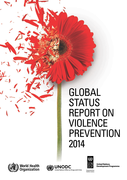
The Global status report on violence prevention 2014, which reflects data from 133 countries, is the first report of its kind to assess national efforts to address interpersonal violence, namely child maltreatment, youth violence, intimate partner and sexual violence, and elder abuse. Jointly publis
...
Bridging the Gap
This document is a guide for national authorities who are responsible for managing public health
...

Best practice for hand hygiene requires the availability of clean water, soap, and single use disposable towels or alcohol based hand sanitiser with a concentration of 70%. Availability of these resources is not always assured. When resources
...
In response to the COVID-19 outbreak, this guidance provides information on infection and prevention control (IPC) for older people, their friends and families, carers, and healthcare providers. Anyone who
...

Algorithm for COVID-19 triage and referral
recommended
Efficient triage of patients with COVID-19 at all health facility levels (primary, secondary and tertiary) will help the national response planning and case management system cope with patient influx, direct necessary medical resources to efficientl
...
The purpose of this publication is to to provide a practical, stepwise approach to the implementation of the national action plans on AMR within the human health sector; and to provide a process and collation of existing
...

Self-care interventions are among the most promising and exciting new approaches to improve health and well-being, both from a health systems perspective and
...

Self-care interventions are among the most promising and exciting new approaches to improve health and well-being, both from a health systems perspective and
...

The WHO global health sector strategy on sexually
transmitted infections, 2016–2021 (1) includes country
milestones for achievement by 2020 a
...
The framework is to be used as a reference guide, applied according to local priorities and needs, and targeted at academic institutions, educators, accreditation bodies, regulatory agencies and other users. The ultimate aim is to ensure that all health
...
