
Filter
1661
Text search:
National
Health
Service
UK
Featured
135
358
Language
1555
73
34
33
20
11
5
4
4
4
3
3
3
3
3
2
2
2
2
2
2
2
2
1
1
1
1
1
1
1
1
1
1
1
1
1
1
1
1
1
1
1
1
1
Document type
915
353
175
95
46
29
27
10
7
2
2
Countries / Regions
77
49
48
42
40
37
33
27
23
23
22
22
22
21
20
19
19
18
15
15
14
13
10
10
9
9
8
8
7
7
7
7
6
6
5
5
5
5
5
5
5
5
5
5
5
5
4
4
4
4
4
4
4
3
3
3
3
3
3
3
3
3
2
2
2
2
2
2
2
2
2
2
1
1
1
1
1
1
1
1
1
1
1
1
1
1
1
1
1
1
1
1
1
1
1
1
1
1
1
1
1
1
1
Authors & Publishers
169
82
75
35
33
31
26
22
16
12
12
12
11
10
9
8
7
7
7
7
7
7
6
6
6
6
6
6
5
5
5
5
5
4
4
4
4
4
4
4
4
4
4
4
4
4
4
4
4
4
4
4
3
3
3
3
3
3
3
3
3
3
3
3
3
3
3
3
3
3
3
3
3
3
3
3
3
3
3
3
3
3
3
3
3
3
3
3
3
2
2
2
2
2
2
2
2
2
2
2
2
2
2
2
2
2
2
2
2
2
2
2
2
2
2
2
2
2
2
2
2
2
2
2
2
2
2
2
2
2
2
2
2
2
2
2
2
2
2
2
2
2
2
2
2
2
2
2
2
2
2
2
2
2
2
2
2
2
2
2
2
2
2
2
2
2
2
2
2
2
2
2
2
2
2
2
2
2
2
2
2
2
2
2
2
2
2
2
2
2
2
2
2
2
2
2
2
2
2
2
2
2
2
2
2
2
2
2
2
2
2
2
2
2
2
2
2
2
2
1
1
1
1
1
1
1
1
1
1
1
1
1
1
1
1
1
1
1
1
1
1
1
1
1
1
1
1
1
1
1
1
1
1
1
1
1
1
1
1
1
1
1
1
1
1
1
1
1
1
1
1
1
1
1
1
1
1
1
1
1
1
1
1
1
1
1
1
1
1
1
1
1
1
1
1
1
1
1
1
1
1
1
1
1
1
1
1
1
1
1
1
1
1
1
1
1
1
1
1
1
1
1
1
1
1
1
1
1
1
1
1
1
1
1
1
1
1
1
1
1
1
1
1
1
1
1
1
1
1
1
1
1
1
1
1
1
1
1
1
1
1
1
1
1
1
1
1
1
1
1
1
1
1
1
1
1
1
1
1
1
1
1
1
1
1
1
1
1
1
1
1
1
1
1
1
1
1
1
1
1
1
1
1
1
1
1
1
1
1
1
1
1
1
1
1
1
1
1
1
1
1
1
1
1
1
1
1
1
1
1
1
1
1
1
1
1
1
1
1
1
1
1
1
1
1
1
1
1
1
1
1
1
1
1
1
1
1
1
1
1
1
1
1
1
1
1
1
1
1
1
1
1
1
1
1
1
1
1
1
1
1
1
1
1
1
1
1
1
1
1
1
1
1
1
1
1
1
1
1
1
1
1
1
1
1
1
1
1
1
1
1
1
1
1
1
1
1
1
1
1
1
1
1
1
1
1
1
1
1
1
1
1
1
1
1
1
1
1
1
1
1
1
1
1
1
1
1
1
1
1
1
1
1
1
1
1
1
1
1
1
1
1
1
1
1
1
1
1
1
1
1
1
1
1
1
1
1
1
1
1
1
1
1
1
1
1
1
1
1
1
1
1
1
1
1
1
1
1
1
1
1
1
1
1
1
1
1
1
1
1
1
1
1
1
1
1
1
1
1
1
1
1
1
1
1
1
1
1
1
1
1
1
1
1
1
1
1
1
1
1
1
1
1
1
1
1
1
1
1
1
1
1
1
1
1
1
1
1
1
1
1
1
1
1
1
1
1
1
1
1
1
1
1
1
1
1
1
1
1
1
1
1
1
1
1
1
1
1
1
1
1
1
1
1
1
1
1
1
1
1
1
1
1
1
1
1
1
1
1
1
1
1
1
1
1
1
1
1
1
1
1
1
1
1
1
1
1
1
1
1
1
1
1
1
1
1
1
1
1
1
1
1
1
1
1
1
1
1
1
1
1
1
1
1
1
1
1
1
1
1
1
1
1
1
1
1
1
1
1
1
1
1
1
1
1
1
1
1
1
1
1
1
1
1
1
1
1
1
1
1
1
1
1
1
1
1
1
1
1
1
1
1
1
1
1
1
1
1
1
1
1
1
1
1
1
1
1
1
1
1
1
1
1
1
1
1
1
1
1
1
1
1
1
1
1
1
1
1
1
1
1
1
1
1
1
1
1
1
1
1
1
1
1
1
1
1
1
1
1
1
1
1
1
1
1
1
1
1
1
1
1
1
1
1
1
1
1
1
1
1
1
1
1
1
1
1
1
1
1
1
1
1
1
1
1
1
1
1
1
1
1
1
1
1
1
1
1
1
1
1
1
1
1
1
1
1
1
1
1
1
1
1
1
1
1
1
1
1
1
1
1
1
1
1
1
1
1
1
1
1
1
1
1
1
1
1
1
1
1
1
1
1
1
1
1
1
1
1
1
1
1
1
1
1
1
1
1
1
1
1
1
1
1
1
1
1
1
1
1
1
1
1
1
1
1
1
1
1
1
1
1
1
1
1
1
1
1
1
1
1
1
1
1
1
1
1
1
1
1
1
1
1
1
1
1
1
1
1
1
1
1
1
1
1
1
1
1
1
1
1
1
1
1
1
1
1
1
1
1
1
1
1
1
1
1
1
1
1
1
1
1
1
1
1
1
1
1
1
1
1
1
1
1
1
1
1
1
1
1
1
1
1
1
1
1
1
1
1
1
1
1
1
1
1
1
1
1
1
1
1
1
1
1
1
1
1
1
1
1
1
1
1
1
1
1
1
1
1
1
1
1
1
1
1
1
1
1
1
1
1
1
1
1
1
1
1
1
1
1
1
1
1
1
1
1
1
1
1
1
1
1
1
1
1
1
1
1
1
1
1
1
1
1
1
1
1
1
1
1
1
1
1
1
1
1
1
1
1
1
1
1
1
1
1
1
1
1
1
1
1
1
1
1
1
1
1
1
1
1
1
1
1
1
1
1
1
1
1
1
1
1
1
1
1
1
1
1
1
1
1
1
1
1
1
1
1
1
1
1
1
1
1
1
1
1
1
1
1
1
1
1
1
1
1
1
1
1
1
1
1
1
1
1
1
1
1
1
1
1
1
1
1
1
1
1
1
1
1
1
1
1
1
1
1
1
1
1
1
1
1
1
1
1
1
1
1
1
1
1
1
1
1
1
1
1
1
1
1
1
1
1
1
1
1
1
1
1
1
1
1
1
1
1
1
1
1
1
1
1
1
1
1
1
1
1
1
1
1
1
1
1
1
1
1
1
1
1
1
1
1
1
1
1
1
1
1
1
1
1
1
1
1
1
1
1
1
1
1
1
1
1
1
1
1
1
1
1
1
1
1
1
1
1
1
1
1
1
1
1
1
1
1
1
1
1
1
1
1
1
1
1
1
1
1
1
1
1
1
1
1
1
1
1
1
1
1
1
1
1
1
1
1
1
1
1
1
1
1
1
1
1
1
1
1
1
1
1
1
1
1
1
1
1
1
1
1
1
1
1
1
1
1
1
1
1
1
1
1
1
1
1
1
1
1
1
1
1
1
1
1
1
1
1
1
1
1
1
1
1
1
1
1
1
1
1
1
1
1
1
1
1
1
1
1
1
1
1
1
1
1
1
1
1
1
1
1
1
1
1
1
1
1
1
1
1
1
1
1
1
1
1
1
1
1
1
1
1
1
1
1
1
1
1
1
1
1
1
1
1
1
1
1
1
1
1
1
1
1
1
1
1
1
1
1
1
1
1
1
1
1
1
1
1
1
1
1
1
1
1
1
1
1
1
1
1
1
1
1
1
1
1
1
1
1
1
1
1
1
1
1
1
1
1
1
1
1
1
1
1
1
1
1
1
1
1
1
1
1
1
1
1
1
1
1
1
1
1
1
1
1
1
1
1
1
1
1
1
1
1
1
1
1
1
1
1
1
1
1
1
1
1
1
1
1
1
1
1
1
1
1
1
1
1
1
1
1
1
1
1
1
1
1
1
1
1
1
1
1
1
1
1
1
1
1
1
1
1
1
1
1
1
1
1
1
1
1
1
1
1
1
1
1
1
1
1
1
1
1
1
1
1
1
1
1
1
1
1
1
1
1
1
1
1
1
1
1
1
1
1
1
1
1
1
1
1
1
1
1
1
1
1
1
1
1
1
1
1
1
1
1
1
1
1
1
1
1
1
1
1
1
1
1
1
1
1
1
1
1
1
1
1
1
1
1
1
1
1
1
1
1
1
1
1
1
1
1
1
1
1
1
1
1
1
1
1
1
1
1
1
1
1
1
1
1
1
1
1
1
1
1
1
1
1
1
1
1
1
1
1
1
1
1
1
1
1
1
1
1
1
1
1
1
1
1
1
1
1
1
1
1
1
1
1
1
1
1
1
1
1
1
1
1
1
1
1
1
1
1
1
1
1
1
1
1
1
1
1
1
1
1
1
1
1
1
1
1
1
1
1
1
1
1
1
1
1
1
1
1
1
1
1
1
1
1
1
1
1
1
1
1
1
1
1
1
1
1
1
1
1
1
1
1
1
1
1
1
1
1
1
1
1
1
1
1
1
1
1
1
1
1
1
1
1
1
1
1
1
1
1
1
1
1
1
1
1
1
1
1
1
1
1
1
1
1
1
1
1
1
1
1
1
1
1
1
1
1
1
1
1
1
1
1
Publication Years
470
1042
142
7
Category
463
126
123
95
86
23
9
Toolboxes
229
165
125
77
64
58
57
52
44
43
41
40
39
32
29
27
20
20
14
11
11
5
5
4
2
The uneven distribution of HIV risks and burdens across populations is a well-substantiated fact, though seldom publicly acknowledged. Gay men and other men who have sex with men, people who inject drugs, sex workers, and transgender women are 24, 24, 13.5, and 49 times more likely to acquire HIV,
...
respectively, than other reproductive aged adults (15 years old and older). Globally, new infections among these key populations account for 45% of all new HIV infections. This figure is likely to be an underestimate, given the intense stigma associated with disclosing and reporting acquisition risks for HIV among gay men, people who use drugs, sex workers, and transgender people. In addition, HIV epidemics in the majority of low- and middle-income countries (90 of 120) have concentrated epidemics among key populations. In countries with more broadly generalized epidemics, risks are still not evenly distributed and key populations still shoulder disease burden that is markedly disproportionate.
more

Republique Madagasker
Learning from earthquake relief and recovery operations
This paper examines how diaspora and local organisations have responded to the crisis in Syria, how they evolved and the challenges that they face - and how international aid organisations and disapora and local groups can better work together in a new aid model.
The main objectives of these guidelines are:
A. To create awareness among the CBM family (International Office, Member Associations, Regional Offices, Country Offices and partners) on the opportunity savings groups create to attain socio-economic empowerment of a significantly larger number of pers
...
ons with disabilities particularly among the poorest of the poor.
B. Lobbying mainstream savings group providers and donors to promote the inclusion of persons with disabilities in their programmes as a right as a catalyst of inclusive development.
C. To highlight and illustrate the key steps and procedures that are required to link persons with disabilities through CBR programmes with existing mainstream savings groups and/or promote development of disability specific savings groups.
more
The Minimum Standards for Age and Disability Inclusion in Humanitarian Action inform the design, implementation, monitoring and evaluation of humanitarian programmes across all sectors and phases of response, and in all emergency contexts, ensuring older people and people with disabilities are not e
...
xcluded.
more
Impact Evaluation Notes No. 1 - Introduction To Impact Evaluation
Patricia J. Rogers, RMIT University (Australia) and BetterEvaluation
InterAction, The Rockefeller Foundation
(2012)
C3
This is the first guidance note in a four-part series of notes produced by InterAction to support management,
program and M&E staff in international NGOs to plan, design, manage, conduct and use impact evaluations. This first guidance note, Introduction to Impact Evaluation, provides an overview of
...
impact evaluation, explaining how impact evaluation differs from – and complements – other types of evaluation, why impact evaluation should be
done, when and by whom. It describes different methods, approaches and designs that can be used for the different aspects of impact evaluation. The guidance note is also available in French, Arabic and Spanish on https://www.interaction.org/impact-evaluation-notes.
more
To Stay and Deliver - Good practice for humanitarians in complex security environments
Jan Egeland, Norwegian Institute of International Affairs; Adele Harmer and Abby Stoddard, Humanitarian Outcomes
Office for the Coordination of Humanitarian Affairs (OCHA)
(2011)
C2
The report offers an analysis of the broader challenges to securing humanitarian action and recommends areas for improvement. This study will contribute to improving the way humanitarians ‘do business’ in complex
security environments. Document also available in French, Arabic and Spanish.
A Joint Position Statement of the Indian Society of Critical Care Medicine (ISCCM) and the Indian
Association of Palliative Care (IAPC)
Indian Journal of Critical Care Medicine September 2014 Vol 18 Issue 9

Fills a gap in current guidance on how to implement humanitarian standards in urban situations. In Arabic, English, French and Spanish available
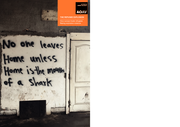
- Pacific Possible Background Paper No.6
You can download the report in Englisch and French. Summaries available in Arabic, Amharic, Dari, Tigrinya, Pashto
A Guide For Multicentre Trials in High-Burden Countries
Special Issue: Special Education in Sub-Saharan Africa | This special issue of our Communication*Support*World*Network*Newsletter attempts to share practical ideas and information about special education for children with disabilities in sub-Saharan Africa. Our intent is to begin a dialogue among th
...
ose interested in this important topic, and to promote an increased exchange of ideas, approaches, information, resources, and promising practices.
more
Experience from Save the Children and partners globally
demonstrates that improvements in education quality go hand-in-hand
with inclusion and access, Flexible, quality, responsive learning
environments will benefit all children and are fundamental to including
marginalised groups like disabled
...
children in education.
These guidelines are primarily aimed at education staff trying to
develop inclusive education practices, focussing on including disabled
children in schools.While this book focuses on disabled children, we
hope it will be useful for developing general inclusive education
practices. Community groups and non-governmental organisations, as
well as people working in community-based rehabilitation(CBR) and
the wider disability context, could also use these guidelines to provide
input into inclusive education work.
While the guidelines focus primarily on schools, much of the
information is still relevant to readers working in out-of-school
situations.
more
