
Filter
1830
Text search:
American
Medical
Association
Featured
178
338
Language
1602
103
84
71
24
21
9
7
7
5
3
2
2
2
2
2
2
2
2
1
1
1
1
1
1
1
1
1
1
1
Document type
1007
317
264
131
42
30
19
8
5
2
1
1
1
Countries
87
56
43
31
30
29
26
25
25
24
21
21
19
19
17
16
15
15
14
14
13
12
12
11
11
11
11
9
9
8
7
7
7
7
7
7
7
6
6
6
6
6
6
6
5
5
5
5
5
4
4
4
4
4
4
4
4
3
3
3
3
3
3
3
2
2
2
2
2
2
2
2
2
2
2
2
1
1
1
1
1
1
1
1
1
1
1
1
1
1
1
1
1
1
1
1
1
1
1
1
1
1
1
1
1
1
1
1
1
Authors & Publishers
275
105
104
92
36
34
32
28
22
18
17
13
11
9
9
8
7
7
6
6
6
6
6
6
6
6
6
5
5
5
5
5
5
5
5
5
5
5
4
4
4
4
4
4
4
4
4
4
4
4
4
4
4
4
4
4
4
4
4
4
4
4
4
4
3
3
3
3
3
3
3
3
3
3
3
3
3
3
3
3
3
3
3
3
3
3
3
3
3
3
3
3
3
3
3
3
3
3
3
3
3
3
3
3
3
3
3
3
3
3
3
3
3
3
2
2
2
2
2
2
2
2
2
2
2
2
2
2
2
2
2
2
2
2
2
2
2
2
2
2
2
2
2
2
2
2
2
2
2
2
2
2
2
2
2
2
2
2
2
2
2
2
2
2
2
2
2
2
2
2
2
2
2
2
2
2
2
2
2
2
2
2
2
2
2
2
2
2
2
2
2
2
2
2
2
2
2
2
2
2
2
2
2
2
2
2
2
2
2
2
2
2
2
2
2
2
2
2
2
2
2
2
2
2
2
2
2
2
2
2
2
2
2
2
2
2
2
2
2
2
2
2
2
2
2
2
2
2
2
2
2
2
2
2
1
1
1
1
1
1
1
1
1
1
1
1
1
1
1
1
1
1
1
1
1
1
1
1
1
1
1
1
1
1
1
1
1
1
1
1
1
1
1
1
1
1
1
1
1
1
1
1
1
1
1
1
1
1
1
1
1
1
1
1
1
1
1
1
1
1
1
1
1
1
1
1
1
1
1
1
1
1
1
1
1
1
1
1
1
1
1
1
1
1
1
1
1
1
1
1
1
1
1
1
1
1
1
1
1
1
1
1
1
1
1
1
1
1
1
1
1
1
1
1
1
1
1
1
1
1
1
1
1
1
1
1
1
1
1
1
1
1
1
1
1
1
1
1
1
1
1
1
1
1
1
1
1
1
1
1
1
1
1
1
1
1
1
1
1
1
1
1
1
1
1
1
1
1
1
1
1
1
1
1
1
1
1
1
1
1
1
1
1
1
1
1
1
1
1
1
1
1
1
1
1
1
1
1
1
1
1
1
1
1
1
1
1
1
1
1
1
1
1
1
1
1
1
1
1
1
1
1
1
1
1
1
1
1
1
1
1
1
1
1
1
1
1
1
1
1
1
1
1
1
1
1
1
1
1
1
1
1
1
1
1
1
1
1
1
1
1
1
1
1
1
1
1
1
1
1
1
1
1
1
1
1
1
1
1
1
1
1
1
1
1
1
1
1
1
1
1
1
1
1
1
1
1
1
1
1
1
1
1
1
1
1
1
1
1
1
1
1
1
1
1
1
1
1
1
1
1
1
1
1
1
1
1
1
1
1
1
1
1
1
1
1
1
1
1
1
1
1
1
1
1
1
1
1
1
1
1
1
1
1
1
1
1
1
1
1
1
1
1
1
1
1
1
1
1
1
1
1
1
1
1
1
1
1
1
1
1
1
1
1
1
1
1
1
1
1
1
1
1
1
1
1
1
1
1
1
1
1
1
1
1
1
1
1
1
1
1
1
1
1
1
1
1
1
1
1
1
1
1
1
1
1
1
1
1
1
1
1
1
1
1
1
1
1
1
1
1
1
1
1
1
1
1
1
1
1
1
1
1
1
1
1
1
1
1
1
1
1
1
1
1
1
1
1
1
1
1
1
1
1
1
1
1
1
1
1
1
1
1
1
1
1
1
1
1
1
1
1
1
1
1
1
1
1
1
1
1
1
1
1
1
1
1
1
1
1
1
1
1
1
1
1
1
1
1
1
1
1
1
1
1
1
1
1
1
1
1
1
1
1
1
1
1
1
1
1
1
1
1
1
1
1
1
1
1
1
1
1
1
1
1
1
1
1
1
1
1
1
1
1
1
1
1
1
1
1
1
1
1
1
1
1
1
1
1
1
1
1
1
1
1
1
1
1
1
1
1
1
1
1
1
1
1
1
1
1
1
1
1
1
1
1
1
1
1
1
1
1
1
1
1
1
1
1
1
1
1
1
1
1
1
1
1
1
1
1
1
1
1
1
1
1
1
1
1
1
1
1
1
1
1
1
1
1
1
1
1
1
1
1
1
1
1
1
1
1
1
1
1
1
1
1
1
1
1
1
1
1
1
1
1
1
1
1
1
1
1
1
1
1
1
1
1
1
1
1
1
1
1
1
1
1
1
1
1
1
1
1
1
1
1
1
1
1
1
1
1
1
1
1
1
1
1
1
1
1
1
1
1
1
1
1
1
1
1
1
1
1
1
1
1
1
1
1
1
1
1
1
1
1
1
1
1
1
1
1
1
1
1
1
1
1
1
1
1
1
1
1
1
1
1
1
1
1
1
1
1
1
1
1
1
1
1
1
1
1
1
1
1
1
1
1
1
1
1
1
1
1
1
1
1
1
1
1
1
1
1
1
1
1
1
1
1
1
1
1
1
1
1
1
1
1
1
1
1
1
1
1
1
1
1
1
1
1
1
1
1
1
1
1
1
1
1
1
1
1
1
1
1
1
1
1
1
1
1
1
1
1
1
1
1
1
1
1
1
1
1
1
1
1
1
1
1
1
1
1
1
1
1
1
1
1
1
1
1
1
1
1
1
1
1
1
1
1
1
1
1
1
1
1
1
1
1
1
1
1
1
1
1
1
1
1
1
1
1
1
1
1
1
1
1
1
1
1
1
1
1
1
1
1
1
1
1
1
1
1
1
1
1
1
1
1
1
1
1
1
1
1
1
1
1
1
1
1
1
1
1
1
1
1
1
1
1
1
1
1
1
1
1
1
1
1
1
1
1
1
1
1
1
1
1
1
1
1
1
1
1
1
1
1
1
1
1
1
1
1
1
1
1
1
1
1
1
1
1
1
1
1
1
1
1
1
1
1
1
1
1
1
1
1
1
1
1
1
1
1
1
1
1
1
1
1
1
1
1
1
1
1
1
1
1
1
1
1
1
1
1
1
1
1
1
1
1
1
1
1
1
1
1
1
1
1
1
1
1
1
1
1
1
1
1
1
1
1
1
1
1
1
1
1
1
1
1
1
1
1
1
1
1
1
1
1
1
1
1
1
1
1
1
1
1
1
1
1
1
1
1
1
1
1
1
1
1
1
1
1
1
1
1
1
1
1
1
1
1
1
1
1
1
1
1
1
1
1
1
1
1
1
1
1
1
1
1
1
1
1
1
1
1
1
1
1
1
1
1
1
1
1
1
1
1
1
1
1
1
1
1
1
1
1
1
1
1
1
1
1
1
1
1
1
1
1
1
1
1
1
1
1
1
1
1
1
1
1
1
1
1
1
1
1
1
1
1
1
1
1
1
1
1
1
1
1
1
1
1
1
1
1
1
1
1
1
1
1
1
1
1
1
1
1
1
1
1
1
1
1
1
1
1
1
1
1
1
1
1
1
1
1
1
1
1
1
1
1
1
1
1
1
1
1
1
1
1
1
1
1
1
1
1
1
1
1
1
1
1
1
1
1
1
1
1
1
1
1
1
1
1
1
1
1
1
1
1
1
1
1
1
1
1
1
1
1
1
1
1
1
1
1
1
1
1
1
1
1
1
1
1
1
1
1
1
1
1
1
1
1
1
1
1
1
1
1
1
1
1
1
1
1
1
1
1
1
1
1
1
1
1
1
1
1
1
1
1
1
1
1
1
1
1
1
1
1
1
1
1
1
1
1
1
1
1
1
1
1
1
1
1
1
1
1
1
1
1
1
1
1
1
1
1
1
1
1
1
1
1
1
1
1
1
1
1
1
1
1
1
1
1
1
1
1
1
1
1
1
1
1
1
1
1
1
1
1
1
1
1
1
1
1
1
1
1
1
1
1
1
1
1
1
1
1
1
1
1
1
1
1
1
1
1
1
1
1
1
1
1
1
1
1
1
1
1
1
1
1
1
1
1
1
1
1
1
1
1
1
1
1
1
1
1
1
1
1
1
1
1
1
1
1
1
1
1
1
1
1
1
1
1
1
1
1
1
1
1
1
1
1
1
1
1
1
1
1
1
1
1
1
1
1
1
1
1
1
1
1
1
1
1
1
1
1
1
1
1
1
1
1
1
1
1
1
1
1
1
1
1
1
1
1
1
1
1
1
1
1
1
1
1
1
1
1
1
1
1
1
1
1
1
1
1
1
1
1
1
1
1
1
1
1
1
1
1
1
1
1
1
1
1
1
1
1
1
1
1
1
1
1
1
1
1
1
1
1
1
1
1
1
1
1
1
1
1
1
1
1
1
1
1
1
1
1
1
1
1
1
1
1
1
1
1
1
1
1
1
1
1
1
1
1
1
1
1
1
1
1
1
1
1
1
1
1
1
1
1
1
1
1
1
1
1
1
1
1
1
1
1
1
1
1
1
1
1
1
1
1
1
1
1
1
1
1
1
1
1
1
1
1
1
1
1
1
1
1
1
1
1
1
1
1
1
1
1
1
1
1
1
1
1
1
1
1
1
1
1
1
1
1
1
1
1
1
1
1
1
1
1
Publication Years
454
1152
206
17
1
Category
443
196
139
97
86
29
17
1
Toolboxes
402
144
90
88
79
72
65
51
42
41
38
36
36
34
34
27
27
26
22
17
15
10
7
5
2

Post-traumatic symptoms in Ghanaian children. Thesis for Master of Philosophy in Peace and Conflict Studies (PECOS). This study investigated whether Ghanaian children exposed to low intensity warfare experience symptoms of PTSD as described in the DSM-IV. It also aimed to find out if there are cultu
...
rally-specific ways of displaying the symptoms and in dealing with the trauma.
more

Background: Traumatic stress may arise from various incidents often leading to posttraumatic stress disorder (PTSD). The lifetime prevalence of PTSD is estimated at 1% – 2% in Western Europe, 6% – 9% in North America and at just over 10% in countries exposed to long-term
violence. In South Afri
...
ca, the lifetime prevalence for PTSD in the general population is estimated at 2.3%.
Aim: To examine the prevalence of posttraumatic stress symptomatology and related psychological functioning in a community sample of adolescents.
Setting: Low-socioeconomic communities in KwaZulu-Natal.
more

The recruitment and use of children violates their rights and causes them physical, developmental, emotional, mental, and spiritual harm. The impact on their mental and physical well-being breaches the most fundamental human rights and represents a grave threat to durable peace and sustainable deve
...
lopment, as cycles of violence are perpetuated. The Paris Commitments adopted in Paris in February 2007 are an expression of strengthened international resolve to prevent the recruitment of children and highlight the actions governments can and should take to protect children affected by conflict. The Paris Principles are the operational guidelines related to sustainable reintegration of children formerly associated with armed forces and groups.
more

Research Article | Aim: This study aimed to find the most common stressors facing the adolescents in the Gaza Strip, to explore the types and severity of the traumatic experiences, and to estimate the prevalence rate of post-traumatic events.
J Trauma Crit Care 2017 Volume 1 Issue 2 pp-25-33
Background: Little is known about post-traumatic stress (PTSD) prevalence rates in community samples. This is especially true for the African continent where child-soldiers, HIV/AIDS affected and orphans have been the target for PTSD prevalence studies. Objectives: The aim of this study is to invest
...
igate the indirect and direct exposure to 20 potentially traumatic events and its relation with PTSD in a Ugandan sample of senior 3rd year students and to perform cross-cultural comparisons with previous studies examining this age group. Socio-economic status, coping styles, negative affect, and somatization are further examined.
more
Department of Behavioural Medicine, Lagos State University College of Medicine Ikeja, Lagos Nigeria
Global Mental Health (2015), 2, e5, page 1 of 12. doi:10.1017/gmh.2015.8;
Received 29 January 2015; Revised 8 April 2015; Accepted 15 April 2015

Global Happiness Policy Report 2018
Sachs, J. D.; Dr. Bin Bishr, A; De Neve. J.-E.; et al.
World Government Summit, Sustainable Development Solutions Network
(2018)
C2
Global Happiness Council
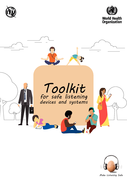

A WHO-ITU Standard.
Nearly 50% of people aged 12-35 years – or 1.1 billion young people – are at risk of hearing loss due to prolonged and excessive exposure to loud sounds, including music they listen to through personal audio devices. Ahead of World Hearing Day (3 March), the World Health Org
...
anization (WHO) and the International Telecommunication Union (ITU) have issued a new international standard for the manufacture and use of these devices, which include smartphones and audio players, to make them safer for listening
more
This document has been developed to provide training and guidance to be able to understand what are human rights, what human rights mean for people’s lives, as well as the actions that can be taken by individuals and groups to respect and promote human rights.
In this report, we describe early childhood trauma and its effects, offer promising strategies for ECE programs and systems to help young children who have experienced trauma, and present recommendations for state policymakers and other stakeholders looking to support trauma-informed ECE for this vu
...
lnerable group.
more
Treatment of Posttraumatic Stress Disorder in Children and Adolescents
Patrick, S., Perrin, S., Tim, D., Richard, M-S., David M, C., & William, Y.
Current Opinion in Psychiatry
(2013)
C1
Purpose of review: We review recent evidence regarding risk factors for childhood posttraumatic stress disorder (PTSD) and treatment outcome studies from 2010 to 2012 including dissemination studies, early intervention studies and studies involving preschool children.

A Capstone Project submitted in partial fulfillment of the requirements for the Master of Science Degree in Counselor Education at Winona State University | This article reviews the use of Art Therapy to treat children who suffer from Posttraumatic Stress Disorder. It explores the clinical need for
...
addressing trauma, including PTSD, and then reviews the effects of trauma on the brain, and how Art Therapy affects the brain. It also identifies mental health characteristics and needs for children diagnosed with PTSD.
more

Mental Health and Psychosocial Support (MHPSS) in the context of the crises in Syria and Iraq
Sigmund Freud Privatuniversität; BAff; Charité; et al.
Deutsche Gesellschaft für Internationale Zusammenarbeit (GIZ) GmbH
(2017)
C2
Guiding framework for development cooperation, Working paper 2017.
This document was drawn up on the basis of expert publications and inputs from partners in the
GIZ regional programme Psychosocial Support for Syrian and Iraqi Refugees and Internally
Displaced People1 in order to serve as guidanc
...
e in the design, implementation and assessment of
psychosocial support measures for refugees in the context of the crises in Syria and Iraq. It is
aimed at actors from the MHPSS sector working with refugees in the Middle East and at ministries
and academic/scientific institutions in the context of the Syria and Iraq crises.
more

Communities can play a critical role in suicide prevention. Facilitating community engagement in suicide prevention is an important task. The toolkit is a step-by-step guide for communities to engage in suicide prevention activities and have ownership of the process and keep efforts sustained. It is
...
hoped that the pilot version will be used, after necessary adaptation, in many countries and contexts, so that the final product can be strengthened and become more effective and user-friendly.
more
This manual provides information and guidance for individuals concerned with the mental health needs of children who experience major disasters. This background, training, and experience will vary and may include health and mental health professionals, professional and paraprofessional social servic
...
e personnel, school and daycare personnel, clergy, volunteers, and parents.
more
The Japan Committee for UNICEF (JCU) has for years endeavored to disseminate important information about children in developing countries and UNICEF’s various assistance programmes there, as well as to fundraise to support those programmes. Unprecedented damage caused by the East Japan Earthquake,
...
however, forced us to ask ourselves what we could do to help, and we wasted no time in contacting UNICEF Headquarters in New York.
more
Bachelorarbeit - Departement: Gesundheit; Institut: Institut für Hebammen; Studienjahr: 2008; Eingereicht am: 20.05.2011; | Zielsetzung: Das Ziel dieser Arbeit ist, Risikofaktoren, welche eine posttraumatische Belastungsstörung infolge eines traumatischen Geburtserlebnisses begünstigen, zu analys
...
ieren.
more

The International Rescue Committee (IRC) and the United Nations Children’s Fund (UNICEF) have newly developed "Caring for Child Survivors of Sexual Abuse Guidelines" for health and psychosocial providers in humanitarian settings - “CCS Guidelines”. The CCS Guidelines are based on global resear
...
ch and evidence-based field practice, and bring a much-needed fresh and practical approach to helping child survivors, and their families, recover and heal from the oftentimes devastating impacts of sexual abuse. The guidelines walk the reader through the core knowledge, attitude and skill competencies required for service providers to effectively care for children and families affected by sexual abuse. In addition, the guidelines outline how to provide case management and basic psychosocial care for child survivors, as well as best practices for coordinating care.
more
Background: Several studies have demonstrated that South African children and adolescents are
exposed to high levels of violent trauma with a significant proportion developing PTSD, however,
limited resources make it difficult to accurately identify traumatized children.
Conclusions: Our result
...
s indicate that trauma exposure and PTSD are prevalent in South African
youth and if appropriate cut-offs are used, self-report scales may be useful screening tools for
PTSD.
Annals of General Psychiatry 2005, 4:2doi:10.1186/1744-859X-4-2
more
