
Filter
28781
Filtered Results: 28781
Text search:
a
Featured
Recommendations
2185
New Publications
6389
Language
Document type
No document type
13809
Studies & Reports
4130
Guidelines
3266
Fact sheets
1548
Manuals
1145
Resource Platforms
918
Infographics
850
Strategic & Response Plan
793
Training Material
608
Situation Updates
527
Videos
508
Brochures
298
Online Courses
270
Dashboards/Maps
82
App
29
Countries / Regions
Global
1470
India
991
Germany
920
Sierra Leone
521
Kenya
516
Congo, Democratic Republic of
501
Liberia
454
Latin America and the Carribbean
444
South Africa
444
Nepal
436
Nigeria
425
Russia
420
Ukraine
411
Ethiopia
406
Africa
389
Senegal
387
Western and Central Europe
377
Uganda
353
Syria
342
Myanmar / Burma
333
Indonesia
318
Brazil
316
Guinea
315
Rwanda
304
Burkina Faso
301
Bangladesh
294
Tanzania
289
Haiti
270
Venezuela
266
Mozambique
263
Malawi
259
Zambia
243
Yemen
221
Ghana
217
Eastern Europe
205
Paraguay
201
South Sudan
197
Colombia
195
West and Central Africa
190
Philippines
182
Middle East and North Africa
181
Namibia
178
Mali
168
Argentina
157
Benin
156
East and Southern Africa
150
Côte d’Ivoire / Ivory Coast
144
Peru
139
Cameroon
137
Zimbabwe
130
Eastern Europe and Central Asia
125
Lesotho
115
Cambodia
113
South–East Asia Region
113
Asia
112
Angola
105
Central African Republic
104
Madagascar
103
Niger
94
Chile
90
Guinea-Bissau
84
Botswana
81
Bolivia
76
Chad
75
Lebanon
72
Somalia
71
Ecuador
71
Afghanistan
67
Pakistan
64
Eswatini/ Swaziland
61
Spain
54
Sudan
51
USA
49
China
48
El Salvador
46
Vietnam
45
Togo
41
Jordan
40
Iraq
40
Tajikistan
39
Thailand
37
Turkey
36
Western Pacific Region
35
Italy
33
North America
32
Mexico
30
Portugal
30
Switzerland
28
Canada
27
Moldova
27
Egypt
27
Sri Lanka
26
United Kingdom
25
Albania
24
Burundi
24
Singapore
23
Laos
23
Palestine
21
Kazakhstan
20
Iran
20
Honduras
20
Guatemala
20
Kyrgyzstan
18
Armenia
18
Saudi Arabia
18
France
18
Georgia
18
Greece
17
Libya
17
Malaysia
15
Papua New Guinea
14
North Macedonia
13
Dominican Republic
13
Belarus
13
Uzbekistan
12
Morocco
12
Southern Africa
12
Estonia
11
Congo-Brazzaville
11
Austria
11
Uruguay
11
Djibouti
11
Gambia
10
Ireland
10
Tunisia
10
Nicaragua
10
Romania
10
Poland
10
Timor Leste/ East Timor
9
Serbia
9
Hungary
9
Luxembourg
9
Algeria
9
Mauritania
8
Japan
8
Jamaica
7
Bhutan
7
Cuba
7
Turkmenistan
6
North Korea
5
Gabon
5
Belgium
5
South Korea
5
Azerbaijan
5
Australia
4
Fiji
4
Vanuatu
4
Mongolia
4
Croatia
4
Qatar
3
Cape Verde
3
Denmark
3
Mauritius
3
Israel
3
Bosnia and Herzegovina
3
Guyana
3
Bulgaria
2
Lithuania
2
Maldives
2
French Guyana
2
Latvia
2
Slovakia
2
Solomon Islands
2
Norway
1
Morocco
1
Slovenia
1
Barbados
1
Belize
1
Costa Rica
1
Eritrea
1
Oman
1
Panama
1
United Arab Emirates
1
Bahamas
1
Authors & Publishers
Publication Years
Category
Countries
10583
Clinical Guidelines
1464
Public Health
1314
Key Resources
1247
Women & Child Health
1174
Capacity Building
662
Pharmacy & Technologies
236
Annual Report MEDBOX
5
Toolboxes
COVID-19
3936
Mental Health
1908
Refugee
1372
HIV
1310
Ebola & Marburg
1271
TB
1223
NTDs
1212
Planetary Health
885
Disability
878
NCDs
873
Caregiver
740
Conflict
720
AMR
608
Rapid Response
529
Malaria
474
Global Health Education
447
Natural Hazards
400
Health Financing Toolbox
359
Cholera
357
Zika
354
Pharmacy
350
2.0 Rapid Response
246
Social Ethics
150
Specific Hazards
148
Polio
141
Typhoon
26
South Sudan
3
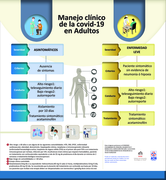
Estas imágenes pertenecen al CONSENSO COLOMBIANO DE ATENCIÓN, DIAGNÓSTICO Y MANEJO DE LA INFECCIÓN POR SARS- CoV2/COVID-
19 EN ESTABLECIMIENTOS DE ATENCIÓN DE LA SALUD 29/08/2020

ARE PEOPLE WITH DIABETES MORE LIKELY TO GET COVID-19?
• People with diabetes are more likely to become seriously ill from COVID-19, than those who do not have diabetes.
• Unfortunately, persons with diabetes who get COVID-19 are more likely to die than those without diabetes.

9 September 2020
In a snapshot, fair allocation of vaccines will occur in the following way:
An initial proportional allocation of doses to countries until all countries reach enough quantities to cover 20% of their population
This document is also available in Arabic | Chinese | French | R...

- Regional analysis of acute food insecurity: Current situation (February-March 2015)
Open Journal of Epidemiology, 2018, 8, 226-241
Abstract
Introduction: Road traffic accidents (RTAs) are a major public health issue
in developing countries, where roads tend to be built haphazardly and accidents
take a heavy toll on victims—including leaving them disabled. This
study seeks ...
IN NUMBERS
60 MILLION people affected globally at present.
32 MILLION people food insecure in Southern Africa.
10.2 MILLION people in Ethiopia need emergency food assistance.
50 PERCENT crop losses in Haiti due to El Niño-influenced drought.
HCT response to El Nino drought response
This factsheet provides base level information to practitioners for awareness raising, training, advocacy, project design and proposal writing. The information may be used and sent out widely, with reference to the Kenya Red Cross, The Association of the Physically Disabled of Kenya, CBM and Handica...

Introducción
Capítulo A.2
Edición: Matías Irarrázaval & Andres Martin
Revisión: Fernanda Prieto-Tagle & Miguel Ángel Álvarez
Background:Neonatal mortality accounts for 43% of global under-five deaths and is decreasing more slowly than maternal or child mortality. Donor funding has increased for maternal, newborn, and child health (MNCH), but no analysis to date has disaggregated aid for newborns. We evaluated if and how a...


Protecting Migrants or Reversing Migration? COVID-19 and the risks of a protracted crisis in Latin America
The report finds that, as of 3 November, in 87 countries with age-disaggregated data, children and adolescents under 20 years of age accounted for 1 in 9 of COVID-19 infections, or 11 per cent of the 25.7 million infections reported by these countries. More reliable, age-disaggregated data on infect...
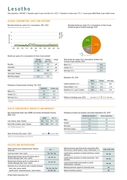
Global food insecurity has markedly increased over the last two-years due to conflict, economic and political instability, displacement, environmental degradation and disasters, and major disruptions to global food systems because of the Covid-19 pandemic. In 2021, levels of hunger surpassed all pre...
This checklist is the first step in identifying and prioritizing areas of action for improving the protection of health and safety of health workers in line with WHO–ILO Global Framework for National Occupational Health Programmes for Health Workers.
It is designed to be filled out in discussio...
