Filter
397
Text search:
graphs
Featured
28
109
Language
Document type
207
91
39
22
13
12
6
4
2
1
Countries
21
18
11
9
9
9
8
8
7
7
7
7
6
6
6
6
6
6
6
5
5
5
4
3
3
3
3
3
2
2
2
2
2
2
2
2
2
2
1
1
1
1
1
1
1
1
1
1
1
1
1
1
1
1
1
1
1
1
1
1
1
1
1
1
1
1
1
1
1
Authors & Publishers
Publication Years
Category
166
41
24
20
19
19
2
Toolboxes
22
19
19
18
16
16
15
14
12
11
11
10
10
9
9
6
6
5
5
4
3
3
3
2
2
Fact Book on WHO Level I and Level II monitoring indicators - To monitor the progress of efforts to improve the global medicines situation, WHO has developed a system of indicators that measure important aspects of a country’s pharmaceutical situation. Level 1 indicators measure the existence and
...
Guide for coordinators and data collectors - The WHO Operational Package for Assessing, Monitoring and Evaluating Country Pharmaceutical Situations is intended as a useful tool for researchers, policy-makers, planners and others who need to use standardized measurement tools to gather data and other
...
WHO Vaccine Management Handbook

The Dublin Regulation (Regulation No. 604/2013; sometimes the Dublin III Regulation; previously the Dublin II Regulation and Dublin Convention) is a European Union (EU) law that determines the EU Member State responsible to examine an application for asylum seekers seeking international protection u
...
Cancer
recommended
This volume presents the complex patterns of cancer incidence and death around the world and evidence on effective and cost-effective ways to control cancers. The Disease Control Priorities Volume 3 evaluation of cancer will indicate where cancer treatment is ineffective and wasteful, and offer alte
...

This regional advocacy strategy on HIV and AIDS, tuberculosis (TB) and sexually transmitted infetions (STIs) is intended for use by Southern African Development Community (SADC) Member States at a national level. This is an overall advocacy strategy highlighting the most important issues relating to
...
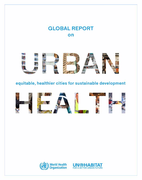
This timely report comes at a decisive moment in history where
we can reshape urban environments and health systems for the
majority of the world’s population that live in cities. Enabling
this transformation are the SDGs, which have reconfigured how
governments and the international community
...

Empowering Health Workers to Improve Service Delivery. This training program is designed to build the capacity of program managers and health providers in quality management, and improve the provision of high-quality health services.
Please download the chapters directly from the website: https://w
...

This implementation guide has been developed to help birth attendants and health-care leaders successfully launch and sustain use of the WHO Safe Childbirth Checklist. Development, use and implementation of the Checklist are described in this guide.
It covers how to introduce and ensure continuous
...
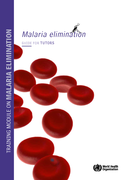
This Training module on malaria elimination has been developed by WHO to support health professionals in planning, managing, monitoring and evaluating malaria elimination programmes.
Supporting exercises: These files are necessary for participants to complete a number of exercises listed in the man
...