Filter
928
Text search:
OCHA
Featured
87
303
Language
Document type
418
152
81
80
70
67
23
15
10
6
5
1
Countries
77
64
47
42
33
29
28
28
26
25
24
20
18
14
14
13
13
13
12
12
12
11
10
9
9
9
9
8
8
8
8
7
7
6
6
6
6
6
5
5
5
5
4
4
4
4
4
4
4
4
3
3
3
3
3
3
3
3
2
2
2
2
2
2
2
2
2
2
2
2
2
2
1
1
1
1
1
1
1
1
1
1
1
1
1
1
1
1
1
1
1
1
1
1
1
1
1
1
1
1
1
1
1
1
1
1
Authors & Publishers
Publication Years
Category
427
159
20
13
10
5
Toolboxes
177
173
97
50
29
27
27
21
16
11
10
10
9
8
6
5
4
3
2
2
2
1
1

Please find here the latest situation reports and updates
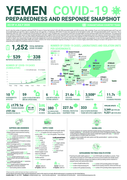

Here you can find the latest situation reports and updates

Depuis que le COVID-19a été confirmé au Tchad le 19 mars et les premiers cas de transmissions communautaires, les autorités tchadiennes ont pris des mesures de prévention et de réponse qui ont des conséquences sur le contexte et la nature des opérations humanitaires. Ainsi, u
...
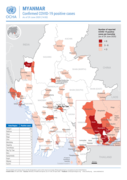
As of 29 June 2020, there have been 299 confirmed cases, including six fatalities and 218 recoveries across the country. The rate of local transmission has been low so far with cases confirmed mainly among people returning from abroad.
El Plan de Respuesta Humanitaria con Panorama de Necesidades Humanitarias Venezuela 2020 tiene por objeto proporcionar asistencia humanitaria a 4,5 millones de venezolanos y venezolanas vulnerables. Para ello, hace un llamado de $762,5 millones de dólares. El Plan se basa en la labor humanitaria qu
...
The Government of Republic of Zambia reported the first confirmed cases of COVID-19 on 18th March 2020. As of April 27th, 2020, there were 89 confirmed cases, three deaths and 42 recoveries. Confirmed cases are located in three provinces: Lusaka (83 cases), Copperbelt province (5 cases) and Central
...

2020 was a year like no other. Amidst on-going humanitarian crises, largely fuelled by conflict and violence but also driven by the effects of climate change – such as the largest locust infestation in a generation – the world had to contend with a global pandemic. In less than one year (March-D
...
La región amazónica esta siendo actualmente impactada significativamente por la COVID-19, no solo amenazando la vida y los medios de subsistencia de su población, sino además presentandose como una amenaza latente a las comunidades indígenas que allí habitan.
Addendum: 2020 mid-year COVID-19 revision,summary of the reprioritisation & additional requirements in response to COVID-19
In June and July 2020, a mid-year revision of the 2020 Burundi Regional Refugee Response Plan (RRRP) was undertaken as an inter-agency consultative process to discuss and doc
...
Addendum: 2020 mid-year COVID-19 resvision, summary of the reprioritisation & additional requirements in response to COVID-19
In June and July 2020, a mid-year revision of the 2020 South Sudan Regional Refugee Response Plan (RRRP) was undertaken as an inter-agency consultative process to discuss
...