
Filter
2384
Text search:
measurement
Featured
232
665
Language
2281
62
50
36
23
13
12
8
7
6
6
3
2
2
2
2
2
2
2
2
2
2
1
1
1
1
1
1
1
1
1
1
1
1
1
1
Document type
1265
437
369
169
56
48
26
7
2
2
1
1
1
Countries
150
133
83
67
57
51
41
39
38
38
37
36
36
34
33
33
28
28
22
21
21
19
17
17
15
15
14
14
13
13
12
12
11
11
10
10
9
9
8
7
7
7
7
7
6
6
6
6
6
6
6
5
5
5
5
5
5
5
4
4
4
4
3
3
3
3
3
3
3
2
2
2
2
2
2
2
2
2
2
2
2
2
2
2
1
1
1
1
1
1
1
1
1
1
1
1
1
1
1
1
1
1
1
1
1
1
1
1
1
1
1
1
1
1
1
1
1
1
1
Authors & Publishers
361
104
94
85
70
45
41
32
23
22
21
21
17
15
14
12
12
11
11
11
9
9
9
8
8
8
8
8
7
7
7
7
7
7
6
6
6
6
6
6
6
6
5
5
5
5
5
5
5
5
5
5
5
5
5
5
5
5
5
4
4
4
4
4
4
4
4
4
4
4
4
4
4
4
4
4
4
4
4
4
4
4
4
4
4
3
3
3
3
3
3
3
3
3
3
3
3
3
3
3
3
3
3
3
3
3
3
3
3
3
3
3
3
3
3
3
3
3
3
3
3
3
3
3
3
3
3
3
3
3
3
3
3
3
3
3
3
2
2
2
2
2
2
2
2
2
2
2
2
2
2
2
2
2
2
2
2
2
2
2
2
2
2
2
2
2
2
2
2
2
2
2
2
2
2
2
2
2
2
2
2
2
2
2
2
2
2
2
2
2
2
2
2
2
2
2
2
2
2
2
2
2
2
2
2
2
2
2
2
2
2
2
2
2
2
2
2
2
2
2
2
2
2
2
2
2
2
2
2
2
2
2
2
2
2
2
2
2
2
2
2
2
2
2
2
2
2
2
2
2
2
2
2
2
2
2
2
2
2
2
2
2
2
2
2
2
2
2
2
2
2
2
2
2
2
2
2
2
2
2
2
2
2
2
2
1
1
1
1
1
1
1
1
1
1
1
1
1
1
1
1
1
1
1
1
1
1
1
1
1
1
1
1
1
1
1
1
1
1
1
1
1
1
1
1
1
1
1
1
1
1
1
1
1
1
1
1
1
1
1
1
1
1
1
1
1
1
1
1
1
1
1
1
1
1
1
1
1
1
1
1
1
1
1
1
1
1
1
1
1
1
1
1
1
1
1
1
1
1
1
1
1
1
1
1
1
1
1
1
1
1
1
1
1
1
1
1
1
1
1
1
1
1
1
1
1
1
1
1
1
1
1
1
1
1
1
1
1
1
1
1
1
1
1
1
1
1
1
1
1
1
1
1
1
1
1
1
1
1
1
1
1
1
1
1
1
1
1
1
1
1
1
1
1
1
1
1
1
1
1
1
1
1
1
1
1
1
1
1
1
1
1
1
1
1
1
1
1
1
1
1
1
1
1
1
1
1
1
1
1
1
1
1
1
1
1
1
1
1
1
1
1
1
1
1
1
1
1
1
1
1
1
1
1
1
1
1
1
1
1
1
1
1
1
1
1
1
1
1
1
1
1
1
1
1
1
1
1
1
1
1
1
1
1
1
1
1
1
1
1
1
1
1
1
1
1
1
1
1
1
1
1
1
1
1
1
1
1
1
1
1
1
1
1
1
1
1
1
1
1
1
1
1
1
1
1
1
1
1
1
1
1
1
1
1
1
1
1
1
1
1
1
1
1
1
1
1
1
1
1
1
1
1
1
1
1
1
1
1
1
1
1
1
1
1
1
1
1
1
1
1
1
1
1
1
1
1
1
1
1
1
1
1
1
1
1
1
1
1
1
1
1
1
1
1
1
1
1
1
1
1
1
1
1
1
1
1
1
1
1
1
1
1
1
1
1
1
1
1
1
1
1
1
1
1
1
1
1
1
1
1
1
1
1
1
1
1
1
1
1
1
1
1
1
1
1
1
1
1
1
1
1
1
1
1
1
1
1
1
1
1
1
1
1
1
1
1
1
1
1
1
1
1
1
1
1
1
1
1
1
1
1
1
1
1
1
1
1
1
1
1
1
1
1
1
1
1
1
1
1
1
1
1
1
1
1
1
1
1
1
1
1
1
1
1
1
1
1
1
1
1
1
1
1
1
1
1
1
1
1
1
1
1
1
1
1
1
1
1
1
1
1
1
1
1
1
1
1
1
1
1
1
1
1
1
1
1
1
1
1
1
1
1
1
1
1
1
1
1
1
1
1
1
1
1
1
1
1
1
1
1
1
1
1
1
1
1
1
1
1
1
1
1
1
1
1
1
1
1
1
1
1
1
1
1
1
1
1
1
1
1
1
1
1
1
1
1
1
1
1
1
1
1
1
1
1
1
1
1
1
1
1
1
1
1
1
1
1
1
1
1
1
1
1
1
1
1
1
1
1
1
1
1
1
1
1
1
1
1
1
1
1
1
1
1
1
1
1
1
1
1
1
1
1
1
1
1
1
1
1
1
1
1
1
1
1
1
1
1
1
1
1
1
1
1
1
1
1
1
1
1
1
1
1
1
1
1
1
1
1
1
1
1
1
1
1
1
1
1
1
1
1
1
1
1
1
1
1
1
1
1
1
1
1
1
1
1
1
1
1
1
1
1
1
1
1
1
1
1
1
1
1
1
1
1
1
1
1
1
1
1
1
1
1
1
1
1
1
1
1
1
1
1
1
1
1
1
1
1
1
1
1
1
1
1
1
1
1
1
1
1
1
1
1
1
1
1
1
1
1
1
1
1
1
1
1
1
1
1
1
1
1
1
1
1
1
1
1
1
1
1
1
1
1
1
1
1
1
1
1
1
1
1
1
1
1
1
1
1
1
1
1
1
1
1
1
1
1
1
1
1
1
1
1
1
1
1
1
1
1
1
1
1
1
1
1
1
1
1
1
1
1
1
1
1
1
1
1
1
1
1
1
1
1
1
1
1
1
1
1
1
1
1
1
1
1
1
1
1
1
1
1
1
1
1
1
1
1
1
1
1
1
1
1
1
1
1
1
1
1
1
1
1
1
1
1
1
1
1
1
1
1
1
1
1
1
1
1
1
1
1
1
1
1
1
1
1
1
1
1
1
1
1
1
1
1
1
1
1
1
1
1
1
1
1
1
1
1
1
1
1
1
1
1
1
1
1
1
1
1
1
1
1
1
1
1
1
1
1
1
1
1
1
1
1
1
1
1
1
1
1
1
1
1
1
1
1
1
1
1
1
1
1
1
1
1
1
1
1
1
1
1
1
1
1
1
1
1
1
1
1
1
1
1
1
1
1
1
1
1
1
1
1
1
1
1
1
1
1
1
1
1
1
1
1
1
1
1
1
1
1
1
1
1
1
1
1
1
1
1
1
1
1
1
1
1
1
1
1
1
1
1
1
1
1
1
1
1
1
1
1
1
1
1
1
1
1
1
1
1
1
1
1
1
1
1
1
1
1
1
1
1
1
1
1
1
1
1
1
1
1
1
1
1
1
1
1
1
1
1
1
1
1
1
1
1
1
1
1
1
1
1
1
1
1
1
1
1
1
1
1
1
1
1
1
1
1
1
1
1
1
1
1
1
1
1
1
1
1
1
1
1
1
1
1
1
1
1
1
1
1
1
1
1
1
1
1
1
1
1
1
1
1
1
1
1
1
1
1
1
1
1
1
1
1
1
1
1
1
1
1
1
1
1
1
1
1
1
1
1
1
1
1
1
1
1
1
1
1
1
1
1
1
1
1
1
1
1
1
1
1
1
1
1
1
1
1
1
1
1
1
1
1
1
1
1
1
1
1
1
1
1
1
1
1
1
1
1
1
1
1
1
1
1
1
1
1
1
1
1
1
1
1
1
1
1
1
1
1
1
1
1
1
1
1
1
1
1
1
1
1
1
1
1
1
1
1
1
1
1
1
1
1
1
1
1
1
1
1
1
1
1
1
1
1
1
1
1
1
1
1
1
1
1
1
1
1
1
1
1
1
1
1
1
1
1
1
1
1
1
1
1
1
1
1
1
1
1
1
1
1
1
1
1
1
1
1
1
1
1
1
1
1
1
1
1
1
1
1
1
1
1
1
1
1
1
1
1
1
1
1
1
1
1
1
1
1
1
1
1
1
1
1
1
1
1
1
1
1
1
1
1
1
1
1
1
1
1
1
1
1
1
1
1
1
1
1
1
1
1
1
1
1
1
1
1
1
1
1
1
1
1
1
1
1
1
1
1
1
1
1
1
1
1
1
1
1
1
1
1
1
1
1
1
1
1
1
1
1
1
1
1
1
1
1
1
1
1
1
1
1
1
1
1
1
1
1
1
1
1
1
1
1
1
1
1
1
1
1
1
1
1
1
1
1
1
1
1
1
1
1
1
1
1
1
1
1
1
1
1
1
1
1
1
1
1
1
1
1
1
1
1
1
1
1
1
1
1
1
1
1
1
1
1
1
1
1
1
1
1
1
1
1
1
1
1
1
1
1
1
1
1
1
1
1
1
1
1
1
1
1
1
1
1
1
1
1
1
1
1
1
1
1
1
1
1
1
1
1
1
1
1
1
1
1
1
1
1
1
1
1
1
1
1
1
1
1
1
1
1
1
1
1
1
1
1
1
1
1
1
1
1
1
1
1
1
1
1
1
1
1
1
1
1
1
1
1
1
1
1
1
1
1
1
1
1
1
1
1
1
1
1
1
1
1
1
1
1
1
1
1
1
1
1
1
1
1
1
1
1
1
1
1
1
1
1
1
1
1
1
1
1
1
1
1
1
1
1
1
1
1
1
1
1
1
1
1
1
1
1
1
1
1
1
1
1
1
1
1
1
1
1
1
1
1
1
1
1
1
1
1
1
1
1
1
1
1
1
1
1
1
1
1
1
1
1
1
1
1
1
1
1
1
1
1
1
1
1
1
1
1
1
1
1
1
1
1
1
1
1
1
1
1
1
1
1
1
1
1
1
1
1
1
1
1
1
1
1
1
1
1
1
1
1
1
1
1
1
1
1
1
1
1
1
1
1
1
1
1
1
1
1
1
1
1
1
1
1
1
1
1
1
1
1
1
1
1
1
1
1
1
1
1
1
1
1
1
1
1
1
1
1
1
1
1
1
1
1
1
Publication Years
688
1464
218
13
1
Category
910
243
194
164
153
61
37
Toolboxes
154
124
115
111
93
90
87
71
58
56
46
46
45
43
42
36
30
26
23
20
20
12
9
6
5
1
These National Operational Guidelines for Viral Load Testing detail how routine viral load testing will be implemented at the facility level in India. They include frequency and interpretation of monitoring, sample collections, storage and transportation, receipt of results, adherence counseling, an
...
d reporting requirements. Roles and responsibilities are outlined as well as turnaround time requirements.
more
Due to the anticipated significant rise in VL testing occasioned by Ghana’s adaptation of 2016 ART guidelines, it has become necessary to develop this VL scale-up and operational plan to assure complete client access to laboratory monitoring towards the achievement of the third 90 of the HIV care
...
cascade. The plan will enhance VL testing, monitoring whilst improving the clinical and laboratory interface for improved client care.
more
This clinical job aid addresses the importance of maternal health and antiretroviral therapy adherence, as well as care and testing for the HIV-exposed infant until the infant’s final HIV diagnosis after the end of breastfeeding.

Nationally, Senegal met the MDG target for water supply access. It did this by engaging the public and private sectors to effectively invest and report on investments. It focused on larger population centers, less on remote regions of the country. Its achievements set the stage for more equitable an
...
d widespread service provision as the country now works to achieve the SDGs, requiring sustainable management of universal access. This case study documents the progression of the sector between 1990 and 2015, and analyzes the impact of local systems created in Senegal to respond to the water and sanitation challenge.
more
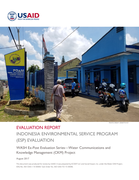
WASH Ex-Post Evaluation Series - Water Communications and Knowledge Management (CKM) Project
This evaluation examines the sustainability of selected components of the USAID/Indonesia Environmental Services Program (ESP), which was implemented from 2004–2010. Among other objectives, this activ ... ity sought to improve health and livelihoods of Indonesians through enhanced and expanded access to key environmental services.
Following up on the program seven years after it ended, this evaluation addresses the sustainability of ESP’s capacity-building efforts with Indonesian municipal water utilities, known as Perusahaan Daerah Air Minum (PDAM), and financial mechanisms to improve utility management and expanded water access in urban areas. more
This evaluation examines the sustainability of selected components of the USAID/Indonesia Environmental Services Program (ESP), which was implemented from 2004–2010. Among other objectives, this activ ... ity sought to improve health and livelihoods of Indonesians through enhanced and expanded access to key environmental services.
Following up on the program seven years after it ended, this evaluation addresses the sustainability of ESP’s capacity-building efforts with Indonesian municipal water utilities, known as Perusahaan Daerah Air Minum (PDAM), and financial mechanisms to improve utility management and expanded water access in urban areas. more
Non-Wood Forest Products 11
Traditional medicine and its use of medicinal plants is dependent on reliable supply of plant materials. The book focuses on the interface between medicinal plant use and conservation of medicinal plants.

Tropical Medicine and Infectious Disease 2017, 2(4), 50
This is a cross-sectional analysis of baseline data in a longitudinal study on asymptomatic, LF antigen-positive and -negative young people in Myanmar. Rapid field screening was used to identify antigen-positive cases and a group of antige ... n-negative controls of similar age and gender were invited to continue in the study. ... Results demonstrate that sub-clinical changes associated with infection can be detected in asymptomatic cases. Further exploration of these low-cost devices in clinical and research settings on filariasis-related lymphedema are warranted.
https://doi.org/10.3390/tropicalmed2040050 more
This is a cross-sectional analysis of baseline data in a longitudinal study on asymptomatic, LF antigen-positive and -negative young people in Myanmar. Rapid field screening was used to identify antigen-positive cases and a group of antige ... n-negative controls of similar age and gender were invited to continue in the study. ... Results demonstrate that sub-clinical changes associated with infection can be detected in asymptomatic cases. Further exploration of these low-cost devices in clinical and research settings on filariasis-related lymphedema are warranted.
https://doi.org/10.3390/tropicalmed2040050 more
Journal of the International AIDS Society, vol. 21 Issue no. 6 e 25142
Weaknesses in care programmes providing anti‐retroviral therapy (ART) persist and are often instigated by late HIV diagnosis and poor linkage to care. We investigated the potential for a home‐based counselling and testin ... g (HBCT) campaign to be improved through the optimal timing and enhancement of testing rounds to generate greater health outcomes at minimum cost.
Countries implementing HBCT can reduce costs by optimally timing rounds and generate greater health outcomes through improving linkage, coverage, and retention. Tailoring HBCT campaigns to individual settings can enhance patient outcomes for minimal cost.
https://doi.org/10.1002/jia2.25142 more
Weaknesses in care programmes providing anti‐retroviral therapy (ART) persist and are often instigated by late HIV diagnosis and poor linkage to care. We investigated the potential for a home‐based counselling and testin ... g (HBCT) campaign to be improved through the optimal timing and enhancement of testing rounds to generate greater health outcomes at minimum cost.
Countries implementing HBCT can reduce costs by optimally timing rounds and generate greater health outcomes through improving linkage, coverage, and retention. Tailoring HBCT campaigns to individual settings can enhance patient outcomes for minimal cost.
https://doi.org/10.1002/jia2.25142 more
Drinking-water quality regulations and standards developed or revised in accordance with this guidance will reflect the best practices identified in the WHO Guidelines for Drinking-water Quality to most effectively protect public health. Moreover, the regulations and standards will consider local ne
...
eds, priorities and capacities to ensure that they are realistic and appropriate. Topics covered include:
- Guiding principles
- Getting started
- Selecting parameters and parameter limits
- Setting out compliance monitoring requirements more
- Guiding principles
- Getting started
- Selecting parameters and parameter limits
- Setting out compliance monitoring requirements more
The workshop is structured around 13 learning modules. The first module (Introduction) gives an overview of WSPs. The last module (Module 12) introduces participants to the quality assurance tool for WSPs (WHO & IWA, 2012). Modules 1–11 relate explicitly to the WSP manual produced by IWA and WHO (
...
Bartram et al., 2009), from which the workshop is designed.
more
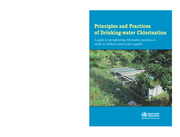
This guide is intended for people involved in the management and operation of small- to mediumsized organized water supply systems. The content has been developed with particular consideration for operational-level personnel with responsibility for chlorination (for example, water treatment plant op
...
erators and technicians). The material presented within this guide may also be relevant for engineers and representatives from public health, local government, non-governmental organizations, as well as any other individuals supporting water safety planning activities for the supply of safe drinking-water.
Part 1. Chlorination principles: Describes key chlorination concepts, providing a knowledge foundation for the implementation of effective chlorination practices.
Part 2. Chlorination practices: Describes the practical application of the concepts presented in Part 1, including calculations and procedures for safe and effective chlorination of drinking-water supplies. more
Part 1. Chlorination principles: Describes key chlorination concepts, providing a knowledge foundation for the implementation of effective chlorination practices.
Part 2. Chlorination practices: Describes the practical application of the concepts presented in Part 1, including calculations and procedures for safe and effective chlorination of drinking-water supplies. more
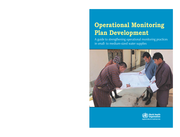
The guide is presented in two parts:
Part 1. Principles of Operational Monitoring: Describes the key principles of operational monitoring, alongside the types of operational monitoring that may be performed and the information required within an OMP.
Part 2. Operational Monitorin ... g Plan Development: Describes the stepwise development of an OMP for a water supply system, including the source, water treatment, intermediate storage, distribution and household. For illustration purposes, practical guidance is provided using a specimen water supply system considered to be representative of a conventional small- to medium-sized supply in a lower resource setting. This template may be used to develop system-specific OMPs for individual water supply systems. more
Part 1. Principles of Operational Monitoring: Describes the key principles of operational monitoring, alongside the types of operational monitoring that may be performed and the information required within an OMP.
Part 2. Operational Monitorin ... g Plan Development: Describes the stepwise development of an OMP for a water supply system, including the source, water treatment, intermediate storage, distribution and household. For illustration purposes, practical guidance is provided using a specimen water supply system considered to be representative of a conventional small- to medium-sized supply in a lower resource setting. This template may be used to develop system-specific OMPs for individual water supply systems. more
A review of proactive risk assessment and risk management practices to ensure the safety of drinking-water
Based on information gathered from 118 countries representing every region of the globe, this report provides a picture of WSP uptake worldwide. It presents information on WSP implementati ... on and the integration of WSPs into the policy environment. It also explores WSP benefits, challenges and future priorities. more
Based on information gathered from 118 countries representing every region of the globe, this report provides a picture of WSP uptake worldwide. It presents information on WSP implementati ... on and the integration of WSPs into the policy environment. It also explores WSP benefits, challenges and future priorities. more
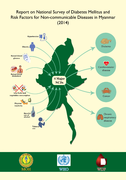
The Ministry of Health conducted STEPS surveys on adult risk factors surveillance in Myanmar in 2003, 2009 and 2014. Amongst these three surveys, the 2014 one is the most comprehensive, providing an analysis of all States and Regions within Myanmar through not only questionnaires and physical measur
...
ements – STEPs 1 and 2 of the survey – but also with data obtained through biochemical measurements (STEP 3).
The STEPS survey was initiated by the Ministry of Health in December 2014 with the technical support of WHO Headquarters, regional and country offices. more
The STEPS survey was initiated by the Ministry of Health in December 2014 with the technical support of WHO Headquarters, regional and country offices. more

Census Report Volume 4-B
In the 2014 Census, early-age mortality was measured from the responses to two simple retrospective questions on childbearing addressed to ever-married women aged 15 and over. These questions referred to how many live children they had ever given birth to, and how many ... had died (or survived). Adult mortality was measured by using a question on the number of household members who had died during the 12 months preceding the Census.
According to the 2014 Census, infant and child mortality, which comprises under-five mortality, was high compared to other countries in the region. Previous estimates indicated a rapid decline during the 1960s and 1970s, with a substantial deceleration starting in the early 1980s. The decline has accelerated again during recent years. more
In the 2014 Census, early-age mortality was measured from the responses to two simple retrospective questions on childbearing addressed to ever-married women aged 15 and over. These questions referred to how many live children they had ever given birth to, and how many ... had died (or survived). Adult mortality was measured by using a question on the number of household members who had died during the 12 months preceding the Census.
According to the 2014 Census, infant and child mortality, which comprises under-five mortality, was high compared to other countries in the region. Previous estimates indicated a rapid decline during the 1960s and 1970s, with a substantial deceleration starting in the early 1980s. The decline has accelerated again during recent years. more
Census Report Volume 4-K
The results of the 2014 Census collected only relates to four of the six types of disability domains recommended by the Washington Group on Disability Statistics, namely: seeing, hearing, walking, and remembering or concentrating.
Out of a total of 50.3 million pe ... rsons enumerated in the 2014 Census, there were 2.3 million persons (4.6 per cent of the total population) who reported some degree of difficulty with either one or more of the four functional domains. Of this number, over half a million (representing over 1 per cent of the population as a whole) reported having a lot of difficulty or could not do one or more of the four activities at all (referred to as severe disability). Among those with the severest degree of disability, 55 thousand were blind, 43 thousand were deaf, 99 thousand could not walk at all and 90 thousand did not have the capability to remember or concentrate.
The Census shows that disability is predominantly an old age phenomenon with its prevalence remaining low up to a certain age, after which rates increase substantially. more
The results of the 2014 Census collected only relates to four of the six types of disability domains recommended by the Washington Group on Disability Statistics, namely: seeing, hearing, walking, and remembering or concentrating.
Out of a total of 50.3 million pe ... rsons enumerated in the 2014 Census, there were 2.3 million persons (4.6 per cent of the total population) who reported some degree of difficulty with either one or more of the four functional domains. Of this number, over half a million (representing over 1 per cent of the population as a whole) reported having a lot of difficulty or could not do one or more of the four activities at all (referred to as severe disability). Among those with the severest degree of disability, 55 thousand were blind, 43 thousand were deaf, 99 thousand could not walk at all and 90 thousand did not have the capability to remember or concentrate.
The Census shows that disability is predominantly an old age phenomenon with its prevalence remaining low up to a certain age, after which rates increase substantially. more
Census Report Volume 4-F (Thematic report on Population Projections for the Union of Myanmar, States/Regions, Rural and Urban Areas, 2014-2050)
Key findings
- The total population of Myanmar is estimated to be 65 million by 2050. The projection is based on steadily declining population grow ... th rate over the projection period: from 0.9 per cent in 2015 to 0.3 per cent in 2050.
- The proportion of the urban population rises from 29.3 per cent in 2015 to 34.7 in 2050. The rural and urban crude birth rates both decline between 2015 and 2050, but the difference between them narrows to almost zero by the end of the period.
- The population of Yangon grows more rapidly than any other area, by 39 per cent between 2015 and 2031. Other rapidly growing areas include Kayah (37 per cent), Kachin (32 per cent), Nay Pyi Taw (27 per cent), and Shan (26 per cent). Ayeyawady, Magway and Mon lose population, mostly due to migration. more
Key findings
- The total population of Myanmar is estimated to be 65 million by 2050. The projection is based on steadily declining population grow ... th rate over the projection period: from 0.9 per cent in 2015 to 0.3 per cent in 2050.
- The proportion of the urban population rises from 29.3 per cent in 2015 to 34.7 in 2050. The rural and urban crude birth rates both decline between 2015 and 2050, but the difference between them narrows to almost zero by the end of the period.
- The population of Yangon grows more rapidly than any other area, by 39 per cent between 2015 and 2031. Other rapidly growing areas include Kayah (37 per cent), Kachin (32 per cent), Nay Pyi Taw (27 per cent), and Shan (26 per cent). Ayeyawady, Magway and Mon lose population, mostly due to migration. more


Together we can Prevent and Control the World's Most Common Diseases
Objectives of the training manual
(1) To improve knowledge of NCD trends, burdens, as well as systems for management and monitoring of NCD services for Township Medical Officers (TMOs), Township Public Health Officers (TP ... HOs), Medical Officers (MOs). The manual can also be used for training of Basic Health staff (BHS), TMOs, TPHOs and MOs,
(2) To equip trainers to train BHS to conduct PEN protocols at the primary care level health centers,
(3) To equip trainers to train in processes to conduct PEN scaling up monitoring , supervision and evaluation activities. more
Objectives of the training manual
(1) To improve knowledge of NCD trends, burdens, as well as systems for management and monitoring of NCD services for Township Medical Officers (TMOs), Township Public Health Officers (TP ... HOs), Medical Officers (MOs). The manual can also be used for training of Basic Health staff (BHS), TMOs, TPHOs and MOs,
(2) To equip trainers to train BHS to conduct PEN protocols at the primary care level health centers,
(3) To equip trainers to train in processes to conduct PEN scaling up monitoring , supervision and evaluation activities. more
The primary objective of the 2015-16 MDHS project is to provide up-to-date estimates of basic demographic and health indicators. Specifically, the MDHS collected information on fertility levels, marriage, fertility preferences, awareness and use of family planning methods, breastfeeding practices, n
...
utrition, maternal and child health and mortality, awareness and behavior regarding HIV/AIDS and other sexually transmitted infections (STIs), and other health-related issues such as smoking and knowledge of tuberculosis. As the 2015-16 MDHS is the first DHS survey in the country, trend analysis is not carried out in this report.
more
