
Filter
1451
Text search:
WHO
South
East
Asia
Regional
Office
Featured
Recommendations
149
New Publications
367
Language
Document type
No document type
698
Studies & Reports
341
Guidelines
202
Manuals
80
Strategic & Response Plan
62
Fact sheets
18
Training Material
17
Situation Updates
16
Resource Platforms
9
Infographics
4
Brochures
2
Online Courses
2
Countries / Regions
Global
103
South–East Asia Region
70
India
65
Myanmar / Burma
50
Asia
46
Nepal
44
Bangladesh
27
Western and Central Europe
25
Indonesia
21
Africa
21
Philippines
20
Cambodia
16
Ethiopia
14
Uganda
13
Thailand
13
Western Pacific Region
12
Syria
11
Kenya
11
Tanzania
11
Pakistan
9
Middle East and North Africa
9
Eastern Europe
9
Afghanistan
8
South Africa
8
Ukraine
7
Sri Lanka
7
Yemen
7
Laos
7
Liberia
6
Nigeria
6
Haiti
6
South Sudan
6
Zambia
6
Rwanda
6
Sierra Leone
5
Congo, Democratic Republic of
5
Ghana
5
East and Southern Africa
5
West and Central Africa
5
Latin America and the Carribbean
5
Venezuela
5
Russia
5
Vietnam
5
Somalia
4
China
4
Malawi
4
Mozambique
4
Sudan
4
Central African Republic
4
Timor Leste/ East Timor
4
Moldova
4
Senegal
3
Zimbabwe
3
Jordan
3
Lebanon
3
North Macedonia
3
Eastern Europe and Central Asia
3
Iran
3
Georgia
3
Guinea
2
Burkina Faso
2
Turkey
2
Malaysia
2
Papua New Guinea
2
Eswatini/ Swaziland
2
Mexico
2
Palestine
2
Albania
2
Kazakhstan
2
Belarus
2
Bosnia and Herzegovina
2
Morocco
1
USA
1
Saudi Arabia
1
Cameroon
1
Niger
1
Iraq
1
Egypt
1
Singapore
1
Argentina
1
Namibia
1
Peru
1
Brazil
1
Hungary
1
Croatia
1
Colombia
1
Ecuador
1
Greece
1
Madagascar
1
Lesotho
1
Other region
1
Paraguay
1
Bhutan
1
Poland
1
North Korea
1
Djibouti
1
Armenia
1
Mongolia
1
Tajikistan
1
Qatar
1
Romania
1
Kyrgyzstan
1
Gabon
1
Turkmenistan
1
Japan
1
Belgium
1
Maldives
1
Tunisia
1
Authors & Publishers
Publication Years
Category
Countries
347
Clinical Guidelines
152
Key Resources
108
Public Health
104
Women & Child Health
101
Capacity Building
25
Pharmacy & Technologies
18
Toolboxes
HIV
158
Mental Health
123
COVID-19
105
Planetary Health
90
TB
71
NTDs
63
Disability
51
AMR
49
Global Health Education
47
Refugee
42
Rapid Response
37
Natural Hazards
35
Caregiver
33
NCDs
28
Health Financing Toolbox
27
2.0 Rapid Response
24
Conflict
23
Malaria
23
Pharmacy
16
Zika
15
Cholera
11
Ebola & Marburg
10
Specific Hazards
7
Polio
6
Typhoon
3
Social Ethics
1

This publication gives a broad vision of what a comprehensive approach to cervical cancer prevention and control means. In particular, it outlines the complementary strategies for comprehensive cervical cancer prevention and control, and highlights the neners. This new guide updates the 2006 edition
...


National Tuberculosis Programme
The National Strategic Plan (NSP) for Tuberculosis (TB) 2016-2020 builds on the past experiences for the National Tuberculosis Programme and its partners. This NSP provides a roadmap for delivering quality TB prevention and care service to the entire population, ...
The National Strategic Plan (NSP) for Tuberculosis (TB) 2016-2020 builds on the past experiences for the National Tuberculosis Programme and its partners. This NSP provides a roadmap for delivering quality TB prevention and care service to the entire population, ...
FAO’s component of the Global COVID-19 Humanitarian Response Plan
18.5.2020

National Tuberculosis Control Program; Mycobacterial Disease Control National AIDS/STD Program
Reach the Unreached - FIND, TREAT, CURE TB, SAVE LIVES

Cambodia drafted and adopted the National Action Plan for Disaster Risk Reduction 2014-2018 in 2014. This plan finalized the required policies and legal processes to strengthen DRM in Cambodia. It also focused on capacity building at national and sub-national levels and provided dedicated resources
...

Myanmar’s transition to a market‐based economy is accompanied by rapid development of the private manufacturing sector, which has large potential for improving economic growth. The overall success of the sector, however, should not be taken for granted. Future advances will greatly depend on th
...
Building laboratory testing capacity

Abrupt reductions in international HIV assistance in 2025 have deepened existing funding shortfalls. The OECD estimates that external health assistance is projected to drop by 30–40% in 2025 compared with 2023, causing immediate and even more severe disruption to health services in low- and middle
...

Technology and digital tools are transforming everyday life, opening new opportunities for women and girls—but they are also being weaponized to harass, threaten, and silence them online. Technology-facilitated violence against women and girls (TF VAWG) is now a defining challenge for gender equal
...
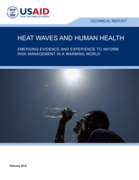
Emerging evidence and experience to inform risk management in a warming world

The report depicts the reality of forced displacement as a developing world crisis with implications for sustainable growth: 95 percent of the displaced live in developing countries and over half are in displacement for more than four years. To help the displaced, the report suggests ways to rebuild
...
