
Filter
2675
Text search:
Hospital
hygiene
Featured
362
673
Language
2510
86
62
41
30
27
13
12
7
6
5
5
4
3
2
2
2
2
2
2
2
2
2
2
2
1
1
1
1
1
1
1
1
1
1
1
1
1
1
1
1
Document type
1271
494
422
194
103
70
50
42
10
9
5
3
2
Countries
151
94
85
83
82
65
59
55
53
53
51
47
45
44
43
41
37
36
36
34
32
27
26
25
25
21
20
19
18
18
18
17
17
17
16
16
15
15
14
14
13
12
11
10
9
9
9
9
8
8
8
8
8
7
7
7
7
7
6
6
5
5
5
5
4
4
4
4
4
4
4
4
4
4
3
3
3
3
3
3
2
2
2
2
2
2
2
2
2
2
2
2
2
2
2
2
1
1
1
1
1
1
1
1
1
1
1
1
1
1
1
1
1
1
1
1
1
1
1
1
1
1
1
1
1
Authors & Publishers
443
122
70
64
64
57
52
39
23
19
16
16
16
15
14
14
14
13
13
13
12
12
12
11
11
10
10
10
10
10
9
9
8
8
8
8
8
8
8
8
8
8
8
8
7
7
7
7
7
7
7
7
7
7
6
6
6
6
6
6
6
6
6
6
6
6
5
5
5
5
5
5
5
5
5
5
5
5
5
5
5
5
5
5
5
5
5
5
4
4
4
4
4
4
4
4
4
4
4
4
4
4
4
4
4
4
4
4
4
4
3
3
3
3
3
3
3
3
3
3
3
3
3
3
3
3
3
3
3
3
3
3
3
3
3
3
3
3
3
3
3
3
3
3
3
3
3
3
3
3
3
3
3
3
3
3
3
3
3
3
3
3
3
3
3
3
3
3
3
3
3
2
2
2
2
2
2
2
2
2
2
2
2
2
2
2
2
2
2
2
2
2
2
2
2
2
2
2
2
2
2
2
2
2
2
2
2
2
2
2
2
2
2
2
2
2
2
2
2
2
2
2
2
2
2
2
2
2
2
2
2
2
2
2
2
2
2
2
2
2
2
2
2
2
2
2
2
2
2
2
2
2
2
2
2
2
2
2
2
2
2
2
2
2
2
2
2
2
2
2
2
2
2
2
2
2
2
2
2
2
2
2
2
2
2
2
2
2
2
2
2
2
2
2
2
2
2
2
2
2
2
2
2
2
2
2
2
2
2
2
2
2
2
2
2
2
2
2
2
2
2
2
2
2
2
1
1
1
1
1
1
1
1
1
1
1
1
1
1
1
1
1
1
1
1
1
1
1
1
1
1
1
1
1
1
1
1
1
1
1
1
1
1
1
1
1
1
1
1
1
1
1
1
1
1
1
1
1
1
1
1
1
1
1
1
1
1
1
1
1
1
1
1
1
1
1
1
1
1
1
1
1
1
1
1
1
1
1
1
1
1
1
1
1
1
1
1
1
1
1
1
1
1
1
1
1
1
1
1
1
1
1
1
1
1
1
1
1
1
1
1
1
1
1
1
1
1
1
1
1
1
1
1
1
1
1
1
1
1
1
1
1
1
1
1
1
1
1
1
1
1
1
1
1
1
1
1
1
1
1
1
1
1
1
1
1
1
1
1
1
1
1
1
1
1
1
1
1
1
1
1
1
1
1
1
1
1
1
1
1
1
1
1
1
1
1
1
1
1
1
1
1
1
1
1
1
1
1
1
1
1
1
1
1
1
1
1
1
1
1
1
1
1
1
1
1
1
1
1
1
1
1
1
1
1
1
1
1
1
1
1
1
1
1
1
1
1
1
1
1
1
1
1
1
1
1
1
1
1
1
1
1
1
1
1
1
1
1
1
1
1
1
1
1
1
1
1
1
1
1
1
1
1
1
1
1
1
1
1
1
1
1
1
1
1
1
1
1
1
1
1
1
1
1
1
1
1
1
1
1
1
1
1
1
1
1
1
1
1
1
1
1
1
1
1
1
1
1
1
1
1
1
1
1
1
1
1
1
1
1
1
1
1
1
1
1
1
1
1
1
1
1
1
1
1
1
1
1
1
1
1
1
1
1
1
1
1
1
1
1
1
1
1
1
1
1
1
1
1
1
1
1
1
1
1
1
1
1
1
1
1
1
1
1
1
1
1
1
1
1
1
1
1
1
1
1
1
1
1
1
1
1
1
1
1
1
1
1
1
1
1
1
1
1
1
1
1
1
1
1
1
1
1
1
1
1
1
1
1
1
1
1
1
1
1
1
1
1
1
1
1
1
1
1
1
1
1
1
1
1
1
1
1
1
1
1
1
1
1
1
1
1
1
1
1
1
1
1
1
1
1
1
1
1
1
1
1
1
1
1
1
1
1
1
1
1
1
1
1
1
1
1
1
1
1
1
1
1
1
1
1
1
1
1
1
1
1
1
1
1
1
1
1
1
1
1
1
1
1
1
1
1
1
1
1
1
1
1
1
1
1
1
1
1
1
1
1
1
1
1
1
1
1
1
1
1
1
1
1
1
1
1
1
1
1
1
1
1
1
1
1
1
1
1
1
1
1
1
1
1
1
1
1
1
1
1
1
1
1
1
1
1
1
1
1
1
1
1
1
1
1
1
1
1
1
1
1
1
1
1
1
1
1
1
1
1
1
1
1
1
1
1
1
1
1
1
1
1
1
1
1
1
1
1
1
1
1
1
1
1
1
1
1
1
1
1
1
1
1
1
1
1
1
1
1
1
1
1
1
1
1
1
1
1
1
1
1
1
1
1
1
1
1
1
1
1
1
1
1
1
1
1
1
1
1
1
1
1
1
1
1
1
1
1
1
1
1
1
1
1
1
1
1
1
1
1
1
1
1
1
1
1
1
1
1
1
1
1
1
1
1
1
1
1
1
1
1
1
1
1
1
1
1
1
1
1
1
1
1
1
1
1
1
1
1
1
1
1
1
1
1
1
1
1
1
1
1
1
1
1
1
1
1
1
1
1
1
1
1
1
1
1
1
1
1
1
1
1
1
1
1
1
1
1
1
1
1
1
1
1
1
1
1
1
1
1
1
1
1
1
1
1
1
1
1
1
1
1
1
1
1
1
1
1
1
1
1
1
1
1
1
1
1
1
1
1
1
1
1
1
1
1
1
1
1
1
1
1
1
1
1
1
1
1
1
1
1
1
1
1
1
1
1
1
1
1
1
1
1
1
1
1
1
1
1
1
1
1
1
1
1
1
1
1
1
1
1
1
1
1
1
1
1
1
1
1
1
1
1
1
1
1
1
1
1
1
1
1
1
1
1
1
1
1
1
1
1
1
1
1
1
1
1
1
1
1
1
1
1
1
1
1
1
1
1
1
1
1
1
1
1
1
1
1
1
1
1
1
1
1
1
1
1
1
1
1
1
1
1
1
1
1
1
1
1
1
1
1
1
1
1
1
1
1
1
1
1
1
1
1
1
1
1
1
1
1
1
1
1
1
1
1
1
1
1
1
1
1
1
1
1
1
1
1
1
1
1
1
1
1
1
1
1
1
1
1
1
1
1
1
1
1
1
1
1
1
1
1
1
1
1
1
1
1
1
1
1
1
1
1
1
1
1
1
1
1
1
1
1
1
1
1
1
1
1
1
1
1
1
1
1
1
1
1
1
1
1
1
1
1
1
1
1
1
1
1
1
1
1
1
1
1
1
1
1
1
1
1
1
1
1
1
1
1
1
1
1
1
1
1
1
1
1
1
1
1
1
1
1
1
1
1
1
1
1
1
1
1
1
1
1
1
1
1
1
1
1
1
1
1
1
1
1
1
1
1
1
1
1
1
1
1
1
1
1
1
1
1
1
1
1
1
1
1
1
1
1
1
1
1
1
1
1
1
1
1
1
1
1
1
1
1
1
1
1
1
1
1
1
1
1
1
1
1
1
1
1
1
1
1
1
1
1
1
1
1
1
1
1
1
1
1
1
1
1
1
1
1
1
1
1
1
1
1
1
1
1
1
1
1
1
1
1
1
1
1
1
1
1
1
1
1
1
1
1
1
1
1
1
1
1
1
1
1
1
1
1
1
1
1
1
1
1
1
1
1
1
1
1
1
1
1
1
1
1
1
1
1
1
1
1
1
1
1
1
1
1
1
1
1
1
1
1
1
1
1
1
1
1
1
1
1
1
1
1
1
1
1
1
1
1
1
1
1
1
1
1
1
1
1
1
1
1
1
1
1
1
1
1
1
1
1
1
1
1
1
1
1
1
1
1
1
1
1
1
1
1
1
1
1
1
1
1
1
1
1
1
1
1
1
1
1
1
1
1
1
1
1
1
1
1
1
1
1
1
1
1
1
1
1
1
1
1
1
1
1
1
1
1
1
1
1
1
1
1
1
1
1
1
1
1
1
1
1
1
1
1
1
1
1
1
1
1
1
1
1
1
1
1
1
1
1
1
1
1
1
1
1
1
1
1
1
1
1
1
1
1
1
1
1
1
1
1
1
1
1
1
1
1
1
1
1
1
1
1
1
1
1
1
1
1
1
1
1
1
1
1
1
1
1
1
1
1
1
1
1
1
1
1
1
1
1
1
1
1
1
1
1
1
1
1
1
1
1
1
1
1
1
1
1
1
1
1
1
1
1
1
1
1
1
1
1
1
1
1
1
1
1
1
1
1
1
1
1
1
1
1
1
1
1
1
1
1
1
1
1
1
1
1
1
1
1
1
1
1
1
1
1
1
1
1
1
1
1
1
1
1
1
1
1
1
1
1
1
1
1
1
1
1
1
1
1
1
1
1
1
1
1
1
1
1
1
1
1
1
1
1
1
1
1
1
1
1
1
1
1
1
1
1
1
1
1
1
1
1
1
1
1
1
1
1
1
1
1
1
1
1
1
1
1
1
1
1
1
1
1
1
1
1
1
1
1
1
1
1
1
1
1
1
1
1
1
1
1
1
1
1
1
1
1
1
1
1
1
1
1
1
1
1
1
1
1
1
1
1
1
1
1
1
1
1
1
1
1
1
1
1
1
1
1
1
1
1
1
1
1
1
1
1
1
1
1
1
1
1
1
1
1
1
1
1
1
1
1
1
1
1
1
1
1
1
1
1
1
1
1
1
1
1
1
1
1
1
1
1
1
1
1
1
1
1
1
1
1
1
1
1
1
1
1
1
1
1
1
1
1
1
1
1
1
1
1
1
1
1
1
1
1
1
1
1
1
1
1
1
1
1
Publication Years
905
1491
253
24
2
Category
1048
215
214
155
121
65
22
1
Toolboxes
377
180
174
126
110
109
79
77
73
68
63
58
53
52
47
35
31
31
29
21
15
11
7
7
2
1
Operational considerations for case management of COVID-19 in health facility and community
recommended
This document is intended to guide the care of COVID-19 patients as the response capacity of health systems is challenged; to ensure that COVID-19 patients can access life-saving treatment, without compromising public health objectives and safety of health workers.
It promotes two key messages:
...
1. Key public health interventions regardless of transmission scenario; and
2. Key action steps to be taken by transmission scenario to enable timely surge of clinical operations.
more
Refugees and migrants face similar health threats from COVID-19 as their host populations. However, inadequate access to essential services and exclusion may makes early detection, testing, diagnosis, contact tracing and seeking care for COVID-19 difficult for refugees and migrants thus increasing t
...
he risk of outbreaks in these population and presenting an additional threat to public health. This document offers guidance to Member States and partners for the inclusion of refugees and migrants, as part of holistic efforts to respond to COVID-19 epidemics in the general populations.
17 April 2020
more

The role of environmental contamination in transmission of COVID-19 virus is currently not clear. This protocol has been designed to determine (viable) virus presence and persistence on fomites in various locations where a patient infected with COVID-19 is currently receiving care or being isolated,
...
and to understand how this may relate to COVID-19 transmission events in these settings. It is therefore important that it is done as part of a comprehensive outbreak investigation and that information obtained by environmental studies is combined with the results of epidemiological, laboratory and sequence data from COVID-19 patient investigations.
more
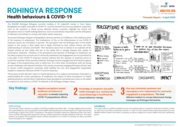
Thematic Report– 3 April 2020
ACAPS Risk Analysis: COVID19
info@acaps.org
COVID Reference 2021.6 EN
recommended
6th edition 13 January 2021 CR 2021.6.10, uploaded on 27 May 2021
Find eight editions: Deutsch | English | Español | Français | Italiano | Português | Tiếng Việt | Türkçe
https://covidreference.com/download
Применение масок в контексте COVID-19
recommended
Временные рекомендации
5 июня 2020 г
Ношение медицинской маски является одной из профилактических мер, которая может ограничить распространение ряда вирусных инфÐ
...
µкций, в том числе, COVID-19. Однако использования маски как единственного средства недостаточно для обеспечения адекватного уровня защиты, и следует принимать также другие меры. Независимо от применения масок первоочередное значение в профилактике передачи COVID-19 от человека к человеку имеет тщательное соблюдение гигиены рук и других мер ПИИК.
more


This document is to support local authorities, leaders and policy-makers in cities and other urban settlements in identifying effective approaches and implementing recommended actions that enhance the prevention, preparedness and readiness for COVID-19 in urban settings, to ensure a robust response
...
and eventual recovery. It covers factors unique to cities and urban settings, considerations in urban preparedness, key areas of focus and preparing for future emergencies.
more

A COVID-19 é uma doença respiratória aguda causada pelo novo coronavírus humano (SARS-CoV-2, chamado de vírus COVID-19), que causa índices de mortalidade mais altos entre pessoas com idade ≥60 anos e entre pessoas com doenças de base como doença cardiovascular, doença respiratória crôni
...
ca, diabetes e câncer.
more
30 January 2020
This document outlines the standard operating procedures for detection and response to case/s of suspected novel coronavirus disease (2019-nCoV) in South Africa. The content of this document should inform provincial preparedness plans.

Accessed: 02.05.2020
These interim IPC recommendations for health settings have been developed through the contributions of many individuals and institutions, such as the Centers for Disease Control-Kenya; ITECH; US Agency for International Development (USAID) Medicines, Technologies, and Pharmaceu
...
tical Services (MTaPS) Program; and WHO that are committed to ensuring that the transmission of COVID-19 to HCWs and the public within the health care setting is limited. The Ministry of Health (MOH) through the Directorate of Health Standards Quality Assurance and Regulations wishes to thank all the contributing authors led by the sub-committee on case management and IPC for the COVID-19 response for their expertise and time given to writing these guidelines.
more
Las prácticas de prevención y control de infecciones necesitan implementarse para garantizar la seguridad de los trabajadores de salud y pacientes en establecimientos de salud, es fundamental prevenir la contaminación cruzada y contener la propagación del COVID 19. • Al día de esta publicaciÃ
...
³n, están recomendadas las siguientes precauciones para el cuidado del paciente con sospecha o confirmación de COVID-19‡: o Para cualquier caso sospechoso o confirmado de COVID-19: precauciones estándares + contacto + precauciones en la transmisión por gotitas o Para cualquier caso sospechoso o confirmado de COVID-19 y procedimientos generadores de aerosoles: precauciones estándares + contacto + transmisión aérea (aerosoles o núcleo de gotitas)
more
Internally displaced persons (IDPs), refugees, migrants and returnees constitute a sizeable population in the WHO Eastern Mediterranean Region. There were 12 million refugees (half are Palestinians) and 13 million IDPs in the Region as of 2018. These populations are often vul
...
nerable to poor health due to the conditions they live in and limited access to needed quality health care. In addition, those who can access care, are often faced with financial hardship. There are also 46 million professionals and low-income labour migrants in the Region (of which 22 million are from the Region), with differential access to health services and varied health coverage schemes
more
This document aims to help EU/EEA public health authorities in the tracing and management of persons, including healthcare workers, who had contact with COVID-19 cases. It outlines the key steps of contact tracing, including contact identification, listing and follow-up, in the context of the COVID-
...
19 response.
more

The below guidance has been designed to ensure the care of children affected by COVID-19 due to either the child or caregiver requiring medical care in the home, community or health facility, it serves to

The equation is simple: we cannot effectively respond to a global pandemic when millions of people are still caught in warzones. We cannot treat sick people when hospitals are being bombed, or prevent the spread of coronavirus when tens of millions are forced to flee from violence. We must have a gl
...
obal ceasefire, and we must put our collective resources behind making that ceasefire a reality.
more

The following is a breakdown of key considerations to guide planning and resource allocation for COVID-19 preparedness and response to support UNHCR regional and country operations in Public Health, WASH, Shelter and Settlements programmes. While some of the activities are more relevant in camps or
...
settlements it is important to assess the availability of all services outlined. These are based on the Strategic preparedness and Response Plan for COVID 19 and UNHCR guidance for operations and, where relevant, operation or site level outbreak preparedness and response plans.
more
Options for the decontamination and reuse of respirators in the context of the COVID-19 pandemic
recommended
Guiding principles for reuse are:
Respirators which have been visibly contaminated (e.g. during procedure at intubated patients, such as suction cleaning of airways, taking probes, extubation attempts, etc.) or are damaged or not fitting, should be discarded and cannot be taken for re-use or de
...
contamination procedures.
Respirators may be protected by a medical face mask in order to prevent soiling.
Use of new ‘expired respirators’ (manufacturers expiry date) is possible if they were properly stored until use.
more
Infection prevention and control (IPC) practices are of critical importance in protecting the function of healthcare services at all levels and mitigating the impact on vulnerable populations. Although the management of possible COVID-19 cases is usually guided by national policies for specific heal
...
thcare facilities, community transmission is currently widespread in most EU/EEA countries and the UK, therefore primary healthcare providers in the community such as GPs, dentists and pharmacists are at risk of being exposed to COVID-19.
more

The arrival of COVID-19 in Afghanistan has brought heartache to millions of people who are now battling a deadly pandemic while simultaneously fighting for their survival amid poverty, disaster and war. Over my three years as Humanitarian Coordinator, I have marvelled at the resilience of the people
...
of this country to cope with the hardships of life in the world’s deadliest conflict – but even this remarkable strength is now being tested by the health, social and economic consequences of COVID-19. The virus is spreading across the country with frightening speed. Every province is now impacted, and people are understandably frightened.
more
