
Filter
2087
Text search:
prevalence
of
disability
Featured
184
498
Language
2024
49
48
42
21
15
14
4
3
3
2
2
2
1
1
1
1
1
1
1
1
1
1
1
1
1
Document type
1241
423
190
88
86
27
15
10
3
2
1
1
Countries
114
109
63
49
47
45
43
42
41
39
39
36
34
31
25
24
24
23
23
21
20
20
20
20
19
18
16
16
16
15
12
12
11
10
9
8
7
7
6
6
6
6
6
5
5
5
5
5
5
5
5
5
5
4
4
4
4
4
4
4
4
3
3
3
3
3
3
3
2
2
2
2
2
2
2
2
2
2
1
1
1
1
1
1
1
1
1
1
1
1
1
1
1
1
1
1
1
1
1
1
1
1
1
1
1
1
1
1
1
1
Authors & Publishers
244
100
83
71
58
40
35
35
34
23
20
18
17
16
16
16
15
14
14
12
12
11
11
10
10
10
10
8
8
8
8
7
7
7
7
7
7
6
6
6
6
6
6
6
6
5
5
5
5
5
5
5
5
5
5
4
4
4
4
4
4
4
4
4
4
4
4
4
4
4
4
4
4
4
4
4
4
4
4
4
4
3
3
3
3
3
3
3
3
3
3
3
3
3
3
3
3
3
3
3
3
3
3
3
3
3
3
3
3
3
3
3
3
3
3
3
3
3
3
3
3
3
3
3
3
3
3
3
3
3
2
2
2
2
2
2
2
2
2
2
2
2
2
2
2
2
2
2
2
2
2
2
2
2
2
2
2
2
2
2
2
2
2
2
2
2
2
2
2
2
2
2
2
2
2
2
2
2
2
2
2
2
2
2
2
2
2
2
2
2
2
2
2
2
2
2
2
2
2
2
2
2
2
2
2
2
2
2
2
2
2
2
2
2
2
2
2
2
2
2
2
2
2
2
2
2
2
2
2
2
2
2
2
2
2
2
2
2
2
2
2
2
2
2
2
2
2
2
2
2
2
2
2
2
2
2
2
1
1
1
1
1
1
1
1
1
1
1
1
1
1
1
1
1
1
1
1
1
1
1
1
1
1
1
1
1
1
1
1
1
1
1
1
1
1
1
1
1
1
1
1
1
1
1
1
1
1
1
1
1
1
1
1
1
1
1
1
1
1
1
1
1
1
1
1
1
1
1
1
1
1
1
1
1
1
1
1
1
1
1
1
1
1
1
1
1
1
1
1
1
1
1
1
1
1
1
1
1
1
1
1
1
1
1
1
1
1
1
1
1
1
1
1
1
1
1
1
1
1
1
1
1
1
1
1
1
1
1
1
1
1
1
1
1
1
1
1
1
1
1
1
1
1
1
1
1
1
1
1
1
1
1
1
1
1
1
1
1
1
1
1
1
1
1
1
1
1
1
1
1
1
1
1
1
1
1
1
1
1
1
1
1
1
1
1
1
1
1
1
1
1
1
1
1
1
1
1
1
1
1
1
1
1
1
1
1
1
1
1
1
1
1
1
1
1
1
1
1
1
1
1
1
1
1
1
1
1
1
1
1
1
1
1
1
1
1
1
1
1
1
1
1
1
1
1
1
1
1
1
1
1
1
1
1
1
1
1
1
1
1
1
1
1
1
1
1
1
1
1
1
1
1
1
1
1
1
1
1
1
1
1
1
1
1
1
1
1
1
1
1
1
1
1
1
1
1
1
1
1
1
1
1
1
1
1
1
1
1
1
1
1
1
1
1
1
1
1
1
1
1
1
1
1
1
1
1
1
1
1
1
1
1
1
1
1
1
1
1
1
1
1
1
1
1
1
1
1
1
1
1
1
1
1
1
1
1
1
1
1
1
1
1
1
1
1
1
1
1
1
1
1
1
1
1
1
1
1
1
1
1
1
1
1
1
1
1
1
1
1
1
1
1
1
1
1
1
1
1
1
1
1
1
1
1
1
1
1
1
1
1
1
1
1
1
1
1
1
1
1
1
1
1
1
1
1
1
1
1
1
1
1
1
1
1
1
1
1
1
1
1
1
1
1
1
1
1
1
1
1
1
1
1
1
1
1
1
1
1
1
1
1
1
1
1
1
1
1
1
1
1
1
1
1
1
1
1
1
1
1
1
1
1
1
1
1
1
1
1
1
1
1
1
1
1
1
1
1
1
1
1
1
1
1
1
1
1
1
1
1
1
1
1
1
1
1
1
1
1
1
1
1
1
1
1
1
1
1
1
1
1
1
1
1
1
1
1
1
1
1
1
1
1
1
1
1
1
1
1
1
1
1
1
1
1
1
1
1
1
1
1
1
1
1
1
1
1
1
1
1
1
1
1
1
1
1
1
1
1
1
1
1
1
1
1
1
1
1
1
1
1
1
1
1
1
1
1
1
1
1
1
1
1
1
1
1
1
1
1
1
1
1
1
1
1
1
1
1
1
1
1
1
1
1
1
1
1
1
1
1
1
1
1
1
1
1
1
1
1
1
1
1
1
1
1
1
1
1
1
1
1
1
1
1
1
1
1
1
1
1
1
1
1
1
1
1
1
1
1
1
1
1
1
1
1
1
1
1
1
1
1
1
1
1
1
1
1
1
1
1
1
1
1
1
1
1
1
1
1
1
1
1
1
1
1
1
1
1
1
1
1
1
1
1
1
1
1
1
1
1
1
1
1
1
1
1
1
1
1
1
1
1
1
1
1
1
1
1
1
1
1
1
1
1
1
1
1
1
1
1
1
1
1
1
1
1
1
1
1
1
1
1
1
1
1
1
1
1
1
1
1
1
1
1
1
1
1
1
1
1
1
1
1
1
1
1
1
1
1
1
1
1
1
1
1
1
1
1
1
1
1
1
1
1
1
1
1
1
1
1
1
1
1
1
1
1
1
1
1
1
1
1
1
1
1
1
1
1
1
1
1
1
1
1
1
1
1
1
1
1
1
1
1
1
1
1
1
1
1
1
1
1
1
1
1
1
1
1
1
1
1
1
1
1
1
1
1
1
1
1
1
1
1
1
1
1
1
1
1
1
1
1
1
1
1
1
1
1
1
1
1
1
1
1
1
1
1
1
1
1
1
1
1
1
1
1
1
1
1
1
1
1
1
1
1
1
1
1
1
1
1
1
1
1
1
1
1
1
1
1
1
1
1
1
1
1
1
1
1
1
1
1
1
1
1
1
1
1
1
1
1
1
1
1
1
1
1
1
1
1
1
1
1
1
1
1
1
1
1
1
1
1
1
1
1
1
1
1
1
1
1
1
1
1
1
1
1
1
1
1
1
1
1
1
1
1
1
1
1
1
1
1
1
1
1
1
1
1
1
1
1
1
1
1
1
1
1
1
1
1
1
1
1
1
1
1
1
1
1
1
1
1
1
1
1
1
1
1
1
1
1
1
1
1
1
1
1
1
1
1
1
1
1
1
1
1
1
1
1
1
1
1
1
1
1
1
1
1
1
1
1
1
1
1
1
1
1
1
1
1
1
1
1
1
1
1
1
1
1
1
1
1
1
1
1
1
1
1
1
1
1
1
1
1
1
1
1
1
1
1
1
1
1
1
1
1
1
1
1
1
1
1
1
1
1
1
1
1
1
1
1
1
1
1
1
1
1
1
1
1
1
1
1
1
1
1
1
1
1
1
1
1
1
1
1
1
1
1
1
1
1
1
1
1
1
1
1
1
1
1
1
1
1
1
1
1
1
1
1
1
1
1
1
1
1
1
1
1
1
1
1
1
1
1
1
1
1
1
1
1
1
1
1
1
1
1
1
1
1
1
1
1
1
1
1
1
1
1
1
1
1
1
1
1
1
1
1
1
1
1
1
1
1
1
1
1
1
1
1
1
1
1
1
1
1
1
1
1
1
1
1
1
1
1
1
1
1
1
1
1
1
1
1
1
1
1
1
1
1
1
1
1
1
1
1
1
1
1
1
1
1
1
1
1
1
1
1
1
1
1
1
1
1
1
1
1
1
1
1
1
1
1
1
1
1
1
1
1
1
1
1
1
1
1
1
1
1
1
1
1
1
1
1
1
1
1
1
1
1
1
1
1
1
1
1
1
1
1
1
1
1
1
1
1
1
1
1
1
1
1
1
1
1
1
1
1
1
1
1
1
1
1
1
1
1
1
1
1
1
1
1
1
1
1
1
1
1
1
1
1
1
1
1
1
1
1
1
1
1
1
1
1
1
1
1
1
1
1
1
1
1
1
1
1
1
1
1
1
1
1
1
1
1
1
1
1
1
1
1
1
1
1
1
1
1
1
1
1
1
1
1
1
1
1
1
1
1
1
1
1
1
1
1
1
1
1
1
1
1
1
1
1
1
1
1
1
1
1
1
1
1
1
1
1
1
1
1
1
1
1
1
1
1
1
1
1
1
1
1
1
1
1
1
1
1
1
1
1
1
1
1
1
1
1
1
1
1
1
1
1
1
1
1
1
1
1
1
1
1
1
1
1
1
1
1
1
1
1
1
1
1
1
1
1
1
1
1
1
1
1
1
1
1
1
1
1
1
1
1
1
1
1
1
1
1
1
1
1
1
1
1
1
1
1
1
1
1
1
1
1
1
1
1
1
1
1
1
1
1
1
1
1
1
1
1
1
1
1
1
1
1
1
1
1
1
1
1
1
1
1
1
1
1
1
1
1
1
1
1
1
1
1
1
1
1
1
1
1
1
1
1
1
1
1
1
1
1
Publication Years
548
1350
183
6
Category
811
179
151
127
88
24
3
Toolboxes
346
264
124
91
73
73
52
51
48
45
28
23
20
15
14
13
10
9
8
6
5
3
1
1
1

Since the discovery of insulin nearly 100 years ago, advances in diabetes treatments and therapies have transformed the lives of people
with diabetes (PwD), notably reducing the daily burden
...
of its management.
Newer technologies, including those driven by artificial intelligence, have the potential to further improve the quality of life of PwD and help
identify and diagnose people at risk of developing Type 2 diabetes and diabetes-related complications early. However, medical and technological advances alone are not enough to fix the diabetes challenge. It is also critical to acknowledge the complexity and the seriousness of diabetes, its impact on the quality of life and well-being of over 32 million PwD in the EU and the financial burden it represents for health systems and society at large.
more

This guidance is intended to be one stop shop to improve the quality and effectiveness of health interventions in emergency, to respond to the most frequent scenarios and conditions.
The main document contains the most common elements to be found i
...
n emergencies. As much as possible they are one page tables on one topic each with the key elements that ensure quality in column 2 of the table. Column 1 is about key information. Column 3 contains suggested indicators and column 4 helps decision making. This is a document to consult as needed, not really to read from front to last page
more
Towards a policy of inclusion

Paper commissioned for Fixing the Broken Promise of Education for All: Findings from the Global Initiative on Out-of-School Children
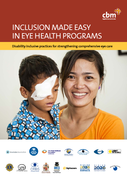
Disability inclusive practices for strengthening comprehensive eye care
Children with disabilities in South Africa: The hidden reality is part of a multiple-country study conducted by ACPF. The study seeks to analyse how cultural, social, physical and other societal barriers prevent children with disabilities from enjoy
...
ing their constitutional rights to equality, freedom and human dignity. It also seeks to establish opportunities and practices that could be used to address these barriers to enhance disabled children’s participation in society.
more
The mission of the Women’s Health Council is to inform and influence the development of health policy to ensure the maximum health and social gain for women in Ireland.
Its membership is represe
...
ntative of a wide range of expertise and interest in women’s health.
The Women’s Health Council has five functions detailed in its Statutory Instruments:
1. Advising the Minister for Health and Children on all aspects of women’s health.
2. Assisting the development of national and regional policies
and strategies designed to increase health gain and social gain for women.
3. Developing expertise on women’s health within the health services.
4. Liaising with other relevant international bodies which have similar functions as the Council.
5. Advising other Government Ministers at their request.
more
One of the first steps in developing a multisectoral action plan (MSAP) is to use a situation analysis to provide a comprehensive assessment of the health needs, prevailing risks and the context
...
of the area to which the plan will apply. This will help countries, regions, provinces or cities intending to create a multisectoral action plan to align with the global commitments on targeting the four major NCDs: cardiovascular disease, diabetes, cancer and chronic respiratory diseases.
more
A new global Police Handbook aims to address some of the most difficult challenges that survivors of violence face when accessing police and justice sector services around the world.
WHO published and launched the third part of the Wheelchair Service Training Package (WSTP) series consisting of two sub-packages: the Wheelchair Service Training Package for Managers (WSTPm) and th
...
e Wheelchair Service Training Package for Stakeholders (WSTPs). WHO recognises that in order to develop an effective and sustainable wheelchair service provision; managers and stakeholders need to be informed about the importance and benefit of a proper wheelchair service provision. The training manuals and introductory folder comes with 8 GB PenDrive, which contains A to Z of the wheelchair provision.
more

Burden of T. solium: Neurocysticercosis is a disease induced by T. solium larvae penetrating human tissues, especially the nervous system. Neurocysticercosis burdens economies, societies and individuals because
...
of the impact of epilepsy on wages, health costs and social stigmatization of sufferers. Health systems are also burdened as treatments must be tailored to individual needs.
more
First report of a demonstration project

Maternal Mental Health and child health and development in low and middle income countries
recommended
The impact of maternal mental health problems on infants in high income countries has been identified mostly in terms of psychosocial and emotional development, thanks to the groundbreaking early wo
...
rk of Spitz (2) and of Bowlby (3), who studied the emotional needs of infants and mother-child attachment. Subsequently, a large body of literature, also from HICs, documented the effects of maternal mental health on the child's psychological development (4), intellectual competence(5), psychosocial functioning (6) and rate of psychiatric morbidity (7, 8).
more
The focus of the current quarterly edition of Eurohealth (from the European Observatory on Health Systems and Policies) is Antimicrobial Resistance (AMR) and contains the following articles:
•
...
Strengthening implementation of AMR national action plans
• Fostering clinical development and commercialisation of novel antibiotics
• Tackling AMR in the community
• Quantifying the benefits of vaccines in combating AMR
more
International Health and Human Rights (2018) 18:18
Disability awareness, Community, Attitudes, Experts-by-experience

Oral health is defined as the absence of disease and a status that ensures optimal functioning of the mouth and its tissues in a manner preserving the highest level
...
of function and self-esteem. Oral health enables an individual to eat, speak and socialise having no active disease, discomfort or discouragement thus contributing to the general well-being. Good oral health is an essential component of general health and a right of every person1. Poor oral health has a negative impact on general health, work productivity, educational performance and adversely affects growth and development.
more
Trachoma is one of the 17 WHO-defined Neglected Tropical Diseases
(NTDs) that affect over 1 billion of the world’s poorest and most
marginalized people. It is caused by the bacterium chlamydia t
...
rachomatis.
more

Review of International, Regional and National Policies and Legal Frameworks that Promote Migrants and Mobile Populations' Access to Health and Malaria Services in the Greater Mekong Subregion (Cambodia, Lao People's Democratic Republic, Myanmar, Th
...
ailand and Viet Nam)
Migrants and mobile populations face many obstacles in accessing equitable essential health care services due to factors such as living and working conditions, education level, gender, irregular migration status, language and cultural barriers, anti-migrant sentiments, and lack of migrant-inclusive health policies among others. Despite significant progress having been made in the context of malaria control in the Greater Mekong Subregion (GMS), human movements can impact malaria transmission patterns and potentially introduce drug-resistant parasites. This legal framework review therefore serves as a guidance document on approaches to address malaria and malaria elimination for migrant and mobile populations (MMPs) in five countries of the GMS. more
Migrants and mobile populations face many obstacles in accessing equitable essential health care services due to factors such as living and working conditions, education level, gender, irregular migration status, language and cultural barriers, anti-migrant sentiments, and lack of migrant-inclusive health policies among others. Despite significant progress having been made in the context of malaria control in the Greater Mekong Subregion (GMS), human movements can impact malaria transmission patterns and potentially introduce drug-resistant parasites. This legal framework review therefore serves as a guidance document on approaches to address malaria and malaria elimination for migrant and mobile populations (MMPs) in five countries of the GMS. more

Inequality of access to palliative care and symptom relief is one of the greatest disparities in global health care (1). Currently, there is avoidable suffering on a massive scale due to lack
...
of access to palliative care and symptom relief in low- and middle-income countries (LMICs) (1). Yet basic palliative care that can prevent or relieve most suffering due to serious or life-threatening health conditions can be taught easily to generalist clinicians, can be provided in the community and requires only simple, inexpensive medicines and equipment. For these reasons, the World Health Assembly (WHA) resolved that palliative care is "an ethical responsibility of health systems"(2). Further, most patients who need palliative care are at home and prefer to remain there. Thus, it is imperative that palliative care be provided in the community as part of primary care. This document was written to assist ministries of health and health care planners, implementers and managers to integrate palliative care and symptom control into primary health care (PHC).
more
THE RIGHT TO EDUCATION FOR CHILDREN WITH DISABILITIES ALLIANCE
Watermeyer, B., Stuurman, C., McKinney, E., et al
R2ECWD & Inclusive Education South Africa
(2017)
C2
Alternative Report to the UN Committee on the Rights of Persons with Disabilities in response to South Africa’s Baseline Country Report of March 2013 on the UN Convention on the Rights
...
of Persons with Disabilities, with particular reference to the provisions of Article 24
more
