
Filter
2594
Text search:
peer
education
Featured
232
661
Language
2517
62
39
31
31
14
12
12
7
4
4
3
3
2
2
2
2
2
2
2
2
2
1
1
1
1
1
1
1
1
1
1
1
1
1
1
1
1
1
Document type
1418
481
323
160
83
71
25
18
7
4
1
1
1
Countries
116
99
66
64
61
55
53
49
48
48
47
46
42
38
37
32
31
30
25
24
23
20
19
19
17
17
17
16
15
15
13
13
12
12
12
12
12
11
11
10
10
9
8
7
6
6
6
6
6
6
5
5
5
4
4
4
4
4
4
4
4
3
3
3
3
3
3
2
2
2
2
2
2
2
2
2
1
1
1
1
1
1
1
1
1
1
1
1
1
1
1
1
1
1
1
1
1
1
1
1
1
1
1
1
1
1
Authors & Publishers
337
115
103
59
58
54
51
46
46
45
45
41
36
31
17
15
14
13
13
13
12
11
11
11
9
9
9
9
9
8
8
8
8
7
7
7
7
6
6
6
6
6
6
6
6
6
6
5
5
5
5
5
5
5
5
5
5
5
5
5
5
5
5
5
5
5
5
5
4
4
4
4
4
4
4
4
4
4
4
4
4
4
4
4
4
4
4
4
4
4
4
4
4
4
4
4
4
4
3
3
3
3
3
3
3
3
3
3
3
3
3
3
3
3
3
3
3
3
3
3
3
3
3
3
3
3
3
3
3
3
3
3
3
3
3
3
3
3
3
3
3
3
3
3
3
3
3
3
3
3
3
3
3
3
3
3
3
3
3
3
3
3
3
3
3
3
3
3
2
2
2
2
2
2
2
2
2
2
2
2
2
2
2
2
2
2
2
2
2
2
2
2
2
2
2
2
2
2
2
2
2
2
2
2
2
2
2
2
2
2
2
2
2
2
2
2
2
2
2
2
2
2
2
2
2
2
2
2
2
2
2
2
2
2
2
2
2
2
2
2
2
2
2
2
2
2
2
2
2
2
2
2
2
2
2
2
2
2
2
2
2
2
2
2
2
2
2
2
2
2
2
2
2
2
2
2
2
2
2
2
2
2
2
2
2
2
2
2
2
2
2
2
2
2
2
2
2
2
2
2
2
2
2
2
2
2
2
2
2
2
2
2
2
2
1
1
1
1
1
1
1
1
1
1
1
1
1
1
1
1
1
1
1
1
1
1
1
1
1
1
1
1
1
1
1
1
1
1
1
1
1
1
1
1
1
1
1
1
1
1
1
1
1
1
1
1
1
1
1
1
1
1
1
1
1
1
1
1
1
1
1
1
1
1
1
1
1
1
1
1
1
1
1
1
1
1
1
1
1
1
1
1
1
1
1
1
1
1
1
1
1
1
1
1
1
1
1
1
1
1
1
1
1
1
1
1
1
1
1
1
1
1
1
1
1
1
1
1
1
1
1
1
1
1
1
1
1
1
1
1
1
1
1
1
1
1
1
1
1
1
1
1
1
1
1
1
1
1
1
1
1
1
1
1
1
1
1
1
1
1
1
1
1
1
1
1
1
1
1
1
1
1
1
1
1
1
1
1
1
1
1
1
1
1
1
1
1
1
1
1
1
1
1
1
1
1
1
1
1
1
1
1
1
1
1
1
1
1
1
1
1
1
1
1
1
1
1
1
1
1
1
1
1
1
1
1
1
1
1
1
1
1
1
1
1
1
1
1
1
1
1
1
1
1
1
1
1
1
1
1
1
1
1
1
1
1
1
1
1
1
1
1
1
1
1
1
1
1
1
1
1
1
1
1
1
1
1
1
1
1
1
1
1
1
1
1
1
1
1
1
1
1
1
1
1
1
1
1
1
1
1
1
1
1
1
1
1
1
1
1
1
1
1
1
1
1
1
1
1
1
1
1
1
1
1
1
1
1
1
1
1
1
1
1
1
1
1
1
1
1
1
1
1
1
1
1
1
1
1
1
1
1
1
1
1
1
1
1
1
1
1
1
1
1
1
1
1
1
1
1
1
1
1
1
1
1
1
1
1
1
1
1
1
1
1
1
1
1
1
1
1
1
1
1
1
1
1
1
1
1
1
1
1
1
1
1
1
1
1
1
1
1
1
1
1
1
1
1
1
1
1
1
1
1
1
1
1
1
1
1
1
1
1
1
1
1
1
1
1
1
1
1
1
1
1
1
1
1
1
1
1
1
1
1
1
1
1
1
1
1
1
1
1
1
1
1
1
1
1
1
1
1
1
1
1
1
1
1
1
1
1
1
1
1
1
1
1
1
1
1
1
1
1
1
1
1
1
1
1
1
1
1
1
1
1
1
1
1
1
1
1
1
1
1
1
1
1
1
1
1
1
1
1
1
1
1
1
1
1
1
1
1
1
1
1
1
1
1
1
1
1
1
1
1
1
1
1
1
1
1
1
1
1
1
1
1
1
1
1
1
1
1
1
1
1
1
1
1
1
1
1
1
1
1
1
1
1
1
1
1
1
1
1
1
1
1
1
1
1
1
1
1
1
1
1
1
1
1
1
1
1
1
1
1
1
1
1
1
1
1
1
1
1
1
1
1
1
1
1
1
1
1
1
1
1
1
1
1
1
1
1
1
1
1
1
1
1
1
1
1
1
1
1
1
1
1
1
1
1
1
1
1
1
1
1
1
1
1
1
1
1
1
1
1
1
1
1
1
1
1
1
1
1
1
1
1
1
1
1
1
1
1
1
1
1
1
1
1
1
1
1
1
1
1
1
1
1
1
1
1
1
1
1
1
1
1
1
1
1
1
1
1
1
1
1
1
1
1
1
1
1
1
1
1
1
1
1
1
1
1
1
1
1
1
1
1
1
1
1
1
1
1
1
1
1
1
1
1
1
1
1
1
1
1
1
1
1
1
1
1
1
1
1
1
1
1
1
1
1
1
1
1
1
1
1
1
1
1
1
1
1
1
1
1
1
1
1
1
1
1
1
1
1
1
1
1
1
1
1
1
1
1
1
1
1
1
1
1
1
1
1
1
1
1
1
1
1
1
1
1
1
1
1
1
1
1
1
1
1
1
1
1
1
1
1
1
1
1
1
1
1
1
1
1
1
1
1
1
1
1
1
1
1
1
1
1
1
1
1
1
1
1
1
1
1
1
1
1
1
1
1
1
1
1
1
1
1
1
1
1
1
1
1
1
1
1
1
1
1
1
1
1
1
1
1
1
1
1
1
1
1
1
1
1
1
1
1
1
1
1
1
1
1
1
1
1
1
1
1
1
1
1
1
1
1
1
1
1
1
1
1
1
1
1
1
1
1
1
1
1
1
1
1
1
1
1
1
1
1
1
1
1
1
1
1
1
1
1
1
1
1
1
1
1
1
1
1
1
1
1
1
1
1
1
1
1
1
1
1
1
1
1
1
1
1
1
1
1
1
1
1
1
1
1
1
1
1
1
1
1
1
1
1
1
1
1
1
1
1
1
1
1
1
1
1
1
1
1
1
1
1
1
1
1
1
1
1
1
1
1
1
1
1
1
1
1
1
1
1
1
1
1
1
1
1
1
1
1
1
1
1
1
1
1
1
1
1
1
1
1
1
1
1
1
1
1
1
1
1
1
1
1
1
1
1
1
1
1
1
1
1
1
1
1
1
1
1
1
1
1
1
1
1
1
1
1
1
1
1
1
1
1
1
1
1
1
1
1
1
1
1
1
1
1
1
1
1
1
1
1
1
1
1
1
1
1
1
1
1
1
1
1
1
1
1
1
1
1
1
1
1
1
1
1
1
1
1
1
1
1
1
1
1
1
1
1
1
1
1
1
1
1
1
1
1
1
1
1
1
1
1
1
1
1
1
1
1
1
1
1
1
1
1
1
1
1
1
1
1
1
1
1
1
1
1
1
1
1
1
1
1
1
1
1
1
1
1
1
1
1
1
1
1
1
1
1
1
1
1
1
1
1
1
1
1
1
1
1
1
1
1
1
1
1
1
1
1
1
1
1
1
1
1
1
1
1
1
1
1
1
1
1
1
1
1
1
1
1
1
1
1
1
1
1
1
1
1
1
1
1
1
1
1
1
1
1
1
1
1
1
1
1
1
1
1
1
1
1
1
1
1
1
1
1
1
1
1
1
1
1
1
1
1
1
1
1
1
1
1
1
1
1
1
1
1
1
1
1
1
1
1
1
1
1
1
1
1
1
1
1
1
1
1
1
1
1
1
1
1
1
1
1
1
1
1
1
1
1
1
1
1
1
1
1
1
1
1
1
1
1
1
1
1
1
1
1
1
1
1
1
1
1
1
1
1
1
1
1
1
1
1
1
1
1
1
1
1
1
1
1
1
1
1
1
1
1
1
1
1
1
1
1
1
1
1
1
1
1
1
1
1
1
1
1
1
1
1
1
1
1
1
1
1
1
1
1
1
1
1
1
1
1
1
1
1
1
1
1
1
1
1
1
1
1
1
1
1
1
1
1
1
1
1
1
1
1
1
1
1
1
1
1
1
1
1
1
1
1
1
1
1
1
1
1
1
1
1
1
1
1
1
1
1
1
1
1
1
1
1
1
1
1
1
1
1
1
1
1
1
1
1
1
1
1
1
1
1
1
1
1
1
1
1
1
1
1
1
1
1
1
1
1
1
1
1
1
1
1
1
1
1
1
1
1
1
1
1
1
1
1
1
1
1
1
1
1
1
1
1
1
1
1
1
1
1
1
1
1
1
1
1
1
1
1
1
1
1
1
1
1
1
1
1
1
1
1
1
1
1
1
1
1
1
1
1
1
1
1
1
1
1
1
1
1
1
1
1
1
1
1
1
1
1
1
1
1
1
1
1
1
1
1
1
1
1
1
1
1
1
1
1
1
1
1
1
1
1
1
1
1
1
1
1
1
1
1
1
1
1
1
1
1
1
1
1
1
1
1
1
1
1
1
1
1
1
1
1
1
1
1
1
1
1
1
1
1
1
1
1
1
1
1
1
1
1
1
1
1
1
1
1
1
1
1
1
1
1
1
1
1
1
1
1
1
1
1
1
1
1
1
1
1
1
1
1
1
1
1
1
1
1
1
1
1
1
1
1
1
1
1
1
1
1
1
1
1
1
1
1
1
1
1
1
1
1
1
1
1
1
1
1
1
1
1
1
1
1
1
1
1
1
1
1
1
1
1
1
1
1
1
1
1
1
1
1
1
1
1
1
1
1
1
1
1
1
1
1
1
1
1
1
1
1
1
1
1
1
1
1
1
1
1
1
1
1
1
1
1
1
1
1
1
1
1
1
1
1
1
1
1
1
1
1
1
1
1
1
1
1
1
1
1
1
1
1
1
1
1
1
1
1
1
1
1
1
1
1
1
1
1
1
1
1
1
1
1
1
1
1
1
1
1
1
1
1
1
1
1
1
1
1
1
1
1
1
1
1
1
1
1
1
1
1
1
1
1
1
1
1
1
1
1
1
1
1
1
1
1
1
1
1
1
1
1
1
1
1
1
1
1
1
1
1
1
1
1
1
1
1
1
1
1
1
1
1
1
1
1
1
1
1
1
1
1
1
1
1
1
1
1
1
1
1
1
1
1
1
1
1
1
1
1
1
1
1
1
1
1
1
1
1
1
1
1
1
1
1
1
1
1
1
1
1
1
1
1
1
1
1
1
1
1
1
1
1
1
1
1
1
1
1
1
1
1
1
1
1
1
1
1
1
1
1
1
1
1
1
1
1
1
1
1
1
1
1
1
1
1
1
1
1
1
1
1
1
1
1
1
1
1
1
1
1
1
1
1
1
1
1
1
1
1
1
1
1
1
1
1
1
1
1
1
1
1
1
1
1
1
1
1
1
1
1
1
1
1
1
1
1
1
1
1
1
1
1
1
1
1
1
1
Publication Years
1
761
1635
195
2
Category
891
176
167
156
140
103
9
2
Toolboxes
370
171
160
150
98
92
77
57
56
56
54
53
47
37
33
26
25
23
21
17
10
8
6
6
5
2

The Core Elements of Outpatient Antibiotic Stewardship provides a framework for antibiotic stewardship for outpatient clinicians and facilities that routinely provide antibiotic treatment. This report augments existing guidance for other clinical settings. In 2014 and 2015, respectively, CDC release
...
d the Core Elements of Hospital Antibiotic Stewardship Programs and the Core Elements of Antibiotic Stewardship for Nursing Homes. Antibiotic stewardship is the effort to measure and improve how antibiotics are prescribed by clinicians and used by patients. Improving antibiotic prescribing involves implementing effective strategies to modify prescribing practices to align them with evidence-based recommendations for diagnosis and management.
more

This situation analysis has gathered information about the current state of AMR, contributing factors and antimicrobial use in Zimbabwe from the human, animal, agricultural and environmental sectors. Data has been gathered from different sectors such as the general public, academia, the Ministry of
...
Health and Child Care, the Ministry of Agriculture Mechanization and Irrigation Development and the Ministry of Environment, Water and Climate. It shows that AMR is a real concern in Zimbabwe and a threat to the health outcomes of humans, to the economic productivity of the livestock industry and a risk to the environment.
more
Infectious diseases like COVID-19 can disrupt the environments in which children grow and develop. Disruptions to families, friendships, daily routines and the wider community can have negative consequences for children’s well-being, development and protection. In addition, measures used to preven
...
t and control the spread of COVID-19 can expose children to protection risks. Home-based, facility-based and zonal-based quarantine and isolation measures can all negatively impact children and their families.
The aim of this brief is to support child protection practitioners to better respond to the child protection risks during a COVID-19 pandemic. Part 1 presents the potential child protection risks COVID-19 can pose to children. Part 2 presents programmatic options in line with the 2019 Minimum Standards for Child Protection in Humanitarian Action (CPMS) and the Guidance Note: Protection of Children During Infectious Disease Outbreaks.
more

The Government of India is embarking on a mammoth task to prevent COVID-19 spread among communities. The Rapid Evidence Synthesis team received a request to support the planning and development of resources for ensuring preparedness of FLHWs for COVID-19 . The rapid evidence synthesis was conducted
...
in a period of three days.
The findings highlight what we can learn from recent pandemics such that we are prepared for potential scenarios and challenges due to COVID-19. Key issues which decision-makers need to consider, based on available evidence
more

Introduction The novel Coronavirus (nCoV) epidemic in 2019 -2020 has recently emerged. The route of transmission is not totally known, although it is known that it can spread from person to person, and local health care systems may be ill-equipped to handle a large-scale outbreak. Furthermore, misco
...
nceptions and misinformation about the disease often spreads rapidly in such epidemics.
In previous epidemics mental health and psychosocial support (MHPSS) has been identified as a key priority. MHPSS ensures the well-being of the affected populations, and counter-acts the threats to public health and safety that fear, stigmatization and misconception pose. Access to information, knowledge about the disease and how it spreads, make it easier for the affected to feel supported and calm, and to comply with instructions. Furthermore, psychosocial support to staff and volunteers help the operation as work conditions are extremely stressful.
This briefing note provides background knowledge on the MHPSS aspects related to nCoV and suggests MHPSS activities that can be implemented. The messages can be helpful for those in contact with patients or relatives and feel the strain of working and living during the epidemic. The briefing is aimed both at those working in any capacity with those affected by nCoV and for the MHPSS responders who implement MHPSS activities and interventions for everyone affected.
more
Massoda Tonye et al. Malar J (2018) 17:156
https://doi.org/10.1186/s12936-018-2284-7
Background: In 2011, the demographic and health survey (DHS) in Cameroon was combined with the multiple indicator
cluster survey. Malaria parasitological data were collected, but the survey period did not overl
...
ap with the high
malaria transmission season. A malaria indicator survey (MIS) was also conducted during the same year, within the
malaria peak transmission season. This study compares estimates of the geographical distribution of malaria parasite
risk and of the effects of interventions obtained from the DHS and MIS survey data.
more

27 March 2020
Countrys: World and Kenya, Zambia, Ethiopia
The restrictions on movement imposed as a result of the COVID-19 pandemic constitute one of the largest single global challenges that the humanitarian community has ever encountered. Maintaining continuity and quality in the delivery of e
...
ssential assistance and services, including protection services, in the face of these restrictions requires operations to quickly innovate, leveraging fully the rich capacities and established networks within both communities of persons of concern, as well as host communities.
more
This guidance note aims to ensure continuity of case management service provision as well as appropriate response to cases associated with the disease during the COVID-19 crisis in Myanmar. Outlined below are priority areas that Child Protection Case Management agencies should focus on
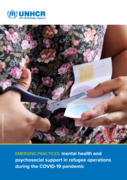
This document presents a brief overview of how UNHCR adapts its activities for mental health and psychosocial support (MHPSS) to the changing context of the pandemic. Staff of UNHCR and partners, in country offices in all regions of the world, have developed innovative field practices to continue pr
...
oviding essential MHPSS services to refugees. The examples in this document are testimony to the commitment and creativity of our staff and can serve as inspiration and encouragement for others to continue integrating MHPSS in the humanitarian work during and after the COVID-19 pandemic.
more

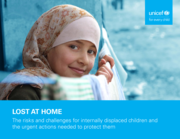
Today, more children than ever before are displaced within their own countries. Their harrowing stories of displacement are unfolding every day, and with increasing frequency. At the end of 2019, approximately 45.7 million people were internally displaced by conflict and violence (Fig. 1.1). Nearly
...
half – 19 million – were estimated to be children. And millions more are displaced every year by natural disasters.
more

Quick Tips on COVID-19 and Migrant, Refugee and Internally Displaced Children (Children on the Move)
This document will be continuously updated. Version as of April 27th, 2020
Migrant and displaced children are at heightened risk to the immediate and secondary impacts of COVID-19. They often live in cramped conditions with limited access to water, sanitation, and hygiene (WASH), may be in immig
...
ration detention or “left behind,” live with disabilities, unaccompanied or separated from their families, and can be hardest to reach with accurate information in a language they understand. Migrant workers and refugees can live in the most disadvantaged urban areas, where access to essential services is already limited. Refugee and migrant children may also be prevented from accessing essential services due to legal, documentation, linguistic or safety barriers. Further, the misinformation on the spread of COVID-19 exacerbates the xenophobia and discrimination that migrant and displaced children and their families already face.
more

In March 2020 the IASC Reference Group on Mental Health and Psychosocial Support uniting 57 humanitarian organizations as member issued the Interim Briefing Note Addressing Mental Health and Psychosocial Aspects of COVID-19 Outbreak. This document has proven to be very useful in the response and has
...
till now been translated in 24 languages. It covers a set of recommended activities as well as messages for different target groups.
The current document is an annex to the Interim Briefing Note and is meant to support the MHPSS operational response within the various sectors of humanitarian work. Approaches and interventions to MHPSS are not confined to one sector, but need to be integrated within many existing sectors and clusters.This document contains a wealth of operational information and practical approaches that can be used for humanitarian programming in health, SGBV, community-based protection, nutrition, camp management and camp coordination.
more
7 June 2020 Version 1
Women in Myanmar have traditionally been underrepresented in public decision-making processes, a trend which is continuing in structures established to respond to COVID-19. This means that even as women are disproportionately affected by the crisis, they have less say in how t
...
heir communities and country respond to it, increasing the risk of a COVID-19 response that does not adequately address the needs and priorities of the most vulnerable women and girls.
more

We will soon be piloting a project titled “Integrating Spirituality into Patient Care” that will form “spiritual care teams” to assess and address patients’ spiritual needs in physician outpatient practices within Adventist Health System, the largest Protestant healthcare system
...
in the United States.This paper describes the goals, the rationale, and the structure of the spiritual care teams that will soon be implemented, and discusses the barriers to providing spiritual care that health professionals are likely to encounter.Spiritual care teams may operate in an outpatient or an inpatient setting, and their purpose is to provide health professionals with resources necessary to practice whole person healthcare that includes spiritual care.We believe that this project will serve as a model forfaith-based health systems seeking to visibly demonstrate their mission in a way that makes them unique and expresses their values.Not only does this model have the potential to be cost-effective, but also the capacity to increase the quality of patient care and the satisfaction that health professionals derive from providing care.If successful, this model could spread beyond faith-based systems to secular systems as well both in the U.S. and worldwide.
more
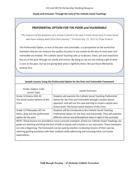
CCC and OECTA Partnership Teaching Resource
Equity and Inclusion: Through the Lens of the Catholic Social Teachings
accessed on 16 July 2020
According to the International Science Council, the report focuses on identifying the scope of hazards that should be considered in risk reduction efforts, and provides scientifically robust and internationally agreed definitions of these hazards.
23 Dec 2020. The aim of this document is to provide an update on the knowledge surrounding the role of children in the transmission of SARS-CoV-2 and the role of schools in the COVID-19 pandemic, based on the experience in the EU from August–December, 2020. This document also addresses transmissio
...
n to and from staff in school settings, school-related mitigation measures including risk communication, testing, contact tracing and the efficacy of partial and full school closures. This document draws upon and updates evidence presented in the previous report from ECDC on this topic, which was published on August 6, 2020
more

