
Filter
1848
Text search:
disability
and
poverty
Featured
129
447
Language
1792
49
45
27
27
13
13
6
4
4
4
3
3
2
2
2
2
2
2
2
2
2
2
1
1
1
1
1
1
1
1
1
1
1
1
1
1
1
1
Document type
1146
347
145
86
81
14
11
10
3
2
2
1
Countries
99
93
60
49
41
40
40
40
39
35
34
31
31
30
26
26
23
23
22
20
20
20
19
18
17
16
16
15
14
12
10
10
9
8
8
8
8
7
7
7
7
7
6
6
6
6
6
5
5
5
5
5
5
5
5
5
4
4
4
4
3
3
3
3
3
3
3
3
3
2
2
2
2
2
2
2
2
2
2
1
1
1
1
1
1
1
1
1
1
1
1
1
1
1
1
1
1
1
1
1
1
1
1
1
1
1
1
1
1
1
1
Authors & Publishers
170
70
56
53
43
38
34
30
24
23
20
20
20
18
16
16
16
13
13
12
11
9
9
9
9
9
8
8
8
7
7
7
7
7
7
7
7
6
6
6
6
6
6
6
5
5
5
5
5
5
5
5
5
4
4
4
4
4
4
4
4
4
4
4
4
4
4
4
4
4
4
4
4
4
4
4
4
4
4
4
3
3
3
3
3
3
3
3
3
3
3
3
3
3
3
3
3
3
3
3
3
3
3
3
3
3
3
3
3
3
3
3
2
2
2
2
2
2
2
2
2
2
2
2
2
2
2
2
2
2
2
2
2
2
2
2
2
2
2
2
2
2
2
2
2
2
2
2
2
2
2
2
2
2
2
2
2
2
2
2
2
2
2
2
2
2
2
2
2
2
2
2
2
2
2
2
2
2
2
2
2
2
2
2
2
2
2
2
2
2
2
2
2
2
2
2
2
2
2
2
2
2
2
2
2
2
2
2
2
2
2
2
2
2
2
2
2
2
2
2
2
2
2
2
2
2
2
2
2
2
2
2
2
1
1
1
1
1
1
1
1
1
1
1
1
1
1
1
1
1
1
1
1
1
1
1
1
1
1
1
1
1
1
1
1
1
1
1
1
1
1
1
1
1
1
1
1
1
1
1
1
1
1
1
1
1
1
1
1
1
1
1
1
1
1
1
1
1
1
1
1
1
1
1
1
1
1
1
1
1
1
1
1
1
1
1
1
1
1
1
1
1
1
1
1
1
1
1
1
1
1
1
1
1
1
1
1
1
1
1
1
1
1
1
1
1
1
1
1
1
1
1
1
1
1
1
1
1
1
1
1
1
1
1
1
1
1
1
1
1
1
1
1
1
1
1
1
1
1
1
1
1
1
1
1
1
1
1
1
1
1
1
1
1
1
1
1
1
1
1
1
1
1
1
1
1
1
1
1
1
1
1
1
1
1
1
1
1
1
1
1
1
1
1
1
1
1
1
1
1
1
1
1
1
1
1
1
1
1
1
1
1
1
1
1
1
1
1
1
1
1
1
1
1
1
1
1
1
1
1
1
1
1
1
1
1
1
1
1
1
1
1
1
1
1
1
1
1
1
1
1
1
1
1
1
1
1
1
1
1
1
1
1
1
1
1
1
1
1
1
1
1
1
1
1
1
1
1
1
1
1
1
1
1
1
1
1
1
1
1
1
1
1
1
1
1
1
1
1
1
1
1
1
1
1
1
1
1
1
1
1
1
1
1
1
1
1
1
1
1
1
1
1
1
1
1
1
1
1
1
1
1
1
1
1
1
1
1
1
1
1
1
1
1
1
1
1
1
1
1
1
1
1
1
1
1
1
1
1
1
1
1
1
1
1
1
1
1
1
1
1
1
1
1
1
1
1
1
1
1
1
1
1
1
1
1
1
1
1
1
1
1
1
1
1
1
1
1
1
1
1
1
1
1
1
1
1
1
1
1
1
1
1
1
1
1
1
1
1
1
1
1
1
1
1
1
1
1
1
1
1
1
1
1
1
1
1
1
1
1
1
1
1
1
1
1
1
1
1
1
1
1
1
1
1
1
1
1
1
1
1
1
1
1
1
1
1
1
1
1
1
1
1
1
1
1
1
1
1
1
1
1
1
1
1
1
1
1
1
1
1
1
1
1
1
1
1
1
1
1
1
1
1
1
1
1
1
1
1
1
1
1
1
1
1
1
1
1
1
1
1
1
1
1
1
1
1
1
1
1
1
1
1
1
1
1
1
1
1
1
1
1
1
1
1
1
1
1
1
1
1
1
1
1
1
1
1
1
1
1
1
1
1
1
1
1
1
1
1
1
1
1
1
1
1
1
1
1
1
1
1
1
1
1
1
1
1
1
1
1
1
1
1
1
1
1
1
1
1
1
1
1
1
1
1
1
1
1
1
1
1
1
1
1
1
1
1
1
1
1
1
1
1
1
1
1
1
1
1
1
1
1
1
1
1
1
1
1
1
1
1
1
1
1
1
1
1
1
1
1
1
1
1
1
1
1
1
1
1
1
1
1
1
1
1
1
1
1
1
1
1
1
1
1
1
1
1
1
1
1
1
1
1
1
1
1
1
1
1
1
1
1
1
1
1
1
1
1
1
1
1
1
1
1
1
1
1
1
1
1
1
1
1
1
1
1
1
1
1
1
1
1
1
1
1
1
1
1
1
1
1
1
1
1
1
1
1
1
1
1
1
1
1
1
1
1
1
1
1
1
1
1
1
1
1
1
1
1
1
1
1
1
1
1
1
1
1
1
1
1
1
1
1
1
1
1
1
1
1
1
1
1
1
1
1
1
1
1
1
1
1
1
1
1
1
1
1
1
1
1
1
1
1
1
1
1
1
1
1
1
1
1
1
1
1
1
1
1
1
1
1
1
1
1
1
1
1
1
1
1
1
1
1
1
1
1
1
1
1
1
1
1
1
1
1
1
1
1
1
1
1
1
1
1
1
1
1
1
1
1
1
1
1
1
1
1
1
1
1
1
1
1
1
1
1
1
1
1
1
1
1
1
1
1
1
1
1
1
1
1
1
1
1
1
1
1
1
1
1
1
1
1
1
1
1
1
1
1
1
1
1
1
1
1
1
1
1
1
1
1
1
1
1
1
1
1
1
1
1
1
1
1
1
1
1
1
1
1
1
1
1
1
1
1
1
1
1
1
1
1
1
1
1
1
1
1
1
1
1
1
1
1
1
1
1
1
1
1
1
1
1
1
1
1
1
1
1
1
1
1
1
1
1
1
1
1
1
1
1
1
1
1
1
1
1
1
1
1
1
1
1
1
1
1
1
1
1
1
1
1
1
1
1
1
1
1
1
1
1
1
1
1
1
1
1
1
1
1
1
1
1
1
1
1
1
1
1
1
1
1
1
1
1
1
1
1
1
1
1
1
1
1
1
1
1
1
1
1
1
1
1
1
1
1
1
1
1
1
1
1
1
1
1
1
1
1
1
1
1
1
1
1
1
1
1
1
1
1
1
1
1
1
1
1
1
1
1
1
1
1
1
1
1
1
1
1
1
1
1
1
1
1
1
1
1
1
1
1
1
1
1
1
1
1
1
1
1
1
1
1
1
1
1
1
1
1
1
1
1
1
1
1
1
1
1
1
1
1
1
1
1
1
1
1
1
1
1
1
1
1
1
1
1
1
1
1
1
1
1
1
1
1
1
1
1
1
1
1
1
1
1
1
1
1
1
1
1
1
1
1
1
1
1
1
1
1
1
1
1
1
1
1
1
1
1
1
1
1
1
1
1
1
1
1
1
1
1
1
1
1
1
1
1
1
1
1
1
1
1
1
1
1
1
1
1
1
1
1
1
1
1
1
1
1
1
1
1
1
1
1
1
1
1
1
1
1
1
1
1
1
1
1
1
1
1
1
1
1
1
1
1
1
1
1
1
1
1
1
1
1
1
1
1
1
1
1
1
1
1
1
1
1
1
1
1
1
1
1
1
1
1
1
1
1
1
1
1
1
1
1
1
1
1
1
1
1
1
1
1
1
1
1
1
1
1
1
1
1
1
1
1
1
1
1
1
1
1
1
1
1
1
1
1
1
1
1
1
1
1
1
1
1
1
1
1
1
1
1
1
1
1
1
1
1
1
1
1
1
1
1
1
1
1
1
1
1
1
1
1
1
1
1
1
1
1
1
1
1
1
1
1
1
1
1
1
1
1
1
1
1
1
1
1
1
1
1
1
1
1
1
1
1
1
1
1
1
1
1
1
1
1
1
1
1
1
1
1
1
1
1
1
1
1
1
1
1
1
1
1
1
1
1
1
1
1
1
1
1
1
1
1
1
1
1
1
1
1
1
1
1
1
1
1
1
1
1
1
1
1
1
1
Publication Years
465
1188
193
2
Category
756
127
106
79
70
22
3
1
Toolboxes
349
228
87
86
69
63
54
50
37
36
24
23
22
17
13
9
8
8
5
5
4
4
4
2
Analysis on World about Agriculture, Food and Nutrition and more; published on 23 Sep 2021 by ECA, ECLAC and 3 other organizations
This report documents the secondary humanitarian problems and impacts of large-scale Ebola outbreak on the different humanitarian sectors, to provide a non-exhaustive plan to help future responders. A large scale Ebola outbreak, in this document, re
...
fers to an epidemic with an unprecedented scale, geographical spread and duration.
more

Guidance on TB and TB/HIV prevention, diagnosis, treatment and care in the workplace

The report aims to help policy-makers and programme managers identify the areas that need attention and to work towards effective implementation and
...
enforcement of policies and legislations. The need for alcohol policy-specific infrastructures to support the alcohol policy process, including designated responsible agency, policy and strategy, and law and regulation, is also required at the country level.
The report is presented in three sections. Section 1 gives an insight to the alcohol consumption situation in the WHO South-East Asia Region and cites the alcohol-related problems that the Region is facing. Section 2 illustrates the policy situation in the 10 areas of national action identified in the Global Strategy to Reduce the Harmful Use of Alcohol and gives specific recommendations pertaining to these areas. Section 3 provides overall recommendations. more
The report is presented in three sections. Section 1 gives an insight to the alcohol consumption situation in the WHO South-East Asia Region and cites the alcohol-related problems that the Region is facing. Section 2 illustrates the policy situation in the 10 areas of national action identified in the Global Strategy to Reduce the Harmful Use of Alcohol and gives specific recommendations pertaining to these areas. Section 3 provides overall recommendations. more

Curricular Modules for Lecturers and Teachers.
The 2nd edition of the Global Public Health Curriculum has been published in the South Eastern European Journal of Public Health, end of 2016 as a special volume . The curriculum targets the postgradua
...
te education and training of public health professionals including their continued professional development (CPD). However, specific competences for the curricular modules remained to be identified in a more systematic approach
more

Children & neurodevelopmental behavioural intellectual disorders
World Health Organization
(2011)
C_WHO
Children's Health and the Environment WHO Training Package for the Health Sector World Health Organization

Some 32% of internally displaced persons (IDPs) in Ukraine suffer from post-traumatic stress disorder (PTSD) as a result of the conflict in the east.
Among the 2,203 respondents surveyed across Ukraine, the study also found a high prevalence of mental disorders such as depression (22%)
...
and anxiety (17%), particularly among women. This has a significant effect on family and community relations, the ability to work or even do basic tasks such as walking.
Moreover, the study noted that 74% of respondents in need of psychiatric care do not receive it, mainly due to a high cost of mental healthcare and medicine.
more

Immunization is one of the most cost-effective public health interventions to date, saving an estimated 2 to 3 million lives each year. As a direct result of immunization, the world is closer than ever to eradicating polio, and deaths from measles â
...
€“ a major child killer – have declined by 73 per cent worldwide between 2000 and 2018, saving an estimated 23.2 million children’s lives. The emergence of COVID-19, however, threatens to reverse this progress by severely limiting access to life-saving vaccines.
more
The European Commission against Racism and Intolerance (ECRI) was established by the Council of Europe. It is an independent body which ensures respect for human rights in the fight against racism, discrimination (based on "race", ethnic/national or
...
igin, colour, nationality, religion, language, sexual orientation and gender identity), xenophobia, anti-Semitism and intolerance. The members of the Commission shall be independent and impartial. They shall be appointed on the basis of their moral authority and recognised expertise in matters of racism, xenophobia, anti-Semitism and intolerance. As part of its statutory mandate, ECRI produces country reports for each country which analyse the situation regarding racism and intolerance in each member State of the Council of Europe and make proposals to resolve the problems identified.
Translated with www.DeepL.com/Translator (free version)
more
Information for policy-makers and planners on conducting deworming as part of an integrated
school health program
New displacements by conflict and disasters in 2020

The World Health Organization (WHO) and the global community of countries, partners, donors, technical experts, scientists and field implementation teams continue to work towards the ultimate goal o
...
f a world free of the burden of neglected tropical diseases (NTDs).
more
Chromoblastomycosis (CMB) is a chronic fungal infection of the skin and the subcutaneous tissue caused by a transcutaneous traumatic inoculation of a specific group of dematiaceous fungi occurring mainly in tropical
...
and subtropical zones worldwide. If not diagnosed at early stages, patients with CBM require long term therapy with systemic antifungals, sometimes associated with physical methods. Unlike other neglected endemic mycoses, comparative clinical trials have not been performed for this disease. Nowadays, therapy is based on a few open trials and on expert opinion. Itraconazole either as monotherapy or associated with other drugs, or with physical methods, is widely used. Recently, photodynamic therapy has been successfully employed in combination with antifungals in patients presenting with CBM. In the present revision the most used therapeutic options against CBM are reviewed as well as the several factors that may have impact on the patient's outcome.
more
A book of rehabilitation menus from 23 countries developed by World Vision staff and the communities they work in, using locally available, low-cost, nutrient-dense ingredients. Many times, you will find included in the recipes neglected underutilis
...
ed indigenous foods that are contextual to the area. The menus included in this book were successfully used in a food-based rehabilitation and behaviour change approach called, "Positive Deviance/Hearth (PDH)" programme to rehabilitate undernourished children and prevent malnutrition within the communities where they were designed.
more

A National Service Programme for All Children with Special Needs and their Families
In Myanmar, we estimate that at least 40% of children require ECI services for short to longer periods of time. At present, 35.1% of Myanmar children are moderate ... ly to severely stunted; all of these children are likely to have one or more developmental delays. In addition, at least 5% to 12% of the nation’s children will be identified to have disabilities, chronic diseases or atypical behaviours.
Over time, approximately 70% of the children who will be served will improve in their development, attain expected levels of development for their age, and will consolidate their gains within one to two years. Other children, approximately 30%, will have lifelong disabilities or other conditions, and ECI services usually greatly improve their development and help them to achieve their full potential. more
In Myanmar, we estimate that at least 40% of children require ECI services for short to longer periods of time. At present, 35.1% of Myanmar children are moderate ... ly to severely stunted; all of these children are likely to have one or more developmental delays. In addition, at least 5% to 12% of the nation’s children will be identified to have disabilities, chronic diseases or atypical behaviours.
Over time, approximately 70% of the children who will be served will improve in their development, attain expected levels of development for their age, and will consolidate their gains within one to two years. Other children, approximately 30%, will have lifelong disabilities or other conditions, and ECI services usually greatly improve their development and help them to achieve their full potential. more

Developmental Disabilities
Institute of Medicine (US); Committee on Nervous System Disorders in Developing Countries; National Academy of Sciences
(2001)
C2
Neurological, Psychiatric, and Developmental Disorders: Meeting the Challenge in the Developing World
Institute of Medicine (US) Committee on Nervous System Disorders in Developing Countries.
Washington (DC): National Academies Press (US); 2001.
...
more
What school closures under COVID-19 mean for children and young people in
crisis-affected contexts
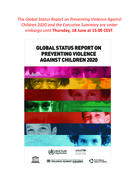
As this report shows,
reports of child abuse and of children
witnessing violence between their
parents and caregivers have increased.
Ending violence against children is
increasingly within our
...
reach. D
more
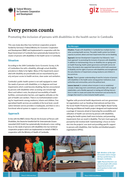
In many countries, people with disabilities still face multiple barriers when accesing health services. This case study details the challenges encountered on the way, the lessons drawn from it and achievements to date. You could also download a long
...
version: http://health.bmz.de/good-practices/GHPC/Every_person_counts/Every_person_counts_long_ENG.pdf
more
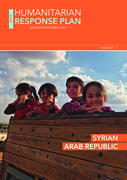
The 2019 Humanitarian Response Plan (HRP) sets out the framework within which the humanitarian community will respond to the large-scale humanitarian and protection needs in Syria throughout 2019, on the basis of the prioritization undertaken across
...
and within sectors. The HRP, based on United Nations’ assessments and analysis, also presents urgent funding requirements to address these needs. It is anchored by three strategic objectives: saving lives and alleviating suffering, enhancing protection, and increasing resilience. These objectives are interlinked and achieving positive outcomes for affected people requires concerted action across all three.
more
