
Filter
1451
Text search:
WHO
South
East
Asia
Regional
Office
Featured
Recommendations
149
New Publications
367
Language
Document type
No document type
698
Studies & Reports
341
Guidelines
202
Manuals
80
Strategic & Response Plan
62
Fact sheets
18
Training Material
17
Situation Updates
16
Resource Platforms
9
Infographics
4
Brochures
2
Online Courses
2
Countries / Regions
Global
103
South–East Asia Region
70
India
65
Myanmar / Burma
50
Asia
46
Nepal
44
Bangladesh
27
Western and Central Europe
25
Indonesia
21
Africa
21
Philippines
20
Cambodia
16
Ethiopia
14
Uganda
13
Thailand
13
Western Pacific Region
12
Syria
11
Kenya
11
Tanzania
11
Pakistan
9
Middle East and North Africa
9
Eastern Europe
9
Afghanistan
8
South Africa
8
Ukraine
7
Sri Lanka
7
Yemen
7
Laos
7
Liberia
6
Nigeria
6
Haiti
6
South Sudan
6
Zambia
6
Rwanda
6
Sierra Leone
5
Congo, Democratic Republic of
5
Ghana
5
East and Southern Africa
5
West and Central Africa
5
Latin America and the Carribbean
5
Venezuela
5
Russia
5
Vietnam
5
Somalia
4
China
4
Malawi
4
Mozambique
4
Sudan
4
Central African Republic
4
Timor Leste/ East Timor
4
Moldova
4
Senegal
3
Zimbabwe
3
Jordan
3
Lebanon
3
North Macedonia
3
Eastern Europe and Central Asia
3
Iran
3
Georgia
3
Guinea
2
Burkina Faso
2
Turkey
2
Malaysia
2
Papua New Guinea
2
Eswatini/ Swaziland
2
Mexico
2
Palestine
2
Albania
2
Kazakhstan
2
Belarus
2
Bosnia and Herzegovina
2
Morocco
1
USA
1
Saudi Arabia
1
Cameroon
1
Niger
1
Iraq
1
Egypt
1
Singapore
1
Argentina
1
Namibia
1
Peru
1
Brazil
1
Hungary
1
Croatia
1
Colombia
1
Ecuador
1
Greece
1
Madagascar
1
Lesotho
1
Other region
1
Paraguay
1
Bhutan
1
Poland
1
North Korea
1
Djibouti
1
Armenia
1
Mongolia
1
Tajikistan
1
Qatar
1
Romania
1
Kyrgyzstan
1
Gabon
1
Turkmenistan
1
Japan
1
Belgium
1
Maldives
1
Tunisia
1
Authors & Publishers
Publication Years
Category
Countries
347
Clinical Guidelines
152
Key Resources
108
Public Health
104
Women & Child Health
101
Capacity Building
25
Pharmacy & Technologies
18
Toolboxes
HIV
158
Mental Health
123
COVID-19
105
Planetary Health
90
TB
71
NTDs
63
Disability
51
AMR
49
Global Health Education
47
Refugee
42
Rapid Response
37
Natural Hazards
35
Caregiver
33
NCDs
28
Health Financing Toolbox
27
2.0 Rapid Response
24
Conflict
23
Malaria
23
Pharmacy
16
Zika
15
Cholera
11
Ebola & Marburg
10
Specific Hazards
7
Polio
6
Typhoon
3
Social Ethics
1
Most African Countries Avoid Major Economic Loss but Impact on Guinea, Liberia, Sierra Leone Remains Crippling

This provisional Facilitator's Kit provides a complete framework for a 3-day training on Community Preparedness for Reproductive Health and Gender. The goal is to build community capacity to prepare and respond to risks and inequities faced by women and girls during emergencies.
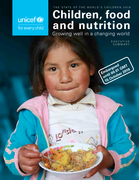
This 2019 edition of The State of the World’s Children (SOWC) examines the issue of children, food and nutrition, providing a fresh perspective on a rapidly evolving challenge. Despite progress in the past two decades, one third of children under age 5 are malnourished – stunted, wasted or overw
...

In the present report, the Special Rapporteur on the sale and sexual exploitation of children, including child prostitution, child pornography and other child sexual abuse material, Mama Fatima Singhateh, focuses on the impact of the coronavirus disease (COVID-19) p
...


Why a 4°C warmer world must be avoided

The International Rescue Committee (IRC) is a leading humanitarian agency dedicated to helping people whose lives have been shattered by conflict and disaster to survive, recover, and gain control of their future. Health comprises nearly half of IRC’s program portfolio globally and encompasses thr
...
With the increase in frequency of disasters, there is a need to improve early warning systems (EWS) for EA to reduce the risks faced by children and their families. As a consequence, the term early warning, early action (EWEA) has become increasingly common among those responding to slow-onset disas
...


Constraints, Technologies, Policies and Processes

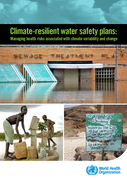
Long-term planning for an adequate and safe supply of drinking-water should be set in the context of growing external uncertainties arising from changes in the climate and environment. The water safety plan (WSP) process offers a systematic framework to manage these risks by considering the implica
...

Public Health Factsheet
Accessed: 29.09.2019
