
Filter
666
Text search:
rights-based
approaches
Featured
76
178
Language
Document type
388
94
66
47
46
12
6
3
1
1
Countries
41
26
21
17
16
15
14
13
11
11
10
9
9
9
8
8
7
7
7
6
6
6
5
5
5
5
5
5
4
4
4
4
4
4
3
3
3
3
3
3
2
2
2
2
2
2
2
2
2
2
1
1
1
1
1
1
1
1
1
1
1
1
1
1
1
1
1
1
1
1
1
1
1
1
1
1
1
1
1
1
1
Authors & Publishers
Publication Years
Category
205
62
62
37
21
14
1
Toolboxes
106
80
61
31
29
22
21
19
18
11
10
6
5
5
5
5
3
2
2
2
2
2
1
very woman has the right to the highest attainable standard of health, which includes the right to dignified, respectful health care.
Many women experience disrespectful and abusive treatment during childbirth in facilities worldwide. Such treatment not only violates the rights of women to respectf
...

The overall objective of the framework is to support WHO and Members States in meaningful engagement of people living with NCDs, and mental health and neurological conditions to co-create and enhance related policies, programmes and services. This framework will contribute to advancing understanding
...

This integrated operational framework provides an overview of the connections between mental health, neurological and substance use (MNS) conditions, and their links to health, well-being and the broader public health and sustainable development agenda. The need for integrated
...
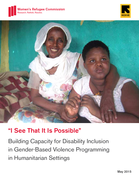
Women and girls with mental and intellectual disabilities were perceived to be most at risk of sexual violence, and family and service providers may only become aware of sexual violence against them when they become pregnant.
Discrimination by GBV service providers, family and community members was
...
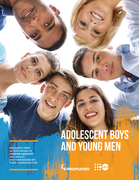
This study of Adolescent Boys and Young Men highlights the importance of engaging adolescent boys and young men in sexual and reproductive health and rights (srhr) and gender equality. This paper establishes a conceptual framework for engaging adolescent boys and young men. It reviews current resea
...

Disabled children: a legal handbook is an authoritative yet accessible guide to the legal rights of disabled children and their families in England and Wales. The handbook aims to empower disabled children and their families through a greater understanding of their rights and entitlements. It is es
...

The study analyses the current situation of children with disabilities in relation to realizing their rights and accessing basic services, as well as their life experiences in their communities. It also focuses on identifying the barriers created by society that prevent children with disabilities fr
...

This report reviews the latest evidence on what works to reduce HIV-related stigma and discrimination through key programmes to reduce stigma and discrimination and increase access to justice in the six settings of focus for the Global Partnership. It includes guidance for national governments and k
...

The purpose of the toolkit is to bring together existing learning and guidance as a starting point for stakeholders to begin SRH preparedness work. Within the SRH sector the field of preparedness is relatively new and growing. More collective effort is required to further evaluate the impact of prep
...
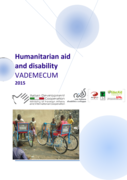
VADEMECUM | This Vademecum is intended to provide a benchmark for aid workers—whether working in the field or at a strategic level—in particular concerning the formulation and implementation of programmes of prevention or response to humanitarian crises. It is not solely a theoretical document b
...

he WHO global disability action plan 2014-2021 is a significant step towards achieving health and well-being and human rights for people with disabilities. The action plan was endorsed by WHO Member States in 2014 and calls for them to remove barriers and improve access to health services and progra
...
This study examines over 20 years of CBR implementation in Nepal. It includes an overview of CBR interventions, provides analysis of approaches and activities in terms of impact and sustainability and makes recommendations for future developments in
...
For close to 15 years, the Monitor has tracked the impact of victim assistance on the lives of victims of landmines, cluster munitions,
and other explosive remnants of war (hereafter “mine/ERW victims”). Over this time, the international communi
...
This report is dedicated to the struggle of LGBTQ+ people, activists, and
their allies in the push for decriminalization, equity, advancement of
human rights, and against regressive criminalization, persecution, violence, and
harassment.

National strategy on the management of disaster and climate induced internal displacement (NSMDCIID)
This strategy has been developed with a view to managing climate-induced internal displacement (CIID) in a comprehensive and rights-based manner. It is part of the action plan for the Government of
...

The State of the World’s Children 2013: Children with Disabilities examines the barriers – from inaccessible buildings to dismissive attitudes, from invisibility in official statistics to vicious discrimination – that deprive children with disabilities of their rights and keep them from partic
...
This Plan envisions a future with the elimination of cervical cancer as a public health problem as a result of universal access to sexual health and STI prevention services, HPV vaccines, effective screening and precancer treatment services, treatment of invasive cervical cancer, and palliative care
...

These guidelines provide new and updated recommendations on the use of point-of-care testing in children under 18 months of age and point-of-care tests to monitor treatment in people living with HIV; the treatment monitoring algorithm; and timing of antiretroviral therapy (ART) among people living w
...

July 2021. This publication brings together important clinical and programmatic updates produced by WHO since 2016 and provides comprehensive, evidence-informed recommendations and good practice statements within a public health, rights-
...

This report includes analysis from informal regional consultations in the African Region, the Caribbean and North America, Latin America, South-East Asia Region, European Region, Eastern Mediterranean Region, alongside three forums in the Western Pacific Region. It analyses the overarching similarit
...
