
Filter
1722
Text search:
Diarrhoea
Treatment
Featured
230
633
Language
Document type
1007
263
183
92
58
46
38
14
8
8
5
Countries
156
70
60
53
51
50
49
49
42
42
39
35
32
31
30
29
21
21
20
19
17
16
16
15
14
13
13
10
10
9
9
8
8
7
7
6
6
6
6
4
4
4
4
4
4
4
3
3
3
2
2
2
2
2
2
2
2
2
2
2
2
2
2
2
1
1
1
1
1
1
1
1
1
1
1
1
1
1
1
1
1
1
1
1
1
1
1
1
1
1
1
Authors & Publishers
Publication Years
Category
815
188
171
126
81
59
8
Toolboxes
107
77
67
64
57
44
43
42
42
40
28
28
27
26
25
23
22
21
17
10
10
4
4
3
3
1
1



A paper presented at the 10th International Congress on Infectious Disease, Singapore
J Nepal Health Res Counc 2012 May;10(21):82-87
Joint WHO/ILO guidelines on post-exposure prophylaxis (PEP) to prevent HIV infection.
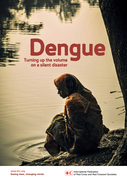
Over the past 50 years, dengue has spread from nine to over a hundred countries, making it the most rapidly spreading vector-borne disease. Yet, dengue continues to have a low profile among policy-makers and donors and does not receive the media attention it deserves. While there is no vaccine or cu
...
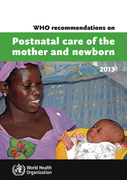
The guidelines address timing, number and place of postnatal contacts, and content of postnatal care for all mothers and babies during the six weeks after birth. The primary audience for these guidelines is health professionals who are responsible for providing postnatal care to women and newborns,
...

WHO GUIDELINES REVIEW COMMITTEE
La respuesta a los brotes de cólera suele centrarse en los aspectos médicos que son importantes para que disminuya la mortalidad. Sin embargo, para limitar la propagación de la enfermedad se necesita una respuesta más integral. Dado que la respuesta a los brotes a menudo la dirigen profesionales
...
A resposta a um surto de cólera focaliza geralmente os aspectos médicos que são importantes para reduzir a mortalidade. Contudo, há necessidade de uma resposta mais abrangente para limitar a propagação da doença. Como a resposta a surtos é geralmente dirigida por profi ssionais médicos, pod
...
The Compendium brings together for the first time key consensus-based policy recommendations and guidance to improve the delivery of proven interventions to women and children. The user-friendly format incorporates icons and tabs to present key health-related policies that support the delivery of es
...

Accessed July 2014.
This document provides a summary of infection control recommendations when providing direct and non-direct care to patients with suspected or confirmed Filovirus haemorrhagic fever (HF), including Ebola or Marburg haemorrhagic fevers. These recommendations are interim and will be updated when additi
...
