
Filter
1689
Text search:
process
of
acceptance
Featured
141
427
Language
1661
38
35
20
18
14
10
10
6
6
6
5
5
4
4
4
4
3
3
3
3
3
3
2
2
2
2
2
2
2
2
1
1
1
1
1
1
1
1
1
1
1
1
1
1
1
Document type
959
254
199
129
62
39
19
12
5
4
3
2
1
Countries
70
67
43
39
39
38
34
33
32
28
28
28
28
25
25
25
24
23
17
16
14
14
13
13
13
13
12
12
9
9
9
9
8
7
7
7
7
6
6
6
6
5
5
5
5
4
4
4
4
4
4
4
3
3
3
3
3
3
3
2
2
2
2
2
2
2
2
2
2
2
1
1
1
1
1
1
1
1
1
1
1
1
1
1
1
1
1
1
1
1
1
1
1
1
1
1
1
1
1
1
1
Authors & Publishers
201
55
53
33
30
30
29
22
16
14
14
13
12
12
12
12
11
10
10
10
9
9
9
8
8
8
8
7
7
7
7
7
7
6
6
6
6
6
6
6
6
6
6
5
5
5
5
5
5
5
5
5
4
4
4
4
4
4
4
4
4
4
4
4
4
4
4
4
4
4
4
4
4
4
3
3
3
3
3
3
3
3
3
3
3
3
3
3
3
3
3
3
3
3
3
3
3
3
3
3
3
3
3
3
3
3
3
3
2
2
2
2
2
2
2
2
2
2
2
2
2
2
2
2
2
2
2
2
2
2
2
2
2
2
2
2
2
2
2
2
2
2
2
2
2
2
2
2
2
2
2
2
2
2
2
2
2
2
2
2
2
2
2
2
2
2
2
2
2
2
2
2
2
2
2
2
2
2
2
2
2
2
2
2
2
2
2
2
2
2
2
2
2
2
2
2
2
2
2
2
2
2
2
2
1
1
1
1
1
1
1
1
1
1
1
1
1
1
1
1
1
1
1
1
1
1
1
1
1
1
1
1
1
1
1
1
1
1
1
1
1
1
1
1
1
1
1
1
1
1
1
1
1
1
1
1
1
1
1
1
1
1
1
1
1
1
1
1
1
1
1
1
1
1
1
1
1
1
1
1
1
1
1
1
1
1
1
1
1
1
1
1
1
1
1
1
1
1
1
1
1
1
1
1
1
1
1
1
1
1
1
1
1
1
1
1
1
1
1
1
1
1
1
1
1
1
1
1
1
1
1
1
1
1
1
1
1
1
1
1
1
1
1
1
1
1
1
1
1
1
1
1
1
1
1
1
1
1
1
1
1
1
1
1
1
1
1
1
1
1
1
1
1
1
1
1
1
1
1
1
1
1
1
1
1
1
1
1
1
1
1
1
1
1
1
1
1
1
1
1
1
1
1
1
1
1
1
1
1
1
1
1
1
1
1
1
1
1
1
1
1
1
1
1
1
1
1
1
1
1
1
1
1
1
1
1
1
1
1
1
1
1
1
1
1
1
1
1
1
1
1
1
1
1
1
1
1
1
1
1
1
1
1
1
1
1
1
1
1
1
1
1
1
1
1
1
1
1
1
1
1
1
1
1
1
1
1
1
1
1
1
1
1
1
1
1
1
1
1
1
1
1
1
1
1
1
1
1
1
1
1
1
1
1
1
1
1
1
1
1
1
1
1
1
1
1
1
1
1
1
1
1
1
1
1
1
1
1
1
1
1
1
1
1
1
1
1
1
1
1
1
1
1
1
1
1
1
1
1
1
1
1
1
1
1
1
1
1
1
1
1
1
1
1
1
1
1
1
1
1
1
1
1
1
1
1
1
1
1
1
1
1
1
1
1
1
1
1
1
1
1
1
1
1
1
1
1
1
1
1
1
1
1
1
1
1
1
1
1
1
1
1
1
1
1
1
1
1
1
1
1
1
1
1
1
1
1
1
1
1
1
1
1
1
1
1
1
1
1
1
1
1
1
1
1
1
1
1
1
1
1
1
1
1
1
1
1
1
1
1
1
1
1
1
1
1
1
1
1
1
1
1
1
1
1
1
1
1
1
1
1
1
1
1
1
1
1
1
1
1
1
1
1
1
1
1
1
1
1
1
1
1
1
1
1
1
1
1
1
1
1
1
1
1
1
1
1
1
1
1
1
1
1
1
1
1
1
1
1
1
1
1
1
1
1
1
1
1
1
1
1
1
1
1
1
1
1
1
1
1
1
1
1
1
1
1
1
1
1
1
1
1
1
1
1
1
1
1
1
1
1
1
1
1
1
1
1
1
1
1
1
1
1
1
1
1
1
1
1
1
1
1
1
1
1
1
1
1
1
1
1
1
1
1
1
1
1
1
1
1
1
1
1
1
1
1
1
1
1
1
1
1
1
1
1
1
1
1
1
1
1
1
1
1
1
1
1
1
1
1
1
1
1
1
1
1
1
1
1
1
1
1
1
1
1
1
1
1
1
1
1
1
1
1
1
1
1
1
1
1
1
1
1
1
1
1
1
1
1
1
1
1
1
1
1
1
1
1
1
1
1
1
1
1
1
1
1
1
1
1
1
1
1
1
1
1
1
1
1
1
1
1
1
1
1
1
1
1
1
1
1
1
1
1
1
1
1
1
1
1
1
1
1
1
1
1
1
1
1
1
1
1
1
1
1
1
1
1
1
1
1
1
1
1
1
1
1
1
1
1
1
1
1
1
1
1
1
1
1
1
1
1
1
1
1
1
1
1
1
1
1
1
1
1
1
1
1
1
1
1
1
1
1
1
1
1
1
1
1
1
1
1
1
1
1
1
1
1
1
1
1
1
1
1
1
1
1
1
1
1
1
1
1
1
1
1
1
1
1
1
1
1
1
1
1
1
1
1
1
1
1
1
1
1
1
1
1
1
1
1
1
1
1
1
1
1
1
1
1
1
1
1
1
1
1
1
1
1
1
1
1
1
1
1
1
1
1
1
1
1
1
1
1
1
1
1
1
1
1
1
1
1
1
1
1
1
1
1
1
1
1
1
1
1
1
1
1
1
1
1
1
1
1
1
1
1
1
1
1
1
1
1
1
1
1
1
1
1
1
1
1
1
1
1
1
1
1
1
1
1
1
1
1
1
1
1
1
1
1
1
1
1
1
1
1
1
1
1
1
1
1
1
1
1
1
1
1
1
1
1
1
1
1
1
1
1
1
1
1
1
1
1
1
1
1
1
1
1
1
1
1
1
1
1
1
1
1
1
1
1
1
1
1
1
1
1
1
1
1
1
1
1
1
1
1
1
1
1
1
1
1
1
1
1
1
1
1
1
1
1
1
1
1
1
1
1
1
1
1
1
1
1
1
1
1
1
1
1
1
1
1
1
1
1
1
1
1
1
1
1
1
1
1
1
1
1
1
1
1
1
1
1
1
1
1
1
1
1
1
1
1
1
1
1
1
1
1
1
1
1
1
1
1
1
1
1
1
1
1
1
1
1
1
1
1
1
1
1
1
1
1
1
1
1
1
1
1
1
1
1
1
1
1
1
1
1
1
1
1
1
1
1
1
1
1
1
1
1
1
1
1
1
1
1
1
1
1
1
1
1
1
1
1
1
1
1
1
1
1
1
1
1
1
1
1
1
1
1
1
1
1
1
1
1
1
1
1
1
1
1
1
1
1
1
1
1
1
1
1
1
1
1
1
1
1
1
1
1
1
1
1
1
1
1
1
1
1
1
1
1
1
1
1
1
1
1
1
1
1
1
1
1
1
1
1
1
1
1
1
1
1
1
1
1
1
1
1
1
1
1
1
1
1
1
1
1
1
1
1
1
1
1
1
1
1
1
1
1
1
1
1
1
1
1
1
1
1
1
1
1
1
1
1
1
1
1
1
1
1
1
1
1
1
1
1
1
1
1
1
1
1
1
1
1
1
1
1
1
1
1
1
1
1
1
1
1
1
1
1
1
1
1
1
1
1
1
1
1
1
1
1
1
1
1
1
1
1
1
1
1
1
1
1
1
1
1
1
1
1
1
1
1
1
1
1
1
1
1
1
1
1
1
1
1
1
1
1
1
1
1
1
1
1
1
1
1
1
1
1
1
1
1
1
1
1
1
1
1
1
1
1
1
1
1
1
1
1
1
1
1
1
1
1
1
1
1
1
1
1
1
1
1
1
1
1
1
1
1
1
1
1
1
1
1
1
1
1
1
1
1
1
1
1
1
1
1
1
1
1
1
1
1
1
1
1
1
1
1
1
1
1
1
1
1
1
1
1
1
1
1
1
1
1
1
Publication Years
472
1035
173
9
Category
579
147
108
100
82
51
22
1
Toolboxes
177
128
113
56
55
55
53
48
45
43
41
38
31
28
27
26
23
20
15
15
14
13
8
7
4
2

Multiple pandemics, numerous outbreaks, thousands of lives lost and billions of dollars of national income wiped out—all since the turn
...
of this century, in barely 17 years—and yet the world’s investments in pandemic preparedness and response remain woefully inadequate. We know by now that the world will see another pandemic in the not-too-distant future; that random mutations occur often enough in microbes that help them survive and adapt; that new pathogens will inevitably find a way to break through our defenses; and that there is the increased potential for intentional or accidental release of a synthesized agent. Every expert commentary and every analysis in recent years tells us that the costs of inaction are immense. And yet, as
the havoc caused by the last outbreak turns into a fading memory, we become complacent and relegate the case for investing in preparedness on a back burner, only to bring it to the forefront when the next outbreak occurs. The result is that the world remains scarily vulnerable.
more

The GHEC framework is designed to provide guiding principles for standardizing health emergency workforce structures to strengthen the capacity of countries in responding to health emergencies, and to enhance collaboration between countries by bette
...
r connecting regional and global surge response mechanisms, facilitating information exchange, and improving access to expertise and human response capacity at times of need.
This is the first version of the GHEC framework and is intended to be updated as experience is gained with its implementation and adaptation.
more

The report “Dementia: a public health priority” has been jointly developed by WHO and Alzheimer's Disease International. The purpose of this report is to raise awareness of dementia as a public
...
health priority, to articulate a public health approach and to advocate for action at international and national levels.
Dementia is a syndrome that affects memory, thinking, behaviour and ability to perform everyday activities. The number of people living with dementia worldwide is currently estimated at 35.6 million. This number will double by 2030 and more than triple by 2050. Dementia is overwhelming not only for the people who have it, but also for their caregivers and families. There is lack of awareness and understanding of dementia in most countries, resulting in stigmatization, barriers to diagnosis and care, and impacting caregivers, families and societies physically, psychologically and economically.
Available Languages: Chinese, English, Japanese, Russian and Spanish
more

National emergency medical teams are the best option for providing immediate and appropriate surge response for emergencies directly affecting populations, while international teams may help relieve overwhelmed health systems. The efficiency and effectiveness
...
of countries and local authorities in mobilizing existing resources is only as good as the quality of care they are able to provide. This publication serves as a practical guide for teams and aims to compliment emergency response systems, fostering seamless collaboration with all emergency response actors and networks
more
The Manual for Indoor Residual Spraying in Urban Areas for Aedes aegypti Control is intended not only for operational personnel and middle and senior management of programs responsible for the prevention and control
...
of Aedes-borne diseases, but also for the academic community involved in Aedes research, private pest control personnel, and the general public.
more
This global guidance provided the framework for over 100 countries to develop their NDVPs. This updated (second) version supersedes the previous version published in 16 November 2020. New information has been added on the following areas:
the COVID-19 Partners Platform;
the use
...
of COVID-19 simulation exercises to test deployment strategies;
the indemnity agreement and no-fault compensation programme for vaccines secured through the COVAX Facility in the Advance Market Commitment (AMC) eligible economies;
the availability and use of the WHO-UNICEF COVID-19 Vaccine Introduction and deployment Costing (CVIC) tool;
the COVAX Facility’s humanitarian buffer that enables allocation of vaccine to cover high-risk populations in humanitarian settings;
recommendations for vaccination of pregnant and lactating women;
supplementary information on infection prevention and control (IPC) measures to be used to deliver COVID-19 vaccines safely;
the WHO licensed COVID-19 vaccines product-specific information;
use of geospatial data and digital micro plans for equitable access and delivery of COVID-19 vaccines;
lessons learned from the development of NDVPs and early experiences in COVID-19 vaccine deployment in countries; and
updated additional resources at the end of each chapter.
more
The WHO Guidance on community mental health services: Promoting person-centred and rights-based approaches document is part of the WHO Guidance and technical packages on community mental health services set
...
of publications. It provides a detailed description of person-centred and human rights-based approaches in mental health, and summary examples of good practice services around the world. It describes the linkages needed with housing, education, employment and social protection sectors, and presents examples of integrated regional and national networks of community-based mental health services. Specific recommendations and action steps are presented for developing community mental health services that respect human rights and focus on recovery. This comprehensive document is accompanied by a set of seven technical packages focused on specific categories of mental health services and guidance for setting up new services.
The WHO Guidance on community mental health services: Promoting person-centred and rights-based approaches is a set of publications that provides information and support to all stakeholders who wish to develop or transform their mental health system and services to align with international human rights standards including the UN Convention on the Rights of Persons with Disabilities.
more
It is our hope and prayer that the guidance and multiple tools provided herein to manage
the entire lifecycle of a food security program are useful to our food security staff, our
local partners, and our fellow international Cooperating Sponsors t
...
hroughout the world.
more
This World Health Organization (WHO) and the International Labour Organization (ILO) joint guidelines production aims at harnessing the contribution of employers and workers towards the control of T
...
B. It covers all the practical steps involved in establishing TB control activities, including (for large employers) starting and running a workplace TB control programme. They are intended for use in all countries in which TB incidence is high and the target audience for the guidelines includes employers, employee organizations, NTP managers, and agencies providing technical support for TB control.
more

Adolescent Sexual and Reproductive Health Toolkit for Humanitarian Settings
UNFPA, Save the Children USA
(2009)
This Toolkit is intended to guide humanitarian programme managers and healthcare providers to ensure that sexual and reproductive health interventions put into place both during and after a crisis are responsive to the unique needs of adolescents.
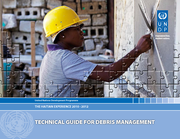
The building damage assessment, conducted between March 2010 and February 2011 by the Government of Haiti and the United Nations system, showed that more than 400,000 buildings were damaged or destroyed, o
...
f which approximately 218,000 could be occupied without repairs (green category), 105,000 were damaged but could be repaired (yellow category), and 80,000 were severely damaged and remained uninhabitable (red category).
The destruction of buildings and infrastructure generated a huge amount of debris, estimated at 10 million cubic meters, blocking streets and land in affected areas. In the absence of a national debris management strategy, debris could, thus, be cleared and disposed of in an uncontrolled manner, hindering relief, recovery and reconstruction activities.
more
The document introduces a simple classification, minimums standards and a registration form for Foreign Medical Teams (FMTs) that may provide surgical and trauma care arriving within the aftermath of a sudden onset disaster. These can serve as tools
...
to improve the coordination of the foreign medical team response, and be the reference for registration on arrival as well as a possible global registration mechanism similar to what exists for urban search and rescue teams
more
This toolkit has been developed by the ZAZI campaign for use by peer educators, community outreach workers, faith-based organisations, and traditional health practitioners to help facilitate participatory discussions on sexual and reproductive health with women aged between 20 and 49 years
...
of age. The toolkit is divided in 10 content sections
more

Lessons and best practices in empowering pastoralist communities to prevent HIV infection and reduce the impact of AIDS in Ethiopia. Briefing Paper
The World Health Organization Disability Assessment Schedule (WHODAS 2.0) is a generic assessment instrument developed by WHO to provide a standardized method for measuring health and disability across cultures. It was developed from a comprehensive set of
...
International Classification of Functioning, Disability and Health (ICF) items that are sufficiently reliable and sensitive to measure the difference made by a given intervention.
more
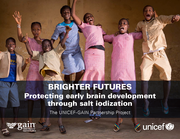
The UNICEF-GAIN Partnership Project
The report notes that iodine deficiency is a leading cause of preventable brain damage worldwide. Insufficient iodine during pregnancy and infancy results in neurological and psychological deficits, reducing ... a child’s IQ by 8 to 10 points. This translates into major losses in the cognitive capital of entire nations and thus their socio-economic development.
The report outlines urgent steps to reduce the risk of mental impairment to babies’ growing brains:
• Integrate salt iodization into national plans to support children’s nutrition and brain development in early childhood;
• Align salt iodization and salt reduction agendas; • Establish surveillance systems to identify unreached populations;
• Strengthen regulatory systems to enforce existing legislation on salt iodization;
• Recognize the growing importance of fortified foods as potential sources of iodized salt. more
The report notes that iodine deficiency is a leading cause of preventable brain damage worldwide. Insufficient iodine during pregnancy and infancy results in neurological and psychological deficits, reducing ... a child’s IQ by 8 to 10 points. This translates into major losses in the cognitive capital of entire nations and thus their socio-economic development.
The report outlines urgent steps to reduce the risk of mental impairment to babies’ growing brains:
• Integrate salt iodization into national plans to support children’s nutrition and brain development in early childhood;
• Align salt iodization and salt reduction agendas; • Establish surveillance systems to identify unreached populations;
• Strengthen regulatory systems to enforce existing legislation on salt iodization;
• Recognize the growing importance of fortified foods as potential sources of iodized salt. more

Long-lasting insecticidal nets (LNs) constitute a core vector control intervention against malaria. A number of new LN products are under development and will require assessment of risks to humans.
...
This document provides an updated generic model that can be used for the risk assessment of exposure to insecticides of individuals sleeping under LNs and during the washing of nets.
In an Annex, exposures and health risks are described for the conventional treatment or retreatment of nets (ITNs) with an insecticide considering that such practices may still be used in evaluation of ITNs and their use. The generic model does not include the risks associated with the manufacturing of LNs in a factory environment. more
In an Annex, exposures and health risks are described for the conventional treatment or retreatment of nets (ITNs) with an insecticide considering that such practices may still be used in evaluation of ITNs and their use. The generic model does not include the risks associated with the manufacturing of LNs in a factory environment. more

Improving medicines access and use for child health: a guide to developing interventions
Ross-Degnan, D., Vialle-Valentin, C., and Briggs, J.
USAID, SIAPS (Systems for Improved Access to Pharmaceuticals and Services)
(2015)
C1
Submitted to the US Agency for International Development by the
Systems for Improved Access to Pharmaceuticals and Services (SIAPS) Program.
This manual provides a framework to identify problems and design interventions to improve access to and use of
...
medicines for children. It is a resource for both health policy makers and health system managers and presents a structured approach to the steps introduced in the framework in the context of child health.
more

Situational Analysis: 13-23 October 2014
Report prepared using the WHO/SEARO workbook tool for undertaking a situational analysis of medicines in health care delivery in low and middle income countries
Report prepared using the WHO/SEARO workbook tool for undertaking a situational analysis of medicines in health care delivery in low and middle income countries
This handbook and teaching guide on recovery has been designed to complement the QualityRights training module on Promoting Recovery in Mental Health and Related Services. The handbook and teaching guide covers much of the same material, but also co
...
ntains additional text and exercises. It can be given to participants at the end of the training sessions so that they are able to review the concepts and material learned during the training.
Alternatively, it can be used independently as a standalone document to deliver training on recovery over 4-5 training days. The handbook/ teaching guide does not rely on PowerPoint presentations to deliver the training. Instead all participants should have a copy of the handbook/ teaching guide and work through the text and exercises either in plenary or in groups based on the discretion of the facilitator for the training.
more
