
Filter
1764
Text search:
Sexual
violence
and
abuse
Featured
160
450
Language
Document type
1044
282
156
89
82
40
31
22
7
4
2
1
Countries
74
71
55
54
49
41
40
37
36
33
30
28
28
27
26
24
24
24
23
22
21
19
19
17
17
15
15
15
15
15
14
12
12
11
11
11
10
10
9
9
8
8
8
8
7
7
7
7
6
6
6
6
5
5
5
4
4
4
4
4
4
4
3
3
3
3
3
3
3
3
2
2
2
2
2
2
2
2
2
2
2
2
2
2
1
1
1
1
1
1
1
1
1
1
1
1
1
1
1
1
1
1
1
1
1
1
1
1
1
1
Authors & Publishers
Publication Years
Category
681
189
111
72
40
35
1
Toolboxes
350
148
145
127
105
95
37
30
19
17
16
16
6
6
6
3
3
2
2
1
1
1
1
1
1
1

Vol. 5, No. 3 - 2011 | The Quarterly provides summaries of the best available research evidence on a variety of children’s mental health topics, prepared using systematic review and synthesis methods adapted from the Cochrane Collaboration
...
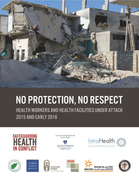
Health Workers and Health Facilities under Attack 2015, and Early 2016
Manual on the Effective Investigation and Documentation of Torture and Other Cruel, Inhuman or Degrading Treatment or Punishment
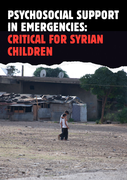
This report aims to provide Syrian children with a platform to make their voices heard. Their stories highlight the urgent need to address the psychosocial well-being of children affected by the Syrian civil war, and in all emergencies
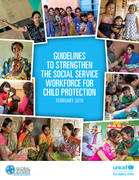
These guidelines are informed by evidence of ‘what works’ and lessons learned in the field. They are designed to accelerate UNICEF regional and country offices’ programming on social service w
...
Refugees1 with disabilities have specific needs and face particular forms of discrimination. As highlighted in the Executive Committee Conclusion No. 110 (LXI)–2010, it is important for UNHCR to ensure that the rights of persons with disabilities
...
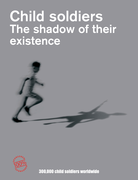
This report outlines the known problems of child soldiers and the different forms of recruiting. The report zooms in on the Colombia situation and the motives with which Colombian children join thes
...
tool for monitoring, documenting and reporting human rights violations in Nigeria

Building communication and counseling skills
This publication outlines public health aspects of alcohol use and harm in WHO South East Asia Region Countries. It summarizes Global Regional and country specific data
...
Recognizing the extent to which the COVID-19 outbreaks affects women and men differently is hugely important. Some preliminary data suggested that more men than women are dying, potentially due to sex-based immunological differences, higher rates of
...

The figures and findings reflected in the 2020 PMR represent the independent analysis of the United Nations (UN) and its humanitarian partners based on information available to them. Many of the fig
...

The escalation of the war in Ukraine began on 24 February 2022, causing thousands of civilian
casualties; destroying civilian infrastructure, including hospitals, and triggering the fastest-
growing displacement crisis in Europe since World War II
...
Mortality and burden of disease attributable to selected major risks

Key figures (to date)
• 168,254 people affected in Cabo Delgado and 900 people affected in Nampula (preliminary estimates from INGC)
• 35,000 houses partially or destroyed
• 37,696 people hosted in accommodation centers throughout the provi
...
This report aims to outline the current available knowledge on the health and wellbeing of older persons in the Region of the Americas during the United Nations Decade of Healthy Ageing (2021-2030). It also seeks to guide political actions towards e
...

This plan, approved by the Organization’s 62nd Directing Council, was shaped by extensive consultations with countries and stakeholders, and commits to transformative health outcomes over the next
...
Preliminary overview of refugees and migrants self-reported impact of COVID-19
The study surveyed over 30,000 refugees and migrants living in 170 countries. Many of the respondents had fled war or
...
Background paper 9
The Independent Panel for Pandemic Preparedness and Response
May 2021
COVID-19 pandemic has taken the entire world by surprise, creating the greatest global catastrophe since WWII, impacting all spheres of our societies, including health, economy, social protection, as well as security, and human rights. The virus aff
...
