
Filter
11664
Text search:
accèss
Featured
1003
2932
Language
11084
415
308
198
188
111
92
75
32
30
19
19
17
16
14
14
14
13
11
11
11
10
9
9
9
9
9
9
9
8
8
8
8
7
7
7
7
6
6
6
6
6
6
6
5
5
5
5
5
5
5
5
5
5
5
4
4
4
4
4
3
3
3
3
2
2
2
2
2
2
2
1
1
1
1
1
1
1
1
1
1
1
1
1
1
1
1
1
1
1
1
1
1
1
1
1
1
1
1
1
1
Document type
5760
2351
1403
642
451
403
225
157
104
51
36
33
22
9
6
Countries
558
443
329
254
242
232
226
211
210
205
202
196
179
177
175
172
164
155
151
151
140
126
119
102
95
85
83
83
79
79
77
72
71
70
67
67
66
66
65
65
63
58
57
54
45
45
42
42
41
38
36
36
34
33
32
29
29
28
26
24
24
23
22
21
21
21
19
18
17
16
16
15
15
14
13
12
12
12
11
10
10
10
10
9
9
9
9
8
8
8
8
7
7
7
7
7
6
6
6
6
6
6
6
6
5
5
5
5
5
5
5
5
4
4
4
4
4
4
4
4
4
4
4
4
3
3
3
3
3
2
2
2
2
2
2
2
2
2
2
2
2
2
2
2
2
1
1
1
1
1
1
1
1
1
1
1
1
1
1
1
1
1
1
1
1
Authors & Publishers
1488
430
373
276
274
225
163
159
127
117
91
71
67
65
62
59
57
56
52
48
48
47
45
45
44
43
42
40
39
39
38
36
35
35
34
34
34
34
33
32
32
32
31
31
30
29
27
26
26
25
25
24
24
23
23
22
22
22
21
21
21
21
21
21
20
20
20
20
20
20
20
19
19
19
19
18
18
18
17
17
17
17
17
17
16
16
16
15
15
15
15
15
15
15
15
15
14
14
14
14
14
14
14
14
14
13
13
13
13
13
13
13
13
13
13
13
13
12
12
12
12
12
12
12
12
12
12
12
12
11
11
11
11
11
11
11
11
11
11
11
10
10
10
10
10
10
10
10
10
10
10
10
10
10
9
9
9
9
9
9
9
9
9
9
9
9
9
9
9
9
9
9
9
8
8
8
8
8
8
8
8
8
8
8
8
8
8
8
8
8
8
8
8
8
8
8
8
8
8
8
8
8
7
7
7
7
7
7
7
7
7
7
7
7
7
7
7
7
7
7
7
7
7
7
7
7
7
7
7
7
7
7
7
7
7
7
7
7
7
7
7
6
6
6
6
6
6
6
6
6
6
6
6
6
6
6
6
6
6
6
6
6
6
6
6
6
6
6
6
6
6
6
6
6
6
6
6
6
6
6
6
6
6
6
6
6
6
6
6
6
5
5
5
5
5
5
5
5
5
5
5
5
5
5
5
5
5
5
5
5
5
5
5
5
5
5
5
5
5
5
5
5
5
5
5
5
5
5
5
5
5
5
5
5
5
5
5
5
5
5
5
5
5
5
5
5
5
5
5
5
5
5
5
5
4
4
4
4
4
4
4
4
4
4
4
4
4
4
4
4
4
4
4
4
4
4
4
4
4
4
4
4
4
4
4
4
4
4
4
4
4
4
4
4
4
4
4
4
4
4
4
4
4
4
4
4
4
4
4
4
4
4
4
4
4
4
4
4
4
4
4
4
4
4
4
4
4
4
4
4
4
4
4
4
4
4
4
4
4
4
4
4
4
4
4
4
4
4
4
4
4
4
4
4
4
4
4
3
3
3
3
3
3
3
3
3
3
3
3
3
3
3
3
3
3
3
3
3
3
3
3
3
3
3
3
3
3
3
3
3
3
3
3
3
3
3
3
3
3
3
3
3
3
3
3
3
3
3
3
3
3
3
3
3
3
3
3
3
3
3
3
3
3
3
3
3
3
3
3
3
3
3
3
3
3
3
3
3
3
3
3
3
3
3
3
3
3
3
3
3
3
3
3
3
3
3
3
3
3
3
3
3
3
3
3
3
3
3
3
3
3
3
3
3
3
3
3
3
3
3
3
3
3
3
3
3
3
3
3
3
3
3
3
3
3
3
3
3
3
3
3
3
3
3
3
3
3
3
3
3
3
3
3
3
3
3
3
3
3
3
3
3
3
3
3
3
3
3
3
3
3
3
3
3
3
3
3
3
3
3
3
3
3
3
3
3
3
3
3
3
3
3
3
3
3
3
3
3
3
3
3
3
3
3
2
2
2
2
2
2
2
2
2
2
2
2
2
2
2
2
2
2
2
2
2
2
2
2
2
2
2
2
2
2
2
2
2
2
2
2
2
2
2
2
2
2
2
2
2
2
2
2
2
2
2
2
2
2
2
2
2
2
2
2
2
2
2
2
2
2
2
2
2
2
2
2
2
2
2
2
2
2
2
2
2
2
2
2
2
2
2
2
2
2
2
2
2
2
2
2
2
2
2
2
2
2
2
2
2
2
2
2
2
2
2
2
2
2
2
2
2
2
2
2
2
2
2
2
2
2
2
2
2
2
2
2
2
2
2
2
2
2
2
2
2
2
2
2
2
2
2
2
2
2
2
2
2
2
2
2
2
2
2
2
2
2
2
2
2
2
2
2
2
2
2
2
2
2
2
2
2
2
2
2
2
2
2
2
2
2
2
2
2
2
2
2
2
2
2
2
2
2
2
2
2
2
2
2
2
2
2
2
2
2
2
2
2
2
2
2
2
2
2
2
2
2
2
2
2
2
2
2
2
2
2
2
2
2
2
2
2
2
2
2
2
2
2
2
2
2
2
2
2
2
2
2
2
2
2
2
2
2
2
2
2
2
2
2
2
2
2
2
2
2
2
2
2
2
2
2
2
2
2
2
2
2
2
2
2
2
2
2
2
2
2
2
2
2
2
2
2
2
2
2
2
2
2
2
2
2
2
2
2
2
2
2
2
2
2
2
2
2
2
2
2
2
2
2
2
2
2
2
2
2
2
2
2
2
2
2
2
2
2
2
2
2
2
2
2
2
2
2
2
2
2
2
2
2
2
2
2
2
2
2
2
2
2
2
2
2
2
2
2
2
2
2
2
2
2
2
2
2
2
2
2
2
2
2
2
2
2
2
2
2
2
2
2
2
2
2
2
2
2
2
2
2
2
2
2
2
2
2
2
2
2
2
2
2
2
2
2
2
2
2
2
2
2
2
2
2
2
2
2
2
2
2
2
2
2
2
2
2
2
2
2
2
2
2
2
2
2
2
2
2
2
2
2
2
2
2
2
2
2
2
2
2
2
2
2
2
2
2
2
2
2
2
2
2
2
2
2
2
2
2
2
2
2
2
2
2
2
2
2
2
2
2
2
2
2
2
2
2
2
2
2
2
2
2
2
2
2
2
2
2
2
2
2
2
2
2
2
2
2
2
2
2
2
2
2
2
2
2
2
2
2
2
2
2
2
2
2
2
2
2
2
2
2
2
2
2
2
2
2
2
2
2
1
1
1
1
1
1
1
1
1
1
1
1
1
1
1
1
1
1
1
1
1
1
1
1
1
1
1
1
1
1
1
1
1
1
1
1
1
1
1
1
1
1
1
1
1
1
1
1
1
1
1
1
1
1
1
1
1
1
1
1
1
1
1
1
1
1
1
1
1
1
1
1
1
1
1
1
1
1
1
1
1
1
1
1
1
1
1
1
1
1
1
1
1
1
1
1
1
1
1
1
1
1
1
1
1
1
1
1
1
1
1
1
1
1
1
1
1
1
1
1
1
1
1
1
1
1
1
1
1
1
1
1
1
1
1
1
1
1
1
1
1
1
1
1
1
1
1
1
1
1
1
1
1
1
1
1
1
1
1
1
1
1
1
1
1
1
1
1
1
1
1
1
1
1
1
1
1
1
1
1
1
1
1
1
1
1
1
1
1
1
1
1
1
1
1
1
1
1
1
1
1
1
1
1
1
1
1
1
1
1
1
1
1
1
1
1
1
1
1
1
1
1
1
1
1
1
1
1
1
1
1
1
1
1
1
1
1
1
1
1
1
1
1
1
1
1
1
1
1
1
1
1
1
1
1
1
1
1
1
1
1
1
1
1
1
1
1
1
1
1
1
1
1
1
1
1
1
1
1
1
1
1
1
1
1
1
1
1
1
1
1
1
1
1
1
1
1
1
1
1
1
1
1
1
1
1
1
1
1
1
1
1
1
1
1
1
1
1
1
1
1
1
1
1
1
1
1
1
1
1
1
1
1
1
1
1
1
1
1
1
1
1
1
1
1
1
1
1
1
1
1
1
1
1
1
1
1
1
1
1
1
1
1
1
1
1
1
1
1
1
1
1
1
1
1
1
1
1
1
1
1
1
1
1
1
1
1
1
1
1
1
1
1
1
1
1
1
1
1
1
1
1
1
1
1
1
1
1
1
1
1
1
1
1
1
1
1
1
1
1
1
1
1
1
1
1
1
1
1
1
1
1
1
1
1
1
1
1
1
1
1
1
1
1
1
1
1
1
1
1
1
1
1
1
1
1
1
1
1
1
1
1
1
1
1
1
1
1
1
1
1
1
1
1
1
1
1
1
1
1
1
1
1
1
1
1
1
1
1
1
1
1
1
1
1
1
1
1
1
1
1
1
1
1
1
1
1
1
1
1
1
1
1
1
1
1
1
1
1
1
1
1
1
1
1
1
1
1
1
1
1
1
1
1
1
1
1
1
1
1
1
1
1
1
1
1
1
1
1
1
1
1
1
1
1
1
1
1
1
1
1
1
1
1
1
1
1
1
1
1
1
1
1
1
1
1
1
1
1
1
1
1
1
1
1
1
1
1
1
1
1
1
1
1
1
1
1
1
1
1
1
1
1
1
1
1
1
1
1
1
1
1
1
1
1
1
1
1
1
1
1
1
1
1
1
1
1
1
1
1
1
1
1
1
1
1
1
1
1
1
1
1
1
1
1
1
1
1
1
1
1
1
1
1
1
1
1
1
1
1
1
1
1
1
1
1
1
1
1
1
1
1
1
1
1
1
1
1
1
1
1
1
1
1
1
1
1
1
1
1
1
1
1
1
1
1
1
1
1
1
1
1
1
1
1
1
1
1
1
1
1
1
1
1
1
1
1
1
1
1
1
1
1
1
1
1
1
1
1
1
1
1
1
1
1
1
1
1
1
1
1
1
1
1
1
1
1
1
1
1
1
1
1
1
1
1
1
1
1
1
1
1
1
1
1
1
1
1
1
1
1
1
1
1
1
1
1
1
1
1
1
1
1
1
1
1
1
1
1
1
1
1
1
1
1
1
1
1
1
1
1
1
1
1
1
1
1
1
1
1
1
1
1
1
1
1
1
1
1
1
1
1
1
1
1
1
1
1
1
1
1
1
1
1
1
1
1
1
1
1
1
1
1
1
1
1
1
1
1
1
1
1
1
1
1
1
1
1
1
1
1
1
1
1
1
1
1
1
1
1
1
1
1
1
1
1
1
1
1
1
1
1
1
1
1
1
1
1
1
1
1
1
1
1
1
1
1
1
1
1
1
1
1
1
1
1
1
1
1
1
1
1
1
1
1
1
1
1
1
1
1
1
1
1
1
1
1
1
1
1
1
1
1
1
1
1
1
1
1
1
1
1
1
1
1
1
1
1
1
1
1
1
1
1
1
1
1
1
1
1
1
1
1
1
1
1
1
1
1
1
1
1
1
1
1
1
1
1
1
1
1
1
1
1
1
1
1
1
1
1
1
1
1
1
1
1
1
1
1
1
1
1
1
1
1
1
1
1
1
1
1
1
1
1
1
1
1
1
1
1
1
1
1
1
1
1
1
1
1
1
1
1
1
1
1
1
1
1
1
1
1
1
1
1
1
1
1
1
1
1
1
1
1
1
1
1
1
1
1
1
1
1
1
1
1
1
1
1
1
1
1
1
1
1
1
1
1
1
1
1
1
1
1
1
1
1
1
1
1
1
1
1
1
1
1
1
1
1
1
1
1
1
1
1
1
1
1
1
1
1
1
1
1
1
1
1
1
1
1
1
1
1
1
1
1
1
1
1
1
1
1
1
1
1
1
1
1
1
1
1
1
1
1
1
1
1
1
1
1
1
1
1
1
1
1
1
1
1
1
1
1
1
1
1
1
1
1
1
1
1
1
1
1
1
1
1
1
1
1
1
1
1
1
1
1
1
1
1
1
1
1
1
1
1
1
1
1
1
1
1
1
1
1
1
1
1
1
1
1
1
1
1
1
1
1
1
1
1
1
1
1
1
1
1
1
1
1
1
1
1
1
1
1
1
1
1
1
1
1
1
1
1
1
1
1
1
1
1
1
1
1
1
1
1
1
1
1
1
1
1
1
1
1
1
1
1
1
1
1
1
1
1
1
1
1
1
1
1
1
1
1
1
1
1
1
1
1
1
1
1
1
1
1
1
1
1
1
1
1
1
1
1
1
1
1
1
1
1
1
1
1
1
1
1
1
1
1
1
1
1
1
1
1
1
1
1
1
1
1
1
1
1
1
1
1
1
1
1
1
1
1
1
1
1
1
1
1
1
1
1
1
1
1
1
1
1
1
1
1
1
1
1
1
1
1
1
1
1
1
1
1
1
1
1
1
1
1
1
1
1
1
1
1
1
1
1
1
1
1
1
1
1
1
1
1
1
1
1
1
1
1
1
1
1
1
1
1
1
1
1
1
1
1
1
1
1
1
1
1
1
1
1
1
1
1
1
1
1
1
1
1
1
1
1
1
1
1
1
1
1
1
1
1
1
1
1
1
1
1
1
1
1
1
1
1
1
1
1
1
1
1
1
1
1
1
1
1
1
1
1
1
1
1
1
1
1
1
1
1
1
1
1
1
1
1
1
1
1
1
1
1
1
1
1
1
1
1
1
1
1
1
1
1
1
1
1
1
1
1
1
1
1
1
1
1
1
1
1
1
1
1
1
1
1
1
1
1
1
1
1
1
1
1
1
1
1
1
1
1
1
1
1
1
1
1
1
1
1
1
1
1
1
1
1
1
1
1
1
1
1
1
1
1
1
1
1
1
1
1
1
1
1
1
1
1
1
1
1
1
1
1
1
1
1
1
1
1
1
1
1
1
1
1
1
1
1
1
1
1
1
1
1
1
1
1
1
1
1
1
1
1
1
1
1
1
1
1
1
1
1
1
1
1
1
1
1
1
1
1
1
1
1
1
1
1
1
1
1
1
1
1
1
1
1
1
1
1
1
1
1
1
1
1
1
1
1
1
1
1
1
1
1
1
1
1
1
1
1
1
1
1
1
1
1
1
1
1
1
1
1
1
1
1
1
1
1
1
1
1
1
1
1
1
1
1
1
1
1
1
1
1
1
1
1
1
1
1
1
1
1
1
1
1
1
1
1
1
1
1
1
1
1
1
1
1
1
1
1
1
1
1
1
1
1
1
1
1
1
1
1
1
1
1
1
1
1
1
1
1
1
1
1
1
1
1
1
1
1
1
1
1
1
1
1
1
1
1
1
1
1
1
1
1
1
1
1
1
1
1
1
1
1
1
1
1
1
1
1
1
1
1
1
1
1
1
1
1
1
1
1
1
1
1
1
1
1
1
1
1
1
1
1
1
1
1
1
1
1
1
1
1
1
1
1
1
1
1
1
1
1
1
1
1
1
1
1
1
1
1
1
1
1
1
1
1
1
1
1
1
1
1
1
1
1
1
1
1
1
1
1
1
1
1
1
1
1
1
1
1
1
1
1
1
1
1
1
1
1
1
1
1
1
1
1
1
1
1
1
1
1
1
1
1
1
1
1
1
1
1
1
1
1
1
1
1
1
1
1
1
1
1
1
1
1
1
1
1
1
1
1
1
1
1
1
1
1
1
1
1
1
1
1
1
1
1
1
1
1
1
1
1
1
1
1
1
1
1
1
1
1
1
1
1
1
1
1
1
1
1
1
1
1
1
1
1
1
1
1
1
1
1
1
1
1
1
1
1
1
1
1
1
1
1
1
1
1
1
1
1
1
1
1
1
1
1
1
1
1
1
1
1
1
1
1
1
1
1
1
1
1
1
1
1
1
1
1
1
1
1
1
1
1
1
1
1
1
1
1
1
1
1
1
1
1
1
1
1
1
1
1
1
1
1
1
1
1
1
1
1
1
1
1
1
1
1
1
1
1
1
1
1
1
1
1
1
1
1
1
1
1
1
1
1
1
1
1
1
1
1
1
1
1
1
1
1
1
1
1
1
1
1
1
1
1
1
1
1
1
1
1
1
1
1
1
1
1
1
1
1
1
1
1
1
1
1
1
1
1
1
1
1
1
1
1
1
1
1
1
1
1
1
1
1
1
1
1
1
1
1
1
1
1
1
1
1
1
1
1
1
1
1
1
1
1
1
1
1
1
1
1
1
1
1
1
1
1
1
1
1
1
1
1
1
1
1
1
1
1
1
1
1
1
1
1
1
1
1
1
1
1
1
1
1
1
1
1
1
1
1
1
1
1
1
1
1
1
1
1
1
1
1
1
1
1
1
1
1
1
1
1
1
1
1
1
1
1
1
1
1
1
1
1
1
1
1
1
1
1
1
1
1
1
1
1
1
1
1
1
1
1
1
1
1
1
1
1
1
1
1
1
1
1
1
1
1
1
1
1
1
1
1
1
1
1
1
1
1
1
1
1
1
1
1
1
1
1
1
1
1
1
1
1
1
1
1
1
1
1
1
1
1
1
1
1
1
1
1
1
1
1
1
1
1
1
1
1
1
1
1
1
1
1
1
1
1
1
1
1
1
1
1
1
1
1
1
1
1
1
1
1
1
1
1
1
1
1
1
1
1
1
1
1
1
1
1
1
1
1
1
1
1
1
1
1
1
1
1
1
1
1
1
1
1
1
1
1
1
1
1
1
1
1
1
1
1
1
1
1
1
1
1
1
1
1
1
1
1
1
1
1
1
1
1
1
1
1
1
1
1
1
1
1
1
1
1
1
1
1
1
1
1
1
1
1
1
1
1
1
1
1
1
1
1
1
1
1
1
1
1
1
1
1
1
1
1
1
1
1
1
1
1
1
1
1
1
1
1
1
1
1
1
1
1
1
1
1
1
1
1
1
1
1
1
1
1
1
1
1
1
1
1
1
1
1
1
1
1
1
1
1
1
1
1
1
1
1
1
1
1
1
1
1
1
1
1
1
1
1
1
1
1
1
1
1
1
1
1
1
1
1
1
1
1
1
1
1
1
1
1
1
1
1
1
1
1
1
1
1
1
1
1
1
1
1
1
1
1
1
1
1
1
1
1
1
1
1
1
1
1
1
1
1
1
1
1
1
1
1
1
1
1
1
1
1
1
1
1
1
1
1
1
1
1
1
1
1
1
1
1
1
1
1
1
1
1
1
1
1
1
1
1
1
1
1
1
1
1
1
1
1
1
1
1
1
1
1
1
1
1
1
1
1
1
1
1
1
1
1
1
1
1
1
1
1
1
1
1
1
1
1
1
1
1
1
1
1
1
1
1
1
1
1
1
1
1
1
1
1
1
1
1
1
1
1
1
1
1
1
1
1
1
1
1
1
1
1
1
1
1
1
1
1
1
1
1
1
1
1
1
1
1
1
1
1
1
1
1
1
1
1
1
1
1
1
1
1
1
1
1
1
1
1
1
1
1
1
1
1
1
1
1
1
1
1
1
1
1
1
1
1
1
1
1
1
1
1
1
1
1
1
1
1
1
1
1
1
1
1
1
1
1
1
1
1
1
1
1
1
1
1
1
1
1
1
1
1
1
1
1
1
1
1
1
1
1
1
1
1
1
1
1
1
1
1
1
1
1
1
1
1
1
1
1
1
1
1
1
1
1
1
1
1
1
1
1
1
1
1
1
1
1
1
1
1
1
1
1
1
1
1
1
1
1
1
1
1
1
1
1
1
1
1
1
1
1
1
1
1
1
1
1
1
1
1
1
1
1
1
1
1
1
1
1
1
1
1
1
1
1
1
1
1
1
1
1
1
1
1
1
1
1
1
1
1
1
1
1
1
1
1
1
1
1
1
1
1
1
1
1
1
1
1
1
1
1
1
1
1
1
1
1
1
1
1
1
1
1
1
1
1
1
1
1
1
1
1
1
1
1
1
1
1
1
1
1
1
1
1
1
1
1
1
1
1
1
1
1
1
1
1
1
1
1
1
1
1
1
1
1
1
1
1
1
1
1
1
1
1
1
1
1
1
1
1
1
1
1
1
1
1
1
1
1
1
1
1
1
1
1
1
1
1
1
1
1
1
1
1
1
1
1
1
1
1
1
1
1
1
1
1
1
1
1
1
1
1
1
1
1
1
1
1
1
1
1
1
1
1
1
1
1
1
1
1
1
1
1
1
1
1
1
1
1
1
1
1
1
1
1
1
1
1
1
1
1
1
1
1
1
1
1
1
1
1
1
1
1
1
1
1
1
1
1
1
1
1
1
1
1
1
1
1
1
1
1
1
1
1
1
1
1
1
1
1
1
1
1
1
1
1
1
1
1
1
1
1
1
1
1
1
1
1
1
1
1
1
1
1
1
1
1
1
1
1
1
1
1
1
1
1
1
1
1
1
1
1
1
1
1
1
1
1
1
1
1
1
1
1
1
1
1
1
1
1
1
1
1
1
1
1
1
1
1
1
1
1
1
1
1
1
1
1
1
1
1
1
1
1
1
1
1
1
1
1
1
1
1
1
1
1
1
1
1
1
1
1
1
1
1
1
1
1
1
1
1
1
1
1
1
1
1
1
1
1
1
1
1
1
1
1
1
1
1
1
1
1
1
1
1
1
1
1
1
1
1
1
1
1
1
1
1
1
1
1
1
1
1
1
1
1
1
1
1
1
1
1
1
1
1
1
1
1
1
1
1
1
1
1
1
1
1
1
1
1
1
1
1
1
1
1
1
1
1
1
1
1
1
1
1
1
1
1
1
1
1
1
1
1
1
1
1
1
1
1
1
1
1
1
1
1
1
1
1
1
1
1
1
1
1
1
1
1
1
1
1
1
1
1
1
1
1
1
1
1
1
1
1
1
1
1
1
1
1
1
1
1
1
1
1
1
1
1
1
1
1
1
1
1
1
1
1
1
1
1
1
1
1
1
1
1
1
1
1
1
1
1
1
1
1
1
1
1
1
1
1
1
1
1
1
1
1
1
1
1
1
1
1
1
1
1
1
1
1
1
1
1
1
1
1
1
1
1
1
1
1
1
1
1
1
1
1
1
1
1
1
1
1
1
1
1
1
1
1
1
1
1
1
1
1
1
1
1
1
1
1
1
1
1
1
1
1
1
1
1
1
1
1
1
1
1
1
1
1
1
1
1
1
1
1
1
1
1
1
1
1
1
1
1
1
1
1
1
1
1
1
1
1
1
1
1
1
1
1
1
1
1
1
1
1
1
1
1
1
1
1
1
1
1
1
1
1
1
1
1
1
1
1
1
1
1
1
1
1
1
1
1
1
1
1
1
1
1
1
1
1
1
1
1
1
1
1
1
1
1
1
1
1
1
1
1
1
1
1
1
1
1
1
1
1
1
1
1
1
1
1
1
1
1
1
1
1
1
1
1
1
1
1
1
1
1
1
1
1
1
1
1
1
1
1
1
1
1
1
1
1
1
1
1
1
1
1
1
1
1
1
1
1
1
1
1
1
1
1
1
1
1
1
1
1
1
1
1
1
1
1
1
1
1
1
1
1
1
1
1
1
1
1
1
1
1
1
1
1
1
1
1
1
1
1
1
1
1
1
1
1
1
1
1
1
1
1
1
1
1
1
1
1
1
1
1
1
1
1
1
1
1
1
1
1
1
1
1
1
1
1
1
1
1
1
1
1
1
1
1
1
1
1
1
1
1
1
1
1
1
1
1
1
1
1
1
1
1
1
1
1
1
1
1
1
1
1
1
1
1
1
1
1
1
1
1
1
1
1
1
1
1
1
1
1
1
1
1
1
1
1
1
1
1
1
1
1
1
1
1
1
1
1
1
1
1
1
1
1
1
1
1
1
1
1
1
1
1
1
1
1
1
1
1
1
1
1
1
1
1
1
1
1
1
1
1
1
1
1
1
1
1
1
1
1
1
1
1
1
1
1
1
1
1
1
1
1
1
1
1
1
1
1
1
1
1
1
1
1
1
1
1
1
1
1
1
1
1
1
1
1
1
1
1
1
1
1
1
1
1
1
1
1
1
1
1
1
1
1
1
1
1
1
1
1
1
1
1
1
1
1
1
1
1
1
1
1
1
1
1
1
1
1
1
1
1
1
1
1
1
1
1
1
1
1
1
1
1
1
1
1
1
1
1
1
1
1
1
1
1
1
1
1
1
1
1
1
1
1
1
1
1
1
1
1
1
1
1
1
1
1
1
1
1
1
1
1
1
1
1
1
1
1
1
1
1
1
1
1
1
1
1
1
1
1
1
1
1
1
1
1
1
1
1
1
1
1
1
1
1
1
1
1
1
1
1
1
1
1
1
1
1
1
1
1
1
1
1
1
1
1
1
1
1
1
1
1
1
1
1
1
1
1
1
1
1
1
1
1
1
1
1
1
1
1
1
1
1
1
1
1
1
1
1
1
1
1
1
1
1
1
1
1
1
1
1
1
1
1
1
1
1
1
1
1
1
1
1
1
1
1
1
1
1
1
1
1
1
1
1
1
1
1
1
1
1
1
1
1
1
1
1
1
1
1
1
1
1
1
1
1
1
1
1
1
1
1
1
1
1
1
1
1
1
1
1
1
1
1
1
1
1
1
1
1
1
1
1
1
1
1
1
1
1
1
1
1
1
1
1
1
1
1
1
1
1
1
1
1
1
1
1
1
1
1
1
1
1
1
1
1
1
1
1
1
1
1
1
1
1
1
1
1
1
1
1
1
1
1
1
1
1
1
1
1
1
1
1
1
1
1
1
1
1
1
1
1
1
1
1
1
1
1
1
1
1
1
1
1
1
1
1
1
1
1
1
1
1
1
1
1
1
1
1
1
1
1
1
1
1
1
1
1
1
1
1
1
1
1
1
1
1
1
1
1
1
1
1
1
1
1
1
1
1
1
1
1
1
1
1
1
1
1
1
1
1
1
1
1
1
1
1
1
1
1
1
1
1
1
1
1
1
1
1
1
1
1
1
1
1
1
1
1
1
1
1
1
1
1
1
1
1
1
1
1
1
1
1
1
1
1
1
1
1
1
1
1
1
1
1
1
1
1
1
1
1
1
1
1
1
1
1
1
1
1
1
1
1
1
1
1
1
1
1
1
1
1
1
1
1
1
1
1
1
1
1
1
1
1
1
1
1
1
1
1
1
1
1
1
1
1
1
1
1
1
1
1
1
1
1
1
1
1
1
1
1
1
1
1
1
1
1
1
1
1
1
1
1
1
1
1
1
1
1
1
1
1
1
1
1
1
1
1
1
1
1
1
1
1
1
1
1
1
1
1
1
1
1
1
1
1
1
1
1
1
1
1
1
1
1
1
1
1
1
1
1
1
1
1
1
1
1
1
1
1
1
1
1
1
1
1
1
1
1
1
1
1
1
1
1
1
1
1
1
1
1
1
1
1
1
1
1
1
1
1
1
1
1
1
1
1
1
1
1
1
1
1
1
1
1
1
1
1
1
1
1
1
1
1
1
1
1
1
1
1
1
1
1
1
1
1
1
1
1
1
1
1
1
1
1
1
1
1
1
1
1
1
1
1
1
1
1
1
1
1
1
1
1
1
1
1
1
1
1
1
1
1
1
1
1
1
1
1
1
1
1
1
1
1
1
1
1
1
1
1
1
1
1
1
1
1
1
1
1
1
1
1
1
1
1
1
1
1
1
1
1
1
1
1
1
1
1
1
1
1
1
1
1
1
1
1
1
1
1
1
1
1
1
1
1
1
1
1
1
1
1
1
1
1
1
1
1
1
1
1
1
1
1
1
1
1
1
1
1
1
1
1
1
1
1
1
1
1
1
1
1
1
1
1
1
1
1
1
1
1
1
1
1
1
1
1
1
1
1
1
1
1
1
1
1
1
1
1
1
1
1
1
1
1
1
1
1
1
1
1
1
1
1
1
1
1
1
1
1
1
1
1
1
1
1
1
1
1
1
1
1
1
1
1
1
1
1
1
1
1
1
1
1
1
1
1
1
1
1
1
1
1
1
1
1
1
1
1
1
1
1
1
1
1
1
1
1
1
1
1
1
1
1
1
1
1
1
1
1
1
1
1
1
1
1
1
1
1
1
1
1
1
1
1
1
1
1
1
1
1
1
1
1
1
1
1
1
1
1
1
1
1
1
1
1
1
1
1
1
1
1
1
1
1
1
1
1
1
1
1
1
1
1
1
1
1
1
1
1
1
1
1
1
1
1
1
1
1
1
1
1
1
1
1
1
1
1
1
1
1
1
1
1
1
1
1
1
1
1
1
1
1
1
1
1
1
1
1
1
1
1
1
1
1
1
1
1
1
1
1
1
1
1
1
1
1
1
1
1
1
1
1
1
1
1
1
1
1
1
1
1
1
1
1
1
1
1
1
1
1
1
1
1
1
1
1
1
1
1
1
1
1
1
1
1
1
1
1
1
1
1
1
1
1
1
1
1
1
1
1
1
1
1
1
1
1
1
1
1
1
1
1
1
1
1
1
1
1
1
1
1
1
1
1
1
1
1
1
1
1
1
1
1
1
1
1
1
1
1
1
1
1
1
1
1
1
1
1
1
1
1
1
1
1
1
1
1
1
1
1
1
1
1
1
1
1
1
1
1
1
1
1
1
1
1
1
1
1
1
1
1
1
1
1
1
1
1
1
1
1
1
1
1
1
1
1
1
1
1
1
1
1
1
1
1
1
1
1
1
1
1
1
1
1
1
1
1
1
1
1
1
1
1
1
1
1
1
1
1
1
1
1
1
1
1
1
1
1
1
1
1
1
1
1
1
1
1
1
1
1
1
1
1
1
1
1
1
1
1
1
1
1
1
1
1
1
1
1
1
1
1
1
1
1
1
1
1
1
1
1
1
1
1
1
1
1
1
1
1
1
1
1
1
1
1
1
1
1
1
1
1
1
1
1
1
1
1
1
1
1
1
1
1
1
1
1
1
1
1
1
1
1
1
1
1
1
1
1
1
1
1
1
1
1
1
1
1
1
1
1
1
1
1
1
1
1
1
1
1
1
1
1
1
1
1
1
1
1
1
1
1
1
1
1
1
1
1
1
1
1
1
1
1
1
1
1
1
1
1
1
1
1
1
1
1
1
1
1
1
1
1
1
1
1
1
1
1
1
1
1
1
1
1
1
1
1
1
1
1
1
1
1
1
1
1
1
1
1
1
1
1
1
1
1
1
1
1
1
1
1
1
1
1
1
1
1
1
1
1
1
1
1
1
1
1
1
1
1
1
1
1
1
1
1
1
1
1
1
1
1
1
1
1
1
1
1
1
1
1
1
1
1
1
1
1
1
1
1
1
1
1
1
1
1
1
1
1
1
1
1
1
1
1
1
1
1
1
1
1
1
1
1
1
1
1
1
1
1
1
1
1
1
1
1
1
1
1
1
1
1
1
1
1
1
1
1
1
1
1
1
1
1
1
1
1
1
1
1
1
1
1
1
1
1
1
1
1
1
1
1
1
1
1
1
1
1
1
1
1
1
1
1
1
1
1
1
1
1
1
1
1
1
1
1
1
1
1
1
1
1
1
1
1
1
1
1
1
1
1
1
1
1
1
1
1
1
1
1
1
1
1
1
1
1
1
1
1
1
1
1
1
1
1
1
1
1
1
1
1
1
1
1
1
1
1
1
1
1
1
1
1
1
1
1
1
1
1
1
1
1
1
1
1
1
1
1
1
1
1
1
1
1
1
1
1
1
1
1
1
1
1
1
1
1
1
1
1
1
1
1
1
1
1
1
1
1
1
1
1
1
1
1
1
1
1
1
1
1
1
1
1
1
1
1
1
1
1
1
1
1
1
1
1
1
1
1
1
1
1
1
1
1
1
1
1
1
1
1
1
1
1
1
1
1
1
1
1
1
1
1
1
1
1
1
1
1
1
1
1
1
1
1
1
1
1
1
1
1
1
1
1
1
1
1
1
1
1
1
1
1
1
1
1
1
1
1
1
1
1
1
1
1
1
1
1
1
1
1
1
1
1
1
1
1
1
1
1
1
1
1
1
1
1
1
1
1
1
1
1
1
1
1
1
1
1
1
1
1
1
1
1
1
1
1
1
1
1
1
1
1
1
1
1
1
1
1
1
1
1
1
1
1
1
1
1
1
1
1
1
1
1
1
1
1
1
1
1
1
1
1
1
1
1
1
1
1
1
1
1
1
1
1
1
1
1
1
1
1
1
1
1
1
1
1
1
1
1
1
1
1
1
1
1
1
1
1
1
1
1
1
1
1
1
1
1
1
1
1
1
1
1
1
1
1
1
1
1
1
1
1
1
1
1
1
1
1
1
1
1
1
1
1
1
1
1
1
1
1
1
1
1
1
1
1
1
1
1
1
1
1
1
1
1
1
1
1
1
1
1
1
1
1
1
1
1
1
1
1
1
1
1
1
1
1
1
1
1
1
1
1
1
1
1
1
1
1
1
1
1
1
1
1
1
1
1
1
1
1
1
1
1
1
1
1
1
1
1
1
1
1
1
1
1
1
1
1
1
1
1
1
1
1
1
1
1
1
1
1
1
1
1
1
1
1
1
1
1
1
1
1
1
1
1
1
1
1
1
1
1
1
1
1
1
1
1
1
1
1
1
1
1
1
1
1
1
1
1
1
1
1
1
1
1
1
1
1
1
1
1
1
1
1
1
1
1
1
1
1
1
1
1
1
1
1
1
1
1
1
1
1
1
1
1
1
1
1
1
1
1
1
1
1
1
1
1
1
1
1
1
1
1
1
1
1
1
1
1
1
1
1
1
1
1
1
1
1
1
1
1
1
1
1
1
1
1
1
1
1
1
1
1
1
1
1
1
1
1
1
1
1
1
1
1
1
1
1
1
1
1
1
1
1
1
1
1
1
1
1
1
1
1
1
1
1
1
1
1
1
1
1
1
1
1
1
1
1
1
1
1
1
1
1
1
1
1
1
1
1
1
1
1
1
1
1
1
1
1
1
1
1
1
1
1
1
1
1
1
1
1
1
1
1
1
1
1
1
1
1
1
1
1
1
1
1
1
1
1
1
1
1
1
1
1
1
1
1
1
1
1
1
1
1
1
1
1
1
1
1
1
1
1
1
1
1
1
1
1
1
1
1
1
1
1
1
1
1
1
1
1
1
1
1
1
1
1
1
1
1
1
1
1
1
1
1
1
1
1
1
1
1
1
1
1
1
1
1
1
1
1
1
1
1
1
1
1
1
1
1
1
1
1
1
1
1
1
1
1
1
1
1
1
1
1
1
1
1
1
1
1
1
1
1
1
1
1
1
1
1
1
1
1
1
1
1
1
1
1
1
1
1
1
1
1
1
1
1
1
1
1
1
1
1
1
1
1
1
1
1
1
1
1
1
1
1
1
1
1
1
1
1
1
1
1
1
1
1
1
1
1
1
1
1
1
1
1
1
1
1
1
1
1
1
1
1
1
1
1
1
1
1
1
1
1
1
1
1
1
1
1
1
1
1
1
1
1
1
1
1
1
1
1
1
1
1
1
1
1
1
1
1
1
1
1
1
1
1
1
1
1
1
1
1
1
1
1
1
1
1
1
1
1
1
1
1
1
1
1
1
1
1
1
1
1
1
1
1
1
1
1
1
1
1
1
1
1
1
1
1
1
1
1
1
1
1
1
1
1
1
1
1
1
1
1
1
1
1
1
1
1
1
1
1
1
1
1
1
1
1
1
1
1
1
1
1
1
1
1
1
1
1
1
1
1
1
1
1
1
1
1
1
1
1
1
1
1
1
1
1
1
1
1
1
1
1
1
1
1
1
1
1
1
1
1
1
1
1
1
1
1
1
1
1
1
1
1
1
1
1
1
1
1
1
1
1
1
1
1
1
1
1
1
1
1
1
1
1
1
1
1
1
1
1
1
1
1
1
1
1
1
1
1
1
1
1
1
1
1
1
1
1
1
1
1
1
1
1
1
1
1
1
1
1
1
1
1
1
1
1
1
1
1
1
1
1
1
1
1
1
1
1
1
1
1
1
1
1
1
1
1
1
1
1
1
1
1
1
1
1
1
1
1
1
1
1
1
1
1
1
1
1
1
1
1
1
1
1
1
1
1
1
1
1
1
1
1
1
1
1
1
1
1
1
1
1
1
1
1
1
1
1
1
1
1
1
1
1
1
1
1
1
1
1
1
1
1
1
1
1
1
1
1
1
1
1
1
1
1
1
1
1
1
1
1
1
1
1
1
1
1
1
1
1
1
1
1
1
1
1
1
1
1
1
1
1
1
1
1
1
1
1
1
1
1
1
1
1
1
1
1
1
1
1
1
1
1
1
1
1
1
1
1
1
1
1
1
1
1
1
1
1
1
1
1
1
1
1
1
1
1
1
1
1
1
1
1
1
1
1
1
1
1
1
1
1
1
1
1
1
1
1
1
1
1
1
1
1
1
1
1
1
1
1
1
1
1
1
1
1
1
1
1
1
1
1
1
1
1
1
1
1
1
1
1
1
1
1
1
1
1
1
1
1
1
1
1
1
1
1
1
1
1
1
1
1
1
1
1
1
1
1
1
1
1
1
1
1
1
1
1
1
1
1
1
1
1
1
1
1
1
1
1
1
1
1
1
1
1
1
1
1
1
1
1
1
1
1
1
1
1
1
1
1
1
1
1
1
1
1
1
1
1
1
1
1
1
1
1
1
1
1
1
1
1
1
1
1
1
1
1
1
1
1
1
1
1
1
1
1
1
1
1
1
1
1
1
1
1
1
1
1
1
1
1
1
1
1
1
1
1
1
1
1
1
1
1
1
1
1
1
1
1
1
1
1
1
1
1
1
1
1
1
1
1
1
1
1
1
1
1
1
1
1
1
1
1
1
1
1
1
1
1
1
1
1
1
1
1
1
1
1
1
1
1
1
1
1
1
1
1
1
1
1
1
1
1
1
1
1
1
1
1
1
1
1
1
1
1
1
1
1
1
1
1
1
1
1
1
1
1
1
1
1
1
1
1
1
1
1
1
1
1
1
1
1
1
1
1
1
1
1
1
1
1
1
1
1
1
1
1
1
1
1
1
1
1
1
1
1
1
1
1
1
1
1
1
1
1
1
1
1
1
1
1
1
1
1
1
1
1
1
1
1
1
1
1
1
1
1
1
1
1
1
1
1
1
1
1
1
1
1
1
1
1
1
1
1
1
1
1
1
1
1
1
1
1
1
1
1
1
1
1
1
1
1
1
1
1
1
1
1
1
1
1
1
1
1
1
1
1
1
1
1
1
1
1
1
1
1
1
1
1
1
1
1
1
1
1
1
1
1
1
1
1
1
1
1
1
1
1
1
1
1
1
1
1
1
1
1
1
1
1
1
1
1
1
1
1
1
1
1
1
1
1
1
1
1
1
1
1
1
1
1
1
1
1
1
1
1
1
1
1
1
1
1
1
1
1
1
1
1
1
1
1
1
1
1
1
1
1
1
1
1
1
1
1
1
1
1
1
1
1
1
1
1
1
1
1
1
1
1
1
1
1
1
1
1
1
1
1
1
1
1
1
1
1
1
1
1
1
1
1
1
1
1
1
1
1
1
1
1
1
1
1
1
1
1
1
1
1
1
1
1
1
1
1
1
1
1
1
1
1
1
1
1
1
1
1
1
1
Publication Years
1
4028
6702
882
43
5
2
1
Category
4396
760
702
602
594
247
99
3
Toolboxes
1135
863
548
507
473
432
376
346
338
327
304
289
248
212
203
197
194
180
157
129
105
67
66
65
60
13
2
To support countries in their efforts to strengthen detection of tuberculosis (TB) disease and drug resistance, WHO issues evidence-based policy guidance on TB testing that is routinely updated.
Since the most recent consolidated guidelines on TB diagnosis were issued in 2025, evidence became ava
...
ilable on new tests, sample types, and strategies for the initial diagnosis of TB with and without drug resistance detection. In an updated edition that will be published shortly, WHO is recommending for the first time, new near-point-of-care (NPOC) molecular tests for the diagnosis of TB; easy-to-collect tongue swab samples to simplify and expand access to testing; and a cost-saving sputum pooling strategy to increase testing efficiency for TB and rifampicin-resistant TB.
more

The GHEC framework is designed to provide guiding principles for standardizing health emergency workforce structures to strengthen the capacity of countries in responding to health emergencies, and to enhance collaboration between countries by better connecting regional and global surge response mec
...
hanisms, facilitating information exchange, and improving access to expertise and human response capacity at times of need.
This is the first version of the GHEC framework and is intended to be updated as experience is gained with its implementation and adaptation.
more
Zipline Drone Delivery & Logistics
recommended
Zipline is an American robotics company and the world’s largest autonomous delivery service. Zipline has flown more than 130 million autonomous miles, operates on multiple continents, and safely makes a delivery every 30 seconds somewhere in the world.
Zipline started in 2014 to build the firs
...
t logistics system that serves all people equally. We did this because 5.5 million kids lose their lives each year due to a lack of access to basic medical products. Those deaths are entirely preventable. Our system gets blood and medicine from Point A to Point B when people need it – saving lives. Today, Zipline delivers to more than 5,000 hospitals and health centers and has become a key part of healthcare supply chains in Africa, helping save tens of thousands of lives and dramatically improve health outcomes
more
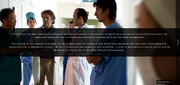
New E-learning on health care responsibilities in times of conflict
Are you a doctor wondering how to interact with the media, or a nurse wondering how to treat patient information in difficult circumstances? Are you an ambulance driver unsure of what your responsibilities are? Are you a hospital a
...
dministrator wondering what to do with overwhelming numbers of deceased patients? If so, the Health Care in Danger project's new e-learning module on the responsibilities of health-care personnel is for you.
The module introduces health-care personnel to the principles underpinning ethical considerations when working in conflict situations and other emergencies. Using an engaging multimedia interface, the module presents various dilemmas that medical personnel face every day. Users can explore these issues in depth by interacting virtually with experts in the field, studying real-life issues, and receiving guidance that helps them to make decisions in difficult situations. The module allows learners freedom to explore, and for each chapter includes documents with more detailed information on topics of interest to the user.
Access is completely free, and no login is required. The module functions on Safari, Internet Explorer 9 and later, Firefox, and Google Chrome, as well as on tablet devices. Would you like to get started? The module is available online, and hosted by ICRC.
more
Under the theme “Stronger Together”, the campaign aims to offer information and strategies to assist communities in the region in better coping with the psychological impact of adverse events before, during and after a disaster situation. It also aims to raise awareness to reduce the stigma abou
...
t seeking mental health and psychosocial support.
You can download a wide range of communication material: videos, posters, radio jingles, guidebooks.
The Caribbean is highly prone to natural hazards, including seismic activity, hurricanes, landslides and floods. These events have resulted in lost lives, serious injuries and severe damage to housing and infrastructure. A single hurricane event can affect more than one island, and completely erase the gains of many years of productivity. As a result, these unpredictable hazards create disruption and have an ongoing impact on people’s lives - affecting their mental health and psychosocial well-being.
Although everyone is affected in some way by disaster events, there are a wide range of reactions and feelings that a person can experience. People may feel overwhelmed, confused or very uncertain about what is happening. They can also feel very fearful, anxious, numb or detached. People who feel safe, connected, calm and hopeful, have access to social, physical and emotional support and find ways to help themselves after a disaster, however, will be better able to recover long-term from mental health effects
more

Community-based strategies play a significant role in many health systems in low- and middle-income countries, especially in light of critical shortages in the health workforce. The term community health worker has been used to refer to volunteers and salaried, professional or lay health workers wit
...
h a wide range of training, experience, scope of practice and integration in health systems. In the context of this study, we use the term community-based practitioner (CBPs) to reflect the diverse nature of these cadres of health workers.
CBPs provide preventive, promotive, curative and palliative services across a range of areas, including reproductive, maternal, newborn and child health, HIV, tuberculosis, malaria, control of other endemic diseases, and noncommunicable diseases. Significant evidence has emerged over the past two decades on their effectiveness, which has triggered interest in the potential to use their services to expand access to care, in particular in rural and underserved areas where deployment and retention of more qualified health workers is problematic. Calls have been made to integrate CBP programmes in human resources and health strategies, and to scale up rapidly the extent and coverage of CBP initiatives.
more

This publication presents the Agenda for the Americas on Health, Environment, and Climate Change 2021–2030 (the Agenda). The Agenda is a call to action to the health sector to lead the charge to address environmental determinants of health in the Americas. The Pan American Health Organization (PAH
...
O) will work with Member States to achieve its goal and objective to ensure healthy lives and promote well-being for all at all ages using a sustainable and equitable approach that places a priority on reducing health inequity. The Agenda has been developed under the umbrella of the WHO Global Strategy on Health, Environment, and Climate Change, and builds upon the commitments set forth in the Sustainable Health Agenda for the Americas 2018–2030 and the PAHO Strategic Plan 2020–2025. The Agenda was developed in consultation with the Technical Advisory Group and through a consensus-driven decision-making process with Member States during the 2019–2020 period. Looking toward the achievement of Sustainable Development Goal 3, the Agenda focuses on: improving the performance of environmental public health programs and institutions; fostering environmentally resilient and sustainable health systems; and promoting environmentally healthy and resilient cities and communities. Its implementation will be context-specific, based on the needs and realities of the countries. It will benefit countries and territories by promoting good governance practices, strengthening the leadership and coordination roles of the health sector, fostering cross-sectoral action, focusing on primary prevention, and enhancing evidence and communication. It will facilitate access to human, technical, and financial resources necessary to address environmental determinants of health and ensure that the Region is fully engaged in global health, environment, and climate change processes and agreements. The objective of the Agenda is to strengthen the capacity of health actors in the health and non-health sectors to address and adapt to environmental determinants of health (EDHs), prioritizing populations living in conditions of vulnerability, in order to meet Outcome 18 of the PAHO Strategic Plan 2020–2025 directly and several other outcomes of the Plan indirectly. To address and adapt to the challenges of EDHs in the Region, an integrated and evidence-informed approach within the health sector and across sectors will be needed, one enabled, and supported by good governance practices, adequate management mechanisms, high-level political will, and adequate human, technical, technological, and financial resources.
more
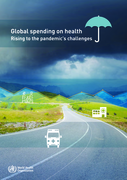
The results of the report clearly show that in 2020, a year dominated by the emergence of COVID-19 and its associated health and economic crises, governments around the world rose to the challenge. Sharp increases in government spending on health at all country income levels underpinned the rise in
...
health spending to a new high of US $9 trillion (approximately 11% of global GDP). Government health spending generally increased and offset declines in out-of-pocket spending. Importantly, the rise in government health spending was part of a much broader fiscal response to the pandemic. In high income and upper-middle income countries social protection spending also increased sharply in as governments attempted to cushion populations from the economic impacts of COVID-19. In contrast to health and social protection, growth in education spending was relatively subdued. Countries face the further challenge of sustaining increased public spending on health and other social sectors in the face of deteriorating macroeconomic conditions and rising debt servicing. This also includes the challenge of sustaining external support for low income countries, which is essential for reducing ensuring poverty, ensuring access to health services and strengthening pandemic preparedness.
more
We reviewed the evidence on community-based interventions for the prevention and control of cutaneous leishmaniasis (CL). Community initiatives tailored towards awareness and mobilisation are regarded as a priority area in the Neglected Tropical Disease Roadmap 2021–2030 by the World Health Organi
...
zation. We searched nine electronic databases for intervention-based
studies. Two independent reviewers screened and assessed the articles for methodological quality using predefined criteria. We conducted a meta-analysis using a random effects model, along with narrative synthesis. Thirteen articles were eligible for inclusion, of which 12 were quantitative studies (quasi-experimental with control group and pre-post interventions) and one qualitative
study. All articles reported on health education interventions aimed at changing people’s knowledge, attitudes, and practices (KAP) in relation to CL. Participant groups included students, mothers, housewives, volunteer health workers, and residents in general. An increased score was recorded for all outcomes across all interventions: knowledge (SMD: 1.85, 95% CI: 1.23, 2.47), attitudes (SMD:
1.36, 95% CI: 0.56, 2.15), and practices (SMD: 1.73, 95% CI: 0.99, 2.47). Whilst our findings show that educational interventions improved people’s knowledge, attitudes, and practices about CL, we argue that this approach is not sufficient for the prevention and control of this disease. Knowledge does not always translate into action, particularly where other structural barriers exist. Therefore,
we recommend the design of more innovative community-based interventions with a broader focus (e.g., stigma, financial barriers, and healthcare access).
more
KEY MESSAGES
Always talk to a GBV specialist first to understand what GBV services are available in your area. Some services may take the form of hotlines, a mobile app or other remote support.
Be aware of any other available services in your area. Identify services provided by humanitarian pa
...
rtners such as health, psychosocial support, shelter and non-food items. Consider services provided by communities such as mosques/ churches, women’s groups and Disability Service Organizations.
Remember your role. Provide a listening ear, free of judgment. Provide accurate, up-to-date information on available services. Let the survivor make their own choices. Know what you can and cannot manage. Even without a GBV actor in your area, there may be other partners, such as a child protection or mental health specialist, who can support survivors that require additional attention and support. Ask the survivor for permission before connecting them to anyone else. Do not force the survivor if s/he says no.
Do not proactively identify or seek out GBV survivors. Be available in case someone asks for support.
Remember your mandate. All humanitarian practitioners are mandated to provide non-judgmental and non-discriminatory support to people in need regardless of: gender, sexual orientation, gender identity, marital status, disability status, age, ethnicity/tribe/race/religion, who perpetrated/committed violence, and the situation in which violence was committed. Use a survivor-centered approach by practicing:
Respect: all actions you take are guided by respect for the survivor’s choices, wishes, rights and dignity.
Safety: the safety of the survivor is the number one priority.
Confidentiality: people have the right to choose to whom they will or will not tell their story. Maintaining confidentiality means not sharing any information to anyone.
Non-discrimination: providing equal and fair treatment to anyone in need of support.
If health services exist, always provide information on what is available. Share what you know, and most importantly explain what you do not. Let the survivor decide if s/he wants to access them. Receiving quality medical care within 72 hours can prevent transmission of sexually transmitted infections (STIs), and within 120 hours can prevent unwanted pregnancy.
Provide the opportunity for people with disabilities to communicate to you without the presence of their caregiver, if wished and does not endanger or create tension in that relationship.
If a man or boy is raped it does not mean he is gay or bisexual. Gender-based violence is based on power, not someone’s sexuality.
Sexual and gender minorities are often at increased risk of harm and violence due to their sexual orientation and/or gender identity. Actively listen and seek to support all survivors.
Anyone can commit an act of gender-based violence including a spouse, intimate partner, family member, caregiver, in-law, stranger, parent or someone who is exchanging money or goods for a sexual act.
Anyone can be a survivor of gender-based violence – this includes, but isn’t limited to, people who are married, elderly individuals or people who engage in sex work.
Protect the identity and safety of a survivor. Do not write down, take pictures or verbally share any personal/identifying information about a survivor or their experience, including with your supervisor. Put phones and computers away to avoid concern that a survivor’s voice is being recorded.
Personal/identifying information includes the survivor’s name, perpetrator(s) name, date of birth, registration number, home address, work address, location where their children go to school, the exact time and place the incident took place etc.
Share general, non-identifying information
To your team or sector partners in an effort to make your program safer.
To your support network when seeking self-care and encouragement.
more
It is widely understood that the food insecurity crisis in the Sahel and the Horn of Africa is one of the world’s fastest growing and most neglected crises. It lacks sufficient global focus, resources and urgency. As in so many crises, women and girls are disproportionately affected and shoulder t
...
he consequences of protracted neglect, with unconscionable impacts on their safety, life chances and agency.
Gaining a holistic view of the gendered drivers, risks and impacts of food insecurity in the Sahel and the Horn of Africa is difficult. This is due to a lack of data and prioritization, and the large geographical and socioeconomic terrain covered by both regions. However, what we do know about this crisis is more than enough to urgently address the needs of women and girls.
An OCHA discussion paper on this topic (which will be published imminently, and from which this policy brief is drawn) found that there is:
A strong risk of profound regression in gender equality gains made to date in the countries of concern, including on education, sexual and reproductive health, and the economic independence of women and girls (with knock-on effects on broader humanitarian and development outcomes).
An increasing challenge to reverse what must be recognized as a protracted and growing gender-based violence (GBV) emergency in the Sahel and the Horn of Africa.
The food insecurity crisis in the Sahel and the Horn of Africa is protracted, multidimensional and highly gendered, with spiralling impacts on gender equality and food security outcomes. It is driven by interwoven and overlapping factors, including climate change, political instability, conflict, socioeconomic conditions, migration and displacement and, more recently, COVID-19 and the war in Ukraine. Interlinked with these factors are gendered structural drivers of food insecurity, including deeply entrenched gender inequalities and harmful social norms. Gendered risks and impacts of food insecurity include alarming limitations on access to education, sexual and reproductive health rights, women’s agency and participation, and dramatic increases in different existing forms of GBV and the emergence of new ones. Recognition of such gendered dimensions of food insecurity and of the need for a multisectoral approach in the response is key to addressing the crisis, along-side sustained commitment and adequate allocation of resources. This policy brief draws out key findings from the OCHA discussion paper on this topic, which includes a desk review of studies, assessments and reports, and interviews with local women’s organizations on the front lines of the food insecurity crisis in communities across both regions.
Below are the most pressing gendered drivers, risks and impacts of food insecurity (not in order of priority), as well as key gaps in the current humanitarian response to food insecurity, and recommendations to take forward.
more

Background: Cardiovascular disease (CVD), mainly heart attack and stroke, is the
leading cause of premature mortality in low and middle income countries (LMICs).
Identifying and managing individuals at high risk of CVD is an important strategy to prevent and control CVD, in addition to multisector
...
al population-based interventions to reduce CVD risk factors in the entire population.
Methods: We describe key public health considerations in identifying and managing individuals at high risk of CVD in LMICs.
Results: A main objective of any strategy to identify individuals at high CVD risk is to maximize the number of CVD events averted while minimizing the numbers of
individuals needing treatment. Scores estimating the total risk of CVD (e.g. ten-year risk of fatal and non-fatal CVD) are available for LMICs, and are based on the main CVD risk factors (history of CVD, age, sex, tobacco use, blood pressure, blood cholesterol and diabetes status). Opportunistic screening of CVD risk factors enables identification of persons with high CVD risk, but this strategy can be widely applied in low resource settings only if cost effective interventions are used (e.g. the WHO Package of Essential NCD interventions for primary health care in low resource settings package) and if treatment (generally for years) can be sustained, including continued availability ofaffordable medications and funding mechanisms that allow people to purchase medications without impoverishing them (e.g. universal access to health care). Thisalso emphasises the need to re-orient health systems in LMICs towards chronic diseases management.
Conclusion: The large burden of CVD in LMICs and the fact that persons with high
CVD can be identified and managed along cost-effective interventions mean that
health systems need to be structured in a way that encourages patient registration, opportunistic screening of CVD risk factors, efficient procedures for the management of chronic conditions (e.g. task sharing) and provision of affordable treatment for those with high CVD risk. The focus needs to be in primary care because that is where most of the population can access health care and because CVD programmes can be run effectively at this level.
more

WHO has published the first-ever guidance on the clinical management of diphtheria. The only previously available guidance was an operational protocol. The new guidance followed the rigorous process for developing guidance at WHO.
It addresses the use of Diphtheria Antitoxin (DAT) in the treatmen
...
t of diphtheria. There is a worldwide shortage of DAT and evidence based recommendations on the use of DAT were requested by many Member States.
The guidance also includes new recommendations on antibiotics. In patients with suspected or confirmed diphtheria, WHO recommends using macrolide antibiotics (azithromycin, erythromycin) rather than penicillin antibiotics.
This clinical practice guideline has been rapidly developed recognizing the global increase in diphtheria outbreaks. Outbreaks of diphtheria in Nigeria, Guinea and neighbouring countries in 2023 have highlighted the urgent need for evidence-based clinical practice guidelines for the treatment of diphtheria. Given the sporadic nature of outbreaks, many clinicians in the affected regions have never managed acute diphtheria and its related complications. Diphtheria remains a neglected disease and vaccination is the top priority. At the same time, for patients with diphtheria, access to antibiotics, DAT and supportive care can be lifesaving.
more

Background
Noncommunicable diseases are major contributors to morbidity and mortality worldwide. Modifying the risk factors for these conditions, such as physical inactivity, is thus essential. Addressing the context or circumstances in which physical activity occurs may promote physical activity a
...
t a population level. We assessed the effects of infrastructure, policy or regulatory interventions for increasing physical activity.
Methods
We searched PubMed, Embase and clinicaltrials.gov to identify randomised controlled trials (RCTs), controlled before-after (CBAs) studies, and interrupted time series (ITS) studies assessing population-level infrastructure or policy and regulatory interventions to increase physical activity. We were interested in the effects of these interventions on physical activity, body weight and related measures, blood pressure, and CVD and type 2 diabetes morbidity and mortality, and on other secondary outcomes. Screening and data extraction was done in duplicate, with risk of bias was using an adapted Cochrane risk of bias tool. Due to high levels of heterogeneity, we synthesised the evidence based on effect direction.
Results
We included 33 studies, mostly conducted in high-income countries. Of these, 13 assessed infrastructure changes to green or other spaces to promote physical activity and 18 infrastructure changes to promote active transport. The effects of identified interventions on physical activity, body weight and blood pressure varied across studies (very low certainty evidence); thus, we remain very uncertain about the effects of these interventions. Two studies assessed the effects of policy and regulatory interventions; one provided free access to physical activity facilities and showed that it may have beneficial effects on physical activity (low certainty evidence). The other provided free bus travel for youth, with intervention effects varying across studies (very low certainty evidence).
Conclusions
Evidence from 33 studies assessing infrastructure, policy and regulatory interventions for increasing physical activity showed varying results. The certainty of the evidence was mostly very low, due to study designs included and inconsistent findings between studies. Despite this drawback, the evidence indicates that providing access to physical activity facilities may be beneficial; however this finding is based on only one study. Implementation of these interventions requires full consideration of contextual factors, especially in low resource settings.
more

Mental health problems are common and cause great suffering to individuals and communities around the world. They have a significant impact not only on the physical and mental health of those affected but also on their families and the communities they live in. At the same time, all communities have
...
their own traditional mechanisms for support and contain a range wide of resources that can be helpful in preventing mental health conditions from developing, promoting positive mental health and supporting the recovery of people that are struggling with a mental health condition.
In the wider context, people living with a mental health condition are often excluded from their communities and experience various violations to their basic human rights (discrimination, violence, exclusion from employment opportunities). The World Health Organization (WHO) estimates that the mean prevalence of global mental health disorders is 10.8% while the prevalence in emergency settings is 22.1% in any conflict-affected population.
During emergencies and crisis, the stigma, exclusion and discrimination towards people living with mental health conditions is often higher, which can cause isolation and protection issues. Communities can play a crucial role in promoting mental health as well as enhancing primary care and access. Their role is to help reduce mental health inequalities by providing community resources that connect people to community-based resources and by providing mental health education. This also helps to reduce the massive mental health treatment gap.
more

The burden of diabetes is enormous, positioning it as one of the main challenges facing public health today. Currently, it is estimated that 62 million people are living with diabetes in the Region of the Americas and projections show its prevalence will continue rising over the following years. The
...
Region shows the highest number of years of healthy life lost (through either disability or premature death) due to diabetes worldwide. The high costs associated with its treatment produce a heavy economic burden. Its complications can seriously affect the quality of life of people living with diabetes, their families, and society and overload health systems. This report shows the latest internationally comparable data on diabetes and its main risk factors by year, country, and sex. It also includes a summary of the countries health systems’ response to diabetes, including national plans, targets, surveillance, guidelines, and access to essential drugs and technologies, and synthesizes information about diabetes-related complications and the close relationship between diabetes and other pathologies, such as cardiovascular diseases, tuberculosis, and COVID-19. The data presented here reveal that, despite advances in national responses, diabetes continues to expand, and our response remains insufficient. This report aims to draw attention to the urgent need to strengthen efforts to prevent, diagnose, and control diabetes in the Region of the Americas.
more
Epidemiology of type 2 diabetes in India
Pradeepa, R.; Mohan, V.
Indian Journal of Ophthalmology 69(11):p 2932-2938, November 2021.
(2021)
CC2
The burden of diabetes is high and increasing globally, and in developing economies like India, mainly fueled by the increasing prevalence of overweight/obesity and unhealthy lifestyles. The estimates in 2019 showed that 77 million individuals had diabetes in India, which is expected to rise to over
...
134 million by 2045. Approximately 57% of these individuals remain undiagnosed. Type 2 diabetes, which accounts for majority of the cases, can lead to multiorgan complications, broadly divided into microvascular and macrovascular complications. These complications are a significant cause for increased premature morbidity and mortality among individuals with diabetes, leading to reduced life expectancy and financial and other costs of diabetes leading to profound economic burden on the Indian health care system. The risk for diabetes is largely influence by ethnicity, age, obesity and physical inactivity, unhealthy diet, and behavioral habits in addition to genetics and family history. Good control of blood sugar blood pressure and blood lipid levels can prevent and/or delay the onset of diabetes complications. The prevention and management of diabetes and associated complications is a huge challenge in India due to several issues and barriers, including lack of multisectoral approach, surveillance data, awareness regarding diabetes, its risk factors and complications, access to health care settings, access to affordable medicines, etc. Thus, effective health promotion and primary prevention, at both, individual and population levels are the need of the hour to curb the diabetes epidemic and reduce diabetes-related complications in India
more

Mpox continues to affect people around the world. A new framework released today by WHO will guide health authorities, communities and other stakeholders in preventing and controlling mpox outbreaks, eliminating human-to-human transmission of the disease, and reducing spillover of the virus from ani
...
mals to humans.
Mpox is a viral illness caused by the monkeypox virus (MPXV). It can cause a painful rash, enlarged lymph nodes and fever. Most people fully recover, but some get very sick. The virus transmits from person to person through close, including sexual, contact. It also has animal reservoirs in east, central and west Africa, where spillovers from animals to humans can occasionally occur, sparking further outbreaks.
There are two different clades of the virus: clade I and clade II. Clade I outbreaks are deadlier than clade II outbreaks.
A major emergence of mpox linked to clade II began in 2017, and since 2022, has spread to all regions of the world. Between July 2022 and May 2023, the outbreak was declared a Public Health Emergency of International Concern. While that outbreak has largely subsided, cases and deaths continue to be reported today, illustrating that low-level transmission continues around the world.
Currently, there is also a major outbreak of clade I virus in the Democratic Republic of the Congo (DRC), where cases have been on the rise for decades. Since the beginning of the year, over 6500 cases and 345 deaths have been reported in the DRC. Almost half of these are among children under the age of 15 years.
The Strategic framework for enhancing prevention and control of mpox (2024–2027) provides a roadmap for health authorities, communities, and stakeholders worldwide to control mpox outbreaks in every context, advance mpox research and access to countermeasures, and to minimize zoonotic transmission.
more

Our aim is to review current asthma epidemiology, achievements from the last 10 years, and persistent challenges of asthma man- agement and control in low-middle income countries (LMICs). Despite global efforts, asthma continues to be an important public health problem worldwide, particularly in poo
...
rly resourced settings. Several epidemiological studies in the last decades have shown significant variability in the prevalence of asthma globally, but generally a marked increase in LMICs resulting in significant mor- bidity and mortality. Poverty, air pollution, climate change, exposure to indoor allergens, urbanization and diet are some of the factors that contribute to inadequate control and poor outcomes in developing countries. Although asthma guidelines have been developed to raise awareness and improve asthma diagnosis and treatment, problems with underdiagnosis and undertreatment are still common. In addition, important social, financial, cultural and healthcare barriers are common obstacles in LMICs in achieving control. Given the high burden of asthma in these countries, adaptation and implementation of national asthma guidelines tailored to local needs should be a public health priority. Governmental commitment, education, better health system infrastructure, access to care and effective asthma medications are the cornerstone of achieving success.
more
Asthma is the most common chronic disease in children globally. The Global Asthma Network (GAN) Phase I study aimed to determine if the worldwide burden of asthma symptoms is changing.
This updated cross-sectional study used the same methods as the International study of Asthma and Allergies in Chi
...
ldhood (ISAAC) Phase III. Asthma symptoms were assessed from centres that completed GAN Phase I and ISAAC Phase I (1993–95), ISAAC Phase III (2001–03), or both. We included individuals from two age groups (children aged 6–7 years and adolescents aged 13–14 years) who self-completed written questionnaires at school. We estimated the 10-year rate of change in prevalence of current wheeze, severe asthma symptoms, ever having asthma, exercise wheeze, and night cough (defined by core questions in the questionnaire) for each centre, and we estimated trends across world regions and income levels using mixed-effects linear regression models with region and country income level as confounders.
Overall, 119 795 participants from 27 centres in 14 countries were included: 74 361 adolescents (response rate 90%) and 45 434 children (response rate 79%). About one in ten individuals of both age groups had wheeze in the preceding year, of whom almost half had severe symptoms. Most centres showed a change in prevalence of 2 SE or more between ISAAC Phase III to GAN Phase I. Over the 27-year period (1993–2020), adolescents showed a significant decrease in percentage point prevalence per decade in severe asthma symptoms (–0·37, 95% CI –0·69 to –0·04) and an increase in ever having asthma (1·25, 0·67 to 1·83) and night cough (4·25, 3·06 to 5·44), which was also found in children (3·21, 1·80 to 4·62). The prevalence of current wheeze decreased in low-income countries (–1·37, –2·47 to –0·27], in children and –1·67, –2·70 to –0·64, in adolescents) and increased in lower-middle-income countries (1·99, 0·33 to 3·66, in children and 1·69, 0·13 to 3·25, in adolescents), but it was stable in upper-middle-income and high-income countries.
Trends in prevalence and severity of asthma symptoms over the past three decades varied by age group, country income, region, and centre. The high worldwide burden of severe asthma symptoms would be mitigated by enabling access to effective therapies for asthma.
more
