
Filter
1104
Text search:
Organisation
de
la
Santé
Mondiale
Featured
Recommendations
122
New Publications
245
Language
Document type
No document type
493
Guidelines
216
Studies & Reports
130
Strategic & Response Plan
60
Fact sheets
58
Manuals
49
Training Material
30
Infographics
16
Situation Updates
15
Videos
14
Online Courses
9
Resource Platforms
8
Brochures
6
Countries / Regions
Congo, Democratic Republic of
120
Senegal
107
Burkina Faso
81
Benin
60
Guinea
48
Mali
44
Côte d’Ivoire / Ivory Coast
41
Global
39
Haiti
34
Cameroon
29
Madagascar
26
Central African Republic
23
Niger
21
Chad
16
Africa
16
Togo
14
Rwanda
13
West and Central Africa
7
Latin America and the Carribbean
5
Somalia
4
France
4
Morocco
3
Brazil
3
Burundi
3
Sri Lanka
3
Congo-Brazzaville
3
Nigeria
2
Ethiopia
2
Iraq
2
Syria
2
Indonesia
2
Mozambique
2
Angola
2
Russia
2
Portugal
2
Jordan
1
Germany
1
Zambia
1
Turkey
1
Kenya
1
Tanzania
1
Cambodia
1
Mauritania
1
Malawi
1
Argentina
1
East and Southern Africa
1
Middle East and North Africa
1
South–East Asia Region
1
Eastern Europe
1
Timor Leste/ East Timor
1
Gabon
1
Tunisia
1
Authors & Publishers
Publication Years
Category
Countries
367
Clinical Guidelines
96
Women & Child Health
73
Key Resources
62
Public Health
44
Capacity Building
22
Pharmacy & Technologies
19
Toolboxes
COVID-19
145
Ebola & Marburg
100
Mental Health
71
Rapid Response
54
Caregiver
49
Malaria
43
NTDs
36
TB
30
HIV
24
AMR
23
Pharmacy
23
Zika
20
Planetary Health
20
2.0 Rapid Response
19
Cholera
18
Disability
15
Polio
9
Refugee
9
Conflict
7
Natural Hazards
6
Global Health Education
5
NCDs
2
Specific Hazards
1
Health Financing Toolbox
1

Massoda Tonye et al. Malar J (2018) 17:156
https://doi.org/10.1186/s12936-018-2284-7
Background: In 2011, the demographic and health survey (DHS) in Cameroon was combined with the multiple indicator
cluster survey. Malaria parasitological data were collected, but the survey period did not overl
...
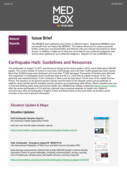
Earthquake Haiti: Guidelines and Resources
recommended
25 August 2021. The earthquake on August 14, 2021 was almost as strong as the severe quake in 2010, which killed about 300,000 people. The current number of victims is more than 2,200 people, and more than 12,000 people have been injured. More than 52,000 houses were destroyed and more than 77,000
...

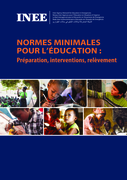
The INEE Minimum Standards Handbook is the only global tool that articulates the minimum level of educational quality and access in emergencies through to recovery. The Minimum Standards express a commitment that all individuals—children, youth and adults—have a right to education. The aim of th
...
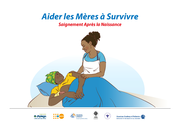
This guide supports the low-dose, high-frequency practice of scenerios needed to maintain competency in prevention and management of postpartum hemorrhage. The document is learner centered and is directly linked to service delivery standards. It is part of the Helping Mothers Survive Bleeding After
...
Malaria remains a significant public health concern, particularly in sub-Saharan Africa, where the majority of cases and fatalities occur, especially among children under five. Although there was a significant decline in global mortality and incidence between 2000 and 2015, progress has stalled sinc
...


CoPEH-Canada has generated a series of teaching and training resources over more than a decade. These resources began with the production of the CoPEH-Canada Teaching Manual (2012), which is dedicated to Bruce Hunter. Our training resources have expanded to include a range of resources including: Mo
...

Driving progress towards rabies elimination: Results of Gavi’s Learning Agenda on rabies and new WHO position on rabies immunization

At present at least 2.2 billion people around the world have a vision impairment, of whom at least 1 billion have a vision impairment that could have been prevented or is yet to be addressed. The world faces considerable challenges in terms of eye care, including inequalities in the coverage and qua
...

This global progress report attempts to lay the groundwork for the kind of accelerated action needed. Section 1 presents key data, trends and developments in women’s, children’s and adolescents’ health and well-being. That is followed in Section 2 by a deeper dive into the impact of the COVID-
...

Benchmarking is a strategic process often used by businesses and institutes to standardize performance in relation to the best practices of their sector. The World Health Organization (WHO) and partners have developed a tool with a list of benchmarks and corresponding suggested actions that can be a
...
