
Filter
1481
Text search:
Глобальный
Featured
59
43
Language
Document type
463
264
151
130
122
79
73
55
44
31
21
18
12
11
7
Countries
1474
25
16
14
12
12
9
9
8
8
8
7
7
7
6
6
6
5
5
5
4
4
4
4
4
4
4
3
3
3
3
2
2
2
2
2
2
2
2
2
2
2
2
2
2
1
1
1
1
1
1
1
1
1
1
1
1
1
1
1
1
1
1
1
1
1
1
1
1
1
1
1
1
1
1
1
1
1
1
1
1
Authors & Publishers
Publication Years
Category
437
212
77
66
63
47
14
Toolboxes
384
207
183
147
107
79
68
53
36
32
23
22
21
18
14
12
10
9
9
8
4
3
1
1
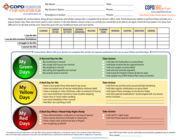
Please complete the section below. Bring all your medicines and inhalers along with a complete list to doctor’s office visits. Think about your ability to perform these activities on a typical “green” day. Place one check mark in each column. In the last (blank) column write in an activity you
...

Asthma is one of the most common non-communicable diseases globally. This study aimed to assess asthma medicine use, management plan availability, and disease control in childhood, adolescence, and adulthood across different country settings.

asthma is a chronic inflammatory and a heterogeneous condition of respiratory system whose pathogenesis is linked with variable structural changes. The clinical manifestation of asthma includes attacks of breathlessness, cough, chest tightness and wheezing. Provision of basic equipment and test for
...

Air pollution from road traffic is a serious health hazard, and people with preexisting respiratory disease may be at increased risk. We investigated the effects of short-term exposure to diesel traffic in people with asthma in an urban, roadside environment.

This document updates the ARIA sections on the links between rhinitis and asthma. Relevant publications between January 2000 and December 2005 were included. Complementary and alternative medicine is not evaluated in this document since it has been published separately. Likewise, an update on pharma
...

The aim of the present study was to predict which patients with severe or difficult-to-treat asthma are at highest risk for healthcare utilisation can be predicted so as to optimise clinical management. Data were derived from 2,821 adults with asthma enrolled in The Epidemiology and Natural History
...

The Asthma Control Questionnaire (ACQ) was developed to measure the primary goals of asthma management as identified by international guidelines. All guidelines indicate that to achieve good control, treatment should minimise day- and night-time symptoms, activity limitation, airway narrowing and re
...

The development of the Asthma Control Test (ACT), a short, simple, patient-based tool for identifying patients with poorly controlled asthma, was recently described in patients under the routine care of an asthma specialist.
We sought to evaluate the reliability and validity of the ACT in a longi
...

Considerable energy has been expended over the last two decades in developing methods for identifying the presence of asthma among participants in population studies. The objective of this endeavour has commonly been to enable epidemiological research on risk factors for asthma, with the ultimate ai
...

The Asthma Control Questionnaire (ACQ)1 was developed and validated to measure the primary clinical goal of asthma management as identified by international guidelines. They indicate that to achieve good control, treatment should minimise day and night time symptoms, activity limitation, airway narr
...
Asthma guidelines indicate that the goal of treatment should be optimum asthma control. In a busy clinic practice with limited time and resources, there is need for a simple method for assessing asthma control with or without lung function testing.

Asthma is one of the most common chronic respiratory conditions in the world and is increasing in prevalence, particularly in Africa and other low-income countries. The disproportionately high numbers of premature deaths and severe or uncontrolled cases in many African countries are indicative of th
...

Urbanisation has been associated with temporal and geographical differences in asthma prevalence in low-income and middle-income countries (lMics). however, little is known of the mechanisms by which urbanisation and asthma are associated, perhaps explained by the methodological approaches used to a
...
Demographic and epidemiological transitions are changing the age structure of the population and the most common diseases. Non-communicable respiratory diseases are an increasing problem at both ends of the age range in low-income and middle-income countries. In children, who represent a large propo
...

Allergic rhinitis (AR) and asthma are inflammatory conditions of the airways that often occur concomitantly. This global survey was undertaken to understand patient perspectives regarding symptoms, treatments, and the impact on their well-being of comorbid AR and asthma.

Health economics is receiving more attention as decisionmakers — including purchasers, physicians and patients seek a more comprehensive understanding of the impact of adopting new health care strategies in developed and developing countries. Formal economic evaluation is playing an increasingly i
...
It is estimated that as many as 300 million people of all ages, and all ethnic backgrounds, suffer from asthma and the burden of this disease to governments, health care systems, families, and patients is increasing worldwide. In 1989 the Global Initiative for Asthma (GINA) program was initiated in
...

Language influences the way we think, how we perceive reality, and how we behave. With respect to HIV, language can embody stigma and discrimination, which impacts access to testing, acquisition of HIV, and engagement with treatment. Language plays a role in supporting respect and empowerment of ind
...
i. A person who is a contact of a probable or confirmed mpox case in the 21 days before the onset of signs or symptoms, and who presents with any of the following: acute onset of fever (>38.5°C), headache, myalgia (muscle pain/body aches), back pain, profound weakness or fatigue.
OR
ii. A per
...

The Global Asthma Report (GAR) 2022, prepared by the Global Asthma Network (GAN), is the fourth such report (others 2011, 2014, 2018). GAN builds upon the work of the International Study of Asthma and Allergies in Childhood (ISAAC) and The International Union Against Tuberculosis and Lung Disease (T
...
