
Filter
14608
Filtered Results: 14608
Text search:
World
Health
Organsiation
WHO
Featured
Recommendations
1339
New Publications
3280
Language
Document type
No document type
7088
Studies & Reports
2493
Guidelines
1910
Manuals
715
Fact sheets
632
Strategic & Response Plan
515
Training Material
300
Situation Updates
255
Resource Platforms
193
Infographics
174
Online Courses
122
Videos
95
Brochures
67
Dashboards/Maps
36
App
13
Countries / Regions
Global
790
India
470
Kenya
317
Sierra Leone
286
Nigeria
253
Uganda
249
Liberia
245
Western and Central Europe
239
South Africa
237
Ethiopia
236
Latin America and the Carribbean
215
Nepal
211
Africa
200
Myanmar / Burma
190
Syria
189
Russia
178
Ukraine
168
Rwanda
167
Bangladesh
167
Zambia
167
Tanzania
162
Congo, Democratic Republic of
160
Malawi
154
Ghana
143
Namibia
123
Mozambique
117
Eastern Europe
112
Brazil
109
South Sudan
109
Philippines
106
Indonesia
104
Middle East and North Africa
99
South–East Asia Region
88
Lesotho
87
Yemen
87
Guinea
86
West and Central Africa
83
Senegal
82
Haiti
81
Cambodia
80
Zimbabwe
79
Asia
73
Germany
71
East and Southern Africa
70
Venezuela
63
Burkina Faso
61
Colombia
57
Cameroon
55
Eastern Europe and Central Asia
53
Botswana
51
Angola
45
Mali
39
Madagascar
39
Eswatini/ Swaziland
39
Pakistan
39
Afghanistan
37
Sudan
36
Benin
35
Paraguay
35
China
34
Central African Republic
33
Somalia
32
Lebanon
30
Western Pacific Region
28
Vietnam
28
Jordan
27
Thailand
26
Guinea-Bissau
26
Côte d’Ivoire / Ivory Coast
26
Niger
24
Tajikistan
23
Peru
23
Iraq
22
Argentina
21
Chad
21
Turkey
20
Sri Lanka
20
Moldova
19
Laos
18
North America
18
Chile
16
Georgia
15
Ecuador
15
Albania
14
Kazakhstan
13
Mexico
12
Togo
12
Iran
12
Kyrgyzstan
12
Burundi
12
Spain
12
Libya
12
Armenia
11
Bolivia
11
Egypt
11
Palestine
11
North Macedonia
10
Saudi Arabia
10
Portugal
10
Belarus
10
Timor Leste/ East Timor
9
USA
9
Papua New Guinea
9
Greece
9
El Salvador
8
Romania
8
Gambia
7
Malaysia
7
Tunisia
7
Southern Africa
7
Poland
7
Honduras
7
Bhutan
7
Guatemala
7
Serbia
6
Jamaica
6
Japan
6
Estonia
5
Uzbekistan
5
Morocco
5
Hungary
5
Turkmenistan
5
France
5
Azerbaijan
5
Switzerland
4
Fiji
4
Congo-Brazzaville
4
Mauritania
4
Italy
4
United Kingdom
4
Nicaragua
4
Djibouti
4
Canada
3
Singapore
3
Mongolia
3
Qatar
3
Dominican Republic
3
Croatia
3
Gabon
3
Uruguay
3
Mauritius
3
Israel
3
Bosnia and Herzegovina
3
North Korea
2
Bulgaria
2
Lithuania
2
Ireland
2
Denmark
2
Algeria
2
Slovakia
2
Cuba
2
Australia
1
Vanuatu
1
Cape Verde
1
Belgium
1
Maldives
1
Norway
1
South Korea
1
Morocco
1
Latvia
1
Barbados
1
Belize
1
Costa Rica
1
Eritrea
1
Guyana
1
Panama
1
Solomon Islands
1
Authors & Publishers
Publication Years
Category
Countries
4909
Clinical Guidelines
998
Public Health
808
Key Resources
805
Women & Child Health
709
Capacity Building
334
Pharmacy & Technologies
151
Annual Report MEDBOX
3
Toolboxes
COVID-19
1677
Mental Health
1055
HIV
990
TB
760
NTDs
603
Disability
587
Planetary Health
517
Ebola & Marburg
497
AMR
406
Caregiver
396
Conflict
384
NCDs
378
Rapid Response
321
Refugee
262
Global Health Education
262
Malaria
226
Pharmacy
221
Health Financing Toolbox
184
Natural Hazards
174
2.0 Rapid Response
172
Zika
163
Cholera
129
Polio
81
Specific Hazards
77
Social Ethics
54
Typhoon
6
South Sudan
2
Human African trypanosomiasis (HAT), or sleeping sickness, is an endemic disease in 36 sub-Saharan African countries, typically occurring in underdeveloped areas, where
health systems face significant difficulties of diverse natures.
The Pediatric Praziquantel Consortium was founded in July 2012 as the first international, non-profit, public-private partnership in schistosomiasis, supported by world leading experts in tropical parasitic infectious diseases.
Spanish version of "Developing Pharmacy Practice" - WHO/FIP Joint handbook -
Este manual de introducción marca un nuevo paradigma en la práctica de farmacia. Intenta guiar a los formadores en atención farmacéutica para educar a los estudiantes de farmacia y a los farmacéuticos ya estableci...
Lancet Glob Health 2019Published OnlineOctober 22, 2019 https://doi.org/10.1016/S2214-109X(19)30425-5
A non-exhaustive reference list of organizations working with and for persons with disabilities world-wide.

The Lancet Global Health, Vol. 6, No. 10 Published: August 29, 2018

Trachoma causes more vision loss and blindness than any other infection in the world. This disease is caused by Chlamydia trachomatis bacteria. Other variants or strains of these bacteria can cause a sexually transmitted infection (chlamydia) and disease in lymph nodes.
This is photomicrograph ...
About six to seven million people worldwide, mostly in Latin America, are estimated to be infected with
Trypanosoma cruzi, the parasite that causes Chagas disease (WHO data from 2021). Chagas disease is
found mainly in endemic areas of 21 Latin American countries.

In many conflicts around the world, more children die from diseases linked to unsafe water than from direct violence. UNICEF is releasing Water Under Fire volume 3, a report that highlights the issues children face in accessing water in times of war. The report demonstrates the humanitarian impact o...
Chronic respiratory diseases, such as asthma and
chronic obstructive pulmonary disease, kill more than
four million people every year and affect hundreds
of millions more. These diseases erode the health
and well-being of the patients and have a negative
impact on families and societies. Women ...
A practical tool to help health workers in the clinical and operational management of multidrug-resistant tuberculosis with special focus on the introduction, implementation and management of the nine-month treatment regimen.
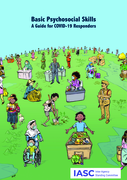
Basic psychosocial support skills are at the core of any Mental Health and PsychosocialSupport (MHPSS) intervention. Such skills are also indispensable for many others involvedin the COVID-19 response, whether they identify as an MHPSS provider or not. Thus, this guide is meant for all COVID-19 resp...
Refugees1 with disabilities have specific needs and face particular forms of discrimination. As highlighted in the Executive Committee Conclusion No. 110 (LXI)–2010, it is important for UNHCR to ensure that the rights of persons with disabilities who are of concern to the Office are met without di...

The findings of the report are both urgent and devastating. At the current rate of progress, by 2040 we would still have 1.9 million new HIV infections and 990,000 AIDS-related deaths in children. But if funding for HIV prevention and treatment continues to fall as current trends suggest, the world ...

Training On The Misp For Sexual And Reproductive Health In Crisis Part 2
In our fourth year of producing The State of Open Humanitarian Data, we can report the highest levels yet for data availability across priority humanitarian operations. These gains can be attributed to the commitment of organizations to sharing and maintaining their data publicly. There was also str...

This research is one case in a study commissioned by the World Food Programme to investigate the participation of recipient community in the targeting and management of humanitarian food assistance in complex emergencies. The study involved a substantial desk review of existing documentation, and th...
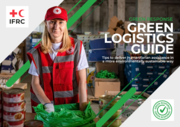
In line with the Climate and Environment Charter for Humanitarian Organisations which IFRC, ICRC and various Red Cross Red Crescent National Societies have endorsed, this short Guide aims to help practitioners integrate environmental and climate change considerations into their work. It has been dev...
Medicina 2019, 55, 553; doi:10.3390/medicina55090553
Results: Twenty-one studies were analyzed, most of them demonstrating an association between the existence of burnout and the worsening of patient safety. High levels of burnout is more common among physicians and nurses, and it is associated wit...

This predominantly qualitative research on disability and development in Myanmar was conducted between August 2011 and February 2012, in three commercial centres of Yangon, Mandalay and Taunggyi. Stakeholders of service providers, persons with disabilities (PWDs) and families of disabled people were...
