Filter
3135
Text search:
World
Health
Organization
(WHO),
UNICEF
Featured
357
945
Language
2864
137
110
76
61
45
27
16
11
7
6
5
4
4
4
4
4
4
3
3
3
3
2
2
2
2
2
2
2
2
2
2
2
2
2
2
2
2
2
2
1
1
1
1
1
1
1
1
1
1
1
1
1
1
1
1
1
1
1
1
1
1
1
1
1
1
1
1
1
1
1
1
1
1
1
1
1
1
1
1
1
1
1
1
1
1
1
1
1
1
1
1
1
1
1
1
1
1
Document type
1620
508
426
172
138
105
79
51
14
9
7
4
1
Countries
146
102
102
83
81
75
75
74
68
64
58
57
56
48
45
44
43
37
37
35
34
32
32
30
29
28
27
26
25
25
24
23
22
20
20
20
19
18
17
17
17
17
16
15
14
14
14
14
13
12
12
12
11
11
9
9
9
9
9
8
8
8
8
7
7
6
6
6
6
5
5
5
5
5
5
5
4
4
4
4
4
4
4
4
4
3
3
3
3
3
2
2
2
2
2
2
2
2
2
2
2
2
2
2
2
1
1
1
1
1
1
1
1
1
1
1
1
1
1
1
1
1
1
1
1
1
1
1
1
1
Authors & Publishers
611
248
135
107
100
89
72
61
46
39
25
20
20
18
18
16
16
16
15
13
13
13
13
13
12
12
12
12
11
11
10
10
10
10
10
10
9
9
9
9
9
9
8
8
8
8
8
7
7
7
7
7
7
7
7
7
7
7
7
6
6
6
6
6
6
6
6
6
6
6
5
5
5
5
5
5
5
5
5
5
5
5
5
5
5
5
5
5
5
5
5
5
5
4
4
4
4
4
4
4
4
4
4
4
4
4
4
4
4
4
4
4
4
4
4
4
4
4
4
4
4
4
4
4
4
3
3
3
3
3
3
3
3
3
3
3
3
3
3
3
3
3
3
3
3
3
3
3
3
3
3
3
3
3
3
3
3
3
3
3
3
3
3
3
3
3
3
3
3
3
3
3
3
3
3
3
3
3
3
2
2
2
2
2
2
2
2
2
2
2
2
2
2
2
2
2
2
2
2
2
2
2
2
2
2
2
2
2
2
2
2
2
2
2
2
2
2
2
2
2
2
2
2
2
2
2
2
2
2
2
2
2
2
2
2
2
2
2
2
2
2
2
2
2
2
2
2
2
2
2
2
2
2
2
2
2
2
2
2
2
2
2
2
2
2
2
2
2
2
2
2
2
2
2
2
2
2
2
2
2
2
2
2
2
2
2
2
2
2
2
2
2
2
2
2
2
2
2
2
2
2
2
2
2
2
2
2
2
2
2
2
2
2
2
2
2
2
2
2
2
2
2
2
2
2
2
2
2
2
2
2
2
2
2
2
2
2
2
2
2
2
2
2
2
2
2
2
2
2
2
2
2
2
2
2
2
2
2
2
2
2
2
2
2
1
1
1
1
1
1
1
1
1
1
1
1
1
1
1
1
1
1
1
1
1
1
1
1
1
1
1
1
1
1
1
1
1
1
1
1
1
1
1
1
1
1
1
1
1
1
1
1
1
1
1
1
1
1
1
1
1
1
1
1
1
1
1
1
1
1
1
1
1
1
1
1
1
1
1
1
1
1
1
1
1
1
1
1
1
1
1
1
1
1
1
1
1
1
1
1
1
1
1
1
1
1
1
1
1
1
1
1
1
1
1
1
1
1
1
1
1
1
1
1
1
1
1
1
1
1
1
1
1
1
1
1
1
1
1
1
1
1
1
1
1
1
1
1
1
1
1
1
1
1
1
1
1
1
1
1
1
1
1
1
1
1
1
1
1
1
1
1
1
1
1
1
1
1
1
1
1
1
1
1
1
1
1
1
1
1
1
1
1
1
1
1
1
1
1
1
1
1
1
1
1
1
1
1
1
1
1
1
1
1
1
1
1
1
1
1
1
1
1
1
1
1
1
1
1
1
1
1
1
1
1
1
1
1
1
1
1
1
1
1
1
1
1
1
1
1
1
1
1
1
1
1
1
1
1
1
1
1
1
1
1
1
1
1
1
1
1
1
1
1
1
1
1
1
1
1
1
1
1
1
1
1
1
1
1
1
1
1
1
1
1
1
1
1
1
1
1
1
1
1
1
1
1
1
1
1
1
1
1
1
1
1
1
1
1
1
1
1
1
1
1
1
1
1
1
1
1
1
1
1
1
1
1
1
1
1
1
1
1
1
1
1
1
1
1
1
1
1
1
1
1
1
1
1
1
1
1
1
1
1
1
1
1
1
1
1
1
1
1
1
1
1
1
1
1
1
1
1
1
1
1
1
1
1
1
1
1
1
1
1
1
1
1
1
1
1
1
1
1
1
1
1
1
1
1
1
1
1
1
1
1
1
1
1
1
1
1
1
1
1
1
1
1
1
1
1
1
1
1
1
1
1
1
1
1
1
1
1
1
1
1
1
1
1
1
1
1
1
1
1
1
1
1
1
1
1
1
1
1
1
1
1
1
1
1
1
1
1
1
1
1
1
1
1
1
1
1
1
1
1
1
1
1
1
1
1
1
1
1
1
1
1
1
1
1
1
1
1
1
1
1
1
1
1
1
1
1
1
1
1
1
1
1
1
1
1
1
1
1
1
1
1
1
1
1
1
1
1
1
1
1
1
1
1
1
1
1
1
1
1
1
1
1
1
1
1
1
1
1
1
1
1
1
1
1
1
1
1
1
1
1
1
1
1
1
1
1
1
1
1
1
1
1
1
1
1
1
1
1
1
1
1
1
1
1
1
1
1
1
1
1
1
1
1
1
1
1
1
1
1
1
1
1
1
1
1
1
1
1
1
1
1
1
1
1
1
1
1
1
1
1
1
1
1
1
1
1
1
1
1
1
1
1
1
1
1
1
1
1
1
1
1
1
1
1
1
1
1
1
1
1
1
1
1
1
1
1
1
1
1
1
1
1
1
1
1
1
1
1
1
1
1
1
1
1
1
1
1
1
1
1
1
1
1
1
1
1
1
1
1
1
1
1
1
1
1
1
1
1
1
1
1
1
1
1
1
1
1
1
1
1
1
1
1
1
1
1
1
1
1
1
1
1
1
1
1
1
1
1
1
1
1
1
1
1
1
1
1
1
1
1
1
1
1
1
1
1
1
1
1
1
1
1
1
1
1
1
1
1
1
1
1
1
1
1
1
1
1
1
1
1
1
1
1
1
1
1
1
1
1
1
1
1
1
1
1
1
1
1
1
1
1
1
1
1
1
1
1
1
1
1
1
1
1
1
1
1
1
1
1
1
1
1
1
1
1
1
1
1
1
1
1
1
1
1
1
1
1
1
1
1
1
1
1
1
1
1
1
1
1
1
1
1
1
1
1
1
1
1
1
1
1
1
1
1
1
1
1
1
1
1
1
1
1
1
1
1
1
1
1
1
1
1
1
1
1
1
1
1
1
1
1
1
1
1
1
1
1
1
1
1
1
1
1
1
1
1
1
1
1
1
1
1
1
1
1
1
1
1
1
1
1
1
1
1
1
1
1
1
1
1
1
1
1
1
1
1
1
1
1
1
1
1
1
1
1
1
1
1
1
1
1
1
1
1
1
1
1
1
1
1
1
1
1
1
1
1
1
1
1
1
1
1
1
1
1
1
1
1
1
1
1
1
1
1
1
1
1
1
1
1
1
1
1
1
1
1
1
1
1
1
1
1
1
1
1
1
1
1
1
1
1
1
1
1
1
1
1
1
1
1
1
1
1
1
1
1
1
1
1
1
1
1
1
1
1
1
1
1
1
1
1
1
1
1
1
1
1
1
1
1
1
1
1
1
1
1
1
1
1
1
1
1
1
1
1
1
1
1
1
1
1
1
1
1
1
1
1
1
1
1
1
1
1
1
1
1
1
1
1
1
1
1
1
1
1
1
1
1
1
1
1
1
1
1
1
1
1
1
1
1
1
1
1
1
1
1
1
1
1
1
1
1
1
1
1
1
1
1
1
1
1
1
1
1
1
1
1
1
1
1
1
1
1
1
1
1
1
1
1
1
1
1
1
1
1
1
1
1
1
1
1
1
1
1
1
1
1
1
1
1
1
1
1
1
1
1
1
1
1
1
1
1
1
1
1
1
1
1
1
1
1
1
1
1
1
1
1
1
1
1
1
1
1
1
1
1
1
1
1
1
1
1
1
1
1
1
1
1
1
1
1
1
1
1
1
1
1
1
1
1
1
1
1
1
1
1
1
1
1
1
1
1
1
1
1
1
1
1
1
1
1
1
1
1
1
1
1
1
1
1
1
1
1
1
1
1
1
1
1
1
1
1
1
1
1
1
1
1
1
1
1
1
1
1
1
1
1
1
1
1
1
1
1
1
1
1
1
1
1
1
1
1
1
1
1
1
1
1
1
1
1
1
1
1
1
1
1
1
1
1
1
1
1
1
1
1
1
1
1
1
1
1
1
1
1
1
1
1
1
1
1
1
1
1
1
1
1
1
1
1
1
1
1
1
1
1
1
1
1
1
1
1
1
1
1
1
1
1
1
1
1
1
1
1
1
1
1
1
1
1
1
1
1
1
1
1
1
1
1
1
1
1
1
1
1
1
1
1
1
1
1
1
1
1
1
1
1
1
1
1
1
1
1
1
1
1
1
1
1
1
1
1
1
1
1
1
1
1
1
1
1
1
1
1
1
1
1
1
1
1
1
1
1
1
1
1
1
1
1
1
1
1
1
1
1
1
1
1
1
1
1
1
1
1
1
1
1
1
1
1
1
1
1
1
1
1
1
1
1
1
1
1
1
1
1
1
1
1
1
1
1
1
1
1
1
1
1
1
1
1
1
1
1
1
1
1
1
1
1
1
1
1
1
1
1
1
1
1
1
1
1
1
1
1
1
1
1
1
1
1
1
1
1
1
1
1
1
1
1
1
1
1
1
1
1
1
1
1
1
1
1
1
1
1
1
1
1
1
1
1
1
1
1
1
1
1
1
1
1
1
1
1
1
1
1
1
1
1
1
1
1
1
1
1
1
1
1
1
1
1
1
1
1
1
1
1
1
1
1
1
1
1
1
1
1
1
1
1
1
1
1
1
1
1
1
1
1
1
1
1
1
1
1
1
1
1
1
1
1
1
1
1
1
1
1
1
1
1
1
1
1
1
1
1
1
1
1
1
1
1
1
1
1
1
1
1
1
1
1
1
1
1
1
1
1
1
1
1
1
1
1
1
1
1
1
1
1
1
1
1
1
1
1
1
1
1
1
1
1
1
1
1
1
1
1
1
1
1
1
1
1
1
1
1
1
1
1
1
1
1
1
1
1
1
1
1
1
1
1
1
1
1
1
1
1
1
1
1
1
1
1
1
1
1
1
1
1
1
1
1
1
1
1
1
1
1
1
1
1
1
1
1
1
1
1
1
1
1
1
1
1
1
1
1
1
1
1
1
1
1
1
1
1
1
1
Publication Years
1097
1766
262
10
Category
1282
366
261
198
129
70
23
Toolboxes
373
160
154
136
120
117
94
88
60
54
47
46
46
43
41
38
37
34
31
30
27
20
10
7
4
1
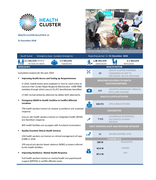
Emergency WASH in Health Facilities in Conflict Affected Locations 756 health workers trained on disease surveillance and outbreak response.
Around 142 h
...
ealth workers trained on integrated health (WASH and Nutrition) response. 405 health facilities are equipped with functional incinerators.
Quality Essential Clinical Health Services 194 health workers are trained on clinical management of rape (CMR) in 2018. 259 sexual and gender based violence (SGBV) survivors referred to the health facilities.
Improving Resilience- Mental Health Response 514 health workers trained on mental health and psychosocial support (MPHSS) in conflict affected areas.
more

To enhance health co-benefits across urban policies which tackle air pollution and climate change, WHO, in cooperation with various international, national, and local partners, implemented the Urban
...
Health Initiative (UHI) pilot project in Accra, Ghana. The Initiative prompted the health sector to use its influential position to demonstrate to decision-makers and the public the full range of health, environmental and economic benefits that can be achieved from implementing local emission reduction and energy access policies and strategies. Policy tracking, although not always considered, is a fundamental component of this procedure. It assesses the planning, implementation and progress of a policy to refine or adjust policies with the final objective of increasing the likelihood of the policy being successful. This report is an outcome of the last component of the UHI model process, Policy tracking and monitoring outcomes. The report proposes a framework for tracking urban health policies, with a special focus on the impacts of air quality and energy access on human health and well-being in African countries, giving some examples from the pilot project in Accra. The report also provides resources to survey air quality in cities and other tools to assess public health and the environmental impacts of urban policies and monitor or track their effects.
more
Measures to strengthen primary health-care systems in low- and middle-income countries
Etienne V Langlois, Andrew Mc Kenzie, Helen Schneider & Jeffrey W Mecaskey
World Health Organization
(2020)
C_WHO
Primary health care offers a cost–effective route to achieving universal health coverage (UHC). However, primary health-care syst
...
ems are weak in many low- and middle-income countries and often fail to provide comprehensive, people-centred, integrated care. We analysed the primary health-care systems in 20 low- and middle-income countries using a semi-grounded approach. Options for strengthening primary health-care systems were identified by thematic content analysis. We found that: (i)despite the growing burden of noncommunicable disease, many low- and middle-income countries lacked funds for preventive services; (ii)community health workers were often under-resourced, poorly supported and lacked training; (iii)out-of-pocket expenditure exceeded 40% of total health expenditure in half the countries studied, which affected equity; and (iv)health insurance schemes were hampered by the fragmentation of public and private systems, underfunding, corruption and poor engagement of informal workers. In 14 countries, the private sector was largely unregulated. Moreover, community engagement in primary health care was weak in countries where services were largely privatized. In some countries, decentralization led to the fragmentation of primary health care. Performance improved when financial incentives were linked to regulation and quality improvement, and community involvement was strong. Policy-making should be supported by adequate resources for primary health-care implementation and government spending on primary health care should be increased by at least 1% of gross domestic product. Devising equity-enhancing financing schemes and improving the accountability of primary health-care management is also needed. Support from primary health-care systems is critical for progress towards UHC in the decade to 2030.
more

A lot has happened this year. While we continued to tackle the COVID-19 pandemic, we were hit by disease outbreaks and
humanitarian crises. Yet, despite these challenges, we marched on, resolute in resolving critical health systems issues to increa
...
se
access to quality healthcare services. To further our vision and bring concrete actions to reality, under
the leadership of the Government of South Sudan, we developed the Health Sector Strategic Plan to define the strategic
approaches, key interventions, mapping resource needs, and the implementation framework to strengthen the health system
to deliver essential quality health services equitably for 2023 to 2027. For WHO, this Plan will usher in a new reality -- access
to lifesaving or health-promoting interventions is doable and possible, making the health sector fairer, especially for those
unable to pay
more

The classification of digital health interventions (DHIs) categorizes the different ways in which digital and mobile technologies are being used to support health system needs. Historically, the di
...
verse communities working in digital health—including government stakeholders, technologists, clinicians, implementers, network operators, researchers, donors— have lacked a mutually understandable language with which to assess and articulate functionality. A shared and standardized vocabulary was recognized as necessary to identify gaps and duplication, evaluate effectiveness, and facilitate alignment across different digital health implementations. Targeted primarily at public health audiences, this Classification framework aims to promote an accessible and bridging language for health program planners to articulate functionalities of digital health implementations.
more
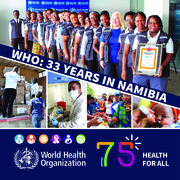
This publication is part of WHO 75th anniversary and aims to capture key successes in public health globally and in Namibia. It includes contributory messages from the Head of State, Prime Minister
...
and the Minister of Health and Social Services.
more

In an ambitious new era for health development under the 2030 Agenda for Sustainable Development, WHO and
its partners have a solid foundation of success on which to build.
...
Health plays a fundamental role in development
and is the central focus of Sustainable Development Goal 3, “Ensure healthy lives and promote well-being for all
at all ages”. It is also relevant to all the Sustainable Development Goals. Understanding the significance of the
role of health is a prerequisite for successful collective action on the social, economic and environmental
determinants of health
more

The development of this Operational Roadmap has been driven by a growing consensus in Ukraine on the need to prioritize activities that are urgently required to address the mental health and psychosocial needs of the country’s population and also
...
the importance of basing the response on existing structures, resources and innovations introduced in reforms in past years.
more

Rebuilding Liberia’s health system is crucial for improving the country’s overall health outcomes. This annual report highlights key achievements, challenges,and lessons learned in implementi
...
ng programmes of technical cooperation with the Government of Liberia from January to December 2022. The key achievements are summarized under the thematic areas of Universal Health Coverage, Health Emergencies and Corporate and Enabling Support.
more

Despite recent global declines, under-five mortality remains high in many of the poorest countries. Barriers to timely
quality care, including user fees, distance to facilities and the availability of trained health workers and medical supplies,
...
hinder progress in further reducing morbidity and mortality
more

Conflict, climate crisis and COVID-19 pose great threats to the health of women and children.