
Filter
2724
Text search:
hiv
surveillance
Featured
293
868
Language
2461
193
58
48
28
27
17
11
4
4
4
3
2
2
2
2
2
2
2
1
1
1
1
1
1
1
1
1
1
1
1
1
Document type
1508
421
402
149
112
56
30
30
8
5
2
1
Countries
111
93
89
77
76
72
72
71
69
68
67
55
51
50
43
40
38
35
33
33
33
30
29
27
27
27
24
23
23
19
19
19
18
17
17
16
16
14
14
13
12
11
11
10
10
9
8
7
7
6
6
6
6
6
6
6
5
5
5
5
4
4
4
4
4
3
3
3
3
3
3
3
3
3
3
3
3
3
2
2
2
2
2
2
2
2
2
2
1
1
1
1
1
1
1
1
1
1
1
1
1
1
1
1
1
1
1
1
1
1
1
1
1
1
1
1
1
1
1
1
1
1
1
1
1
1
1
1
Authors & Publishers
405
151
84
71
69
63
42
36
23
22
22
22
21
20
18
16
14
14
13
13
13
13
12
12
12
12
12
12
12
11
11
11
11
10
10
10
10
9
9
9
9
9
8
8
8
8
8
8
7
7
7
7
7
7
7
7
7
7
7
7
6
6
6
6
6
6
6
6
6
6
6
5
5
5
5
5
5
5
5
5
5
5
5
5
4
4
4
4
4
4
4
4
4
4
4
4
4
4
4
4
4
4
4
4
4
4
4
4
4
4
4
4
4
4
4
4
4
4
4
4
4
3
3
3
3
3
3
3
3
3
3
3
3
3
3
3
3
3
3
3
3
3
3
3
3
3
3
3
3
3
3
3
3
3
3
3
3
3
3
3
3
3
3
3
3
3
3
3
3
3
3
3
3
3
3
3
3
3
3
3
3
3
3
3
3
3
3
2
2
2
2
2
2
2
2
2
2
2
2
2
2
2
2
2
2
2
2
2
2
2
2
2
2
2
2
2
2
2
2
2
2
2
2
2
2
2
2
2
2
2
2
2
2
2
2
2
2
2
2
2
2
2
2
2
2
2
2
2
2
2
2
2
2
2
2
2
2
2
2
2
2
2
2
2
2
2
2
2
2
2
2
2
2
2
2
2
2
2
2
2
2
2
2
2
2
2
2
2
2
2
2
2
2
2
2
2
2
2
2
2
2
2
2
2
2
2
2
2
2
2
2
2
2
2
2
2
2
2
2
2
2
2
2
2
2
2
2
2
2
2
2
1
1
1
1
1
1
1
1
1
1
1
1
1
1
1
1
1
1
1
1
1
1
1
1
1
1
1
1
1
1
1
1
1
1
1
1
1
1
1
1
1
1
1
1
1
1
1
1
1
1
1
1
1
1
1
1
1
1
1
1
1
1
1
1
1
1
1
1
1
1
1
1
1
1
1
1
1
1
1
1
1
1
1
1
1
1
1
1
1
1
1
1
1
1
1
1
1
1
1
1
1
1
1
1
1
1
1
1
1
1
1
1
1
1
1
1
1
1
1
1
1
1
1
1
1
1
1
1
1
1
1
1
1
1
1
1
1
1
1
1
1
1
1
1
1
1
1
1
1
1
1
1
1
1
1
1
1
1
1
1
1
1
1
1
1
1
1
1
1
1
1
1
1
1
1
1
1
1
1
1
1
1
1
1
1
1
1
1
1
1
1
1
1
1
1
1
1
1
1
1
1
1
1
1
1
1
1
1
1
1
1
1
1
1
1
1
1
1
1
1
1
1
1
1
1
1
1
1
1
1
1
1
1
1
1
1
1
1
1
1
1
1
1
1
1
1
1
1
1
1
1
1
1
1
1
1
1
1
1
1
1
1
1
1
1
1
1
1
1
1
1
1
1
1
1
1
1
1
1
1
1
1
1
1
1
1
1
1
1
1
1
1
1
1
1
1
1
1
1
1
1
1
1
1
1
1
1
1
1
1
1
1
1
1
1
1
1
1
1
1
1
1
1
1
1
1
1
1
1
1
1
1
1
1
1
1
1
1
1
1
1
1
1
1
1
1
1
1
1
1
1
1
1
1
1
1
1
1
1
1
1
1
1
1
1
1
1
1
1
1
1
1
1
1
1
1
1
1
1
1
1
1
1
1
1
1
1
1
1
1
1
1
1
1
1
1
1
1
1
1
1
1
1
1
1
1
1
1
1
1
1
1
1
1
1
1
1
1
1
1
1
1
1
1
1
1
1
1
1
1
1
1
1
1
1
1
1
1
1
1
1
1
1
1
1
1
1
1
1
1
1
1
1
1
1
1
1
1
1
1
1
1
1
1
1
1
1
1
1
1
1
1
1
1
1
1
1
1
1
1
1
1
1
1
1
1
1
1
1
1
1
1
1
1
1
1
1
1
1
1
1
1
1
1
1
1
1
1
1
1
1
1
1
1
1
1
1
1
1
1
1
1
1
1
1
1
1
1
1
1
1
1
1
1
1
1
1
1
1
1
1
1
1
1
1
1
1
1
1
1
1
1
1
1
1
1
1
1
1
1
1
1
1
1
1
1
1
1
1
1
1
1
1
1
1
1
1
1
1
1
1
1
1
1
1
1
1
1
1
1
1
1
1
1
1
1
1
1
1
1
1
1
1
1
1
1
1
1
1
1
1
1
1
1
1
1
1
1
1
1
1
1
1
1
1
1
1
1
1
1
1
1
1
1
1
1
1
1
1
1
1
1
1
1
1
1
1
1
1
1
1
1
1
1
1
1
1
1
1
1
1
1
1
1
1
1
1
1
1
1
1
1
1
1
1
1
1
1
1
1
1
1
1
1
1
1
1
1
1
1
1
1
1
1
1
1
1
1
1
1
1
1
1
1
1
1
1
1
1
1
1
1
1
1
1
1
1
1
1
1
1
1
1
1
1
1
1
1
1
1
1
1
1
1
1
1
1
1
1
1
1
1
1
1
1
1
1
1
1
1
1
1
1
1
1
1
1
1
1
1
1
1
1
1
1
1
1
1
1
1
1
1
1
1
1
1
1
1
1
1
1
1
1
1
1
1
1
1
1
1
1
1
1
1
1
1
1
1
1
1
1
1
1
1
1
1
1
1
1
1
1
1
1
1
1
1
1
1
1
1
1
1
1
1
1
1
1
1
1
1
1
1
1
1
1
1
1
1
1
1
1
1
1
1
1
1
1
1
1
1
1
1
1
1
1
1
1
1
1
1
1
1
1
1
1
1
1
1
1
1
1
1
1
1
1
1
1
1
1
1
1
1
1
1
1
1
1
1
1
1
1
1
1
1
1
1
1
1
1
1
1
1
1
1
1
1
1
1
1
1
1
1
1
1
1
1
1
1
1
1
1
1
1
1
1
1
1
1
1
1
1
1
1
1
1
1
1
1
1
1
1
1
1
1
1
1
1
1
1
1
1
1
1
1
1
1
1
1
1
1
1
1
1
1
1
1
1
1
1
1
1
1
1
1
1
1
1
1
1
1
1
1
1
1
1
1
1
1
1
1
1
1
1
1
1
1
1
1
1
1
1
1
1
1
1
1
1
1
1
1
1
1
1
1
1
1
1
1
1
1
1
1
1
1
1
1
1
1
1
1
1
1
1
1
1
1
1
1
1
1
1
1
1
1
1
1
1
1
1
1
1
1
1
1
1
1
1
1
1
1
1
1
1
1
1
1
1
1
1
1
1
1
1
1
1
1
1
1
1
1
1
1
1
1
1
1
1
1
1
1
1
1
1
1
1
1
1
1
1
1
1
1
1
1
1
1
1
1
1
1
1
1
1
1
1
1
1
1
1
1
1
1
1
1
1
1
1
1
1
1
1
1
1
1
1
1
1
1
1
1
1
1
1
1
1
1
1
1
1
1
1
1
1
1
1
1
1
1
1
1
1
1
1
1
1
1
1
1
1
1
1
1
1
1
1
1
1
1
1
1
1
1
1
1
1
1
1
1
1
1
1
1
1
1
1
1
1
1
1
1
1
1
1
1
1
1
1
1
1
1
1
1
1
1
1
1
1
1
1
1
1
1
1
1
1
1
1
1
1
1
1
1
1
1
1
1
1
1
1
1
1
1
1
1
1
1
1
1
1
1
1
1
1
1
1
1
1
1
1
1
1
1
1
1
1
1
1
1
1
1
1
1
1
1
1
1
1
1
1
1
1
1
1
1
1
1
1
1
1
1
1
1
1
1
1
1
1
1
1
1
1
1
1
1
1
1
1
1
1
1
1
1
1
1
1
1
1
1
1
1
1
1
1
1
1
1
1
1
1
1
1
1
1
1
1
1
1
1
1
1
1
1
1
1
1
1
1
1
1
1
1
1
1
1
1
1
1
1
1
1
1
1
1
1
1
1
1
1
1
1
1
1
1
1
1
1
1
1
1
1
1
1
1
1
1
1
1
1
1
1
1
1
1
1
1
1
1
1
1
1
1
1
1
1
1
1
1
1
1
1
1
1
1
1
1
1
1
1
1
1
1
1
1
1
1
1
1
1
1
1
1
1
1
1
1
1
1
1
1
1
1
1
1
1
1
1
1
1
1
1
1
1
1
1
1
1
1
1
1
1
1
1
1
1
1
1
1
1
1
1
1
1
1
1
1
1
1
1
1
1
1
1
1
1
1
1
1
1
1
1
1
1
1
1
1
1
1
1
1
1
1
1
1
1
1
1
1
1
1
1
1
1
1
1
1
1
1
1
1
1
1
1
1
1
1
1
1
1
1
1
1
1
1
1
1
1
1
1
1
1
1
1
1
1
1
1
1
1
1
1
1
1
1
1
1
1
1
1
1
1
1
1
1
1
1
1
1
1
1
1
1
1
1
1
1
1
1
1
1
1
1
1
1
1
1
1
1
1
1
1
1
1
1
1
1
1
1
1
1
1
1
1
1
1
1
1
1
1
1
1
1
1
1
1
1
1
Publication Years
801
1703
210
9
1
Category
1269
241
115
110
105
32
24
Toolboxes
369
184
163
135
75
68
57
52
51
45
45
41
41
37
36
36
29
27
25
23
20
17
15
3
1

Сборник индикаторов для мониторинга и оценки национальных программ борьбы с туберкулезом
recommended
Борьба с туберкулезом представляет собой одну из ведущих областей, в которых ведется регулярный сбор информации, которая измеряет самые критические показатели вы
...
ходных данных и результатов, используемые при составлений отчетов на уровне отдельных стран и всего мира.
more

Accessed Febr. 6, 2020

Pakistan Global Antibiotic Resistance Partnership (GARP) was formed in the wake of international and national efforts for AMR curtailment. A group of experts from microbiology, infectious diseases and veterinary medicine formed a core group at the organizational meet
...
ing of GARP in Kathmandu, Nepal in July 2016. In the meeting, this core group was expanded to include other members from different sectors with the selection of the Chair and co-chairs. These were asked to serve on a voluntary basis, in their own individual capacities, with no personal gains, or gains to the institutions to which they are affiliated. The first phase of GARP took place from 2009 to 2011 and involved four countries: India, Kenya, South Africa and Vietnam. Phase one culminated in the 1st Global Forum on Bacterial Infections, held in October 2011 in New Delhi, India. In 2012, phase two of GARP was initiated with the addition of working groups in Mozambique, Tanzania, Nepal and Uganda. Phase three has added Bangladesh, Lao PDR, Nigeria, Pakistan and Zimbabwe to the network to date.
more
Antimicrobials have been a critical public health tool since the discovery of penicillin in 1928, saving the lives of millions of people around the world. Today, however, the emergence of drug resistance is reversing the miracles of the past eighty years, with drug choices for the treatment of many
...
infections becoming increasingly limited, expensive, and, in some cases, non-existent.
Conscious of the public health threats of AMR to both humans, animals and the environment, the ministries of health and sanitation, agriculture forestry and food security and the environmental protection agency put together a national multi-sectoral coordinating group tasked with the responsibility of establishing mechanisms to integrate all initiatives into a single concerted action and development of the national AMR strategic plan (2018-2022). The National Strategic Plan on Antimicrobial Resistance is the first approach which addresses AMR specifically.
more
Interium guidance, 25 June 2021Timely and accurate diagnostic testing is an essential tool in preventing and controlling the spread of COVID-19. This document describes recommendations for national testing strategies and the use of PCR and rapid antigen tests in different transmission scenarios of t
...
he COVID-19 outbreak, including how testing might be rationalized in low resource settings. All testing should be followed by a strong public health response including isolating those who test positive and providing them care, contact tracing and quarantine of contacts.
more
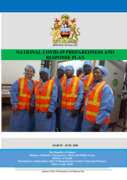
The Government of Malawi, in fulfilling its primary role of protecting the lives of its vulnerable citizens during disasters and reducing their exposure to risk through preparedness, led the development of a National Coronavirus Disease (COVID-19) Preparedness and Response Plan.
Reporting Period: 4 to 10 April 2020
• In collaboration with the Ministry of Youth, UNICEF started training 50 young bloggers on how to identify and respond to fake news.
• UNICEF engaged with 97 social services to enable front-line social workers to carry out community prevention work and
...
case management.
• With support from UNICEF, the nationwide distance learning program, “Mon école à la maison” was officially launched on TV, Radio, WebTV in addition to the free of charge SMS-based learning system.
more

This technical note describes medical certification of cause of death and classification (International Classification of Diseases [ICD] mortality coding) of deaths related to COVID-19. The primary goal is to identify all deaths due to COVID-19 in all countries, including those not yet following WHO
...
international norms and standards for medical certificates of cause of death and ICD mortality coding.
more


The Pharmacovigilance team in WHO aims to assure the safety of medicines and vaccines by ensuring reliable and timely exchange of information on safety issues, promoting pharmacovigilance activities throughout the Organization and encouraging participation in the WHO Programme for International Drug
...
Monitoring. This text was developed in consultation with the WHO Collaborating Centre for International Drug Monitoring and the national pharmacovigilance centres participating in the WHO Programme for International Drug Monitoring.
more
COVID-19 & Community Health Workers
recommended
2-Day Orientation training Orientation Training, 1 Febr. 2021
Community Health Workers (CHWs) are an essential part of the Partnership to Accelerate COVID-19 Testing (PACT) Initiative • Africa CDC set up PACT to drive forward the Africa Union Joint Continental Strategy for COVID-19
Available in
...
English, French and Arabic
more

his Inter Action Review report for the COVID-19 outbreak in Mauritius documents and assesses the country’s capacity to respond to the outbreak and identifies the best practices, strengths, gaps and challenges of the national response. Areas requiring improvements or sustained actions have been ide
...
ntified across the 9 strategic pillars of World Health Organization (WHO)’s COVID-19 Strategic Preparedness and Response Plan and an additional pillar for the country’s response beyond health. On an overall, the review aims to enhance and sustain the national response with a particular focus on strengthening the health systems.
more
Kenya Signature Programme Endline Evaluation Report: Bungoma, Busia and WajirCounties.
Obare F., Abuya T., Mukisa S., Odwe G., Kanyuuru L., Cassar C., Mohamed H.
Population Council and Save the Children
(2018)
CC
A clinical case definition of post COVID-19 condition by a Delphi consensus, 6 October 2021 (Arabic Version)
recommended
WHO has developed a clinical case definition of post COVID-19 condition by Delphi methodology that includes 12 domains, available for use in all settings. This first version was developed by patients, researchers and others, representing all WHO regions, with the understanding that the definition ma
...
y change as new evidence emerges and our understanding of the consequences of COVID-19 continues to evolve.
Post COVID-19 condition occurs in individuals with a history of probable or confirmed SARS CoV-2 infection, usually 3 months from the onset of COVID-19 with symptoms and that last for at least 2 months and cannot be explained by an alternative diagnosis. Common symptoms include fatigue, shortness of breath, cognitive dysfunction but also others and generally have an impact on everyday functioning. Symptoms may be new onset following initial recovery from an acute COVID-19 episode or persist from the initial illness. Symptoms may also fluctuate or relapse over time.
more
Antimicrobial resistance (AMR) is a multifaceted, international public health problem, which poses a direct threat to the safety of the population of South Africa. A national response is required to complement the development of a global plan, as articulated in the WHO’s draft resolution EB134/37
...
“Combating antimicrobial resistance including antibiotic resistance”, adopted by theWorld Health Assembly in May 2014. The overuse of antimicrobials is driving resistance. A return to appropriate, targeted antimicrobial use in humans, animals and the environment is critical if we are to conserve the antimicrobial armamentarium. Various interventions have been put in place to address antimicrobial resistance in South Africa. However, these are insufficient to effectively tackle the threat faced by the country. The strengths of the current system are outweighed by its weaknesses.
more
Low- and middle-income countries (LMICs) experience a high disease burden for epilepsy, a chronic neurological condition.The authors evaluate the cost-effectiveness of community health workers (CHWs) to improve adherence to medication for epilepsy in South Africa. They found that utilizing CHWs to i
...
mprove medication adherence was cost-effective.
more

This guidance addresses rationale, risk-based scenarios, practical considerations prior to adoption of the self-testing products, quality assurance, safety and ethical considerations, and data management considerations for COVID-19 self-testing. The Africa CDC recommends the use of rapid antigen sel
...
f-testing within two key scenarios. The first includes testing for case identification within scenarios with a high risk of infection, including symptomatic cases and contacts of a confirmed case. The second scenario involves general screening within scenarios of low or unknown risk exposure allowing for self-care such as before gatherings with at-risk individuals and prior to participation in events involving members of different households. Within these scenarios, a positive test result indicates likelihood of current infection, while a negative test result indicates a lower risk of active infection, though it does not rule out infection altogether. All positive cases should be managed following the national COVID-19 management protocol of Member States.ssur
more

The Lancet. 13 March 2022. doi: 10.1016/S0140-6736(21)02868-3. Previous Global Burden of Diseases, Injuries, and Risk Factors Study (GBD) studies have reported
national health estimates for Ethiopia. Substantial regional variations in socioeconomic status, population, demography, and access to hea
...
lth care within Ethiopia require comparable estimates at the subnational level. The GBD 2019 Ethiopia subnational analysis aimed to measure the progress and disparities in health across nine regions and two chartered cities.
more
Despite the human and economic impact of viral epidemics, the world is not well enough prepared for the next emerging viral outbreak. Global trends indicate that new microbial threats will continue to emerge at an accelerating rate, driven by our growing population, expanded travel and trade network
...
s, and human encroachment into wildlife habitat.
more
