Filter
2239
Text search:
forced
Featured
161
557
Language
2163
61
48
38
24
22
18
10
9
7
6
5
4
4
4
4
4
4
4
4
4
4
4
4
3
3
3
3
3
3
3
3
3
3
3
2
2
2
2
2
2
1
1
1
1
1
1
1
1
1
1
1
1
1
Document type
1226
528
156
103
75
44
44
34
10
8
6
2
1
Countries / Regions
122
94
77
58
51
49
48
42
41
41
39
37
37
37
35
34
34
34
32
26
25
24
23
23
22
20
20
19
17
15
15
15
15
15
13
13
12
12
11
11
11
10
10
10
9
9
9
9
9
9
9
9
8
8
8
7
7
6
6
6
5
5
5
5
5
5
5
5
5
4
4
4
4
3
3
3
3
3
2
2
2
2
2
2
2
2
2
2
2
2
2
1
1
1
1
1
1
1
1
1
1
1
1
1
1
1
1
1
1
1
1
1
1
1
1
1
1
1
1
1
1
1
1
1
1
1
Authors & Publishers
136
79
58
56
40
35
33
33
32
26
26
23
21
21
21
20
20
18
17
17
15
14
12
12
11
11
11
10
10
9
9
9
9
9
8
8
8
8
8
8
8
8
8
8
8
7
7
7
7
7
7
7
7
6
6
6
6
6
6
6
6
6
5
5
5
5
5
5
5
4
4
4
4
4
4
4
4
4
4
4
4
4
4
4
4
4
4
4
4
4
4
4
4
4
3
3
3
3
3
3
3
3
3
3
3
3
3
3
3
3
3
3
3
3
3
3
3
3
3
3
3
3
3
3
3
3
3
3
3
3
3
3
3
3
3
3
2
2
2
2
2
2
2
2
2
2
2
2
2
2
2
2
2
2
2
2
2
2
2
2
2
2
2
2
2
2
2
2
2
2
2
2
2
2
2
2
2
2
2
2
2
2
2
2
2
2
2
2
2
2
2
2
2
2
2
2
2
2
2
2
2
2
2
2
2
2
2
2
2
2
2
2
2
2
2
2
2
2
2
2
2
2
2
2
2
2
2
2
2
2
2
2
2
2
2
2
2
2
2
2
2
2
2
2
2
2
2
2
2
2
2
2
2
2
2
2
2
2
2
2
2
2
2
2
2
2
2
2
2
2
2
2
2
2
2
2
2
2
2
2
2
2
2
2
2
2
2
2
2
2
2
2
2
2
2
2
2
2
2
2
2
2
2
2
2
2
2
2
2
2
2
2
1
1
1
1
1
1
1
1
1
1
1
1
1
1
1
1
1
1
1
1
1
1
1
1
1
1
1
1
1
1
1
1
1
1
1
1
1
1
1
1
1
1
1
1
1
1
1
1
1
1
1
1
1
1
1
1
1
1
1
1
1
1
1
1
1
1
1
1
1
1
1
1
1
1
1
1
1
1
1
1
1
1
1
1
1
1
1
1
1
1
1
1
1
1
1
1
1
1
1
1
1
1
1
1
1
1
1
1
1
1
1
1
1
1
1
1
1
1
1
1
1
1
1
1
1
1
1
1
1
1
1
1
1
1
1
1
1
1
1
1
1
1
1
1
1
1
1
1
1
1
1
1
1
1
1
1
1
1
1
1
1
1
1
1
1
1
1
1
1
1
1
1
1
1
1
1
1
1
1
1
1
1
1
1
1
1
1
1
1
1
1
1
1
1
1
1
1
1
1
1
1
1
1
1
1
1
1
1
1
1
1
1
1
1
1
1
1
1
1
1
1
1
1
1
1
1
1
1
1
1
1
1
1
1
1
1
1
1
1
1
1
1
1
1
1
1
1
1
1
1
1
1
1
1
1
1
1
1
1
1
1
1
1
1
1
1
1
1
1
1
1
1
1
1
1
1
1
1
1
1
1
1
1
1
1
1
1
1
1
1
1
1
1
1
1
1
1
1
1
1
1
1
1
1
1
1
1
1
1
1
1
1
1
1
1
1
1
1
1
1
1
1
1
1
1
1
1
1
1
1
1
1
1
1
1
1
1
1
1
1
1
1
1
1
1
1
1
1
1
1
1
1
1
1
1
1
1
1
1
1
1
1
1
1
1
1
1
1
1
1
1
1
1
1
1
1
1
1
1
1
1
1
1
1
1
1
1
1
1
1
1
1
1
1
1
1
1
1
1
1
1
1
1
1
1
1
1
1
1
1
1
1
1
1
1
1
1
1
1
1
1
1
1
1
1
1
1
1
1
1
1
1
1
1
1
1
1
1
1
1
1
1
1
1
1
1
1
1
1
1
1
1
1
1
1
1
1
1
1
1
1
1
1
1
1
1
1
1
1
1
1
1
1
1
1
1
1
1
1
1
1
1
1
1
1
1
1
1
1
1
1
1
1
1
1
1
1
1
1
1
1
1
1
1
1
1
1
1
1
1
1
1
1
1
1
1
1
1
1
1
1
1
1
1
1
1
1
1
1
1
1
1
1
1
1
1
1
1
1
1
1
1
1
1
1
1
1
1
1
1
1
1
1
1
1
1
1
1
1
1
1
1
1
1
1
1
1
1
1
1
1
1
1
1
1
1
1
1
1
1
1
1
1
1
1
1
1
1
1
1
1
1
1
1
1
1
1
1
1
1
1
1
1
1
1
1
1
1
1
1
1
1
1
1
1
1
1
1
1
1
1
1
1
1
1
1
1
1
1
1
1
1
1
1
1
1
1
1
1
1
1
1
1
1
1
1
1
1
1
1
1
1
1
1
1
1
1
1
1
1
1
1
1
1
1
1
1
1
1
1
1
1
1
1
1
1
1
1
1
1
1
1
1
1
1
1
1
1
1
1
1
1
1
1
1
1
1
1
1
1
1
1
1
1
1
1
1
1
1
1
1
1
1
1
1
1
1
1
1
1
1
1
1
1
1
1
1
1
1
1
1
1
1
1
1
1
1
1
1
1
1
1
1
1
1
1
1
1
1
1
1
1
1
1
1
1
1
1
1
1
1
1
1
1
1
1
1
1
1
1
1
1
1
1
1
1
1
1
1
1
1
1
1
1
1
1
1
1
1
1
1
1
1
1
1
1
1
1
1
1
1
1
1
1
1
1
1
1
1
1
1
1
1
1
1
1
1
1
1
1
1
1
1
1
1
1
1
1
1
1
1
1
1
1
1
1
1
1
1
1
1
1
1
1
1
1
1
1
1
1
1
1
1
1
1
1
1
1
1
1
1
1
1
1
1
1
1
1
1
1
1
1
1
1
1
1
1
1
1
1
1
1
1
1
1
1
1
1
1
1
1
1
1
1
1
1
1
1
1
1
1
1
1
1
1
1
1
1
1
1
1
1
1
1
1
1
1
1
1
1
1
1
1
1
1
1
1
1
1
1
1
1
1
1
1
1
1
1
1
1
1
1
1
1
1
1
1
1
1
1
1
1
1
1
1
1
1
1
1
1
1
1
1
1
1
1
1
1
1
1
1
1
1
1
1
1
1
1
1
1
1
1
1
1
1
1
1
1
1
1
1
1
1
1
1
1
1
1
1
1
1
1
1
1
1
1
1
1
1
1
1
1
1
1
1
1
1
1
1
1
1
1
1
1
1
1
1
1
1
1
1
1
1
1
1
1
1
1
1
1
1
1
1
1
1
1
1
1
1
1
1
1
1
1
1
1
1
1
1
1
1
1
1
1
1
1
1
1
1
1
1
1
1
1
1
1
1
1
1
1
1
1
1
1
1
1
1
1
1
1
1
1
1
1
1
1
1
1
1
1
1
1
1
1
1
1
1
1
1
1
1
1
1
1
1
1
1
1
1
1
1
1
1
1
1
1
1
1
1
1
1
1
1
1
1
1
1
1
1
1
1
1
1
1
1
1
1
1
1
1
1
1
1
1
1
1
1
1
1
1
1
1
1
1
1
1
1
1
1
1
1
1
1
1
1
1
1
1
1
1
1
1
1
1
1
1
1
1
1
1
1
1
1
1
1
1
1
1
1
1
1
1
1
1
1
1
1
1
1
1
1
1
1
1
1
1
1
1
1
1
1
1
1
1
1
1
1
1
1
1
1
1
1
1
1
1
1
1
1
1
1
1
1
1
1
1
1
1
1
1
1
1
1
1
1
1
1
1
1
1
1
1
1
1
1
1
1
1
1
1
1
1
1
1
1
1
1
1
1
1
1
1
1
1
1
1
1
1
1
1
1
1
1
1
1
1
1
1
1
1
1
1
1
1
1
1
1
1
1
1
1
1
1
1
1
1
1
1
1
1
1
1
1
1
1
1
1
1
1
1
1
1
1
1
1
1
1
1
1
1
1
1
1
1
1
1
1
1
1
1
1
1
1
1
1
1
1
1
1
1
1
1
1
1
1
1
1
1
1
1
1
1
1
1
1
1
1
1
1
1
1
1
1
1
1
1
1
1
1
1
1
1
1
1
1
1
1
1
1
1
1
1
1
1
1
1
1
1
1
1
1
1
1
1
1
1
1
1
1
1
1
1
1
1
1
1
1
1
1
1
1
1
1
1
1
1
1
1
1
1
1
1
1
1
1
1
1
1
1
1
1
1
1
1
1
1
1
1
1
1
1
1
1
1
1
1
1
1
1
1
1
1
1
1
1
1
1
1
1
1
1
1
1
1
1
1
1
1
1
1
1
1
1
1
1
1
1
1
1
1
1
1
1
1
1
1
1
1
1
1
1
1
1
1
1
1
1
1
1
1
1
1
1
1
1
1
1
1
1
1
1
1
1
1
1
1
1
1
1
1
1
1
1
1
1
1
1
1
1
1
1
1
1
1
1
1
1
1
1
1
1
1
1
1
1
1
1
1
1
1
1
1
1
1
1
1
1
1
1
1
1
1
1
1
1
1
1
1
1
1
1
1
1
1
1
1
1
1
1
1
1
1
1
1
1
1
1
1
1
1
1
1
1
1
1
1
1
1
1
1
1
1
1
1
1
1
1
1
1
1
1
1
1
1
1
1
1
1
1
1
1
1
1
1
1
1
1
1
1
1
1
1
1
1
1
1
1
1
1
1
1
1
1
1
1
1
1
1
1
1
1
1
1
1
1
1
1
1
1
1
1
1
1
1
1
1
1
1
1
1
1
1
1
1
1
1
1
1
1
1
1
1
1
1
1
1
1
1
1
1
1
1
1
1
1
1
1
1
1
1
1
1
1
1
1
1
1
1
1
1
1
1
1
1
1
1
1
1
1
1
1
1
1
1
1
1
1
1
1
1
1
1
1
1
1
1
1
1
1
1
1
1
1
1
1
1
1
1
1
1
1
1
1
1
1
1
1
1
1
1
1
1
1
1
1
1
1
1
1
1
1
1
1
1
1
1
1
1
1
1
1
1
1
1
1
1
1
1
1
1
1
1
1
1
1
1
1
1
1
1
1
1
1
1
1
1
1
1
1
1
1
Publication Years
1
703
1329
195
8
1
1
1
Category
754
165
145
95
60
47
5
1
Toolboxes
243
213
187
163
133
129
125
54
53
52
50
41
37
37
27
21
18
13
12
12
9
7
4
2
2
1
Abduction of aid workers has risen sharply in particular contexts in the past decade. Abduction is a “unique form of critical incident”, characterised by its ongoing, “live” nature, often extended duration, the pressure of decision-making and uncertainty. This EISF Briefing Paper explores
...
the dimensions of effective, proactive abduction and kidnapping response mechanisms. It complements the EISF Briefing Paper Crisis Management of Critical Incidents, released April 2010, that looks at crisis response plans as a whole.
more
The transformation of the humanitarian landscape has already made a significant impact on the operational security of INGOs and other humanitarian actors. This report serves to inform strategic policy priorities and approaches to security planning and coordination, and addresses three main questions
...
: 1. What are the emerging trends, developments and drivers of change that are likely to affect or change security issues and considerations in the humanitarian environment of the future? 2. How will the humanitarian sector need to adapt in order to continue to deliver programmes within this changing operational context? 3. How prepared are organisations for this future, and what might they need to do differently in order to be prepared?
more
To Stay and Deliver - Good practice for humanitarians in complex security environments
Jan Egeland, Norwegian Institute of International Affairs; Adele Harmer and Abby Stoddard, Humanitarian Outcomes
Office for the Coordination of Humanitarian Affairs (OCHA)
(2011)
C2
The report offers an analysis of the broader challenges to securing humanitarian action and recommends areas for improvement. This study will contribute to improving the way humanitarians ‘do business’ in complex
security environments. Document also available in French, Arabic and Spanish.
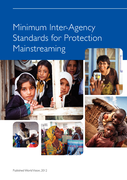
The Minimum Standards for Protection Mainstreaming are a set of international standards designed to provide practical assistance to humanitarian actors to mainstream protection in the assessment, design, implementation, monitoring and evaluation of humanitarian programmes, projects and activities.
...
All humanitarian actors are expected to mainstream protection in their humanitarian assistance activities as a component of a broader commitment to quality and accountability in humanitarian response.
more
Do men and women experience different types of security events? Are there differences in the attitudes within humanitarian agencies towards the same type of events affecting men or women? In this paper, using the Security in Numbers Database (SiND), the differences and similarities in men’s and wo
...
men’s experiences of security events are analyzed to help agencies think about the potential gender implications of security management.
more

The guide summarizes an assessment of War Child Canada’s three-pronged legal protection model as implemented with South Sudanese refugees in Northern Uganda and uses it to identify the most important lessons for ensuring legal protection mechanisms are in place at the onset of an emergency

National Strategic Plan for HIV 2015-2020 Malawi
recommended
Promoting the rights of children with disabilites in Malawi
Alister Munthali, Maxton Tsoka, James Milner, and Peter Mvula
UNICEF; Government of Malawi
(2012)
C1
From Exclusion to Inclusion

Challenging disadvantage in Zambia: People with psychosocial and intellectual disabilities in the criminal justice system
The PAN, the Mental Health Users Network Zambia (MHUNZA), the Prisons Care and Counselling Association (PRISCCA), et al.
Open Society Initiative for Southern Africa (OSISA)
(2015)
C1
The Extending Service Delivery (ESD) project has developed Healthy Timing and Spacing of
Pregnancy: A Trainer’s Reference Guide as a resource for trainers in developing in-service training
for facility-based healthcare providers and community health workers (chws) who already have
some basic ex
...
perience with and understanding of FP/RH. This is not a training manual, but a
reference guide which can be used and adapted by trainers based on whether or not trainees are facilitybased
or community-based.
more
A Joint Position Statement of the Indian Society of Critical Care Medicine (ISCCM) and the Indian
Association of Palliative Care (IAPC)
Indian Journal of Critical Care Medicine September 2014 Vol 18 Issue 9
An Advocate’s Guide: Strategic Indicators for Universal Access to Sexual and Reproductive Health and Rights
recommended
This guide was prepared to enable advocates to use data
when advocating for universal access to SRHR at the national,
regional and global levels. It is a direct outcome of the Strategic
SRHR Indicators workshop held in Kuala Lumpur, Malaysia on
21-22 August for the project “Strengthening the N
...
etworking,
Knowledge Management and Advocacy Capacities of an AsiaPacific
Network for SRHR” supported by the EU.
One of the major objectives of the project is to develop
a comprehensive monitoring framework of indicators for
measuring government performance to fulfil their international
commitments, particularly to the ICPD and the MDGs, both in
the Asia-Pacific region and globally.
more
Claims for refugee status related to situations of armed conflict and violence under Article 1A(2) of the 1951 Convention and/or 1967 Protocol relating to the Status of Refugees and the regional refugee definitions
UNHCR issues these Guidelines on International Protection pursuant to its mandate,
...
as contained in, inter alia, the Statute of the Office of the United Nations High Commissioner for Refugees, namely paragraph 8(a), in conjunction with Article 35 of the 1951 Convention relating to the Status of Refugees, Article II of its 1967 Protocol, Article VIII(1) of the 1969 OAU Convention Governing the Specific Aspects of Refugee Problems in Africa, and Commitment II(e) of the 1984 Cartagena Declaration on Refugees.
These Guidelines clarify paragraph 164 of the UNHCR Handbook on Procedures and Criteria for Determining Refugee Status under the 1951 Convention and otherwise complement the Handbook. They are to be read in conjunction with UNHCR’s other Guidelines on International Protection.
more
A Review of Needs Assessment Tools, Response Analysis Frameworks, and Targeting Guidance for Urban Humanitarian Response
Lili Mohiddin, Gabrielle Smith
International Institute for Environment and Development, Norwegian Refugee Council, International Rescue Committee, World Vision
(2016)
C1
The magnitude of urban disasters, high population densities, and a complex social, political and institutional environment has challenged the manner in which humanitarian agencies are used to working. Humanitarian agencies are now grappling with how to change their approaches to this reality. This d
...
esk review aims to provide an audit and analysis of existing needs assessments, response analysis frameworks and targeting approaches for use in urban post-conflict emergency response.
more

The most frequent health problems of newly arrived refugees and migrants include accidental injuries, hypothermia, burns, gastrointestinal illnesses, cardiovascular events, pregnancy- and delivery-related complications, diabetes and hypertension. Female refugees and migrants frequently face specific
...
challenges, particularly in maternal, newborn and child health, sexual and reproductive health, and violence. The exposure of refugees and migrants to the risks associated with population movements – psychosocial disorders, reproductive health problems, higher newborn mortality, drug abuse, nutrition disorders, alcoholism and exposure to violence – increase their vulnerability to noncommunicable diseases (NCDs)
more