
Filter
2332
Text search:
Health
Phone
Featured
196
695
Language
2247
63
57
40
32
18
17
11
10
8
8
7
7
6
6
6
5
5
5
5
5
5
5
4
4
4
4
4
4
3
3
3
3
3
3
3
3
3
3
3
3
3
3
2
2
2
2
2
2
2
2
2
2
1
1
1
1
1
1
1
1
1
1
1
1
1
1
1
1
Document type
1271
372
278
168
61
55
49
38
15
11
7
6
1
Countries
163
85
84
80
66
56
56
55
52
51
50
44
44
42
41
40
39
33
31
29
25
25
24
23
23
21
20
19
18
18
18
17
16
13
12
11
11
11
10
10
10
10
9
9
9
9
8
8
8
8
8
7
7
7
7
6
6
6
6
6
6
6
5
5
5
5
5
5
5
4
4
4
4
3
3
3
3
3
3
3
2
2
2
2
2
2
2
2
2
2
2
2
2
2
1
1
1
1
1
1
1
1
1
1
1
1
1
1
1
1
1
1
1
1
1
1
1
1
1
1
1
Authors & Publishers
174
72
64
53
51
38
37
31
30
26
25
24
24
19
18
16
16
15
15
15
15
14
14
13
13
13
12
12
11
11
10
10
9
9
9
9
9
8
8
8
8
8
7
6
6
6
6
6
6
6
6
6
6
6
6
6
6
6
6
5
5
5
5
5
5
5
5
5
5
5
5
5
5
5
5
5
5
5
5
5
5
5
5
4
4
4
4
4
4
4
4
4
4
4
4
4
4
4
4
4
4
4
4
4
4
4
4
4
4
4
4
4
4
4
4
3
3
3
3
3
3
3
3
3
3
3
3
3
3
3
3
3
3
3
3
3
3
3
3
3
3
3
3
3
3
3
3
3
3
3
3
3
3
3
3
3
3
3
3
3
3
3
3
2
2
2
2
2
2
2
2
2
2
2
2
2
2
2
2
2
2
2
2
2
2
2
2
2
2
2
2
2
2
2
2
2
2
2
2
2
2
2
2
2
2
2
2
2
2
2
2
2
2
2
2
2
2
2
2
2
2
2
2
2
2
2
2
2
2
2
2
2
2
2
2
2
2
2
2
2
2
2
2
2
2
2
2
2
2
2
2
2
2
2
2
2
2
2
2
2
2
2
2
2
2
2
2
2
2
2
2
2
2
2
2
2
2
2
2
2
2
2
2
2
2
2
2
2
2
2
2
2
2
2
2
2
2
2
2
2
2
2
2
2
2
2
2
2
2
2
2
2
2
2
2
2
2
2
2
2
2
2
2
2
2
2
2
2
2
2
2
2
1
1
1
1
1
1
1
1
1
1
1
1
1
1
1
1
1
1
1
1
1
1
1
1
1
1
1
1
1
1
1
1
1
1
1
1
1
1
1
1
1
1
1
1
1
1
1
1
1
1
1
1
1
1
1
1
1
1
1
1
1
1
1
1
1
1
1
1
1
1
1
1
1
1
1
1
1
1
1
1
1
1
1
1
1
1
1
1
1
1
1
1
1
1
1
1
1
1
1
1
1
1
1
1
1
1
1
1
1
1
1
1
1
1
1
1
1
1
1
1
1
1
1
1
1
1
1
1
1
1
1
1
1
1
1
1
1
1
1
1
1
1
1
1
1
1
1
1
1
1
1
1
1
1
1
1
1
1
1
1
1
1
1
1
1
1
1
1
1
1
1
1
1
1
1
1
1
1
1
1
1
1
1
1
1
1
1
1
1
1
1
1
1
1
1
1
1
1
1
1
1
1
1
1
1
1
1
1
1
1
1
1
1
1
1
1
1
1
1
1
1
1
1
1
1
1
1
1
1
1
1
1
1
1
1
1
1
1
1
1
1
1
1
1
1
1
1
1
1
1
1
1
1
1
1
1
1
1
1
1
1
1
1
1
1
1
1
1
1
1
1
1
1
1
1
1
1
1
1
1
1
1
1
1
1
1
1
1
1
1
1
1
1
1
1
1
1
1
1
1
1
1
1
1
1
1
1
1
1
1
1
1
1
1
1
1
1
1
1
1
1
1
1
1
1
1
1
1
1
1
1
1
1
1
1
1
1
1
1
1
1
1
1
1
1
1
1
1
1
1
1
1
1
1
1
1
1
1
1
1
1
1
1
1
1
1
1
1
1
1
1
1
1
1
1
1
1
1
1
1
1
1
1
1
1
1
1
1
1
1
1
1
1
1
1
1
1
1
1
1
1
1
1
1
1
1
1
1
1
1
1
1
1
1
1
1
1
1
1
1
1
1
1
1
1
1
1
1
1
1
1
1
1
1
1
1
1
1
1
1
1
1
1
1
1
1
1
1
1
1
1
1
1
1
1
1
1
1
1
1
1
1
1
1
1
1
1
1
1
1
1
1
1
1
1
1
1
1
1
1
1
1
1
1
1
1
1
1
1
1
1
1
1
1
1
1
1
1
1
1
1
1
1
1
1
1
1
1
1
1
1
1
1
1
1
1
1
1
1
1
1
1
1
1
1
1
1
1
1
1
1
1
1
1
1
1
1
1
1
1
1
1
1
1
1
1
1
1
1
1
1
1
1
1
1
1
1
1
1
1
1
1
1
1
1
1
1
1
1
1
1
1
1
1
1
1
1
1
1
1
1
1
1
1
1
1
1
1
1
1
1
1
1
1
1
1
1
1
1
1
1
1
1
1
1
1
1
1
1
1
1
1
1
1
1
1
1
1
1
1
1
1
1
1
1
1
1
1
1
1
1
1
1
1
1
1
1
1
1
1
1
1
1
1
1
1
1
1
1
1
1
1
1
1
1
1
1
1
1
1
1
1
1
1
1
1
1
1
1
1
1
1
1
1
1
1
1
1
1
1
1
1
1
1
1
1
1
1
1
1
1
1
1
1
1
1
1
1
1
1
1
1
1
1
1
1
1
1
1
1
1
1
1
1
1
1
1
1
1
1
1
1
1
1
1
1
1
1
1
1
1
1
1
1
1
1
1
1
1
1
1
1
1
1
1
1
1
1
1
1
1
1
1
1
1
1
1
1
1
1
1
1
1
1
1
1
1
1
1
1
1
1
1
1
1
1
1
1
1
1
1
1
1
1
1
1
1
1
1
1
1
1
1
1
1
1
1
1
1
1
1
1
1
1
1
1
1
1
1
1
1
1
1
1
1
1
1
1
1
1
1
1
1
1
1
1
1
1
1
1
1
1
1
1
1
1
1
1
1
1
1
1
1
1
1
1
1
1
1
1
1
1
1
1
1
1
1
1
1
1
1
1
1
1
1
1
1
1
1
1
1
1
1
1
1
1
1
1
1
1
1
1
1
1
1
1
1
1
1
1
1
1
1
1
1
1
1
1
1
1
1
1
1
1
1
1
1
1
1
1
1
1
1
1
1
1
1
1
1
1
1
1
1
1
1
1
1
1
1
1
1
1
1
1
1
1
1
1
1
1
1
1
1
1
1
1
1
1
1
1
1
1
1
1
1
1
1
1
1
1
1
1
1
1
1
1
1
1
1
1
1
1
1
1
1
1
1
1
1
1
1
1
1
1
1
1
1
1
1
1
1
1
1
1
1
1
1
1
1
1
1
1
1
1
1
1
1
1
1
1
1
1
1
1
1
1
1
1
1
1
1
1
1
1
1
1
1
1
1
1
1
1
1
1
1
1
1
1
1
1
1
1
1
1
1
1
1
1
1
1
1
1
1
1
1
1
1
1
1
1
1
1
1
1
1
1
1
1
1
1
1
1
1
1
1
1
1
1
1
1
1
1
1
1
1
1
1
1
1
1
1
1
1
1
1
1
1
1
1
1
1
1
1
1
1
1
1
1
1
1
1
1
1
1
1
1
1
1
1
1
1
1
1
1
1
1
1
1
1
1
1
1
1
1
1
1
1
1
1
1
1
1
1
1
1
1
1
1
1
1
1
1
1
1
1
1
1
1
1
1
1
1
1
1
1
1
1
1
1
1
1
1
1
1
1
1
1
1
1
1
1
1
1
1
1
1
1
1
1
1
1
1
1
1
1
1
1
1
1
1
1
1
1
1
1
1
1
1
1
1
1
1
1
1
1
1
1
1
1
1
1
1
1
1
1
1
1
1
1
1
1
1
1
1
1
1
1
1
1
1
1
1
1
1
1
1
1
1
1
1
1
1
1
1
1
1
1
1
1
1
1
1
1
1
1
1
1
1
1
1
1
1
1
1
1
1
1
1
1
1
1
1
1
1
1
1
1
1
1
1
1
1
1
1
1
1
1
1
1
1
1
1
1
1
1
1
1
1
1
1
1
1
1
1
1
1
1
1
1
1
1
1
1
1
1
1
1
1
1
1
1
1
1
1
1
1
1
1
1
1
1
1
1
1
1
1
1
1
1
1
1
1
1
1
1
1
1
1
1
1
1
1
1
1
1
1
1
1
1
1
1
1
1
1
1
1
1
1
1
1
1
1
1
1
1
1
1
1
1
1
1
1
1
1
1
1
1
1
1
1
1
1
1
1
1
1
1
1
1
1
1
1
1
1
1
1
1
1
1
1
1
1
1
1
1
1
1
1
1
1
1
1
1
1
1
1
1
1
1
1
1
1
1
1
1
1
1
1
1
1
1
1
1
1
1
1
1
1
1
1
1
1
1
1
1
1
1
1
1
1
1
1
1
1
1
1
1
1
1
1
1
1
1
1
1
1
1
1
1
1
1
1
1
1
1
1
1
1
1
1
1
1
1
1
1
1
1
1
1
1
1
1
1
1
1
1
1
1
1
1
1
1
1
1
1
1
1
1
1
1
1
1
1
1
1
1
1
1
1
1
1
1
1
1
1
1
1
1
1
1
1
1
1
1
1
1
1
1
1
1
1
1
1
1
1
1
1
1
1
1
1
1
1
1
1
1
1
1
1
1
1
1
1
1
1
1
1
1
1
1
1
1
1
1
1
1
1
1
1
1
1
1
1
1
1
1
1
1
1
1
1
1
1
1
1
1
1
1
1
1
1
1
1
1
1
1
1
1
1
1
1
1
1
1
1
1
1
1
1
1
1
1
1
1
1
1
1
1
1
1
1
1
1
1
1
1
1
1
1
1
1
1
1
1
1
1
1
1
1
1
1
1
1
1
1
1
1
1
1
1
1
1
1
1
1
1
1
1
1
1
1
1
1
1
1
1
1
1
1
1
1
1
1
1
1
1
1
1
1
1
1
1
1
1
1
1
1
1
1
1
1
1
1
1
1
1
1
1
1
1
1
1
1
1
1
1
1
1
1
1
1
1
1
1
1
1
1
1
1
1
1
1
1
1
1
1
1
1
1
1
Publication Years
742
1458
130
2
Category
1021
123
112
106
101
51
7
3
Toolboxes
359
188
114
85
84
83
70
58
53
48
42
42
41
41
38
33
27
24
21
20
17
12
9
8
4
2


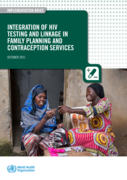
This implementation brief addresses integration of HIV testing services into family planning (FP) services. It is intended as a practical resource for national health programmes seeking to introduce or scale up HIV testing and linkage to HIV prevent
...
ion, sexually transmitted infection, and antiretroviral therapy services in FP.
This document highlights emerging good practices and country experiences of integrated HIV prevention and testing services within FP and advocates for increased linkage for FP clients to HIV services according to their needs. It also brings together information on models of integration of HIV testing into FP services, programme examples from east and southern Africa and guidance on the implementation monitoring process.
more

This publication is a companion document to the NDVP National Deployment and Vaccination Plans guidance, which provides a framework for countries to develop their national strategies. As countries face challenges with erratic vaccine supplies, use of multiple vaccine products with different charact
...
eristics, and the size of populations and their diversity, this document provides operational guidance and information to support planners and immunization programme managers at the national and sub-national levels on microplanning for COVID-19 vaccination implementation.
This Guide is available in English, French, Arabic, chinese, Portuguese, Spanish, Russian
more

3rd edition. In 2001, Uganda adapted the Integrated Disease Surveillance and Response (IDSR) developed by World Health Organization (WHO) for member states in African region. The Ministry of Health
...
has been implementing the IDSR strategy since then with success across the country. This strategy provides the opportunity for rational use of resources and maximises investments in health surveillance systems. The 3rd edition IDSR guidelines incorporates lessons learnt from previous
epidemics, new frameworks like the Global Health Security Agenda (GHSA), One Health, Disaster Risk Management (DRM), the WHO regional strategy for health security and emergencies, and the rising non-communicable diseases, and aims to strengthen implementation of IHR (2005) core surveillance and response capacities. These guidelines have been adapted to reflect national priorities, policies and public health structures; and shall be used in conjunction with other similar
guidelines/strategies or initiatives.
Overall, the 3rd edition technical guidelines will incorporate the following:
• Strengthening Indicator Based Surveillance
• Strengthening Event Based Surveillance
• Improving community-based disease surveillance
• Improving Cross Border Surveillance and response
• Scaling up e-IDSR implementation
• Improving reporting and information sharing platforms
• Improved data sharing across sectors
• Tailoring IDSR to Emergency or Disaster contexts
The 3rd edition guidelines are intended for use as:
• A general reference for surveillance activities across all levels
• A set of definitions for thresholds that trigger some action for response
• A stand-alone reference for level-specific guidelines on surveillance and response
• A resource for developing training, supervision and evaluation of surveillance activities
• A guide for improving early detection and preparedness for outbreak response.
more
What are patient navigators and how can they improve integration of care?
Budde, H.; G.A.Williams, G. Scarpetti, et al.
World Health Organization WHO, Regional Office of Europe
(2021)
C_WHO
Policy brief
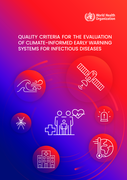
The frequency of infectious disease epidemics is increasing, and the role of the health sector in the management of epidemics is crucial in terms of response. In the context of infectious disease epidemics, the use of climate-informed early warning
...
systems (EWS) has the potential to increase the effectiveness of disease control by intervening before or at the beginning of the epidemic curve, instead of during the downward slope.
Currently, the initiation of interventions is heavily reliant on routine disease surveillance systems – data that often arrive too late for preventative response. However, forecasting of disease outbreaks using surveillance and weather information shows promising potential – there also remains further scope to examine seasonal climate forecasts. By combining these elements in new EWS based on computational models, it will be possible to improve both the timeliness and impact of disease control. The World Health Organization (WHO) is strengthening existing surveillance systems for infectious diseases to enable the development of more robust and timely EWS, which has resulted in the rapid development and innovation of EWS for disease outbreaks.
more
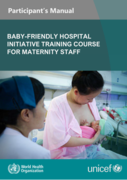
1.1 Why this course is needed
The first few hours and days of a newborn baby’s life are a critical window for establishing breastfeeding and for providing mothers with the support they need to breastfeed successfully. Since 1991, the Baby-friendly Hospital Initiative (BFHI) has helped to motivate
...
facilities providing maternity and newborn baby services worldwide to better support breastfeeding. It has been adopted by many countries and organizations. The BFHI aims to provide a health-care environment that supports mothers to acquire the skills necessary to exclusively breastfeed for six months, and to continue breastfeeding for two years or beyond.
more
Contact tracing and quarantine in the context of COVID-19: interim guidance, 6 July 2022
recommended
Contact tracing for COVID-19 is the process of identifying, assessing, and managing people who have been exposed to someone who has been infected with the SARS-CoV-2 virus, while quarantine is the separation of contacts from other people after exposure to a probable or confirmed case of SARS-CoV-2 i
...
nfection. In the context of growing global population immunity from COVID-19 vaccination and past SARS-CoV-2 infection, WHO recommends that identification, contact, quarantine and follow-up should be prioritized for individuals at high risk who have been in contact with a confirmed or probable case of SARS-CoV-2 infection, rather than targeting all contacts. This updated guidance also introduces shorter recommended quarantine periods, including the ability to further shorten quarantine through the use of testing. National and local health authorities should use risk-based approaches to contact tracing and quarantine that include reviewing and adjusting to their local circumstances and disease epidemiology, population immunity, their health system’s capacities, and risk tolerance.
more
Understanding and building resilience to early life trauma in Belarus and Ukraine
Marais, J.F.; Ol. Kazakova, D. Krupchanka, et al.
World Health Organization WHO, Regional Office of Europe
(2019)
C_WHO
In 2018 and early 2019, the WHO Regional Office for Europe’s cultural contexts of health and well-being project worked alongside the University of Exeter’s WHO Collaborating Centre on Culture and Healt
...
h, the Minsk Regional Centre for Psychiatry and Addiction, and the Institute of Mental Health of the Ukrainian Catholic University to engage researchers, practitioners, health-care workers and other relevant stakeholders in a series of workshops on the cultural contexts of early life trauma in Belarus and Ukraine.
more
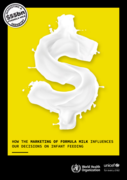
This report - the largest of its kind to date - draws on the experiences of over 8,500 women and 300 health professionals across eight countries. It exposes the aggressive marketing practices used by the formula milk industry, and highlights impacts
...
on families’ decisions about how to feed their babies and young children.
more

an operational guide to support all those responsible for planning and implementing the rollout of COVID-19 vaccine to refugees and migrants at national and local levels, 14 March 2022
Objective: To review the effectiveness of antibiotic stewardship interventions in hospitals in low- and middle-income countries.
Road safety is an issue that does not receive anywhere near the attention it deserves – and it really is one
of our great opportunities to save lives around the world
This recommendation is an update of one of the 49 recommendations that were published in the WHO recommendations on antenatal care for a positive pregnancy experience. The recommendation was developed initially using the standardized operating procedures described in the WHO handbook for guideline d
...
evelopment.
In summary, the process included: (i) identification of priority question and outcomes; (ii) retrieval of evidence; (iii) assessment and synthesis of the evidence; (iv) formulation of recommendation; and (v) planning for the implementation, dissemination, impact evaluation and updating of the recommendation. This recommendation was identified by the Executive Guideline Steering Group (GSG) as a high priority for updating in response to new evidence on this question.
more
Supplement to: Guidance on vaccination and prevention of vaccine-preventable disease outbreaks for countries hosting refugees from Ukraine, April 2022 update
This document provides: • information on how to obtain vaccination documentation remotely (intended for refugees from Ukraine and intern
...
ally displaced persons (IDPs) in Ukraine who lack documentation of vaccination status for themselves or their children); • information on the types of vaccination documentation issued in Ukraine, and English translations of standard documents (intended for health care providers in refugee-host countries to facilitate assessment of vaccination status of refugees).
more

20 April 2022. The response to the COVID-19 pandemic continues to adversely affect essential TB services in many countries. A first report of case studies was published in 2021 comprising 23 examples of innovative interventions implemented by countries to effectively respond to disruptions of TB ser
...
vices caused or exacerbated by the COVID-19 pandemic. This second, consolidated report incorporates new case studies, as well as updates to previously reported case studies
more

Epidemics of infectious diseases are occurring more often, and spreading faster and further than ever, in many different regions of the world. The background factors of this threat are biological, environmental and lifestyle changes, among others. A potentially fatal combination of newly-discovered
...
diseases, and the re-emergence of many long-established ones, demands urgent responses in all countries. Planning and preparation for epidemic prevention and control are essential. The purpose of this “Managing epidemics” manual is to provide expert guidance on those responses.
more
