
Filter
1504
Text search:
hearing
health
Featured
165
346
Language
Document type
989
153
134
96
72
25
14
11
5
3
1
1
Countries
84
45
40
37
36
34
33
26
24
23
21
21
20
20
19
18
17
17
15
14
13
10
10
9
9
8
8
8
8
8
8
8
6
6
5
5
5
4
4
4
4
4
4
4
4
4
4
4
3
3
3
3
3
3
3
3
3
3
2
2
2
2
2
2
2
2
2
1
1
1
1
1
1
1
1
1
1
1
1
1
1
1
1
1
1
1
1
1
1
1
1
1
1
1
Authors & Publishers
Publication Years
Category
514
97
88
77
61
43
5
Toolboxes
358
222
71
49
49
48
38
24
22
20
16
15
15
13
12
11
10
10
9
8
7
7
5
2
1
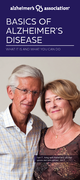
What it is and what you can do
Rev. Oct16 770-10-0003

Introduction
Chapter A.2
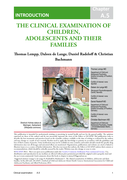
Introduction
Chapter A.5
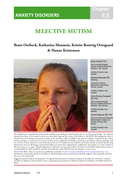
Anxiety disorders
Chapter F.5


Можно выделить две формы энкопреза: энкопрез с запором и без запора. Такое разделение крайне важно, так как в основе этих двух форм лежит разная патофизиология, они
...

National guidelines for the provision of psychosocial support for gender based violence victims/survivors
recommended
Psychosocial support is a very important component in Gender Based Violence response that provide appropriate care, protection and social integration. Psychological aspects affect thoughts, emotions, behavior, memory, learning ability, perceptions and understanding. While the social aspects have ef
...
Accessed November 2017

A Manual for Maternity Unit Personnel - Part of the CBM Prevention Toolkit on Birth Impairments
Other disorders
Chapter H.5

Accessed: 08.10.2019
Evidence-based resources for all students, nurses, and other healthcare professionals - Clinical Pocket Reference
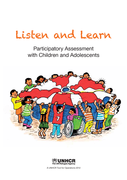
Participatory Assessment with Children and Adolescents. An UNHCR Tool for Operations
Available in: English, French, Chinese, Spanish, Russian, Arabic, Thai, Korean, Tajik, Vietnamese, Uzbek
http://www.who.int/disabilities/cbr/guidelines/en/
Available in: English, French, Chinese, Spanish, Russian, Arabic, Thai, Korean, Tajik, Vietnamese, Uzbek
http://www.who.int/disabilities/cbr/guidelines/en/
Available in: English, French, Chinese, Spanish, Russian, Arabic, Thai, Korean, Tajik, Vietnamese, Uzbek
http://www.who.int/disabilities/cbr/guidelines/en/
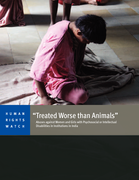
Abuses against Women and Girls with Psychosocial or Intellectual Disabilities in institutions in India
