
Filter
6152
Text search:
limited
human
resources
Featured
595
1643
Language
6045
125
94
63
56
39
29
10
8
7
6
5
5
4
4
4
3
3
3
3
3
3
2
2
2
2
2
2
2
2
2
2
2
2
2
2
2
2
2
2
2
1
1
1
1
1
1
1
1
1
1
1
1
1
1
1
1
1
1
1
Document type
3149
1202
844
399
305
102
84
44
8
7
3
1
1
Countries
324
210
176
139
137
127
125
124
121
118
107
106
102
100
92
88
88
85
82
73
70
54
50
49
48
41
41
40
38
38
38
37
37
36
34
32
30
28
28
26
24
24
22
20
20
19
19
18
18
18
18
17
16
16
14
14
14
14
13
13
12
12
10
10
10
9
9
9
8
8
7
7
6
6
6
6
5
5
5
5
4
4
4
4
4
4
4
3
3
3
3
3
3
3
3
3
3
3
3
3
2
2
2
2
2
2
2
2
2
2
2
2
2
2
2
2
2
2
2
2
2
2
1
1
1
1
1
1
1
1
1
1
1
1
1
1
1
Authors & Publishers
884
253
179
171
150
109
102
83
72
49
43
34
30
29
28
27
27
26
25
24
24
24
23
23
21
21
21
20
19
19
19
18
18
18
17
17
16
16
16
16
15
15
15
15
15
15
15
14
14
14
14
14
14
14
13
13
13
13
12
12
12
12
12
12
12
12
11
11
11
11
11
11
11
11
11
10
10
10
10
10
10
10
10
10
9
9
9
9
9
9
8
8
8
8
8
8
8
8
8
8
8
8
8
8
7
7
7
7
7
7
7
7
7
7
7
7
7
7
7
7
6
6
6
6
6
6
6
6
6
6
6
6
6
6
6
6
6
6
6
6
6
6
6
6
6
6
6
6
5
5
5
5
5
5
5
5
5
5
5
5
5
5
5
5
5
5
5
5
5
5
5
5
5
5
5
5
5
5
5
5
5
5
5
5
4
4
4
4
4
4
4
4
4
4
4
4
4
4
4
4
4
4
4
4
4
4
4
4
4
4
4
4
4
4
4
4
4
4
4
4
4
4
4
4
4
4
4
4
4
4
4
4
4
4
4
4
4
4
3
3
3
3
3
3
3
3
3
3
3
3
3
3
3
3
3
3
3
3
3
3
3
3
3
3
3
3
3
3
3
3
3
3
3
3
3
3
3
3
3
3
3
3
3
3
3
3
3
3
3
3
3
3
3
3
3
3
3
3
3
3
3
3
3
3
3
3
3
3
3
3
3
3
3
3
3
3
3
3
3
3
3
3
3
3
3
3
3
3
3
3
3
3
3
3
3
3
3
3
3
3
3
3
3
3
3
3
3
3
3
3
3
3
2
2
2
2
2
2
2
2
2
2
2
2
2
2
2
2
2
2
2
2
2
2
2
2
2
2
2
2
2
2
2
2
2
2
2
2
2
2
2
2
2
2
2
2
2
2
2
2
2
2
2
2
2
2
2
2
2
2
2
2
2
2
2
2
2
2
2
2
2
2
2
2
2
2
2
2
2
2
2
2
2
2
2
2
2
2
2
2
2
2
2
2
2
2
2
2
2
2
2
2
2
2
2
2
2
2
2
2
2
2
2
2
2
2
2
2
2
2
2
2
2
2
2
2
2
2
2
2
2
2
2
2
2
2
2
2
2
2
2
2
2
2
2
2
2
2
2
2
2
2
2
2
2
2
2
2
2
2
2
2
2
2
2
2
2
2
2
2
2
2
2
2
2
2
2
2
2
2
2
2
2
2
2
2
2
2
2
2
2
2
2
2
2
2
2
2
2
2
2
2
2
2
2
2
2
2
2
2
2
2
2
2
2
2
2
2
2
2
2
2
2
2
2
2
2
2
2
2
2
2
2
2
2
2
2
2
2
2
2
2
2
2
2
2
2
2
2
2
2
2
2
2
2
2
2
2
2
2
2
2
2
2
2
2
2
2
2
2
2
2
2
2
2
2
2
2
2
2
2
2
2
2
2
2
2
2
2
2
2
2
2
2
2
2
2
2
2
2
2
2
2
1
1
1
1
1
1
1
1
1
1
1
1
1
1
1
1
1
1
1
1
1
1
1
1
1
1
1
1
1
1
1
1
1
1
1
1
1
1
1
1
1
1
1
1
1
1
1
1
1
1
1
1
1
1
1
1
1
1
1
1
1
1
1
1
1
1
1
1
1
1
1
1
1
1
1
1
1
1
1
1
1
1
1
1
1
1
1
1
1
1
1
1
1
1
1
1
1
1
1
1
1
1
1
1
1
1
1
1
1
1
1
1
1
1
1
1
1
1
1
1
1
1
1
1
1
1
1
1
1
1
1
1
1
1
1
1
1
1
1
1
1
1
1
1
1
1
1
1
1
1
1
1
1
1
1
1
1
1
1
1
1
1
1
1
1
1
1
1
1
1
1
1
1
1
1
1
1
1
1
1
1
1
1
1
1
1
1
1
1
1
1
1
1
1
1
1
1
1
1
1
1
1
1
1
1
1
1
1
1
1
1
1
1
1
1
1
1
1
1
1
1
1
1
1
1
1
1
1
1
1
1
1
1
1
1
1
1
1
1
1
1
1
1
1
1
1
1
1
1
1
1
1
1
1
1
1
1
1
1
1
1
1
1
1
1
1
1
1
1
1
1
1
1
1
1
1
1
1
1
1
1
1
1
1
1
1
1
1
1
1
1
1
1
1
1
1
1
1
1
1
1
1
1
1
1
1
1
1
1
1
1
1
1
1
1
1
1
1
1
1
1
1
1
1
1
1
1
1
1
1
1
1
1
1
1
1
1
1
1
1
1
1
1
1
1
1
1
1
1
1
1
1
1
1
1
1
1
1
1
1
1
1
1
1
1
1
1
1
1
1
1
1
1
1
1
1
1
1
1
1
1
1
1
1
1
1
1
1
1
1
1
1
1
1
1
1
1
1
1
1
1
1
1
1
1
1
1
1
1
1
1
1
1
1
1
1
1
1
1
1
1
1
1
1
1
1
1
1
1
1
1
1
1
1
1
1
1
1
1
1
1
1
1
1
1
1
1
1
1
1
1
1
1
1
1
1
1
1
1
1
1
1
1
1
1
1
1
1
1
1
1
1
1
1
1
1
1
1
1
1
1
1
1
1
1
1
1
1
1
1
1
1
1
1
1
1
1
1
1
1
1
1
1
1
1
1
1
1
1
1
1
1
1
1
1
1
1
1
1
1
1
1
1
1
1
1
1
1
1
1
1
1
1
1
1
1
1
1
1
1
1
1
1
1
1
1
1
1
1
1
1
1
1
1
1
1
1
1
1
1
1
1
1
1
1
1
1
1
1
1
1
1
1
1
1
1
1
1
1
1
1
1
1
1
1
1
1
1
1
1
1
1
1
1
1
1
1
1
1
1
1
1
1
1
1
1
1
1
1
1
1
1
1
1
1
1
1
1
1
1
1
1
1
1
1
1
1
1
1
1
1
1
1
1
1
1
1
1
1
1
1
1
1
1
1
1
1
1
1
1
1
1
1
1
1
1
1
1
1
1
1
1
1
1
1
1
1
1
1
1
1
1
1
1
1
1
1
1
1
1
1
1
1
1
1
1
1
1
1
1
1
1
1
1
1
1
1
1
1
1
1
1
1
1
1
1
1
1
1
1
1
1
1
1
1
1
1
1
1
1
1
1
1
1
1
1
1
1
1
1
1
1
1
1
1
1
1
1
1
1
1
1
1
1
1
1
1
1
1
1
1
1
1
1
1
1
1
1
1
1
1
1
1
1
1
1
1
1
1
1
1
1
1
1
1
1
1
1
1
1
1
1
1
1
1
1
1
1
1
1
1
1
1
1
1
1
1
1
1
1
1
1
1
1
1
1
1
1
1
1
1
1
1
1
1
1
1
1
1
1
1
1
1
1
1
1
1
1
1
1
1
1
1
1
1
1
1
1
1
1
1
1
1
1
1
1
1
1
1
1
1
1
1
1
1
1
1
1
1
1
1
1
1
1
1
1
1
1
1
1
1
1
1
1
1
1
1
1
1
1
1
1
1
1
1
1
1
1
1
1
1
1
1
1
1
1
1
1
1
1
1
1
1
1
1
1
1
1
1
1
1
1
1
1
1
1
1
1
1
1
1
1
1
1
1
1
1
1
1
1
1
1
1
1
1
1
1
1
1
1
1
1
1
1
1
1
1
1
1
1
1
1
1
1
1
1
1
1
1
1
1
1
1
1
1
1
1
1
1
1
1
1
1
1
1
1
1
1
1
1
1
1
1
1
1
1
1
1
1
1
1
1
1
1
1
1
1
1
1
1
1
1
1
1
1
1
1
1
1
1
1
1
1
1
1
1
1
1
1
1
1
1
1
1
1
1
1
1
1
1
1
1
1
1
1
1
1
1
1
1
1
1
1
1
1
1
1
1
1
1
1
1
1
1
1
1
1
1
1
1
1
1
1
1
1
1
1
1
1
1
1
1
1
1
1
1
1
1
1
1
1
1
1
1
1
1
1
1
1
1
1
1
1
1
1
1
1
1
1
1
1
1
1
1
1
1
1
1
1
1
1
1
1
1
1
1
1
1
1
1
1
1
1
1
1
1
1
1
1
1
1
1
1
1
1
1
1
1
1
1
1
1
1
1
1
1
1
1
1
1
1
1
1
1
1
1
1
1
1
1
1
1
1
1
1
1
1
1
1
1
1
1
1
1
1
1
1
1
1
1
1
1
1
1
1
1
1
1
1
1
1
1
1
1
1
1
1
1
1
1
1
1
1
1
1
1
1
1
1
1
1
1
1
1
1
1
1
1
1
1
1
1
1
1
1
1
1
1
1
1
1
1
1
1
1
1
1
1
1
1
1
1
1
1
1
1
1
1
1
1
1
1
1
1
1
1
1
1
1
1
1
1
1
1
1
1
1
1
1
1
1
1
1
1
1
1
1
1
1
1
1
1
1
1
1
1
1
1
1
1
1
1
1
1
1
1
1
1
1
1
1
1
1
1
1
1
1
1
1
1
1
1
1
1
1
1
1
1
1
1
1
1
1
1
1
1
1
1
1
1
1
1
1
1
1
1
1
1
1
1
1
1
1
1
1
1
1
1
1
1
1
1
1
1
1
1
1
1
1
1
1
1
1
1
1
1
1
1
1
1
1
1
1
1
1
1
1
1
1
1
1
1
1
1
1
1
1
1
1
1
1
1
1
1
1
1
1
1
1
1
1
1
1
1
1
1
1
1
1
1
1
1
1
1
1
1
1
1
1
1
1
1
1
1
1
1
1
1
1
1
1
1
1
1
1
1
1
1
1
1
1
1
1
1
1
1
1
1
1
1
1
1
1
1
1
1
1
1
1
1
1
1
1
1
1
1
1
1
1
1
1
1
1
1
1
1
1
1
1
1
1
1
1
1
1
1
1
1
1
1
1
1
1
1
1
1
1
1
1
1
1
1
1
1
1
1
1
1
1
1
1
1
1
1
1
1
1
1
1
1
1
1
1
1
1
1
1
1
1
1
1
1
1
1
1
1
1
1
1
1
1
1
1
1
1
1
1
1
1
1
1
1
1
1
1
1
1
1
1
1
1
1
1
1
1
1
1
1
1
1
1
1
1
1
1
1
1
1
1
1
1
1
1
1
1
1
1
1
1
1
1
1
1
1
1
1
1
1
1
1
1
1
1
1
1
1
1
1
1
1
1
1
1
1
1
1
1
1
1
1
1
1
1
1
1
1
1
1
1
1
1
1
1
1
1
1
1
1
1
1
1
1
1
1
1
1
1
1
1
1
1
1
1
1
1
1
1
1
1
1
1
1
1
1
1
1
1
1
1
1
1
1
1
1
1
1
1
1
1
1
1
1
1
1
1
1
1
1
1
1
1
1
1
1
1
1
1
1
1
1
1
1
1
1
1
1
1
1
1
1
1
1
1
1
1
1
1
1
1
1
1
1
1
1
1
1
1
1
1
1
1
1
1
1
1
1
1
1
1
1
1
1
1
1
1
1
1
1
1
1
1
1
1
1
1
1
1
1
1
1
1
1
1
1
1
1
1
1
1
1
1
1
1
1
1
1
1
1
1
1
1
1
1
1
1
1
1
1
1
1
1
1
1
1
1
1
1
1
1
1
1
1
1
1
1
1
1
1
1
1
1
1
1
1
1
1
1
1
1
1
1
1
1
1
1
1
1
1
1
1
1
1
1
1
1
1
1
1
1
1
1
1
1
1
1
1
1
1
1
1
1
1
1
1
1
1
1
1
1
1
1
1
1
1
1
1
1
1
1
1
1
1
1
1
1
1
1
1
1
1
1
1
1
1
1
1
1
1
1
1
1
1
1
1
1
1
1
1
1
1
1
1
1
1
1
1
1
1
1
1
1
1
1
1
1
1
1
1
1
1
1
1
1
1
1
1
1
1
1
1
1
1
1
1
1
1
1
1
1
1
1
1
1
1
1
1
1
1
1
1
1
1
1
1
1
1
1
1
1
1
1
1
1
1
1
1
1
1
1
1
1
1
1
1
1
1
1
1
1
1
1
1
1
1
1
1
1
1
1
1
1
1
1
1
1
1
1
1
1
1
1
1
1
1
1
1
1
1
1
1
1
1
1
1
1
1
1
1
1
1
1
1
1
1
1
1
1
1
1
1
1
1
1
1
1
1
1
1
1
1
1
1
1
1
1
1
1
1
1
1
1
1
1
1
1
1
1
1
1
1
1
1
1
1
1
1
1
1
1
1
1
1
1
1
1
1
1
1
1
1
1
1
1
1
1
1
1
1
1
1
1
1
1
1
1
1
1
1
1
1
1
1
1
1
1
1
1
1
1
1
1
1
1
1
1
1
1
1
1
1
1
1
1
1
1
1
1
1
1
1
1
1
1
1
1
1
1
1
1
1
1
1
1
1
1
1
1
1
1
1
1
1
1
1
1
1
1
1
1
1
1
1
1
1
1
1
1
1
1
1
1
1
1
1
1
1
1
1
1
1
1
1
1
1
1
1
1
1
1
1
1
1
1
1
1
1
1
1
1
1
1
1
1
1
1
1
1
1
1
1
1
1
1
1
1
1
1
1
1
1
1
1
1
1
1
1
1
1
1
1
1
1
1
1
1
1
1
1
1
1
1
1
1
1
1
1
1
1
1
1
1
1
1
1
1
1
1
1
1
1
1
1
1
1
1
1
1
1
1
1
1
1
1
1
1
1
1
1
1
1
1
1
1
1
1
1
1
1
1
1
1
1
1
1
1
1
1
1
1
1
1
1
1
1
1
1
1
1
1
1
1
1
1
1
1
1
1
1
1
1
1
1
1
1
1
1
1
1
1
1
1
1
1
1
1
1
1
1
1
1
1
1
1
1
1
1
1
1
1
1
1
1
1
1
1
1
1
1
1
1
1
1
1
1
1
1
1
1
1
1
1
1
1
1
1
1
1
1
1
1
1
1
1
1
1
1
1
1
1
1
1
1
1
1
1
1
1
1
1
1
1
1
1
1
1
1
1
1
1
1
1
1
1
1
1
1
1
1
1
1
1
1
1
1
1
1
1
1
1
1
1
1
1
1
1
1
1
1
1
1
1
1
1
1
1
1
1
1
1
1
1
1
1
1
1
1
1
1
1
1
1
1
1
1
1
1
1
1
1
1
1
1
1
1
1
1
1
1
1
1
1
1
1
1
1
1
1
1
1
1
1
1
1
1
1
1
1
1
1
1
1
1
1
1
1
1
1
1
1
1
1
1
1
1
1
1
1
1
1
1
1
1
1
1
1
1
1
1
1
1
1
1
1
1
1
1
1
1
1
1
1
1
1
1
1
1
1
1
1
1
1
1
1
1
1
1
1
1
1
1
1
1
1
1
1
1
1
1
1
1
1
1
1
1
1
1
1
1
1
1
1
1
1
1
1
1
1
1
1
1
1
1
1
1
1
1
1
1
1
1
1
1
1
1
1
1
1
1
1
1
1
1
1
1
1
1
1
1
1
1
1
1
1
1
1
1
1
1
1
1
1
1
1
1
1
1
1
1
1
1
1
1
1
1
1
1
1
1
1
1
1
1
1
1
1
1
1
1
1
1
1
1
1
1
1
1
1
1
1
1
1
1
1
1
1
1
1
1
1
1
1
1
1
1
1
1
1
1
1
1
1
1
1
1
1
1
1
1
1
1
1
1
1
1
1
1
1
1
1
1
1
1
1
1
1
1
1
1
1
1
1
1
1
1
1
1
1
1
1
1
1
1
1
1
1
1
1
1
1
1
1
1
1
1
1
1
1
1
1
1
1
1
1
1
1
1
1
1
1
1
1
1
1
1
1
1
1
1
1
1
1
1
1
1
1
1
1
1
1
1
1
1
1
1
1
1
1
1
1
1
1
1
1
1
1
1
1
1
1
1
1
1
1
1
1
1
1
1
1
1
1
1
1
1
1
1
1
1
1
1
1
1
1
1
1
1
1
1
1
1
1
1
1
1
1
1
1
1
1
1
1
1
1
1
1
1
1
1
1
1
1
1
1
1
1
1
1
1
1
1
1
1
1
1
1
1
1
1
1
1
1
1
1
1
1
1
1
1
1
1
1
1
1
1
1
1
1
1
1
1
1
1
1
1
1
1
1
1
1
1
1
1
1
1
1
1
1
1
1
1
1
1
1
1
1
1
1
1
1
1
1
1
1
1
1
1
1
1
1
1
1
1
1
1
1
1
1
1
1
1
1
1
1
1
1
1
1
1
1
1
1
1
1
1
1
1
1
1
1
1
1
1
1
1
1
1
1
1
1
1
1
1
1
1
1
1
1
1
1
1
1
1
1
1
1
1
1
1
1
1
1
1
1
1
1
1
1
1
1
1
1
1
1
1
1
1
1
1
1
1
1
1
1
1
1
1
1
1
1
1
1
1
1
1
1
1
1
1
1
1
1
1
1
1
1
1
1
1
1
1
1
1
1
1
1
1
1
1
1
1
1
1
1
1
1
1
1
1
1
1
1
1
1
1
1
1
1
1
1
1
1
1
1
1
1
1
1
1
1
1
1
1
1
1
1
1
1
1
1
1
1
1
1
1
1
1
1
1
1
1
1
1
1
1
1
1
1
1
1
1
1
1
1
1
1
1
1
1
1
1
1
1
1
1
1
1
1
1
1
1
1
1
1
1
1
1
1
1
1
1
1
1
1
1
1
1
1
1
1
1
1
1
1
1
1
1
1
1
1
1
1
1
1
1
1
1
1
1
1
1
1
1
1
1
1
1
1
1
1
1
1
1
1
1
1
1
1
1
1
1
1
1
1
1
1
1
1
1
1
1
1
1
1
1
1
1
1
1
1
1
1
1
1
1
1
1
1
1
1
1
1
1
1
1
1
1
1
1
1
1
1
1
1
1
1
1
1
1
1
1
1
1
1
1
1
1
1
1
1
1
1
1
1
1
1
1
1
1
1
1
1
1
1
1
1
1
1
1
1
1
1
1
1
1
1
1
1
1
1
1
1
1
1
1
1
1
1
1
1
1
1
1
1
1
1
1
1
1
1
1
1
1
1
1
1
1
1
1
1
1
1
1
1
1
1
1
1
1
1
1
1
1
1
1
1
1
1
1
1
1
1
1
1
1
1
1
1
1
1
1
1
1
1
1
1
1
1
1
1
1
1
1
1
1
1
1
1
1
1
1
1
1
1
1
1
1
1
1
1
1
1
1
1
1
1
1
1
1
1
1
1
1
1
1
1
1
1
1
1
1
1
1
1
1
1
1
1
1
1
1
1
1
1
1
1
1
1
1
1
1
1
1
1
1
1
1
1
1
1
1
1
1
1
1
1
1
1
1
1
1
1
1
1
1
1
1
1
1
1
1
1
1
1
1
1
1
1
1
1
1
1
1
1
1
1
1
1
1
1
1
1
1
1
1
1
1
1
1
1
1
1
1
1
1
1
1
1
1
1
1
1
1
1
1
1
1
1
1
1
1
1
1
1
1
1
1
1
1
1
1
1
1
1
1
1
1
1
1
1
1
1
1
1
1
1
1
1
1
1
1
1
1
1
1
1
1
1
1
1
1
1
1
1
1
1
1
1
1
1
1
1
1
1
1
1
1
1
1
1
1
1
1
1
1
1
1
1
1
1
1
1
1
1
1
1
1
1
1
1
1
1
1
1
1
1
1
1
1
1
1
1
1
1
1
1
1
1
1
1
1
1
1
1
1
1
1
1
1
1
1
1
1
1
1
1
1
1
1
1
1
1
1
1
1
1
1
1
1
1
1
1
1
1
1
1
1
1
1
1
1
1
1
1
1
1
1
1
1
1
1
1
1
1
1
1
1
1
1
1
1
1
1
1
1
1
1
1
1
1
1
1
1
1
1
1
1
1
1
1
1
1
1
1
1
1
1
1
1
1
1
1
1
1
1
1
1
1
1
1
1
1
1
1
1
1
1
1
1
1
1
1
1
1
1
1
1
1
1
1
1
1
1
1
1
1
1
1
1
1
1
1
1
1
1
1
1
1
1
1
1
1
1
1
1
1
1
1
1
1
1
1
1
1
1
1
1
1
1
1
1
1
1
1
1
1
1
1
1
1
1
1
1
1
1
1
1
1
1
1
1
1
1
1
1
1
1
1
1
1
1
1
1
1
1
1
1
1
1
1
1
1
1
1
1
1
1
1
1
1
1
1
1
1
1
1
1
1
1
1
1
1
1
1
1
1
1
1
1
1
1
1
1
1
1
1
1
1
1
1
1
1
1
1
1
1
1
1
1
1
1
1
1
1
1
1
1
1
1
1
1
1
1
1
1
1
1
1
1
1
1
1
1
1
1
1
1
1
1
1
1
1
1
1
1
1
1
1
1
1
1
1
1
1
1
1
1
1
1
1
1
1
1
1
1
1
1
1
1
1
1
1
1
1
1
1
1
1
1
1
1
1
1
1
1
1
1
1
1
1
1
1
1
1
1
1
1
1
1
1
1
1
1
1
1
1
1
1
1
1
1
1
1
1
1
1
1
1
1
1
1
1
1
1
1
1
1
1
1
1
1
1
1
1
1
1
1
1
1
1
1
1
1
1
1
1
1
1
1
1
1
1
1
1
1
1
1
1
1
1
1
1
1
1
1
1
1
1
1
1
1
1
1
1
1
1
1
1
1
1
1
1
1
1
1
1
1
1
1
1
1
1
1
1
1
1
1
1
1
1
1
1
1
1
1
1
1
1
1
Publication Years
1
1939
3631
550
29
2
Category
2194
506
418
360
347
120
51
2
Toolboxes
476
471
307
303
276
231
188
184
173
173
167
149
140
125
106
101
99
96
91
80
44
37
36
28
26
4
2
Measures to strengthen primary health-care systems in low- and middle-income countries
Etienne V Langlois, Andrew Mc Kenzie, Helen Schneider & Jeffrey W Mecaskey
World Health Organization
(2020)
C_WHO
Primary health care offers a cost–effective route to achieving universal health coverage (UHC). However, primary health-care systems are weak in many low- and middle-income countries and often fail to provide comprehensive, people-centred, integrated care. We analysed the primar
...
y health-care systems in 20 low- and middle-income countries using a semi-grounded approach. Options for strengthening primary health-care systems were identified by thematic content analysis. We found that: (i)despite the growing burden of noncommunicable disease, many low- and middle-income countries lacked funds for preventive services; (ii)community health workers were often under-resourced, poorly supported and lacked training; (iii)out-of-pocket expenditure exceeded 40% of total health expenditure in half the countries studied, which affected equity; and (iv)health insurance schemes were hampered by the fragmentation of public and private systems, underfunding, corruption and poor engagement of informal workers. In 14 countries, the private sector was largely unregulated. Moreover, community engagement in primary health care was weak in countries where services were largely privatized. In some countries, decentralization led to the fragmentation of primary health care. Performance improved when financial incentives were linked to regulation and quality improvement, and community involvement was strong. Policy-making should be supported by adequate resources for primary health-care implementation and government spending on primary health care should be increased by at least 1% of gross domestic product. Devising equity-enhancing financing schemes and improving the accountability of primary health-care management is also needed. Support from primary health-care systems is critical for progress towards UHC in the decade to 2030.
more

The World Heart Federation (WHF) Roadmap series covers a large range of cardiovascular conditions. These Roadmaps identify potential roadblocks and their solutions to improve the prevention, detection and management of cardiovascular diseases and provide a generic global framework available for loca
...
l adaptation. A first Roadmap on raised blood pressure was published in 2015. Since then, advances in hypertension have included the publication of new clinical guidelines (AHA/ACC; ESC; ESH/ISH); the launch of the WHO Global HEARTS Initiative in 2016 and the associated Resolve to Save Lives (RTSL) initiative in 2017; the inclusion of single-pill combinations on the WHO Essential
Medicines’ list as well as various advances in technology, in particular telemedicine and mobile health. Given the substantial benefit accrued from effective interventions in the management of hypertension and their potential for scalability in low and middle-income countries (LMICs), the WHF has now revisited and updated the ‘Roadmap for raised BP’ as ‘Roadmap for hypertension’
by incorporating new developments in science and policy. Even though cost-effective lifestyle and medical interventions to prevent and manage hypertension exist, uptake is still low, particularly in resource-poor areas. This Roadmap examined the roadblocks pertaining to both the demand side (demographic and socio-economic factors, knowledge and beliefs, social relations, norms, and
traditions) and the supply side (health systems resources and processes) along the patient pathway to propose a range of possible solutions to overcoming them. Those include the development of population-wide prevention and control programmes; the implementation of opportunistic screening and of out-of-office blood pressure measurements; the strengthening of primary care and a greater focus on task sharing and team-based care; the delivery of people-centred care and stronger patient and carer education; and the facilitation of adherence to treatment. All of the above are dependent upon the availability and effective distribution of good quality, evidencebased, inexpensive BP-lowering agents.
more

The Malaria Ministerial Conference, co-hosted by WHO and the Government of Cameroon on 6 March 2024, brought together more than 400 stakeholders, including Ministers of Health and senior representatives from the African countries hardest hit by malaria, global health leaders, scientists, civil socie
...
ty and other partners. The pivotal meeting sought to leverage political commitment, scientific innovation and community engagement to reshape the trajectory of malaria control in high burden African countries, and beyond.
At the end of the meeting and in the weeks that followed, Ministers of Health from the 11 “High Burden High Impact” African countries (Burkina Faso, Cameroon, Democratic Republic of the Congo, Ghana, Mali, Mozambique, Niger, Nigeria, Sudan, Uganda and United Republic of Tanzania) signed the Yaoundé Declaration, pledging their “unwavering commitment” to the principle that “no one should die from malaria given the tools and systems available.” Success in reducing malaria morbidity and mortality will hinge on efforts by countries to translate this political commitment into actions and resources that will save lives.
more
Food environments are usually defined as the settings with all the different types of
food made available and accessible to people as they go about their daily lives.
That is, the range of food in supermarkets, small retail outlets, wet markets, street
food stalls, coffee shops, tea houses, s
...
chool canteens, restaurants, and all the other
venues where people buy and eat food. These environments differ enormously depending on the context. They can be extensive and diverse, with a seemingly endless array of options and price ranges, or they can be sparse, with very few options on offer. Because they determine what food consumers can access at a given moment in time, at what price, and with what degree of convenience, food environments both constrain and prompt the consumer’s choice.Food environments are influenced by the food systems which supply them, and vice versa. Food systems encompass the entire range of activities, people and institutions involved in the production, processing,
marketing, consumption and disposal of food (FAO, 2013). They include but are not limited to food supply chains. Making food systems nutrition-sensitive can contribute to addressing all forms of malnutrition, as food systems determine whether the food needed for good nutrition are available, affordable, acceptable and of adequate
quantity and quality. How closely food systems and food environments are interrelated and interdependent, and the degree to which external factors affect nutrition outcomes, varies from setting to setting.Many of today’s food systems
and food environments are challenged in supporting consumer choices that are
consistent with healthy diets and good nutrition. Consumers are not making choices based on nutrition and health, and poor diet is now the number one risk factor for death and disability worldwide (GBD, 2015). Food systems that do not enable healthy diets are increasingly recognized as an underlying cause of malnutrition (GLOPAN, 2016), and malnutrition, irrespective of form, has a huge cost. Economic costs associated with undernutrition are estimated at $1-2 trillion per year, about 2-3% of global GDP (FAO, 2013); the global economic cost of obesity and associated diet-related non-communicable diseases is estimated at $2 trillion per year, about 2.8% of global GDP (McKinsey, 2014). Influencing food environments for promoting healthy diets is an emerging strategy to address today’s nutrition challenges.
more

The report identifies major global gaps in WASH services: one third of health care facilities do not have what is needed to clean hands where care is provided; one in four facilities have no water services, and 10% have no sanitation services. This means that 1.8 billion people use facilities that l
...
ack basic water services and 800 million use facilities with no toilets. Across the world’s 47 least-developed countries, the problem is even greater: half of health care facilities lack basic water services. Furthermore, the extent of the problem remains hidden because major gaps in data persist, especially on environmental cleaning.
This report also describes the global and national responses to the 2019 World Health Assembly resolution on WASH in health care facilities. More than 70% of countries have conducted related situation analyses, 86% have updated and are implementing standards and 60% are working to incrementally improve infrastructure and operation and maintenance of WASH services. Case studies from 30 countries demonstrate that progress is being propelled by strong national leadership and coordination, use of data to direct resources and action, and the mutual benefits of empowering health workers and communities to develop solutions together.
more

During the 17 years since Surgical approaches to the urogenital manifestations of lymphatic filariasis was first published, there has been heightened awareness of the physical, economic and emotional burden of the genitourinary manifestations of filariasis. With the impetus to provide better guidanc
...
e for care of those suffering from LF, this update was both warranted and timely.
At the outset, the Committee noted that barriers continue to exist in care of patients affected by LF-associated morbidity. These barriers include lack of information for patients as well as for many healthcare providers, including general surgeons and others within health systems
This update offers a new consensus of the Committee regarding the staging of hydroceles caused by LF, also known as “filariceles”. It recommends integrating LF surgery with other efforts to strengthen surgical care by assessing health facilities for their surgical readiness using the WHO surgical assessment tool or “SAT”. It also recommends integratinghernia surgery with hydrocele surgery and integrating standards for prevention of surgical site infection (SSI).
The update revises recommendations for standard procedures and processes, offers an algorithm for diagnosis (including the use of ultrasound) and discusses postoperative care. It recommends collecting data using the staging and grading system described by Capuano and Capuano along with other metrics for public health management of LF.
A multifaceted approach has therefore been recommended to coordinate public health outreach with national surgical planning and local health systems to include supporting partners such as nongovernmental organizations. Surgical camps with mobile teams, as well as training of personnel at DCP3 “first level” or WHO Level II hospitals (depending on region and resources), have important roles for reducing LF morbidity.
more
WHO has updated its guidelines for COVID-19 therapeutics, with revised recommendations for patients with non-severe COVID-19. This is the 13th update to these guidelines.
Updated risk rates for hospital admission in patients with non-severe COVID-19
The guidance includes updated risk rates for
...
hospital admission in patients with non-severe COVID-19.
The current COVID-19 virus variants tend to cause less severe disease while immunity levels are higher due to vaccination, leading to lower risks of severe illness and death for most patients.
This update includes new baseline risk estimates for hospital admission in patients with non-severe COVID-19. The new ‘moderate risk’ category now includes people previously considered to be high risk including older people and/or those with chronic conditions, disabilities, and comorbidities of chronic disease. The updated risk estimates will assist healthcare professionals to identify individuals at high, moderate or low risk of hospital admission, and to tailor treatment according to WHO guidelines:
**High: **People who are immunosuppressed remain at higher risk if they contract COVID-19, with an estimated hospitalization rate of 6%.
**Moderate: **People over 65 years old, those with conditions like obesity, diabetes and/or chronic conditions including chronic obstructive pulmonary disease, kidney or liver disease, cancer, people with disabilities and those with comorbidities of chronic disease are at moderate risk, with an estimated hospitalization rate of 3%.
Low: Those who are not in the high or moderate risk categories are at low risk of hospitalization (0.5%). Most people are low risk.
Review of COVID-19 treatments for people with non-severe COVID-19
WHO continues to strongly recommend nirmatrelvir-ritonavir (also known by its brand name ‘Paxlovid’) for people at high-risk and moderate risk of hospitalization. The recommendations state that nirmatrelvir-ritonavir is considered the best choice for most eligible patients, given its therapeutic benefits, ease of administration and fewer concerns about potential harms. Nirmatrelvir-ritonavir was first recommended by WHO in April 2022.
If nirmatrelvir-ritonavir is not available to patients at high-risk of hospitalization, WHO suggests the use of molnupiravir or remdesivir instead.
WHO suggests against the use of molnupiravir and remdesivir for patients at moderate risk, judging the potential harms to outweigh the limited benefits in patients at moderate risk of hospital admission.
For people at low risk of hospitalization, WHO does not recommend any antiviral therapy. Symptoms like fever and pain can continue to be managed with analgesics like paracetamol.
WHO also recommends against use of a new antiviral (VV116) for patients, except in clinical trials.
The update also includes a strong recommendation against the use of ivermectin for patients with non-severe COVID-19. WHO continues to advise that in patients with severe or critical COVID-19, ivermectin should only be used in clinical trials.
more

In 2015, the United Nations set important targets to reduce premature
cardiovascular disease (CVD) deaths by 33% by 2030. Africa disproportionately
bears the brunt of CVD burden and has one of the highest risks of dying
from non-communicable diseases (NCDs) worldwide. There is currently
an epide
...
miological transition on the continent, where NCDs is projected
to outpace communicable diseases within the current decade. Unchecked
increases in CVD risk factors have contributed to the growing burden of three
major CVDs—hypertension, cardiomyopathies, and atherosclerotic diseasesleading to devastating rates of stroke and heart failure. The highest age
standardized disability-adjusted life years (DALYs) due to hypertensive heart
disease (HHD) were recorded in Africa. The contributory causes of heart failure
are changing—whilst HHD and cardiomyopathies still dominate, ischemic
heart disease is rapidly becoming a significant contributor, whilst rheumatic
heart disease (RHD) has shown a gradual decline. In a continent where health
systems are traditionally geared toward addressing communicable diseases,
several gaps exist to adequately meet the growing demand imposed by CVDs.
Among these, high-quality research to inform interventions, underfunded
health systems with high out-of-pocket costs, limited accessibility and
affordability of essential medicines, CVD preventive services, and skill
shortages. Overall, the African continent progress toward a third reduction
in premature mortality come 2030 is lagging behind. More can be done in
the arena of effective policy implementation for risk factor reduction and
CVD prevention, increasing health financing and focusing on strengthening
primary health care services for prevention and treatment of CVDs, whilst
ensuring availability and affordability of quality medicines. Further, investing
in systematic country data collection and research outputs will improve the accuracy of the burden of disease data and inform policy adoption on
interventions. This review summarizes the current CVD burden, important
gaps in cardiovascular medicine in Africa, and further highlights priority
areas where efforts could be intensified in the next decade with potential
to improve the current rate of progress toward achieving a 33% reduction
in CVD mortality.
more
Long-term polio vaccine security – the timely, sustained, and uninterrupted supply of suitable types of affordable, quality-assured polio vaccines – is essential in the global effort to achieve and maintain a polio free world. However, fragmented approaches and short-term planning pose considera
...
ble challenges to securing long-term polio vaccine security.
This framework is designed to enhance the efforts of existing structures and workstreams within the Global Polio Eradication Initiative (GPEI) and other stakeholders by improving communication and coordination on vaccine security. Ensuring vaccine security is crucial for maintaining a timely, sustained, and uninterrupted supply of affordable, quality-assured polio vaccines in the global fight to achieve and sustain a polio-free world. However, challenges such as fragmented approaches, short-term planning, a dynamic policy environment, and a diverse product pipeline present significant risks to long-term vaccine security. This framework emphasizes the need for alignment and coordination across key polio operational domains, including Poliovirus Containment, Research and Development, and Vaccine Manufacturing and Supply. It also underscores the critical role of normative frameworks and policies in shaping long-term vaccine strategies that guide these operational areas. Additionally, it highlights the importance of cross-cutting elements such as financing and access to resources, along with the integration of communication, coordination, and advocacy efforts, as essential enablers for achieving vaccine security. To secure long-term vaccine supply, it is imperative to enhance alignment and strengthen coordinated efforts across workstreams and with stakeholders, including vaccine manufacturers.
Recognizing that vaccine security is an ongoing endeavor, requiring continuous monitoring and adaptation, this framework will undergo regular updates and revisions. Initially, the management of the framework will be carried out by the GPEI Vaccine Supply Group (VSG).
more
This note provides information and practical guidance to support gender-based violence (GBV) practitioners to integrate attention to disability into GBV prevention, risk mitigation and response efforts during the COVID-19 pandemic. This document complements other
...
resources relating to GBV and COVID-19 and assumes that the user is already familiar with common GBV prevention, risk mitigation and response approaches.
more
2023 was another year of significant progress in the fight against HIV, tuberculosis (TB) and malaria. In countries where the Global
Fund invests, there has been a full recovery from the disruptive impact of the COVID-19 pandemic. The results we have achieved in the last year build on our extraord
...
inary track record of progress. Over the last two decades, our partnership has cut the combined death rate from AIDS, TB and malaria by 61%. As of the end of 2023, the Global Fund partnership has saved 65 million lives.
more
Technology and digital tools are transforming everyday life, opening new opportunities for women and girls—but they are also being weaponized to harass, threaten, and silence them online. Technology-facilitated violence against women and girls (TF VAWG) is now a defining challenge for gender equal
...
ity, closely linked to violence offline and shaped by deep-rooted discrimination.
more
This brief highlights the urgency of addressing gender inequalities across the Rio Conventions, provides examples of where progress has been made, and identifies clear entry points for addressing gender equality considerations across the Conventions. It makes recommendations for actions to accelerat
...
e the synergistic implementation of the gender provisions and action plans of the Conventions.
more

The Regional Child Protection Operational Note has been developed by IOM and UNICEF’s Regional and Country Offices in North, West and Central Africa as a collaborative inter-agency and cross-regional endeavour within the framework of the sixth phase of the IOM Regional Development and Protection P
...
rogramme (RDPP) for North Africa, a regional initiative funded by the European Union through the Directorate‑General for Migration and Home Affairs and the Italian Ministry of Interior.
more
As a new chapter in the response to the world drug problem begins, UNAIDS calls on countries to adopt the recommendations contained within this report, and to rapidly transform those commitments into laws, policies, services and support that allow people who use drugs to live healthy and dignified l
...
ives.
more

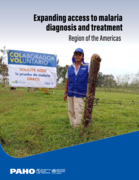
The overall objective of this approach is to accelerate efforts toward malaria elimination by increasing
access to early diagnosis and treatment. The specific objectives are to: Minimize the barriers that the population faces in accessing timely, quality diagnosis and treatment. Reduce the time bet
...
ween diagnosis and the start of treatment. Reduce the parasite reservoir in symptomatic infected persons through early treatment. Maximize the transmission-blocking strategy by taking early action on gametocytes. Decrease the incidence of P. vivax relapses.Ultimately, disrupt malaria transmission and prevent mortalit.
more
2016 ASCO EDUCATIONAL BOOK | asco.org/edbo
Front. Public Health, 30 April 2021 | https://doi.org/10.3389/fpubh.2021.628744
Toolkit for assessing health-system capacity for crisis management. Assessment Forms
WHO Regional Office for Europe
European Commission, Directorate-General for Health and Consumers (DG SANCO)
(2012)
Strengthening health-system emergency preparedness.
