
Filter
2917
Text search:
drug
supply
Featured
321
948
Language
2823
60
40
30
23
20
10
9
5
3
3
3
3
2
2
2
2
2
1
1
1
1
1
1
1
1
1
1
1
1
1
1
1
1
1
1
1
1
1
1
1
1
1
1
1
1
Document type
1607
465
425
172
130
50
36
17
5
3
3
1
1
1
Countries
222
102
97
97
96
74
68
67
64
62
59
59
57
55
53
52
50
36
31
27
26
26
26
25
24
21
20
20
19
18
16
15
13
13
12
11
11
10
10
10
9
8
8
8
7
7
6
6
6
6
6
6
6
5
5
5
4
4
4
4
4
4
4
4
4
4
3
3
3
3
3
3
3
3
3
3
3
3
2
2
2
2
2
2
2
2
2
2
2
2
2
2
2
1
1
1
1
1
1
1
1
1
1
1
1
1
1
1
1
1
1
1
1
1
1
1
1
Authors & Publishers
387
136
67
63
61
56
53
50
38
35
22
22
20
19
17
16
16
16
15
15
14
14
14
14
13
13
13
13
12
12
11
11
11
11
10
10
10
10
9
9
9
9
8
8
8
8
8
8
8
8
8
8
7
7
7
7
7
7
7
7
7
7
7
7
7
7
7
6
6
6
6
6
6
6
6
6
5
5
5
5
5
5
5
5
5
5
5
5
5
5
5
5
5
5
5
5
5
5
5
4
4
4
4
4
4
4
4
4
4
4
4
4
4
4
4
4
4
4
4
4
4
4
4
4
4
4
4
4
4
4
4
4
3
3
3
3
3
3
3
3
3
3
3
3
3
3
3
3
3
3
3
3
3
3
3
3
3
3
3
3
3
3
3
3
3
3
3
3
3
3
3
3
3
3
3
3
3
3
3
3
3
3
3
3
3
3
3
3
3
3
3
3
3
3
3
3
3
3
3
3
2
2
2
2
2
2
2
2
2
2
2
2
2
2
2
2
2
2
2
2
2
2
2
2
2
2
2
2
2
2
2
2
2
2
2
2
2
2
2
2
2
2
2
2
2
2
2
2
2
2
2
2
2
2
2
2
2
2
2
2
2
2
2
2
2
2
2
2
2
2
2
2
2
2
2
2
2
2
2
2
2
2
2
2
2
2
2
2
2
2
2
2
2
2
2
2
2
2
2
2
2
2
2
2
2
2
2
2
2
2
2
2
2
2
2
2
2
2
2
2
2
2
2
2
2
2
2
2
2
2
2
2
2
2
2
2
2
2
2
2
2
2
2
2
2
2
2
2
2
2
2
2
2
2
2
2
1
1
1
1
1
1
1
1
1
1
1
1
1
1
1
1
1
1
1
1
1
1
1
1
1
1
1
1
1
1
1
1
1
1
1
1
1
1
1
1
1
1
1
1
1
1
1
1
1
1
1
1
1
1
1
1
1
1
1
1
1
1
1
1
1
1
1
1
1
1
1
1
1
1
1
1
1
1
1
1
1
1
1
1
1
1
1
1
1
1
1
1
1
1
1
1
1
1
1
1
1
1
1
1
1
1
1
1
1
1
1
1
1
1
1
1
1
1
1
1
1
1
1
1
1
1
1
1
1
1
1
1
1
1
1
1
1
1
1
1
1
1
1
1
1
1
1
1
1
1
1
1
1
1
1
1
1
1
1
1
1
1
1
1
1
1
1
1
1
1
1
1
1
1
1
1
1
1
1
1
1
1
1
1
1
1
1
1
1
1
1
1
1
1
1
1
1
1
1
1
1
1
1
1
1
1
1
1
1
1
1
1
1
1
1
1
1
1
1
1
1
1
1
1
1
1
1
1
1
1
1
1
1
1
1
1
1
1
1
1
1
1
1
1
1
1
1
1
1
1
1
1
1
1
1
1
1
1
1
1
1
1
1
1
1
1
1
1
1
1
1
1
1
1
1
1
1
1
1
1
1
1
1
1
1
1
1
1
1
1
1
1
1
1
1
1
1
1
1
1
1
1
1
1
1
1
1
1
1
1
1
1
1
1
1
1
1
1
1
1
1
1
1
1
1
1
1
1
1
1
1
1
1
1
1
1
1
1
1
1
1
1
1
1
1
1
1
1
1
1
1
1
1
1
1
1
1
1
1
1
1
1
1
1
1
1
1
1
1
1
1
1
1
1
1
1
1
1
1
1
1
1
1
1
1
1
1
1
1
1
1
1
1
1
1
1
1
1
1
1
1
1
1
1
1
1
1
1
1
1
1
1
1
1
1
1
1
1
1
1
1
1
1
1
1
1
1
1
1
1
1
1
1
1
1
1
1
1
1
1
1
1
1
1
1
1
1
1
1
1
1
1
1
1
1
1
1
1
1
1
1
1
1
1
1
1
1
1
1
1
1
1
1
1
1
1
1
1
1
1
1
1
1
1
1
1
1
1
1
1
1
1
1
1
1
1
1
1
1
1
1
1
1
1
1
1
1
1
1
1
1
1
1
1
1
1
1
1
1
1
1
1
1
1
1
1
1
1
1
1
1
1
1
1
1
1
1
1
1
1
1
1
1
1
1
1
1
1
1
1
1
1
1
1
1
1
1
1
1
1
1
1
1
1
1
1
1
1
1
1
1
1
1
1
1
1
1
1
1
1
1
1
1
1
1
1
1
1
1
1
1
1
1
1
1
1
1
1
1
1
1
1
1
1
1
1
1
1
1
1
1
1
1
1
1
1
1
1
1
1
1
1
1
1
1
1
1
1
1
1
1
1
1
1
1
1
1
1
1
1
1
1
1
1
1
1
1
1
1
1
1
1
1
1
1
1
1
1
1
1
1
1
1
1
1
1
1
1
1
1
1
1
1
1
1
1
1
1
1
1
1
1
1
1
1
1
1
1
1
1
1
1
1
1
1
1
1
1
1
1
1
1
1
1
1
1
1
1
1
1
1
1
1
1
1
1
1
1
1
1
1
1
1
1
1
1
1
1
1
1
1
1
1
1
1
1
1
1
1
1
1
1
1
1
1
1
1
1
1
1
1
1
1
1
1
1
1
1
1
1
1
1
1
1
1
1
1
1
1
1
1
1
1
1
1
1
1
1
1
1
1
1
1
1
1
1
1
1
1
1
1
1
1
1
1
1
1
1
1
1
1
1
1
1
1
1
1
1
1
1
1
1
1
1
1
1
1
1
1
1
1
1
1
1
1
1
1
1
1
1
1
1
1
1
1
1
1
1
1
1
1
1
1
1
1
1
1
1
1
1
1
1
1
1
1
1
1
1
1
1
1
1
1
1
1
1
1
1
1
1
1
1
1
1
1
1
1
1
1
1
1
1
1
1
1
1
1
1
1
1
1
1
1
1
1
1
1
1
1
1
1
1
1
1
1
1
1
1
1
1
1
1
1
1
1
1
1
1
1
1
1
1
1
1
1
1
1
1
1
1
1
1
1
1
1
1
1
1
1
1
1
1
1
1
1
1
1
1
1
1
1
1
1
1
1
1
1
1
1
1
1
1
1
1
1
1
1
1
1
1
1
1
1
1
1
1
1
1
1
1
1
1
1
1
1
1
1
1
1
1
1
1
1
1
1
1
1
1
1
1
1
1
1
1
1
1
1
1
1
1
1
1
1
1
1
1
1
1
1
1
1
1
1
1
1
1
1
1
1
1
1
1
1
1
1
1
1
1
1
1
1
1
1
1
1
1
1
1
1
1
1
1
1
1
1
1
1
1
1
1
1
1
1
1
1
1
1
1
1
1
1
1
1
1
1
1
1
1
1
1
1
1
1
1
1
1
1
1
1
1
1
1
1
1
1
1
1
1
1
1
1
1
1
1
1
1
1
1
1
1
1
1
1
1
1
1
1
1
1
1
1
1
1
1
1
1
1
1
1
1
1
1
1
1
1
1
1
1
1
1
1
1
1
1
1
1
1
1
1
1
1
1
1
1
1
1
1
1
1
1
1
1
1
1
1
1
1
1
1
1
1
1
1
1
1
1
1
1
1
1
1
1
1
1
1
1
1
1
1
1
1
1
1
1
1
1
1
1
1
1
1
1
1
1
1
1
1
1
1
1
1
1
1
1
1
1
1
1
1
1
1
1
1
1
1
1
1
1
1
1
1
1
1
1
1
1
1
1
1
1
1
1
1
1
1
1
1
1
1
1
1
1
1
1
1
1
1
1
1
1
1
1
1
1
1
1
1
1
1
1
1
1
1
1
1
1
1
1
1
1
1
1
1
1
1
1
1
1
1
1
1
1
1
1
1
1
1
1
1
1
1
1
1
1
1
1
1
1
1
1
1
1
1
1
1
1
1
1
1
1
1
1
1
1
1
1
1
1
1
1
1
1
1
1
1
1
1
1
1
1
1
1
1
1
1
1
1
1
1
1
1
1
1
1
1
1
1
1
1
1
1
1
1
1
1
1
1
1
1
1
1
1
1
1
1
1
1
1
1
1
1
1
1
1
1
1
1
1
1
1
1
1
1
1
1
1
1
1
1
1
1
1
1
1
1
1
1
1
1
1
1
1
1
1
1
1
1
1
1
1
1
1
1
1
1
1
1
1
1
1
1
1
1
1
1
1
1
1
1
1
1
1
1
1
1
1
1
1
1
1
1
1
1
1
1
1
1
1
1
1
1
1
1
1
1
1
1
1
1
1
1
1
1
1
1
1
1
1
1
1
1
1
1
1
1
1
1
1
1
1
1
1
1
1
1
1
1
1
1
1
1
1
1
1
1
1
1
1
1
1
1
1
1
1
1
1
1
1
1
1
1
1
1
1
1
1
1
1
1
1
1
1
1
1
1
1
1
1
1
1
1
1
1
1
1
1
1
1
1
1
1
1
1
1
1
1
1
1
1
1
1
1
1
1
1
1
1
1
1
1
1
1
1
1
1
1
1
1
1
1
1
1
1
1
1
1
1
1
1
1
1
1
1
1
1
1
1
1
1
1
1
1
1
1
1
1
1
1
1
1
1
1
1
1
1
1
1
1
1
1
1
1
1
1
1
1
1
1
1
1
1
1
1
1
1
1
1
1
1
1
1
1
1
1
1
1
1
1
1
1
1
1
1
1
1
1
1
1
1
1
1
1
1
1
1
1
1
1
1
1
1
1
1
1
1
1
1
1
1
1
1
1
1
1
1
1
1
1
1
1
1
1
1
1
1
1
1
1
1
1
1
1
1
1
1
1
1
1
1
1
1
1
1
1
1
1
1
1
1
1
1
1
1
1
1
1
1
1
1
1
1
1
1
1
1
1
1
1
1
1
1
1
1
1
1
1
1
1
1
1
1
1
1
1
1
1
1
1
1
1
1
1
1
1
1
1
1
1
1
1
1
1
1
1
1
1
1
1
1
1
1
1
1
1
1
1
1
1
1
1
1
1
1
1
1
1
1
1
1
1
1
1
1
1
1
1
1
1
1
1
1
1
1
1
1
1
1
1
1
1
1
1
1
1
1
1
1
1
Publication Years
733
1808
348
26
2
Category
1411
251
134
125
118
58
45
1
Toolboxes
237
162
159
147
139
114
109
75
66
54
47
46
44
34
29
28
28
24
18
16
15
15
11
7
6
Assessment of non-communicable diseases (NCDs) service disruptions during the COVID-19 pandemic. Preliminary results.
Guidance on how to provide continuity for NCD programmes:• How to include NCDs in public health emergencies protocols?• How to develop national NCDs tool kits for use in emergen
...
cies?• How to provide ambulatory essential NCD services during lockdown?• How to provide medical care for NCDs through telemedicine and digital solutions?
more
English Manual and Guideline on World about Food and Nutrition, Health and Epidemic; published on 30 Nov 2021 by USAID
This report challenges policy-makers and political leaders to tackle fossil fuel production and consumption as a health control issue, in the same way that smoking has been reduced and regulated. Fossil fuel combustion is a major source of toxic air pollution that kills 7 million people every year,
...
almost the same as the number of deaths caused by tobacco smoking.
In 2018, the World Health Organization (WHO) recognised air pollution as a major health risk factor. There is widespread public discussion about the effects of fossil fuel combustion and emissions on climate change… but what about the effect on our health? Climate change poses a threat not only to the health of the planet, but also to humans.
The case studies evaluated in this report offer examples of mechanisms that can be used to restrict the production and consumption of unhealthy commodities, so that the health, air pollution and climate communities can learn from one another, using shared approaches and language. These case studies show that the connection with health is a strong argument to support sustainable change.
more
Access to controlled medicines. 3rd edition
European Journal of Biomedical and Pharmaceutical Sciences, vol.3 (2016) 1, 192-206
This review shows that if all sub areas of pharmaceutical waste management can efficiently work back to back environmental pollution and dangers to human health can reduce significantly.
European Journal of Biomedical and Pharmaceutical Sciences, vol.3 (2016) 1, 192-206
This review shows that if all sub areas of pharmaceutical waste management can efficiently work back to back environmental pollution and dangers to human health can reduce significantly.
This report aims to provide countries and suppliers with estimates of the global market for antiretroviral (ARV) medicines in low- and middle-income countries for 2021–2025. The report includes estimates of the global demand for active pharmaceutical ingredients (APIs) and ARV formulations for adu
...
lts receiving first-line treatment to enable suppliers to plan adjustments to their manufacturing capacity and processes.
more
Climate change threatens to undermine the past 50 years of gains in public health. In response, theNational Health Service (NHS) in England has been working since 2008 to quantify and reduce its carbon footprint.
This Article presents the latest update to its greenhouse gas accounting, identifying
...
interventions for mitigation efforts and describing an approach applicable to other health systems across the world.
more
Tuberculosis (TB) is the deadliest infectious disease in most low- and middle-income countries, claiming more than 4,000 lives each day. The unprecedented COVID-19 pandemic has seriously impacted people with pre-existing health conditions. People with TB are usually more vulnerable to other infectio
...
ns, including the novel coronavirus, due to pre-existing lung damage. They are also at higher risk of developing complications from COVID-19.
more

The Lancet Published Online September 13, 2016 http://dx.doi.org/10.1016/S0140-6736(16)31404-0
Combined questionnaire Core


Lancet Planet Health 2022;6: e760–68
The emergence of COVID-19 has drawn the attention of health researchers sharply back to the role that food systems can play in generating human disease burden. But emerging pandemic threats are just one dimension of the complex relationship between agriculture
...
and infectious disease, which is evolving rapidly, particularly in low-income and middle-income countries (LMICs) that are undergoing rapid food system transformation. This changing relationship is examined through four current disease issues.
more
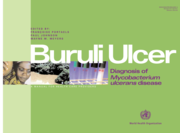
This manual is to assist health care providers and laboratory scientists to diagnose mycobacterium ulcerans disease (Buruli ulcer). The manual aims to achieve a better understanding of the clinical presentation and its diagnosis. The methods described are tailored to various levels of care and avail
...
able resources to improve the diagnosis and surveillance of the disease.
more

Buruli ulcer : management of Mycobacterium ulcerans disease : a manual for health care providers
recommended
This manual is addressed to health care providers dealing with Mycobacterium ulcerans disease (Buruli ulcer). The manual aims to achieve a better understanding of the disease, its clinical presentation and its surgical management. The manual is aimed particularly at district health care providers. A
...
comprehensive protocol, adapted to each form and stage of the disease, is presented together with comments on the levels of resources and capabilities necessary
to shorten the length of treatment, to prevent complications and to minimize undesired sequelae and thus to obtain the best possible outcome for each patient. Some sections include advice relevant to surgeons (e.g. relating to bone infection). However, the level to which particular comments are intended to apply should be clear from the context.
more
The pharmaceutical sector of any nation is responsible for providing society with quality medicines and other pharmaceutical services. According to the World Health Organization (WHO), Pharmaceuticals may constitute as much as 40% of the national health budget in developing countries, yet portions o
...
f the population may lack access to the most essential medicines; while the limited funds available for health are spent on unnecessary, ineffective and even dangerous medications.
more
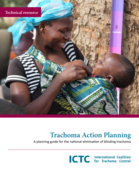
In 2011, ICTC developed a Trachoma Action Plan (TAP) planning guide to support national health officials in endemic countries. This resource was developed to complement the 2020 INSight roadmap by helping countries create specific national plans detailing how they will reach elimination targets in t
...
heir own particular contexts.
more
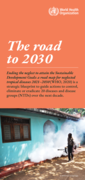
In January 2021, the World Health Organization (WHO) published a new road map to address the burden of disease and death imposed by neglected tropical diseases (NTDs). The end of the first year of the 2021-2030 NTD road map is an opportunity to take stock of where we stand and how we plan to move fo
...
rward.
Considerable progress has been made since 2012 when the first road map was adopted. As of 6 June 2022, forty-six countries have eliminated at least one NTD, while 600 million people no longer require treatment because they are no longer exposed to risks associated with the pathogens that previously harmed them. In some cases, diseases that have plagued humanity for centuries, such as sleeping sickness and Guinea worm disease, are at an all-time low. Less tangible, but also important, there has been significant progress in the way NTDs are viewed. Additionally, the disruptive impact of the COVID-19 pandemic on NTD programmes is evident.
This brochure is the first in a series of advocacy briefs for the new NTD road map presenting highlights of success and challenges towards attaining the 2030 goals.
more
